Rat TerrierSame FCI section
 AI-generated image
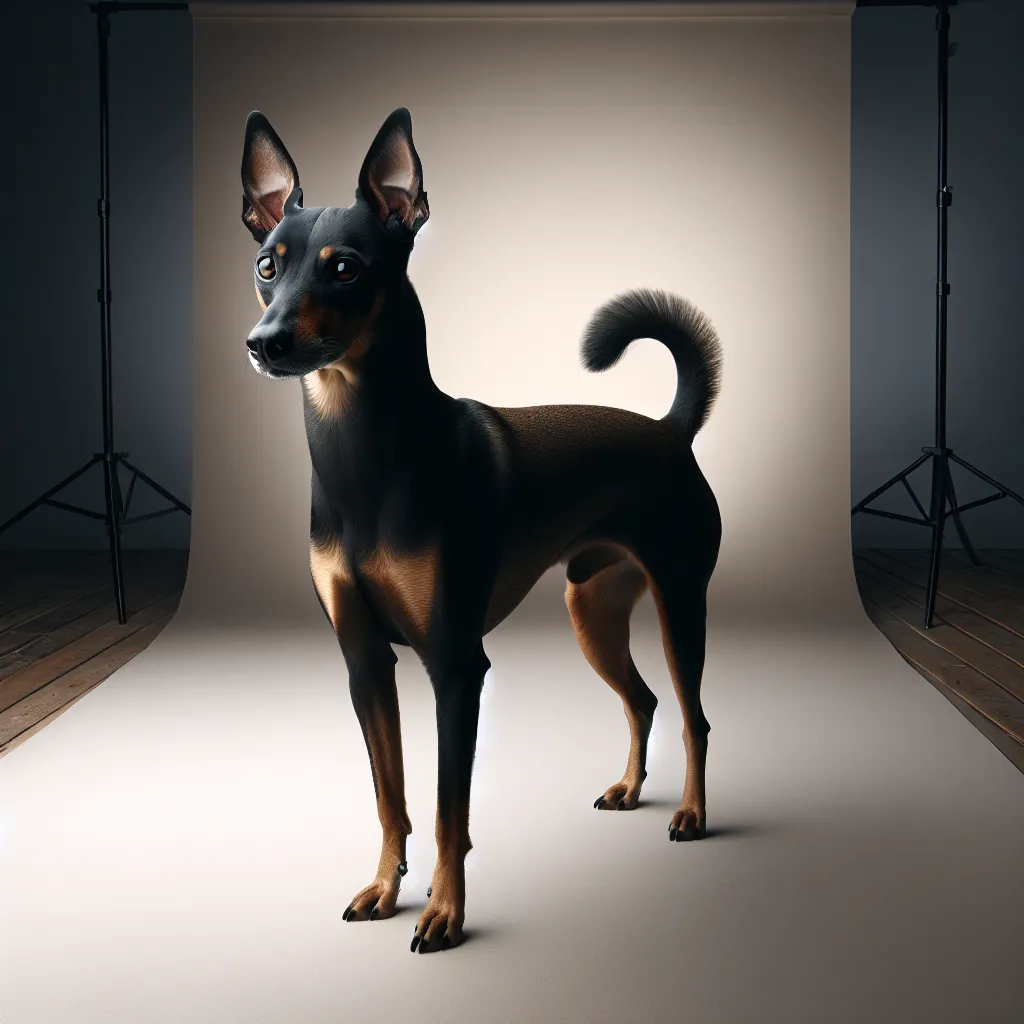
The Ratonero Valenciano is a lightning-fast, highly alert Erdhund (earth dog) — bred as a tireless ratter that kept farms free of rodents and immediately announces any stranger with a loud bark.
How the health grade is calculated
Sources for required breeding screenings. Klub für Terrier e.V.
Self-check
Answer 6 quick questions about your everyday life and see how well the Ratonero Valenciano fits you — including an honest cost estimate per month, per year, and across the dog's lifetime.



At a glance
The essentials — key facts, traits, and health priorities — before you dive deeper.
Lifespan
12–14 yrs
Shoulder height
29–40 cm
Weight
4–8 kg
Practical
Temperament
Daily life
What matters most
Especially with a Ratonero Valenciano, choosing the right breeder is the single most important decision you'll make. Serious breeders consistently test the parents for inherited conditions, prioritize healthy early socialization, and stay accountable long after handover. A cheap puppy without health screening tends to become the most expensive dog later on.
See HonestDog breeder standards →Colors & coat
The coat colors that occur in the Ratonero Valenciano — including which ones fall outside the breed standard and which carry genetic risk.
Eye colors
 Brown
Coat type
 Short
 Smooth
The real vibes check
A Ratonero Valenciano is not a plush couch decoration, but a loaded, four-legged mousetrap that is constantly on high alert when outdoors. If you channel his boundless energy into shared tasks, you get a loyal, extremely funny shadow; however, if you leave the decision-making to him, he will manage your entire daily life – loudly and uncompromisingly.
The Ratonero Valenciano is an agile and versatile dog breed from Spain, originally bred for hunting small prey and rat control. It belongs to the terrier group and is characterized by its compact, muscular build as well as its lively, attentive eyes. The short, dense coat is easy to care for and usually comes in various shades of brown. The Ratonero Valenciano is known for its high intelligence, strong hunting instinct, and close bond with humans. Despite its energy, it is a balanced companion that integrates well into families if given enough activity. Within the breed, there are no clearly separated lines, but individual dogs vary in their eagerness to work and temperament.
The Ratonero Valenciano is a lively and intelligent hunting dog originating from the Valencia region. It is characterized by its pronounced enthusiasm for work and strong hunting drive, making it an excellent companion for rabbit hunting. Despite its independent nature, it is very affectionate and forms a close bond with its family. This dog requires a lot of mental and physical exercise to fully develop its potential. It learns quickly and shows high motivation to work with its human, which is why consistent and loving training is important. The Ratonero Valenciano is alert and displays natural protective behavior without being aggressive. Its temperament is balanced, yet its hunting instincts should be respected and controlled. It is an active dog that enjoys retrieving and appreciates shared activities. As a family dog, it is friendly and social but needs sufficient engagement to avoid becoming under-stimulated or restless.
| Watchfulness A natural watchdog with real protective instinct. | High |
| Openness to Strangers Neither pushily friendly nor suspicious. | Neutral |
| Hunting or Herding Drive This drive runs deep — no amount of training eliminates it. | Very strong |
Fun Fact!
Ratonero Valenciano: The Ratonero Valenciano is a true mouse hunter from Spain, who with his agile body and sharp mind quickly tracks down small rodents. Originally bred as a farm dog, he now impresses with his energy and loyalty – a little whirlwind with a big heart!
The Ratonero Valenciano is a lively and intelligent hunting dog from Spain. It is characterized by its agility and endurance and is traditionally used for hunting mice and rats. These dogs are affectionate, eager to learn, and require meaningful activity to balance their temperament. The Ratonero Valenciano is a loyal companion that integrates well into active families.
Ratonero Valenciano are lively and intelligent dogs that require a lot of exercise and mental stimulation. They are very affectionate and form a close bond with their family, which makes them well-suited as family dogs. They generally get along well with children but, like all dogs, should be supervised when interacting with small children. Due to their hunting and guarding instincts, they are alert and watchful, making them good guard dogs. Early socialization is important so that they get along well with other dogs and pets. Ratoneros feel most comfortable in houses with gardens but can also be kept in the city if sufficiently exercised.
Loves family life and thrives in a group.
Gets on well with children — with adult supervision.
Usually gets on fine with other dogs.
City-appropriate with enough exercise and stimulation.
Owning a dog is a privilege, but it's also a real responsibility. Before you bring one into your life, be honest with yourself about the commitment it takes.
The Ratonero Valenciano is an intelligent and eager-to-learn dog that enjoys being challenged. Similar to the Labrador and German Shepherd, it is important to provide it with meaningful and varied activities to satisfy its natural instincts and need for movement. The Ratonero shows a high level of comprehension and is especially motivated when training is varied and positive. Due to its hunting and guarding drive, it requires consistent but loving training, where frustration tolerance and impulse control should be encouraged early on. It is well suited for various dog sports such as agility, obedience, or tracking, where it can optimally use its abilities. It is important not to overwhelm the Ratonero Valenciano but to also allow it rest periods and get it used to times of relaxation. Good socialization and a close bond with the owner are essential to channel its temperament in positive directions. Training should always be reward-based and patient to strengthen the dog's motivation and trust. Those willing to invest time and commitment will gain a versatile, lively, and loyal companion in the Ratonero Valenciano, who impresses with its eagerness to learn and work ethic.
The Ratonero Valenciano is a lively and intelligent hunting dog that requires a balanced diet to maintain its energy and health. High-quality food with a good proportion of proteins and nutrients is important to support its muscle strength. Be careful to avoid overfeeding, as the Ratonero Valenciano can be prone to overweight. The short, dense coat of the Ratonero Valenciano is easy to care for and only requires occasional brushing to remove loose hairs and keep the skin healthy. During the shedding seasons in spring and autumn, increased hair loss can occur, which can be alleviated by regular brushing. The Ratonero Valenciano is well adapted to the Mediterranean climate but can also cope with cooler temperatures. In extreme heat, sufficient shade and water should be provided to prevent overheating. Regular exercise and mental stimulation are essential for this active breed.
| Care Level Occasional brushing is all it takes. | Very low-maintenance |
| Exercise Needs Needs several hours of serious exercise every day. | Very active |
| Shedding Regular shedding — dog hair on clothes is now normal. | Moderate |
| Trainability Willing to learn with clear rules and regular training. | Balanced |
Our experts are still reviewing this information. Spotted something wrong? Email us at info@honestdog.de.
Solid
Health grade
The Ratonero Valenciano is generally a vital breed, but carries risks for patellar luxation (PL) as well as severe eye diseases such as primary lens luxation (PLL). In addition, neurological defects such as spinocerebellar ataxia or degenerative myelopathy can occur. For breeding approval, the Klub für Terrier e.V. mandatorily requires screening for patellar luxation (PL) with a limit of 0–1. A responsible breeder also tests the parent animals for primary lens luxation (PLL), whereby carriers may only be mated with clear partners. Before buying a puppy, have the breeder provide you with the complete official PL report and the DNA test results of the parent animals.
Grade is relative to other breeds — AI-assisted and editorially reviewed.
Methodology and data: HonestDog Dog Breed Health Report 2026
What matters most for this breed
Tap any item to see details.
You should avoid extreme jumping, focus on joint-friendly activities, and schedule regular eye check-ups to prevent wear and tear or potential diseases.
Responsible breeders test for patellar luxation (PL) according to club requirements and voluntarily screen for primary lens luxation (PLL) as well as spinocerebellar ataxia to rule out severe hereditary defects.
Note: This health overview is AI-assisted and editorially reviewed. It is for orientation only and does not replace veterinary advice.
What matters most for this breed — what's common, how much it affects the dog's life, and how to protect yourself as a buyer.
Tap a body region to see the inherited conditions linked to it.
The three most important risks
Pick a region on the map to explore other areas.
Tier 1 is the core standard: the tests Klub für Terrier e.V. requires, plus further tests from the recommended health standard for this breed. Tiers 2 and 3 show how responsible breeders go beyond.
Core standard. Tests marked “Club standard” are required by Klub für Terrier e.V. for breeding approval; the others are part of the recommended health standard for this breed. Ask any reputable breeder for the results.
No entries in this tier.
Note: This health overview is AI-assisted and editorially reviewed. It is for orientation only and does not replace veterinary advice.
A Ratonero Valenciano costs around ~€140 per month (€80 – €260, depending on your setup). The first year adds up to roughly ~€4,560 including purchase, equipment and puppy school; across the dog's life (13 years) it comes to about ~€25,330.
With surgery cover, running costs come to about ~€140 per month — in return, your share of a major operation drops from several thousand euros to around 20 percent.
Per month
~€140
In the first year
~€4,560
Across the dog's life
~€25,330
Estimated purchase price from a breeder: €1,500 – €2,500
Estimate at a mid-range setup (suburban, dry food, 1–2 hours of daily exercise), average German prices, as of July 2026.
HonestDog Concierge
We currently have no breeders for this breed who have passed our verification. Create your short buyer profile: we'll set up your search alert, review a possible source and email you within 28 days.
 Illustrative image
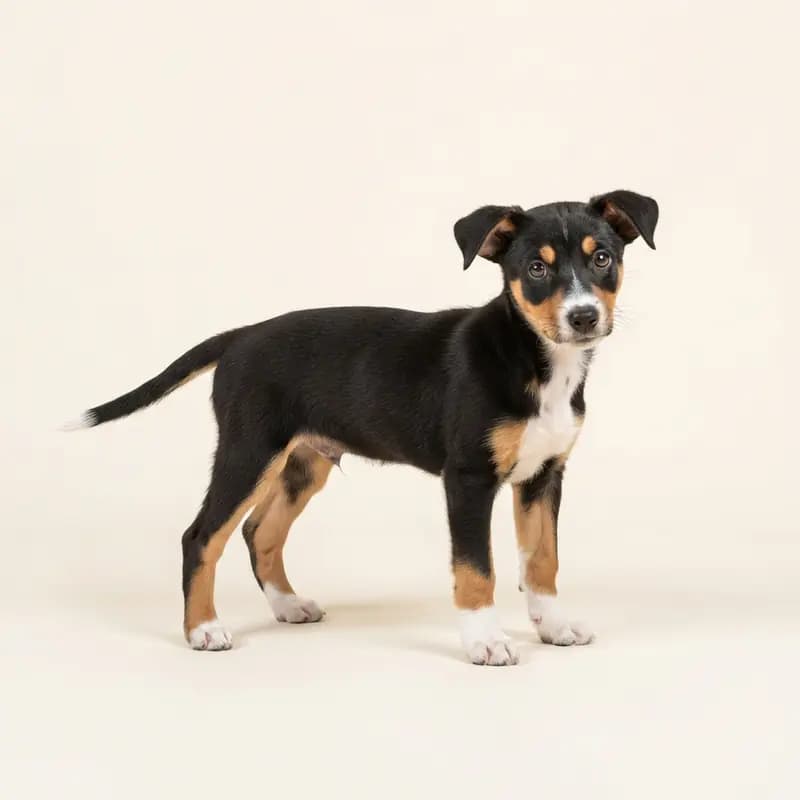 Illustrative image
 Illustrative image
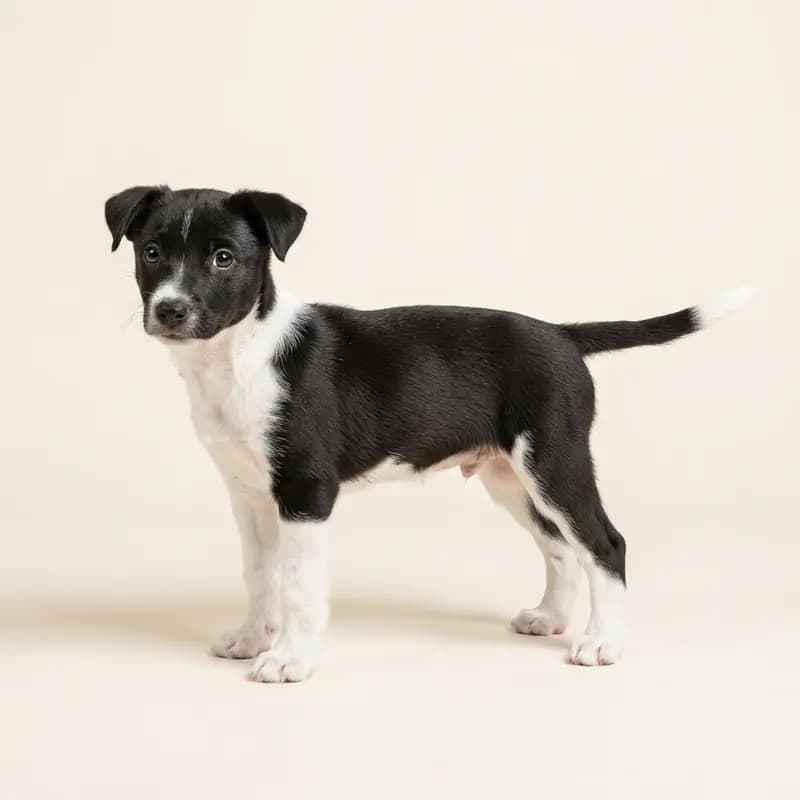 Illustrative image
 Illustrative image
The history of the Ratonero Valenciano begins in the Valencia region of Spain, where it has been valued for centuries as a versatile working dog. Originally, this breed was bred to effectively hunt and control rats and other pests on farms and in rural areas. With its agility, keen sense of smell, and endurance, the Ratonero Valenciano developed into an indispensable helper for farmers and hunters. Over time, the breed was standardized and received official recognition from the Spanish breeding association in 2004. Today, the Ratonero Valenciano is not only a valued working dog but also a loyal companion in many households.
The Ratonero Valenciano is a Spanish rattler bred as a rat catcher and companion dog and is popular in Spain.
Spain
1600
At home and in family life, owners describe the Ratonero Valenciano as a very affectionate, cuddly companion that forms a very close bond with its people. Many point out that this little Spaniard is surprisingly calm indoors and enjoys lounging on the sofa or under blankets, provided its daily need for exercise and activity has been met. With children in the household it's considered playful and engaged, though owners stress that it needs respectful handling, since this lively terrier doesn't appreciate rough treatment.
The challenges lie mainly in its alertness and how it gets along with other pets. Many owners say the Ratonero Valenciano announces unfamiliar noises, visitors or movement around the property immediately and loudly, so it can quickly cause friction in thin-walled rental apartments or densely populated neighborhoods. Experienced owners also strongly warn against keeping it with small animals such as guinea pigs, hamsters or free-roaming rabbits: given its breeding history as a relentless farm and rat hunter, it usually just sees these housemates as prey. According to owner reports, getting it to accept cats usually only works with early introduction and with cats that can stand their ground.
Sources:unitedpetclub.comanimalia.bioforum.perrosdecatalunya.dedogpackapp.comdogzone.com
On handling and training the Ratonero Valenciano, owners keep stressing its strong hunting drive, which in this breed isn't some leftover instinct you can ignore but a firmly rooted working pattern. On walks, many of these dogs constantly scan their surroundings by sight and scent; the slightest movement in the undergrowth or on a field path puts them on instant alert. Reportedly, off-leash time outside well-fenced areas fails for some dogs even after intensive anti-chase training, which is why many owners treat a long line as indispensable standard gear in daily life.
At the same time, the breed is described as highly intelligent, eager to learn and agile. Owners report that plain walks don't come close to satisfying the dog, and that boredom quickly leads to nervousness or lots of barking. With activities like targeted nose work, retrieving or dog sports such as agility, though, its drive to work can be redirected very well. According to owners, clear, confident and sensitive leadership matters: harshness makes this sensitive but at times headstrong terrier shut down, while inconsistent training quickly turns its independence into a real test of patience.
Sources:unitedpetclub.comdogpackapp.comrundum.dogdogforum.deanimalia.bio
On health and grooming, most owners consider the Ratonero Valenciano a robust, primitive and long-lived dog that's easy to care for. The very short, smooth coat sheds continuously but repels dirt and needs little beyond an occasional brushing. Because it lacks an insulating undercoat, however, owners consistently report that these dogs are sensitive to wet weather and Central European cold, so functional coats or sweaters are part of the basic kit in fall and winter.
The breed-typical health weak spots that owners and breed sources point to are mainly orthopedic and eye-related: specifically, the risk of patellar luxation (a loose kneecap) and hereditary primary lens luxation (PLL). Owners also point out that the breed is still rare in German-speaking countries. Many dogs living there come from Spanish rescue organizations abroad, where unclear backgrounds or confusion with similar-looking ratoneros (such as the Bodeguero Andaluz) sometimes occur, so owners need to research especially carefully before getting one.
Sources:animalia.bioforum.perrosdecatalunya.derundum.dogdogpackapp.comdogforum.de
Paraphrased from real owner reports · translated from German
The Ratonero Valenciano is an active dog that needs plenty of exercise and mental stimulation. Research the temperament, grooming needs, and space requirements before deciding.
The average life expectancy of a Ratonero Valenciano is 12-14 years. With proper care and regular vet visits, your dog can live a long, healthy life.
Ratonero Valenciano grooming requirements include regular brushing, nail trimming, and dental care. HonestDog provides detailed grooming tips for every breed.
The Ratonero Valenciano can be a great family dog. Proper training and socialization are key. HonestDog provides family suitability information for every breed.
The Ratonero Valenciano comes in these colors: Tricolor, Black and tan, Black and white, Chocolate, Brown and white, Brown and tan, Black, Brown.
Showcase your kennel on HonestDog and reach families searching for a responsibly bred Ratonero Valenciano.