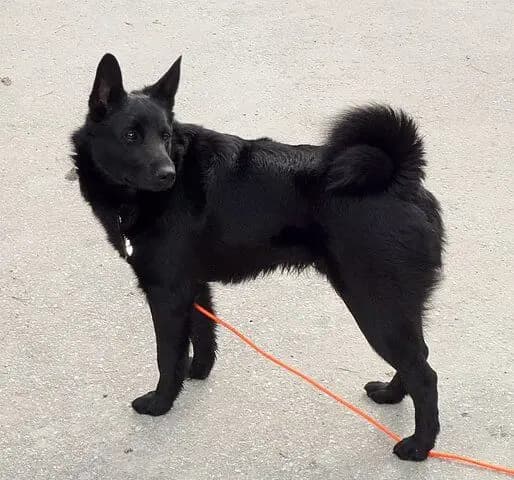
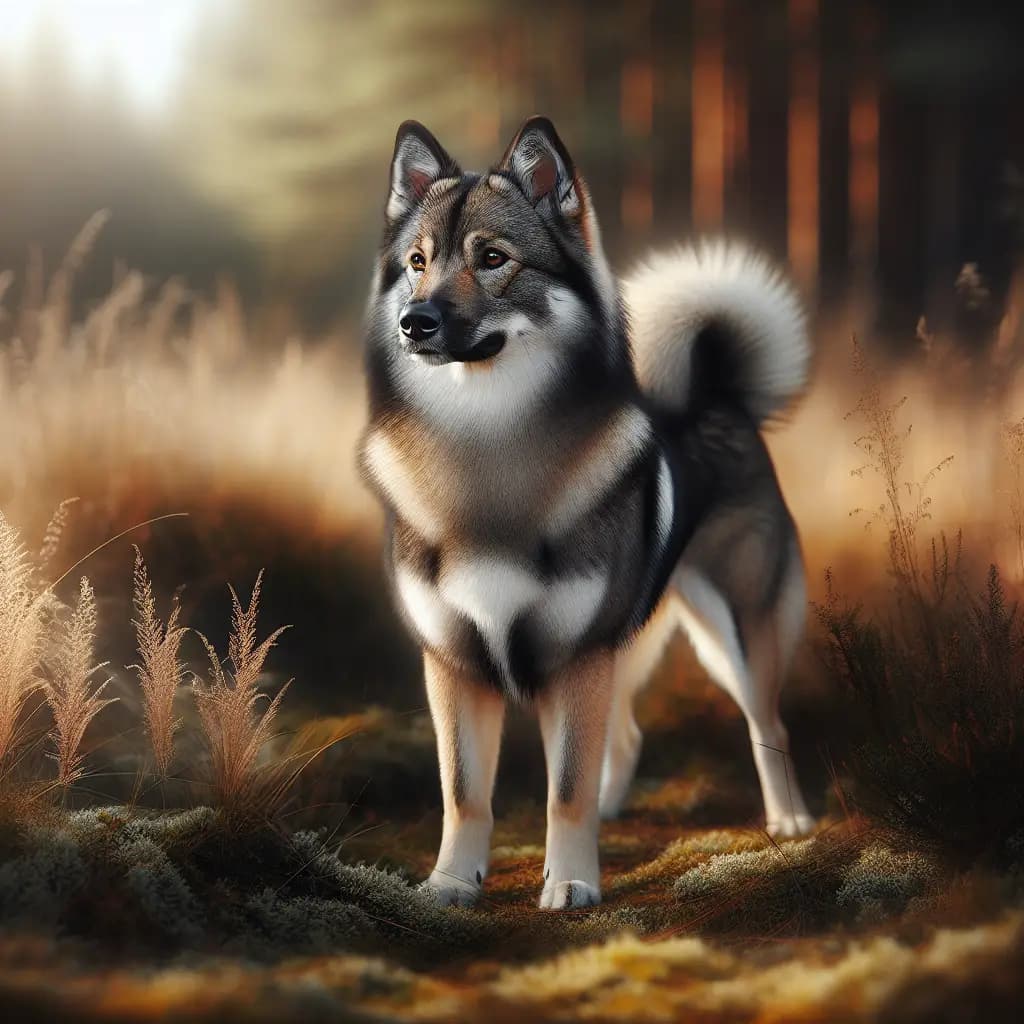
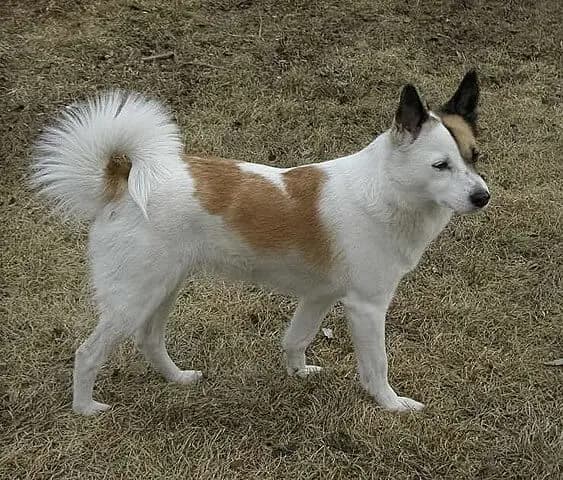
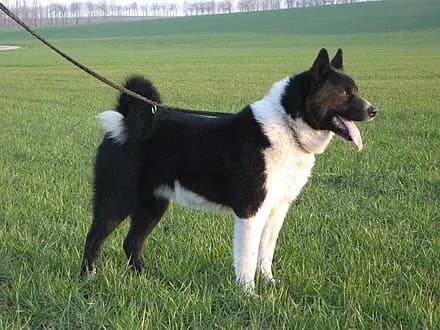
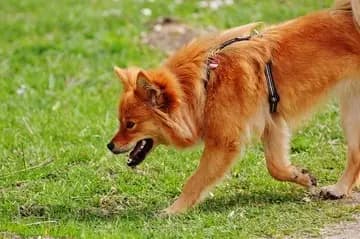
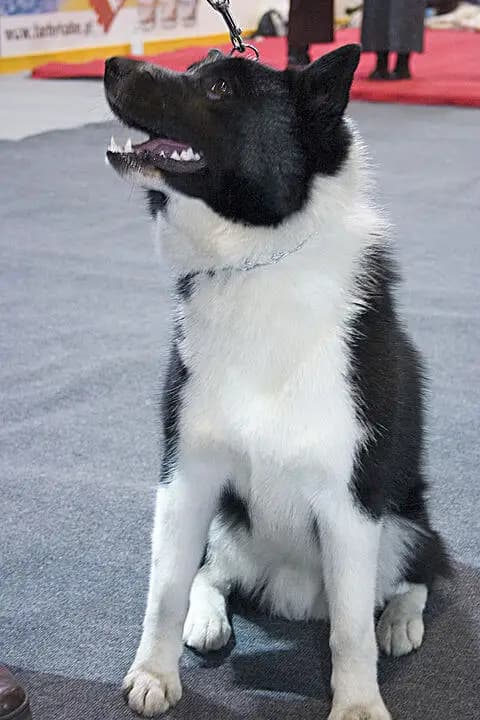
With a life expectancy of 12 to 15 years, the Black Norwegian Elkhound is generally considered a robust, long-lived dog. Even so, the breed occasionally has health issues affecting the joints, the eyes and the nervous system. A health-focused breeder tackles exactly these areas and has the hips and eyes of the parent dogs examined before they are used for breeding, in order to deliberately reduce avoidable risks in their line.
A focus on eye health
The eyes deserve particular attention in this breed. Specialist clinical eye examinations (including gonioscopy) make it possible to detect numerous hereditary eye conditions in breeding dogs at an early stage. These include primary open-angle glaucoma and the pectinate ligament dysplasia often associated with it, cataracts, lens luxation and the generalised form of progressive retinal atrophy (PRA). Abnormalities of the eyelids and eyelashes, such as ectropion, entropion and distichiasis, as well as corneal dystrophy, retinal dysplasia, optic nerve hypoplasia and micropapilla, are also checked. In addition, the specialist checks for embryonic remnants in the eye, such as persistent pupillary membranes (PPM) or PHTVL/PHPV. Regular eye examinations of the parent dogs significantly reduce the risk of puppies later developing painful eye conditions or ones that lead to blindness.
Joints and neurology
Given his great need for exercise, a healthy musculoskeletal system is essential for the Elkhound. X-ray examinations for hip dysplasia (HD) provide information about the joint health of the parent dogs. Another breed-specific issue is spinocerebellar ataxia, a neurological disease that causes problems with coordination. Once your puppy has moved in, you play a major part in giving him a long, active dog’s life through joint-friendly rearing without early overexertion, a lean weight and regular veterinary eye checks.