Loading breed
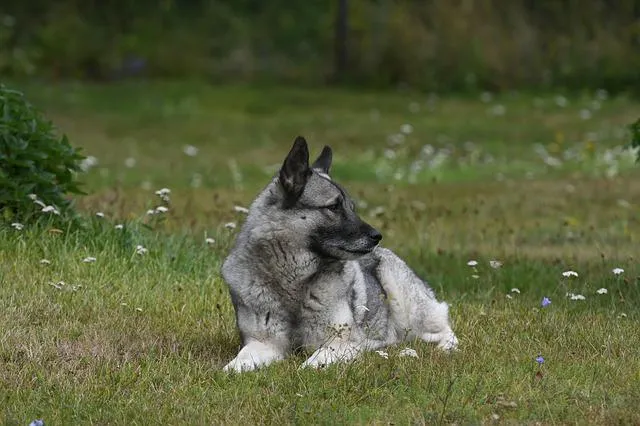
Norwegian Elkhound (Gray)
Health grade C- Shoulder height47–54 cm
- Weight18–27 kg
- Life expectancy12–15 yrs
- Puppy price1,500–2,500 €
- Energy5/5
The essentials at a glance
The Norwegian Elkhound is a robust, fearless Nordic hunting Spitz—bred to track moose in icy forests, hold them at bay independently, and keep them in place by barking persistently.
- Health grade C: In the Norwegian Elkhound (grey), there are breed-specific risks of hip dysplasia (HD) and various eye diseases such as primary lens luxation (PLL), primary open-angle glaucoma, and cataracts.
- You are looking for a weather-resistant companion for long outdoor treks and enjoy scent work that keeps his excellent nose busy.
- You live in a rural area with a securely fenced yard where a vigilant dog who likes to bark and alert won't cause any neighborhood conflicts.
- You live in a thin-walled apartment—persistent barking is his genetic job to call the hunter to the game, and not just a training error.
Self-check
Would the Norwegian Elkhound (Gray) really fit your life?
Answer 6 quick questions about your everyday life and see how well the Norwegian Elkhound (Gray) fits you — including an honest cost estimate per month, per year, and across the dog's lifetime.
Fit checkCost estimateRisk dice
Takes about 1 minute · free & anonymous
Similar Breeds
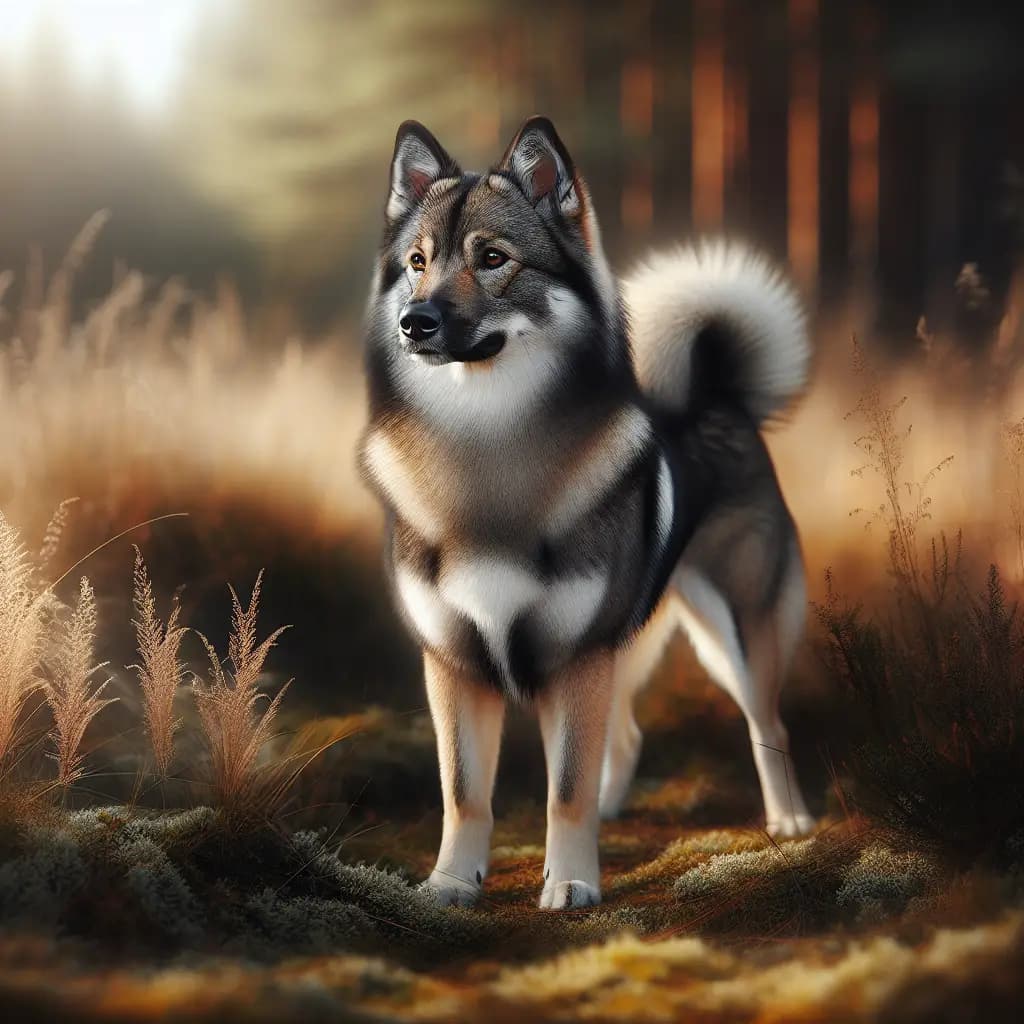

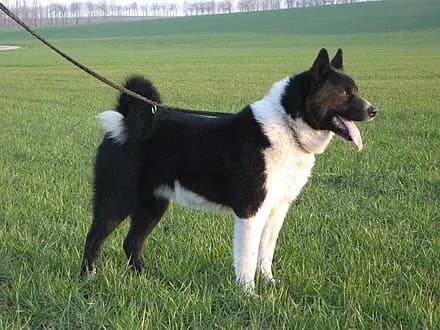
Karelian Bear DogSame FCI section
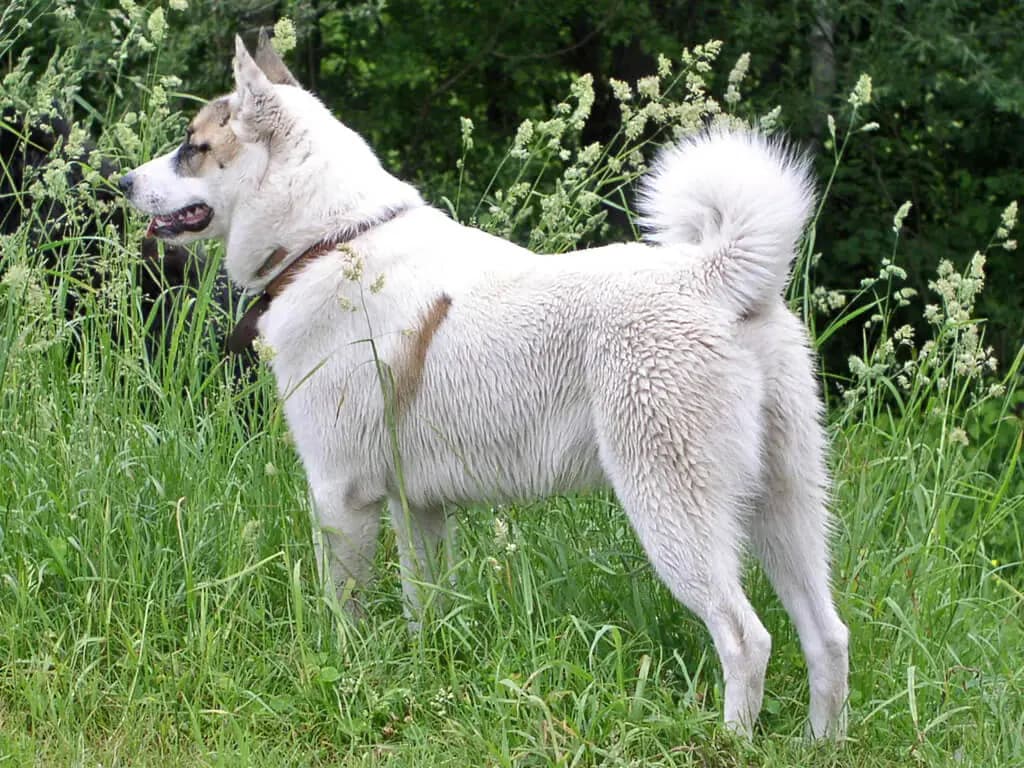
West Siberian LaikaSame FCI section
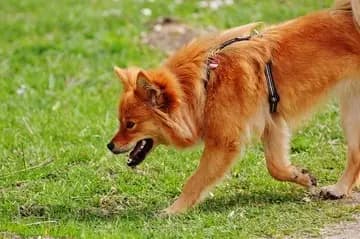
Finnish SpitzSame FCI section
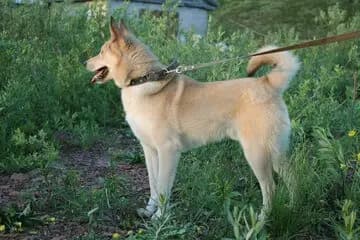
Norwegian BuhundSame FCI group
Is the Norwegian Elkhound (Gray) right for you?
At a glance
Norwegian Elkhound (Gray) overview
The essentials — key facts, traits, and health priorities — before you dive deeper.
Lifespan
12–15 yrs
Shoulder height
47–54 cm
Weight
18–27 kg
Practical
- Puppy price: 1,500 – 2,500 €
- Coat: Dense, straight, harsh, plenty of undercoat
- Origin: Norway
Temperament
Energy
Trainability
Family fit
With kids
Daily life
Care effort
Shedding
Barking
City-friendly
Guard instinct
What matters most
Especially with a Norwegian Elkhound (Gray), choosing the right breeder is the single most important decision you'll make. Serious breeders consistently test the parents for inherited conditions, prioritize healthy early socialization, and stay accountable long after handover. A cheap puppy without health screening tends to become the most expensive dog later on.
See HonestDog breeder standards →Colors & coat
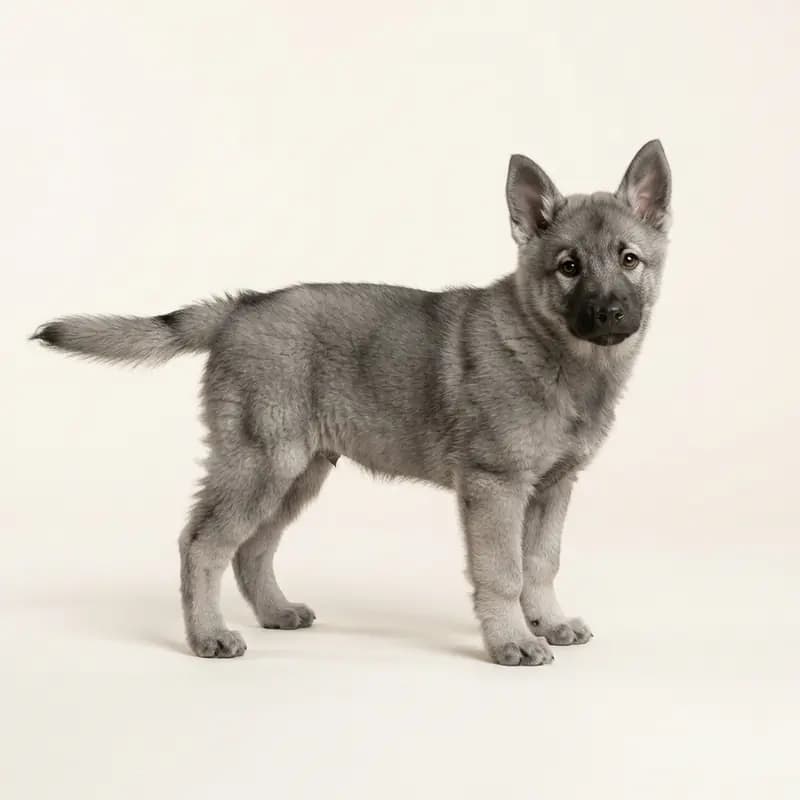
What colors does the Norwegian Elkhound (Gray) come in?
The coat colors that occur in the Norwegian Elkhound (Gray) — including which ones fall outside the breed standard and which carry genetic risk.
Eye colors
 Brown
Coat type
 Medium
 Double coat
Perfect for you if:
- You appreciate independent-minded dogs and can lead with loving consistency without expecting blind, unquestioning obedience.
- You have plenty of patience for recall training and don't mind keeping him on a long leash in areas rich with wildlife.
Less ideal if:
- You are looking for a dog that shines on the training field and executes every command at lightning speed.
- You are more of a fair-weather walker and want a dog that prefers to stay inside when it rains or snows.
- You expect him to turn around immediately upon spotting game—his hunting instinct for ungulates is deeply anchored in his DNA.
The real vibes check
A Norwegian Elkhound doesn't negotiate with a 500-kilo moose in a snowstorm; he holds it at bay for hours, barking loudly. He brings this immense independence and tenacity directly into your everyday life. You aren't getting a submissive follower, but a primitive, loyal partner who will respect you—if you prove that you can lead with confidence.
Breed Profile
The Norwegian Elkhound Gray is a medium-sized dog with a strong, compact build. His appearance exudes strength and agility, and his lush fur makes him appear ready for adventures in the cold. The head is broad, the ears pointed and erect, and the bushy tail is carried curled over the back. The fur is dense and water-repellent, making it well suited to harsh climates. He belongs to FCI Group 5, which includes the Spitz and primal type dogs. There is no distinction between performance and show lines in this breed, meaning all Norwegian Elkhounds Gray share similar characteristics and are suitable for both work and as pets.
All measurements in detail
- Height
- 47 - 51 cm (Female), 50 - 54 cm (Male)
- Weight
- 18 - 25 kg (Female), 20 - 27 kg (Male)
- Life Expectancy
- 12 - 15 yrs
- Character
- Brave, loyal, intelligent
- Coat
- Dense, straight, harsh, plenty of undercoat
- Coat Color
- Gray with a hint of black
- Price
- 1500 - 2500 €
Character & Temperament
The Norwegian Elkhound Gray is characterized by courage, intelligence and loyalty. He is an intrepid hunter, but also a loving and devoted companion. As a hunting dog, he is trained to locate game and report it by barking while keeping it at bay until hunters arrive. Its bark is very distinctive and can be described as melodic and powerful. In the family, the Norwegian Elkhound Gray shows a close bond with its people. He is alert and protective, making him an excellent watchdog. Despite his hunting instinct, he is very people-oriented and enjoys being near his family. When it comes to temperament, the Gray Norwegian Elkhound is active but not hyperactive. He needs regular exercise and mental stimulation to be happy and balanced. Long walks, hiking or jogging are activities that he particularly enjoys. Thanks to his intelligence, he is also a very trainable dog. He can quickly learn new commands and is able to handle complex tasks. But because of his independence, he can also be a bit stubborn at times. It's important to train him with consistency and positive reinforcement. The Norwegian Gray Elkhound can learn to stay alone, but he prefers company and should not be left alone for long periods of time. It has a strong hunting behavior, meaning it tends to prey on wild animals. It is advisable to keep him on a leash when traveling in areas with wildlife. Finally, we would like to emphasize that the Norwegian Elkhound Gray is an excellent companion for active people who are willing to invest time in exercise and mental stimulation. Not only is he a brave and effective hunter, but also a loving and loyal friend who forms a deep bond with his family. When you are ready to open your heart and home to a Gray Norwegian Elkhound, you will be rewarded with a partner who will enrich your life with joy, adventure and unwavering loyalty.
| Watchfulness A natural watchdog with real protective instinct. | High |
| Openness to Strangers Neither pushily friendly nor suspicious. | Neutral |
| Hunting or Herding Drive Noticeable drive — needs attention around small animals. | Moderate |
Fun Fact!
Did you know that the Norwegian Elkhound was one of the Vikings' loyal companions and even accompanied them on their sea voyages?
What Awaits You
In addition to the gray Norwegian Elkhound, there is also the black Norwegian Elkhound. These dogs are independent hunters with a large radius. These active dogs are not very suitable for comfortable people.
Housing & Care
The Norwegian Elkhound is an active and energetic dog that requires plenty of exercise and mental stimulation. He is not necessarily suitable as a city dog unless you are willing to give him long walks and activities. A house with a garden would be ideal. Small children are usually not a problem, but it is important to ensure that both the dog and the children know how to behave respectfully. Regarding other pets, the Norwegian Elkhound can get along with cats and other dogs if he is used to them from an early age.
- Family Friendly
Loves family life and thrives in a group.
Family-oriented - Child Friendly
Takes boisterous and affectionate children in its stride.
Patient with children - Dog Friendly
Usually gets on fine with other dogs.
Generally tolerant - City Friendly
Can manage in the city, but only with very active owners.
Difficult in cities
Owning a dog is a privilege, but it's also a real responsibility. Before you bring one into your life, be honest with yourself about the commitment it takes.
Training & Education
The Norwegian Elkhound is intelligent but sometimes independent, which can make training challenging. It's important to be consistent and use positive reinforcement. Due to his predisposition to hunting, it is advisable to practice frustration tolerance and impulse control so that he does not chase every lead. As an active dog, he needs a lot of activity, but don't overdo it, as over-exercise can lead to stress. Activities like mantrailing, agility, or nose work are great for this breed. Make sure that the dog does not become a “ball junkie,” as this can lead to an obsession. It is important to find a balance between physical and mental workload.
Nutrition & Care
In terms of nutrition, the Norwegian Elkhound needs a balanced diet rich in proteins and nutrients to maintain its energy and health. You can include both high-quality dry food and fresh meat in the diet, although you should pay attention to the calorie intake to avoid becoming overweight. When it comes to grooming, the Norwegian Elkhound has a thick undercoat that protects it from the cold. In Germany he copes well with the climate. However, he sheds heavily, especially during the coat change in spring and autumn. Regular brushing, at least once a week, is therefore necessary to maintain the coat and avoid piles of loose hair in your home.
| Care Level Regular brushing and occasional professional grooming. | Moderate |
| Exercise Needs Working-dog energy that needs burning off every single day. | High-drive |
| Shedding Hair everywhere, always — no white clothing survives. | Very heavy |
| Trainability Willing to learn with clear rules and regular training. | Balanced |
Our experts are still reviewing this information. Spotted something wrong? Email us at info@honestdog.de.
Health & hereditary diseases
Health
C
Solid, watch carefully
Health grade
In the Norwegian Elkhound (grey), there are breed-specific risks of hip dysplasia (HD) and various eye diseases such as primary lens luxation (PLL), primary open-angle glaucoma, and cataracts. A health-oriented breeder therefore has their breeding stock comprehensively examined for orthopedic and ophthalmological issues. Have the official certificates for HD (cutoff HD A–C) presented to you, as well as test results confirming that both parents are free of PLL, glaucoma, and cataracts. Genetic testing for progressive retinal atrophy and cerebellar ataxia (CA1) is also part of this – here, one parent may be a carrier, provided the other breeding partner is clear.
Grade is relative to other breeds — AI-assisted and editorially reviewed.
Methodology and data: HonestDog Dog Breed Health Report 2026
What matters most for this breed
Tap any item to see details.
In daily life this can mean
With joint-friendly rearing, plenty of exercise, and regular vet check-ups for his eyes and kidneys, your dog will usually remain fit and active well into old age.
The breeder's role
Responsible breeders test breeding stock for hip dysplasia (HD), primary lens luxation (PLL), and cerebellar ataxia (CA1) to prevent severe joint damage, blindness, and neurological deficits.
Note: This health overview is AI-assisted and editorially reviewed. It is for orientation only and does not replace veterinary advice.
Health risks for this breed
What matters most for this breed — what's common, how much it affects the dog's life, and how to protect yourself as a buyer.
16
Risks tracked
13
Recommended standard
10
High severity
Eyes
Most affected area
Where this breed is vulnerable
Tap a body region to see the inherited conditions linked to it.
The three most important risks
Pick a region on the map to explore other areas.
severemoderatemild
How thoroughly does the breeder test?
Tier 1 is the recommended health standard for this breed. Tiers 2 and 3 show how responsible breeders go beyond.
Recommended standard. These tests make up the recommended health standard for this breed — the baseline of any careful breeding program. Ask any reputable breeder for the results.
No entries in this tier.
Note: This health overview is AI-assisted and editorially reviewed. It is for orientation only and does not replace veterinary advice.
Costs & where to find one
How much does a Norwegian Elkhound (Gray) cost?
A Norwegian Elkhound (Gray) costs around ~€180 per month (€100 – €350, depending on your setup). The first year adds up to roughly ~€5,050 including purchase, equipment and puppy school; across the dog's life (13.5 years) it comes to about ~€32,730.
With surgery cover, running costs come to about ~€180 per month — in return, your share of a major operation drops from several thousand euros to around 20 percent.
Per month
~€180
In the first year
~€5,050
Across the dog's life
~€32,730
Estimated purchase price from a breeder: €1,500 – €2,500
Estimate at a mid-range setup (suburban, dry food, 1–2 hours of daily exercise), average German prices, as of July 2026.
Calculate your personal costs1-minute self-check with your own answers
Looking for a Norwegian Elkhound (Gray)?
HonestDog Concierge
No verified Norwegian Elkhound (Gray) breeders on HonestDog yet
We currently have no breeders for this breed who have passed our verification. Create your short buyer profile: we'll set up your search alert, review a possible source and email you within 28 days.
Appearance, variants & origin
History
The full history
The Norwegian Elkhound is one of the oldest dog breeds, with a history that dates back over 6,000 years. It comes from Norway and was originally used to hunt moose and other large wild animals. The Norwegian Elkhound is a highly valued part of Scandinavian culture and history. It is often mentioned in old Nordic sagas and legends and was already a valued companion in the Viking Age. The breed was first shown in modern times at a dog show in Norway in 1877. Official recognition as an independent breed came in the early 20th century. The Norwegian Elkhound Gray later became known worldwide and is now valued not only as a hunting dog, but also as a loyal and loving family dog.
Original Use
The Norwegian Elkhound was bred to hunt moose and other large game species.
Origin
Norway
Date
1000
Owner experiences
Many owners describe the gray Norwegian Elkhound as an affectionate, loyal and surprisingly cuddly companion in family life.Summarized from publicly shared owner experiences
Many owners describe the gray Norwegian Elkhound as an affectionate, loyal and surprisingly cuddly companion in family life. Despite its rustic roots as a rugged hunting dog, it seeks close contact with its people and bonds strongly with them. Owners mostly describe it as patient, friendly and playful with children.
On the flip side, owner accounts agree that keeping one in a cramped city apartment is rarely without problems. The Elkhound has a deeply ingrained love of barking: because it was originally selected to hold game at bay with a loud, persistent voice and call the hunter over, at home it announces noises and strangers very reliably and forcefully. For a harmonious life together, owners therefore usually recommend a house with a securely fenced yard in a more rural area.
Owners also report a considerable amount of grooming and cleaning during shedding periods. The very dense double coat with its fine undercoat sheds heavily each season, so regular brushing is a must to keep the coat from matting. At the same time, this coat leaves the dog completely unfazed by rain, snow and icy temperatures outdoors.
Sources:hundeforum.comtackenberg.demit-tier.dezooplus.dedogpackapp.com
Owners keep pointing to the breed's typical Nordic, primitive-type character in training.Summarized from publicly shared owner experiences
Owners keep pointing to the breed's typical Nordic, primitive-type character in training. The Norwegian Elkhound is considered highly intelligent and learns commands quickly, but shows no blind obedience at all. It weighs instructions by their practical use and, when in doubt, likes to make its own decisions, which calls for a lot of patience, consistency and positive reinforcement from its handler. According to owner accounts, harshness or drilling gets you nothing but refusal with this sensitive but strong-willed breed.
Its strong hunting instinct is a central topic in owner discussions. Off leash in areas with lots of wildlife or in the woods, most owners find it hard to control, because fresh tracks or visible game instantly switch on its urge to work. Many owners therefore consistently use a long line in everyday life, unless the dog is used for hunting or can run around in a secure area.
To keep the Elkhound balanced indoors, owners say it needs purposeful activity. Plain walks on a loose leash aren't enough for it in the long run. According to owners, nose work, tracking or mantrailing, and hikes have proven especially useful, letting the dog put its great stamina and excellent sense of smell to good use.
Sources:mit-tier.dezooplus.dereddit.compaw-champ.comedogs.de
Paraphrased from real owner reports · translated from German
FAQ & more
Is a Norwegian Elkhound (Gray) the right dog for me?
The Norwegian Elkhound (Gray) is an active dog that needs plenty of exercise and mental stimulation. Research the temperament, grooming needs, and space requirements before deciding.
How long does a Norwegian Elkhound (Gray) live?
The average life expectancy of a Norwegian Elkhound (Gray) is 12-15 years. With proper care and regular vet visits, your dog can live a long, healthy life.
How much grooming does a Norwegian Elkhound (Gray) need?
Norwegian Elkhound (Gray) grooming requirements include regular brushing, nail trimming, and dental care. HonestDog provides detailed grooming tips for every breed.
Is a Norwegian Elkhound (Gray) good for families with children?
The Norwegian Elkhound (Gray) can be a great family dog. Proper training and socialization are key. HonestDog provides family suitability information for every breed.
What colors does the Norwegian Elkhound (Gray) come in?
The Norwegian Elkhound (Gray) comes in these colors: Grey.
Are you a Norwegian Elkhound (Gray) breeder?
Showcase your kennel on HonestDog and reach families searching for a responsibly bred Norwegian Elkhound (Gray).