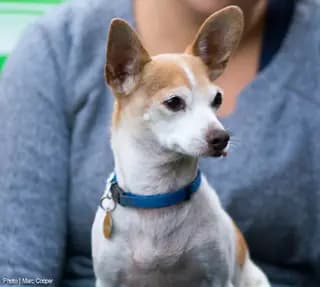
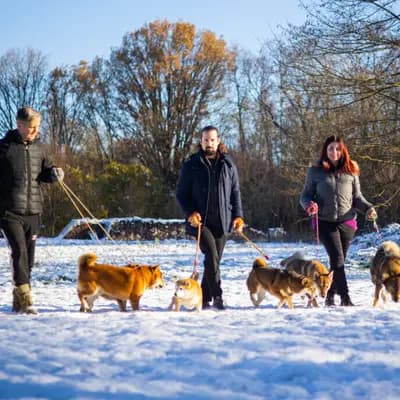
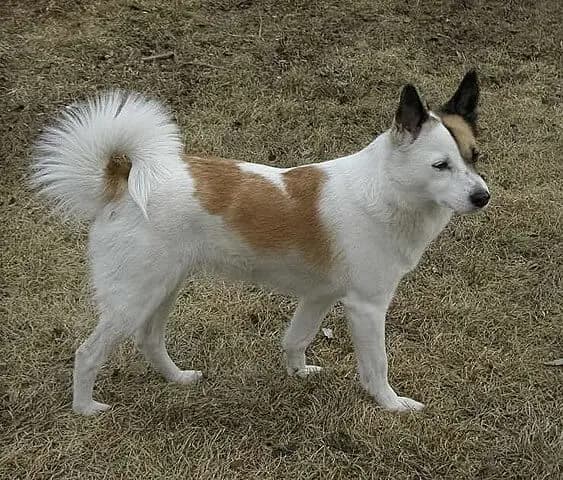
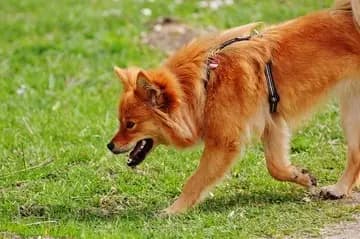
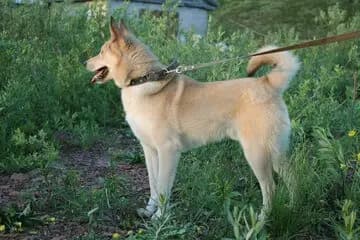
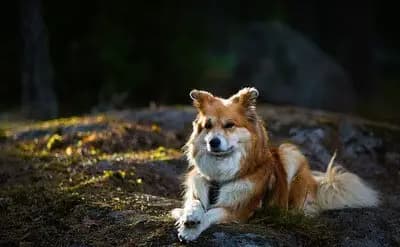
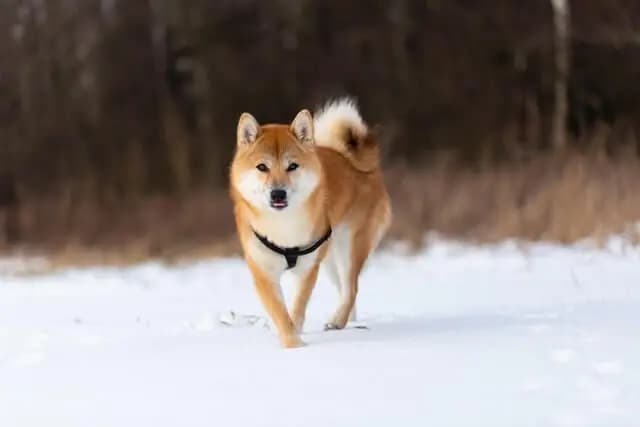
Don't be fooled by the compact size: the Lundehund has a high energy level (4/5), combined with the typical independence of a primitive-type dog. Its character is an exciting mix of intelligence, curiosity and a hunting instinct that is still keen today, which makes it a superb observer. It is often reserved with strangers at first, but forms an extremely close bond with its own people and greatly enjoys their company.
Trainability is a moderate 2 out of 5. A Lundehund was bred to make decisions independently on steep rock – you cannot expect blind obedience. Experience shows that house-training with this breed also often takes somewhat more patience and consistency than with other dogs. It is very sociable in the family (family-friendliness 4/5) and with other dogs (4/5), while with children (3/5) it is important that they respect its places to retreat to. It copes with city life (3/5) as long as you offer it exciting outings to explore nature every day and help it keep its watchfulness calm and controlled. The double-layered, rough coat with a dense undercoat is straightforward in everyday life (grooming needs and shedding both 3/5) and needs regular brushing out, especially during the moult.
Your checklist for the first conversation with the breeder
Prepare well for your visit to the breeder and check the conditions on site for yourself. These are the specific points that matter with the Norwegian Lundehund:
- Ask to see the clinical eye results: Insist on seeing the current examination certificates for both parent animals covering the breed-related eye abnormalities (including cataract, PRA, glaucoma, lens luxation and eyelid conformation defects).
- Check the knee and blood results: Ask to be shown the patellar luxation result and current blood test results for the parent animals, which give an insight into their metabolism and digestion.
- Ask about the line's history: Ask specifically whether any cases of chronic gastrointestinal problems or hip dysplasia are known among close relatives.
- Coefficient of inbreeding and breeding plan: Ask the breeder to explain how they have taken genetic diversity into account in this mating.
- Check the feeding management: An experienced Lundehund breeder will advise you in detail on the breed's highly sensitive digestion and send you home with the specialist food the puppy is used to for the first few weeks.
- Observe the parent animals and puppies: The dam may be reserved with strangers, as is typical of the breed, but should never seem panicky. The puppies must explore their surroundings in a curious, bright-eyed and agile way.
On HonestDog, a breeder profile only goes online once the breeder has completed registration: identity verification by ID and selfie, where applicable proof of club membership or a §11 permit, a knowledge test on breeding and animal welfare, and agreement to the HonestDog breeding standards, which among other things rule out breeding from dogs with traits associated with extreme breeding (Qualzucht). Any health test results for the parent animals that breeders upload are shown directly in the profile; ask to see the original certificates when you visit. Your next step: compare the profiles of Norwegian Lundehund breeders on HonestDog, look at the health evidence they have uploaded and ask directly about the next litter.