NorrbottenspitzSame FCI section
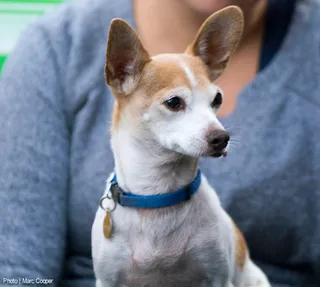
The Norwegian Lundehund is an agile, alert, and independent climber—a highly specialized cliff hunter bred with six toes and extreme flexibility to catch puffins in inaccessible rock crevices.
Self-check
Answer 6 quick questions about your everyday life and see how well the Norwegian Lundehund fits you — including an honest cost estimate per month, per year, and across the dog's lifetime.

At a glance
The essentials — key facts, traits, and health priorities — before you dive deeper.
Lifespan
12–14 yrs
Shoulder height
32–38 cm
Weight
5–8 kg
Practical
Temperament
Daily life
What matters most
Especially with a Norwegian Lundehund, choosing the right breeder is the single most important decision you'll make. Serious breeders consistently test the parents for inherited conditions, prioritize healthy early socialization, and stay accountable long after handover. A cheap puppy without health screening tends to become the most expensive dog later on.
See HonestDog breeder standards →Colors & coat
The coat colors that occur in the Norwegian Lundehund — including which ones fall outside the breed standard and which carry genetic risk.
Eye colors
 Brown
 Amber
Coat type
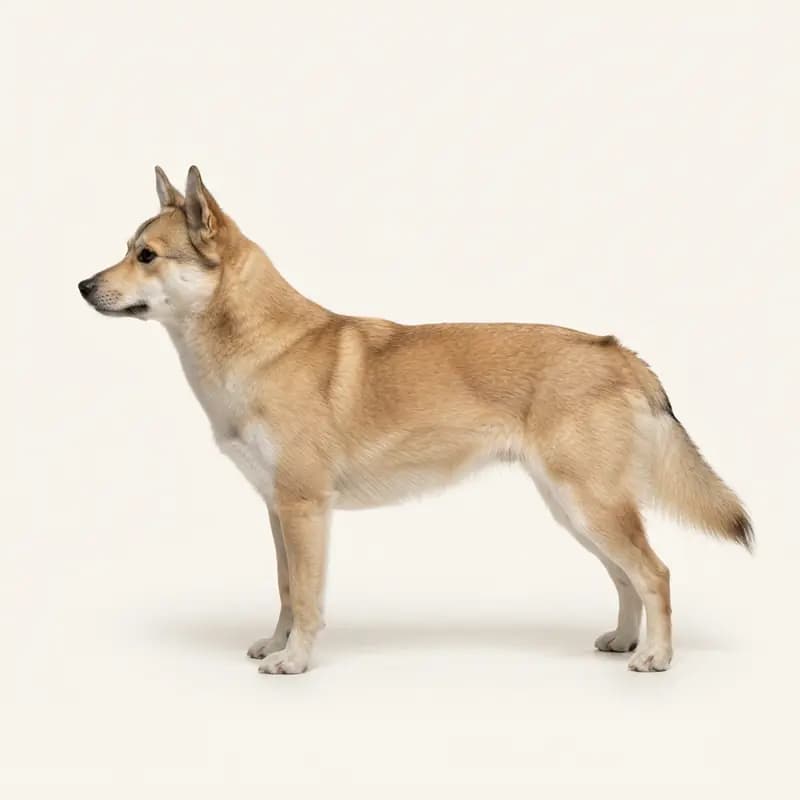
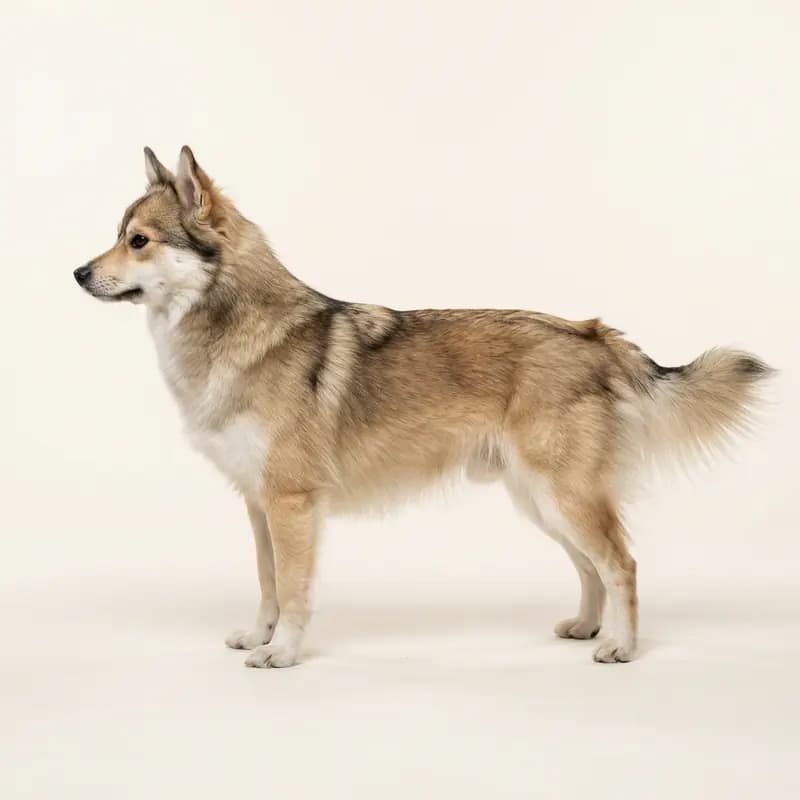
 Double coat
 Illustrative image
Short
 Illustrative image
Medium
The real vibes check
A Lundehund is like a foxy acrobat that ignores physics and fits through almost any gap if he wants to explore something. You aren't getting a classic follower of commands, but a physically unique specialist who only cooperates with you if he sees the point of it. If you can take his barky independence with a sense of humor, you will gain a fascinating, tireless companion.
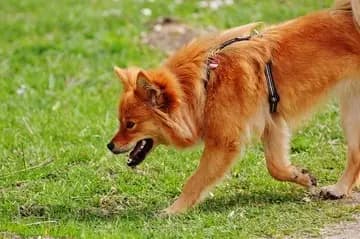
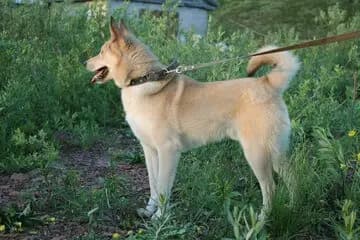
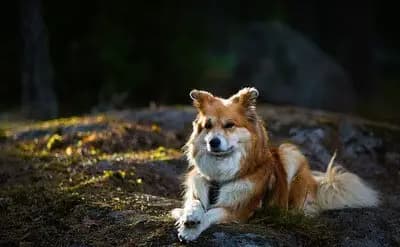
The Norwegian Lundehund is a small to medium-sized dog with a light and lithe build that allows it to move with skill and nimbleness. He belongs to FCI group 5, Spitz and primitive-type dogs. Its proportions are particularly striking: the head is small and wedge-shaped, the ears are triangular and stand upright, and the torso is slightly rectangular. One of the Lundehund's most notable features is its polydactyl paws, meaning it has more toes than most other dog breeds - usually six on each paw. Equally fascinating is the exceptional mobility of this breed; the Lundehund can bend its head back to its spine and extend its legs to the sides, similar to human arms.
Are you wondering whether the Norwegian Lundehund has the right temperament for you? Well, the nature of the Lundehund is an exciting mix of intelligence, liveliness and independence. They are curious dogs who love to explore their surroundings and still have the hunter instinct that makes them excellent observers. While the Lundehund can be a little reserved around strangers at first, he develops a close bond with his family and enjoys being in company. If you let a Lundehund into your life, you will find that he can be quite playful and a happy companion. Since the Lundehund was originally a working dog that had to make decisions independently, it often shows an independent character. This means that he can be a little stubborn at times and doesn't always respond to commands straight away. It is important to understand that this is part of his nature and patience is required in the relationship. Another aspect you should keep in mind is that Lundehunds tend to exhibit strong hunting or prey-catching behavior. This means that they sometimes tend to prey on birds or small animals. It is advisable to play with them in a fenced area and to be attentive during walks. A Lundehund can learn to stay alone, but it is important to teach him from the start that this is a normal routine. Because they form a close bond with their family, it may be difficult for them to stay alone at first, but with patience and training this can be achieved. The Norwegian Lundehund is also a very alert dog. He will alert you if something is wrong around him or if visitors come. This makes him a good watchdog, but it is important to be careful that this does not lead to excessive barking.
| Watchfulness Occasionally alerts but is fundamentally open. | Low |
| Openness to Strangers Warms up quickly and is generally welcoming. | Friendly |
| Hunting or Herding Drive Noticeable drive — needs attention around small animals. | Moderate |
Fun Fact!
Did you know that the Norwegian Lundehund has six toes on each foot? These extra toes helped them climb better in Norway's harsh landscape when they were used to hunt puffins.
The uniquely built Norwegian Lundehund from the Norwegian rocky island of Vaeroy is the only dog breed created for puffin hunting. Since puffins are now a protected species, the Lundehund is now a friendly, sporty companion.
The Lundehund is an active and agile dog that does best in an environment with plenty of space to run around and explore. He can be kept in the city if he gets enough exercise, but a house with a garden would be ideal. He generally gets along well with children, but due to his energy, it is advisable to monitor interactions with very young children. Lundehunds can also get along with cats and other pets if properly socialized.
Loves family life and thrives in a group.
Gets on well with children — with adult supervision.
Actively enjoys the company of other dogs.
City-appropriate with enough exercise and stimulation.
Owning a dog is a privilege, but it's also a real responsibility. Before you bring one into your life, be honest with yourself about the commitment it takes.
The Norwegian Lundehund is intelligent, but also stubborn. Consistent but gentle training is key. This breed brings hunting instincts, so it's important to provide alternatives, such as nose work, to engage their senses. Frustration tolerance and impulse control are particularly important for Lundehunds to avoid overexcitement. Becoming a ball junkie is entirely possible with this breed, so it is important to make sure that the dog is sufficiently challenged mentally and not just physically.
The Lundehund needs a balanced diet with high-quality proteins, fats and a good balance of vitamins and minerals. Especially because of Lundehund syndrome, it is important to keep an eye on digestion and adjust your diet if necessary. When it comes to grooming, the Lundehund is quite easy to care for. He has a double coat with a soft undercoat and a harsher upper coat. He sheds moderately, but regular brushing can help keep the coat clean and tangle-free. The breed is adapted to the harsh climate of Norway and copes well with the German climate.
| Care Level Regular brushing and occasional professional grooming. | Moderate |
| Exercise Needs Needs several hours of serious exercise every day. | Very active |
| Shedding Hair everywhere, always — no white clothing survives. | Very heavy |
| Trainability Has its own ideas and will test limits. | Strong-willed |
Our experts are still reviewing this information. Spotted something wrong? Email us at info@honestdog.de.
Elevated risks
Health grade
In the Norwegian Lundehund, there are clear breed-specific health risks, which primarily include severe eye diseases such as primary lens luxation (PLL), cataract, and progressive retinal atrophy, as well as joint problems like patellar luxation (PL). A responsible breeder therefore has their breeding animals undergo comprehensive ophthalmological examinations and tests for joint dysplasias. Before buying, ask to see proof of freedom from primary lens luxation (PLL), cataract, and progressive retinal atrophy, as well as a patellar luxation result with the limit value PL 0 and an HD X-ray evaluation of HD A–C.
Grade is relative to other breeds — AI-assisted and editorially reviewed.
Methodology and data: HonestDog Dog Breed Health Report 2026
What matters most for this breed
Tap any item to see details.
You should pay attention to a very carefully balanced diet and early veterinary support to best manage the highly sensitive digestive system of this breed in everyday life.
Responsible breeders have their animals tested for primary lens luxation (PLL), cataracts, patellar luxation (PL), and hip dysplasia (HD) in order to specifically avoid severe eye and joint diseases.
Note: This health overview is AI-assisted and editorially reviewed. It is for orientation only and does not replace veterinary advice.
What matters most for this breed — what's common, how much it affects the dog's life, and how to protect yourself as a buyer.
Tap a body region to see the inherited conditions linked to it.
The three most important risks
Pick a region on the map to explore other areas.
Tier 1 is the recommended health standard for this breed. Tiers 2 and 3 show how responsible breeders go beyond.
Recommended standard. These tests make up the recommended health standard for this breed — the baseline of any careful breeding program. Ask any reputable breeder for the results.
No entries in this tier.
Note: This health overview is AI-assisted and editorially reviewed. It is for orientation only and does not replace veterinary advice.
A Norwegian Lundehund costs around ~€160 per month (€90 – €300, depending on your setup). The first year adds up to roughly ~€5,180 including purchase, equipment and puppy school; across the dog's life (13 years) it comes to about ~€28,640.
With surgery cover, running costs come to about ~€160 per month — in return, your share of a major operation drops from several thousand euros to around 20 percent.
Per month
~€160
In the first year
~€5,180
Across the dog's life
~€28,640
Estimated purchase price from a breeder: €1,800 – €3,000
Estimate at a mid-range setup (suburban, dry food, 1–2 hours of daily exercise), average German prices, as of July 2026.
 Illustrative imageIllustrative image
 Illustrative image
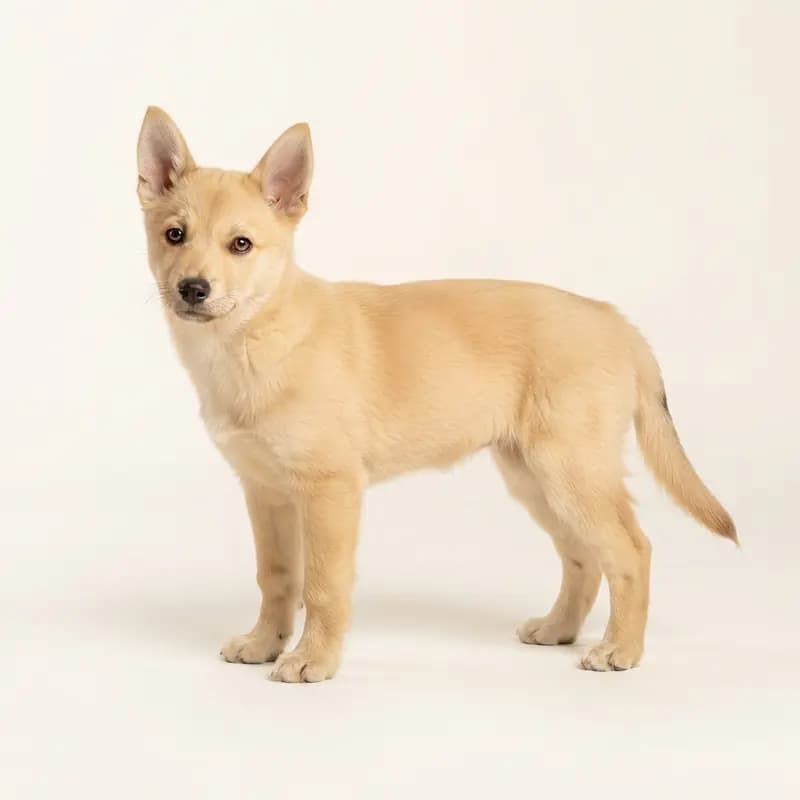 Illustrative image
The Norwegian Lundehund has a long history dating back to the 16th century, although some theories suggest this breed may be even older. Its origins lie in Norway, where it was bred specifically to hunt puffins (Norwegian: lunde) and their eggs on the steep cliffs of the Norwegian coast. The breed evolved with unique characteristics such as polydactyl paws and incredible agility to adapt to the challenges of hunting in the harsh terrain. While the Lundehund was widespread on the remote Norwegian islands such as Værøy and Lofoten, the decline in the puffin population and the introduction of nets for bird hunting meant that the Lundehunde were less needed. The breed was almost forgotten and was threatened with extinction. Fortunately, rescue efforts were made in the 1930s and 1940s. The Norwegian Lundehund was recognized as a separate breed in 1943.
The Norwegian Lundehund was bred to hunt puffins in rocky areas that are difficult to access.
Norway
1600
Many owners describe life with a Norwegian Lundehund as fascinating but also quirky. Within its closest family circle, this small Nordic breed is usually very affectionate, playful and gentle. Many owners are struck by its almost catlike agility at home: thanks to its very flexible joints, it likes to climb onto furniture, windowsills or other lookout spots to keep an eye on things.
At the same time, owners keep stressing that the Lundehund is not an easy dog you can keep on the side. It often stays cautious or even shy with strangers and warms up only slowly. Its strong alertness is another real everyday challenge: it reliably and persistently announces noises in the hallway or visitors, so owners need to work on the barking early to avoid conflicts in apartment buildings. Because these dogs bond so closely with their people, being left alone is often hard for them too, and it has to be built up in small steps.
Sources:zooroyal.dewelpen.deamba-versicherungen.dehundeportal24.euedogs.de
Owner training reports regularly warn against expecting unconditional obedience or a strong will to please from a Lundehund. Owners point out that the breed was developed as an independent hunting dog and always asks whether a command is worth its while. With these sensitive dogs, pressure or harshness quickly leads to insecurity or a stubborn shutdown; owners agree that the key to training success is a lot of patience, humor and positive reinforcement.
Outdoors, owners report a prey drive that shouldn't be underestimated, especially toward birds and small animals. Because the Lundehund is so nimble and such a good climber, walks in rough, hard-to-survey terrain can quickly become a real test of nerves. Reliable off-leash time therefore takes a lot of training, and many owners keep the dog on a long line in areas with lots of wildlife. Some owners also describe housetraining as a test of patience, since the breed sometimes takes longer than other dogs to get there.
Sources:edogs.demydog365.demit-tier.de
By far the most dominant and most discussed topic among owners and in breeding reports is health, above all Lundehund syndrome. This hereditary gastroenteropathy is a chronic, protein-losing intestinal inflammation that can take an insidious course. Experienced owners stress that recurring digestive problems such as diarrhea, vomiting, loss of appetite or edema must be checked by a vet right away, since in serious cases the disease is life-threatening.
For this reason, feeding often needs very careful management. Many owners use low-fat, highly digestible rations or special diets to stabilize the sensitive digestive tract. Committed owners agree that before getting a Lundehund, you have to take a close look at the breeding lines, the breed's small gene pool and the relevant genetic tests. If a Lundehund is spared this problem, it is otherwise considered a tough, weatherproof and long-lived outdoor dog.
Sources:welpen.dehundeportal24.eumydog365.demit-tier.depetwatch.blogspot.com
Paraphrased from real owner reports · translated from German
The Norwegian Lundehund is an active dog that needs plenty of exercise and mental stimulation. Research the temperament, grooming needs, and space requirements before deciding.
The average life expectancy of a Norwegian Lundehund is 12-14 years. With proper care and regular vet visits, your dog can live a long, healthy life.
Norwegian Lundehund grooming requirements include regular brushing, nail trimming, and dental care. HonestDog provides detailed grooming tips for every breed.
The Norwegian Lundehund can be a great family dog. Proper training and socialization are key. HonestDog provides family suitability information for every breed.
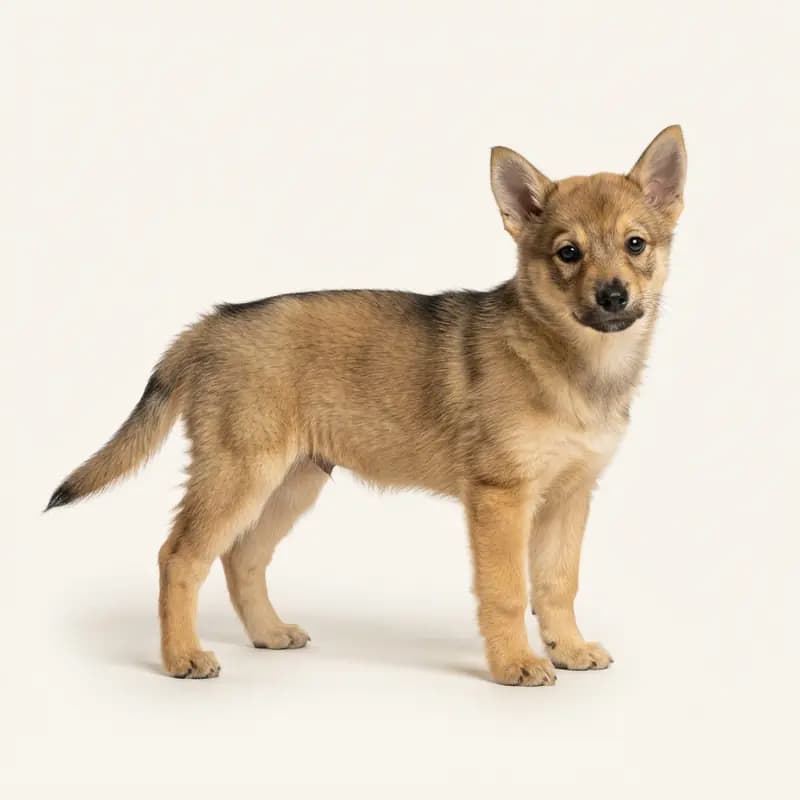
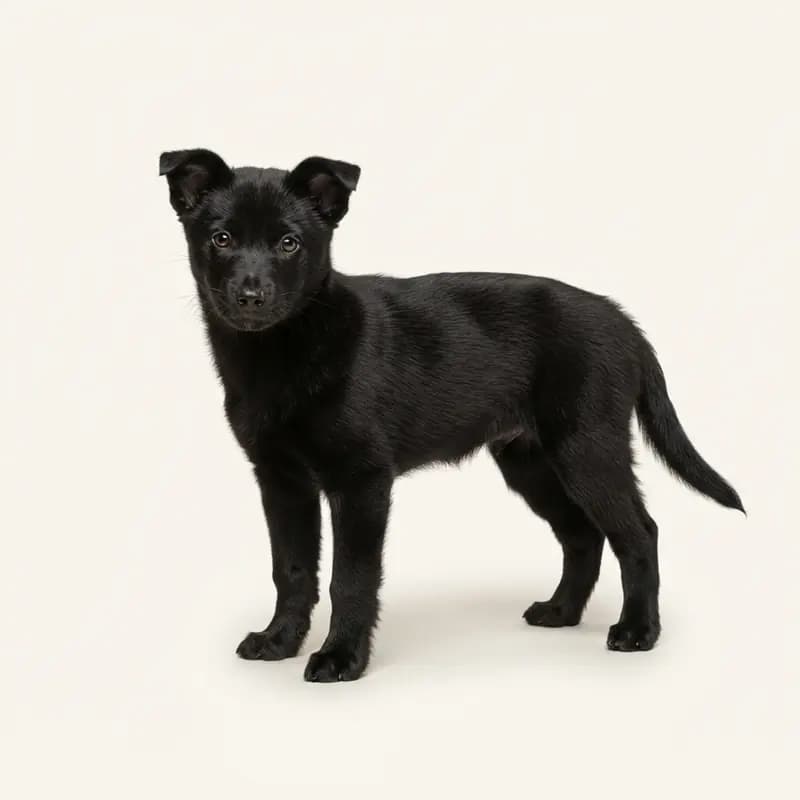
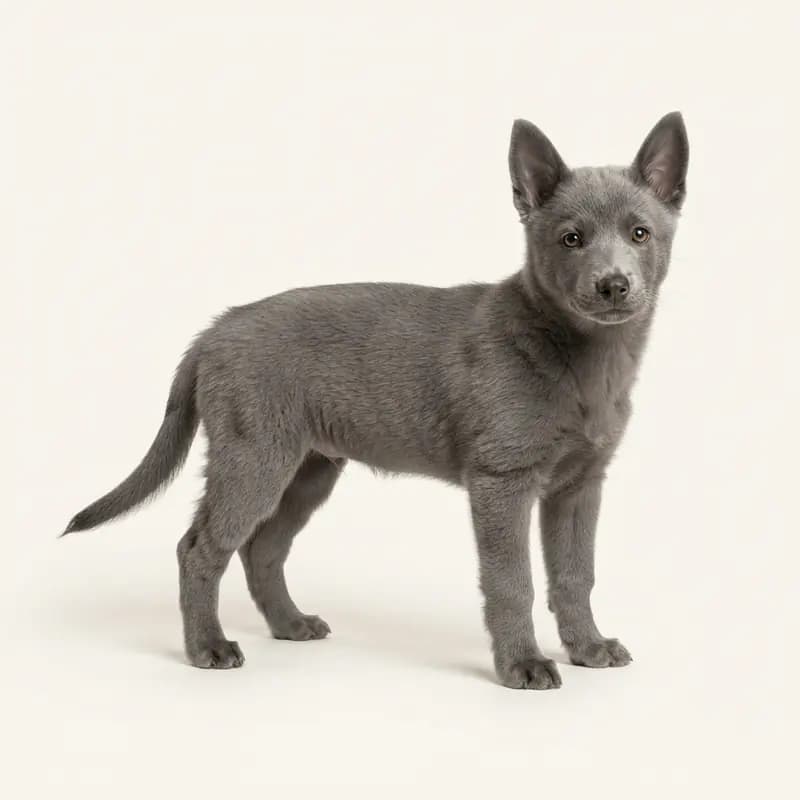
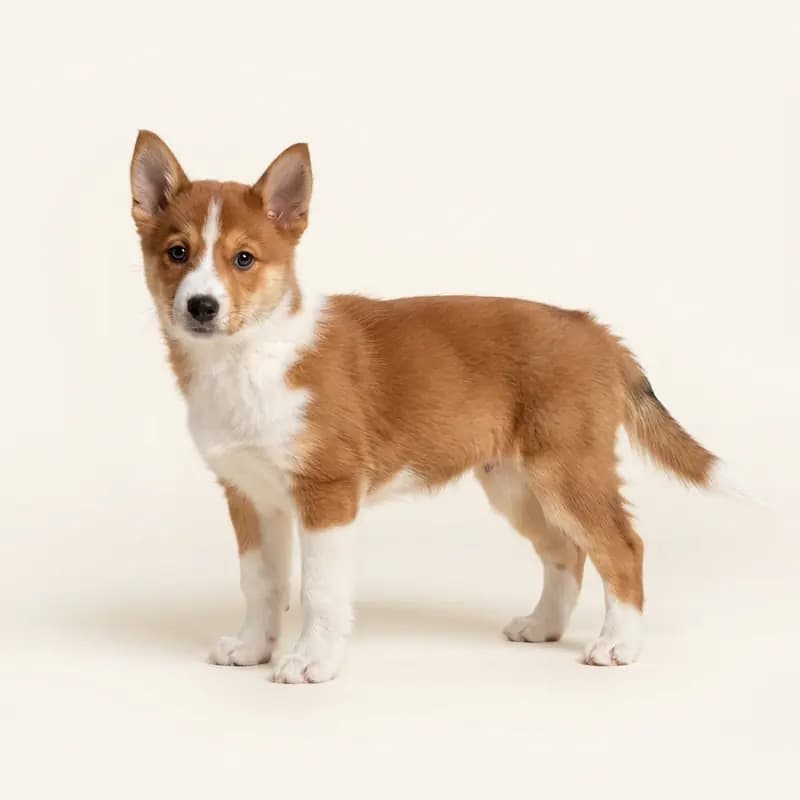
The Norwegian Lundehund comes in these colors: Red, Fawn, Sable, Black, Grey, Red and white, Black and white, White.
Showcase your kennel on HonestDog and reach families searching for a responsibly bred Norwegian Lundehund.