Continental BulldogSame FCI section
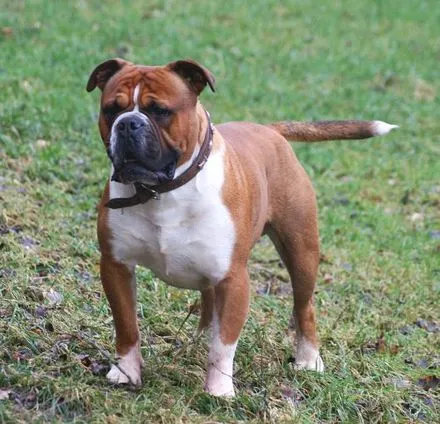
The Old English Bulldog is a powerful, loyal, and athletic bull-type dog—bred as a healthier, more agile throwback to the historical working bulldogs, though today they primarily aim to impress as charming, often stubborn family guardians.
Self-check
Answer 6 quick questions about your everyday life and see how well the Old English Bulldog fits you — including an honest cost estimate per month, per year, and across the dog's lifetime.
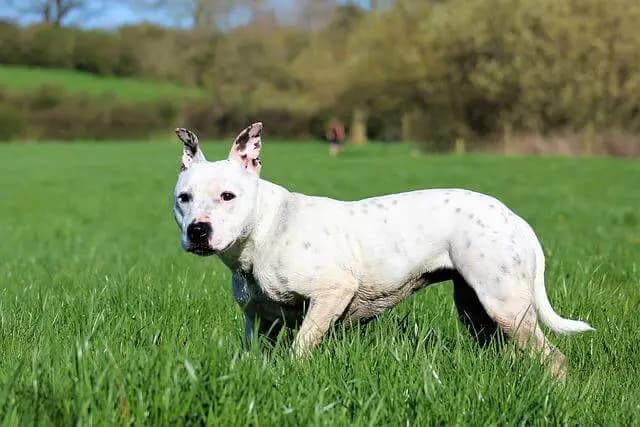
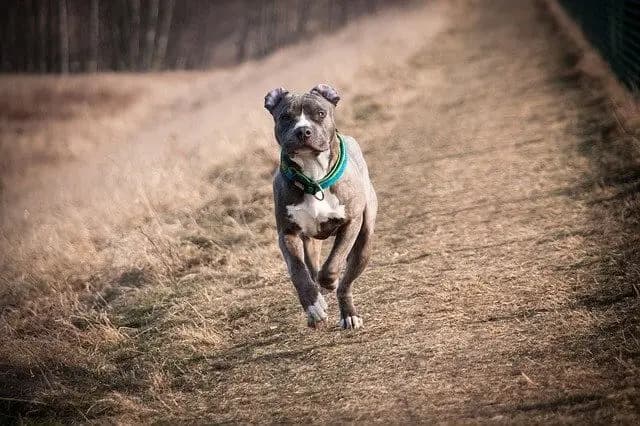
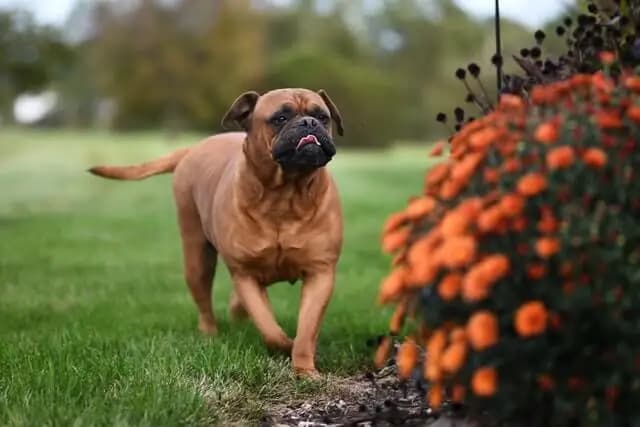
At a glance
The essentials — key facts, traits, and health priorities — before you dive deeper.
Lifespan
10–12 yrs
Shoulder height
40–51 cm
Weight
22–36 kg
Practical
Temperament
Daily life
What matters most
Especially with a Old English Bulldog, choosing the right breeder is the single most important decision you'll make. Serious breeders consistently test the parents for inherited conditions, prioritize healthy early socialization, and stay accountable long after handover. A cheap puppy without health screening tends to become the most expensive dog later on.
See HonestDog breeder standards →Colors & coat
The coat colors that occur in the Old English Bulldog — including which ones fall outside the breed standard and which carry genetic risk.
Eye colors
 Brown
BrownCoat type
 Short
Short Smooth
The real vibes check
An Old English Bulldog is like a good-natured bouncer: he radiates a massive presence and is not easily rattled as long as his family is safe. You aren't getting a dog that reads every wish from your eyes, but rather a strong-willed tank that will loyally follow your every step—often while snoring loudly.
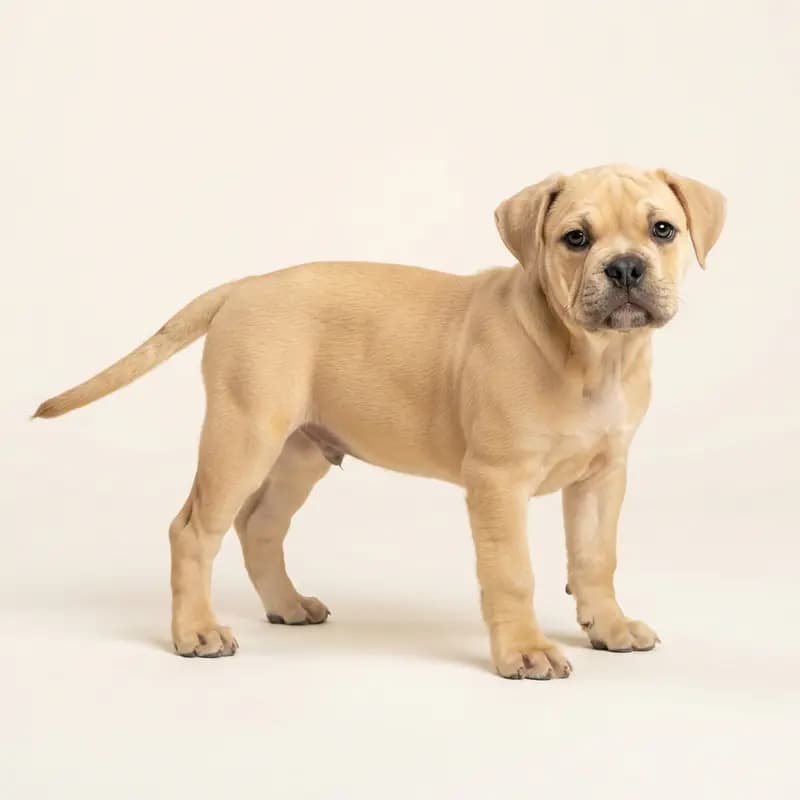
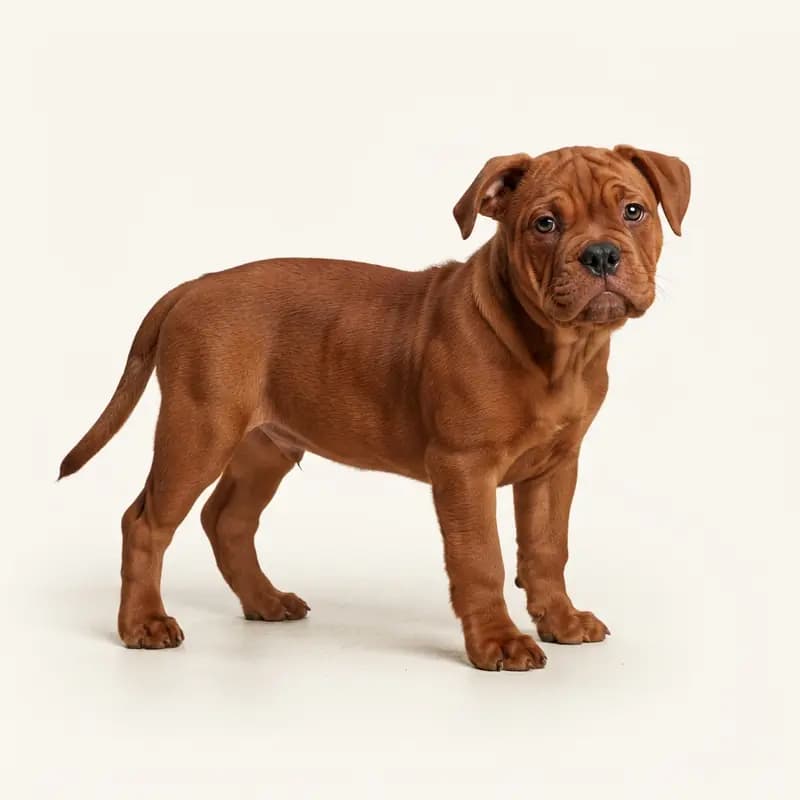
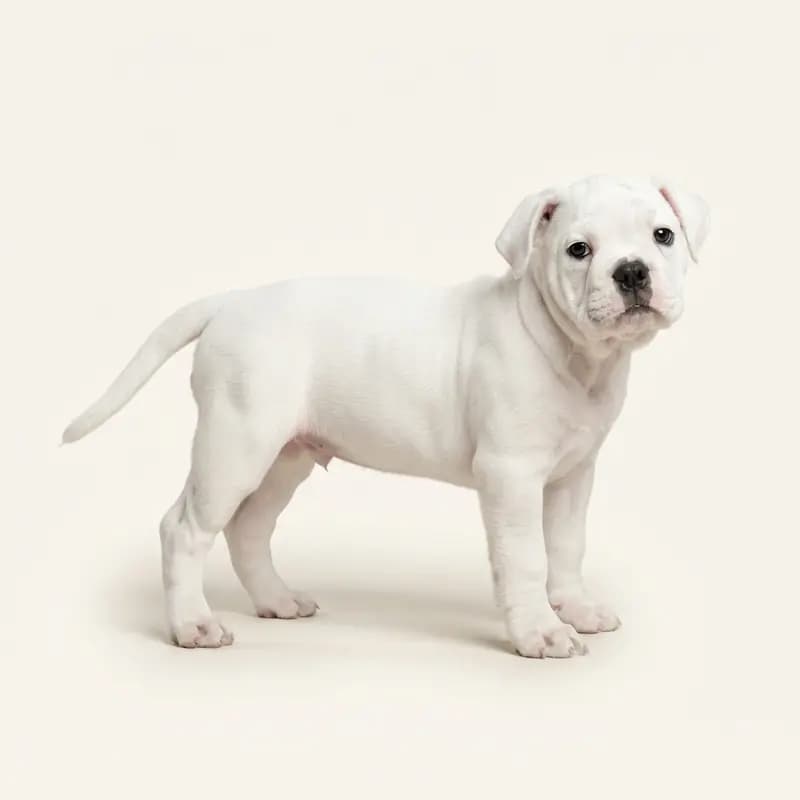
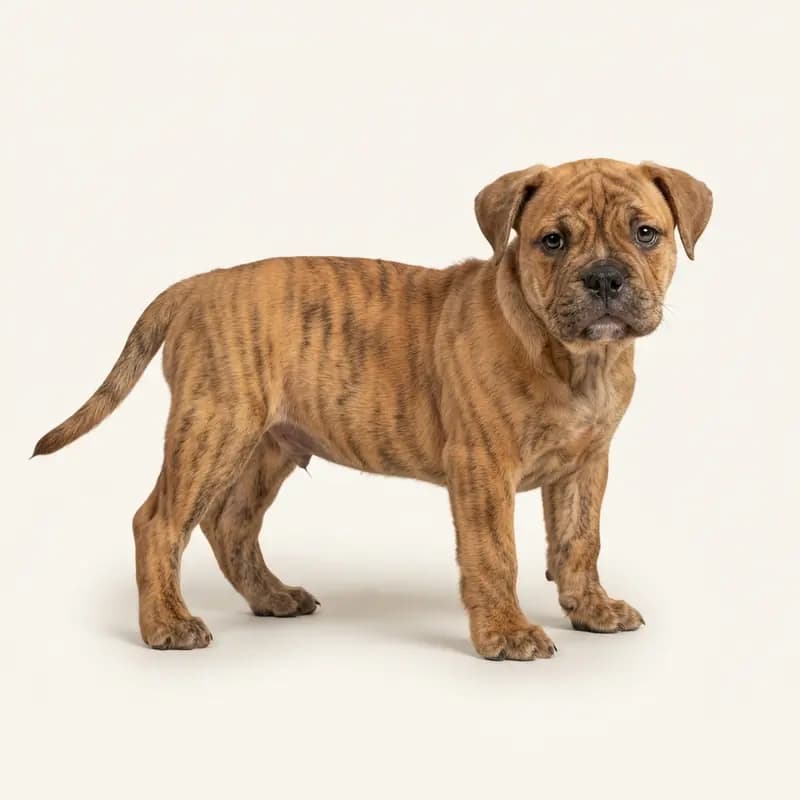
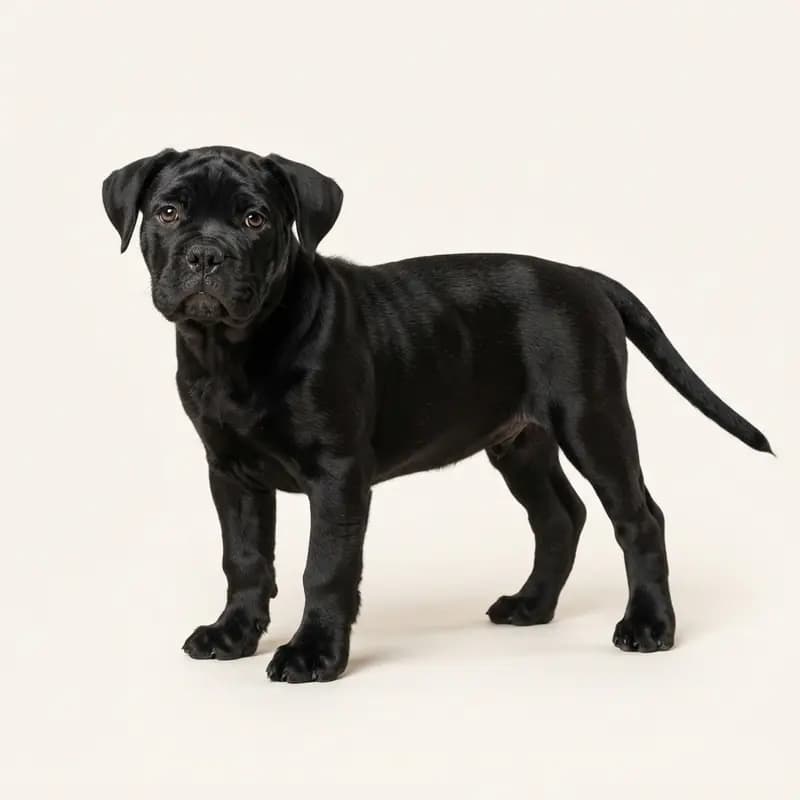
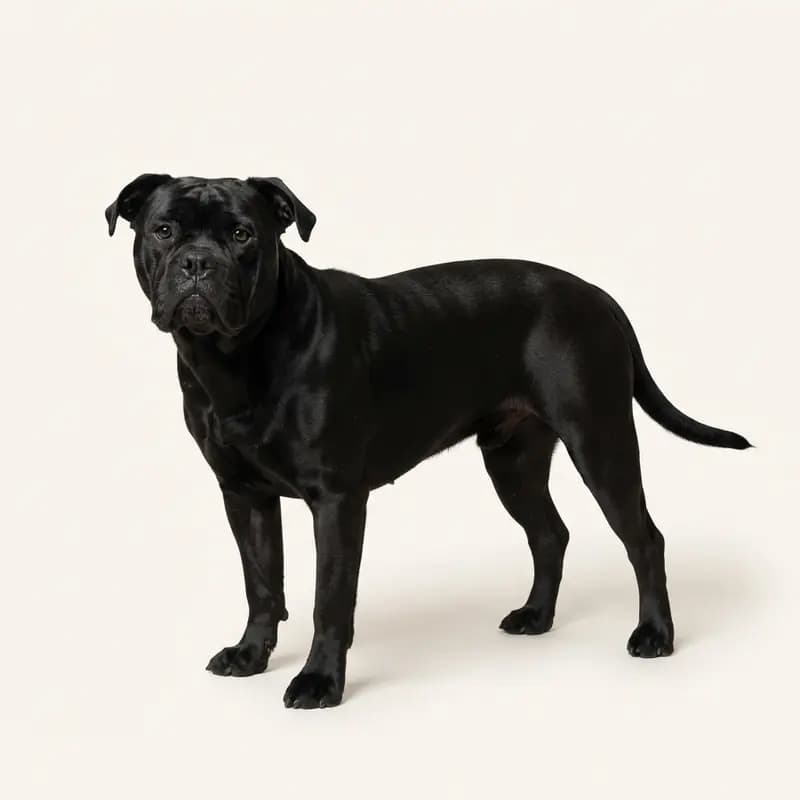
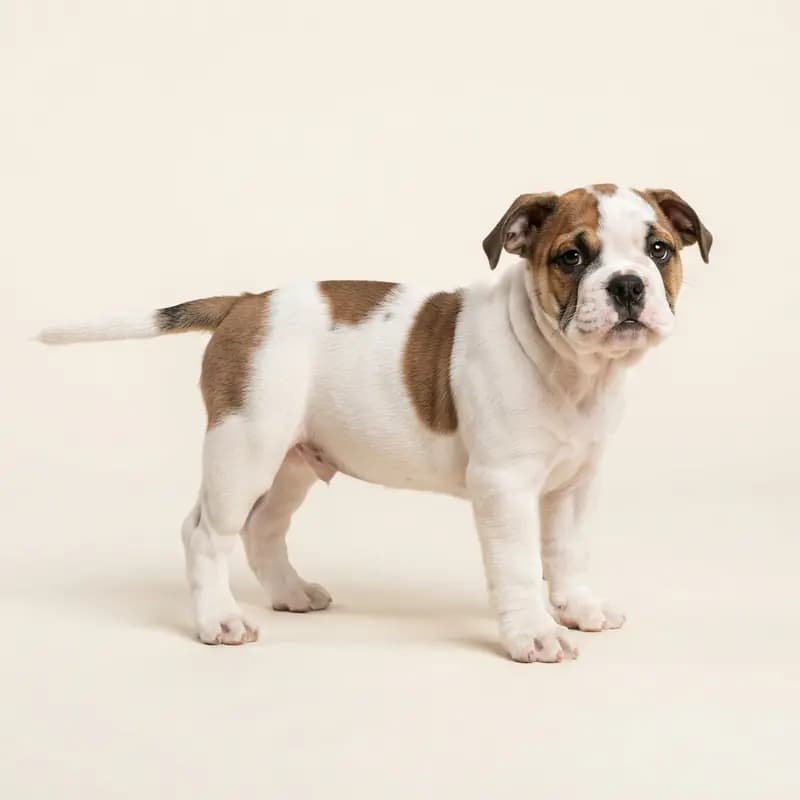
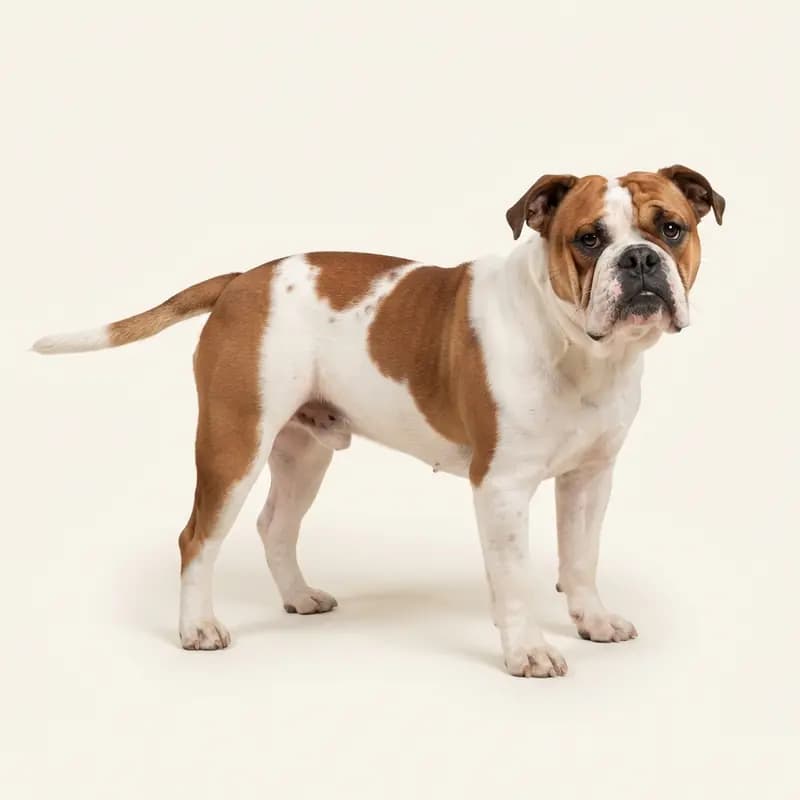
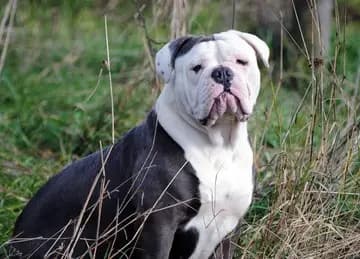
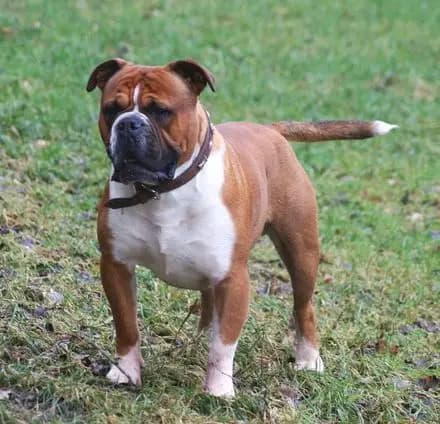
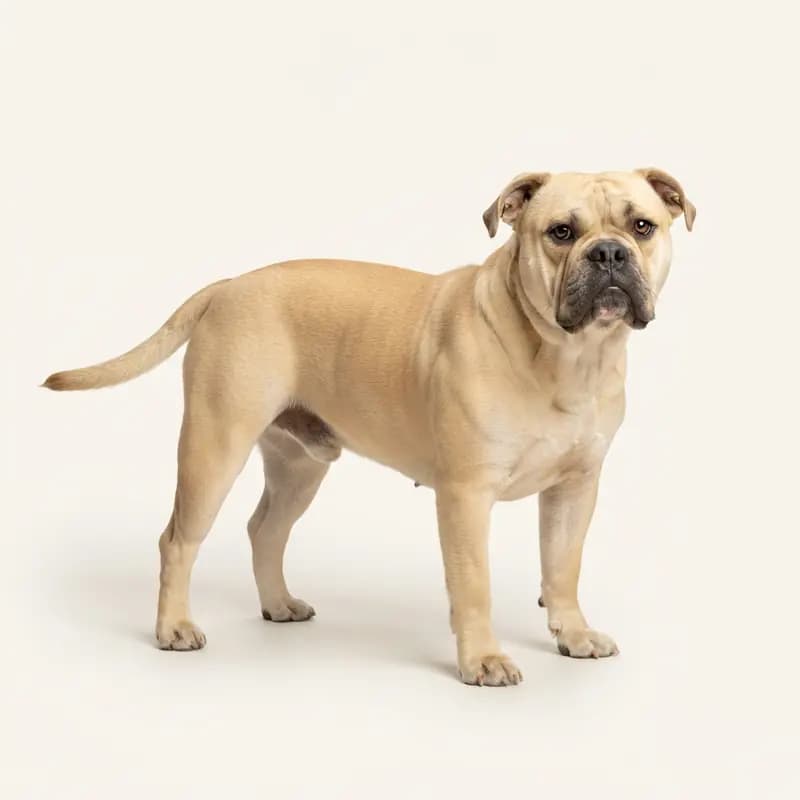
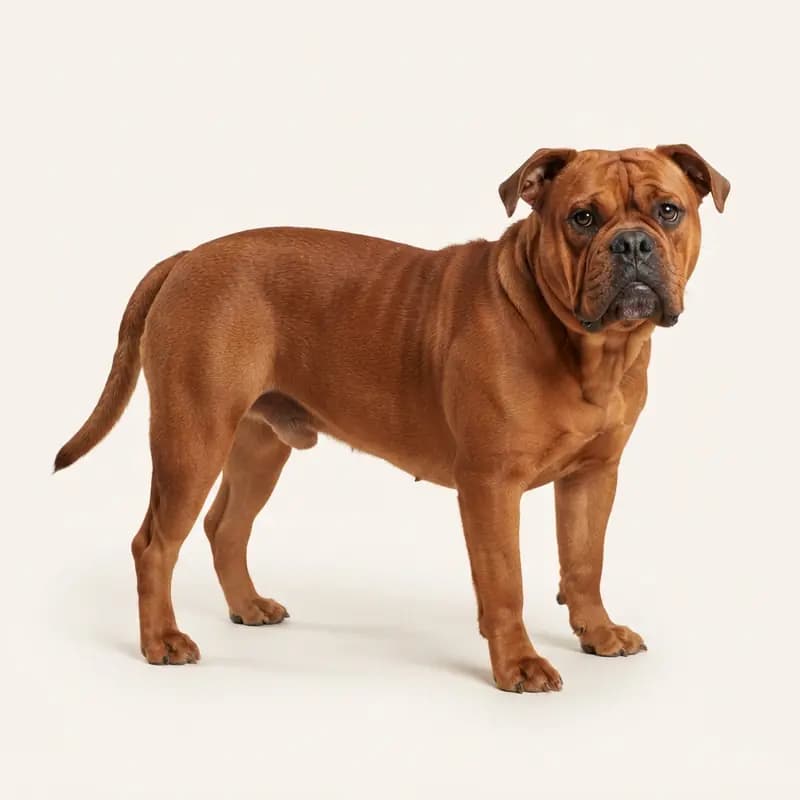
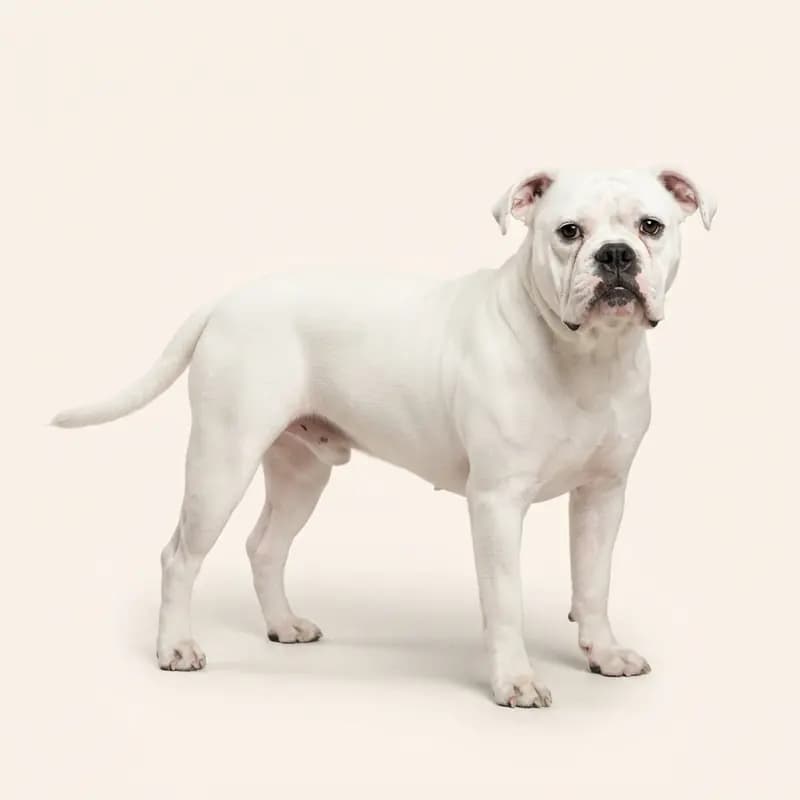
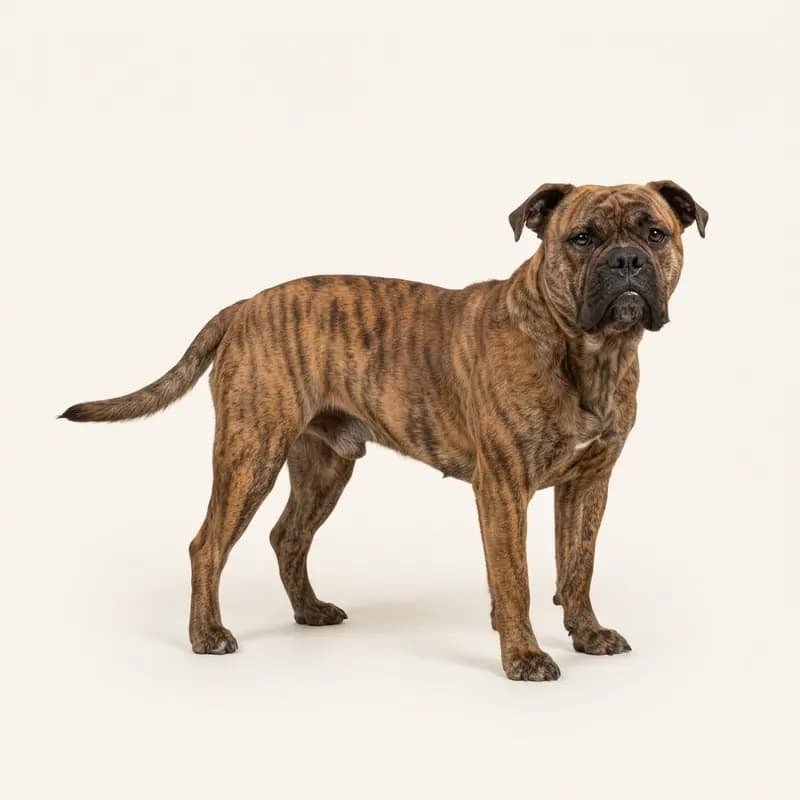
The Old English Bulldog is an imposing yet warm breed known for its strength and endurance, combined with a remarkably gentle and loving nature. The breed has a compact, muscular build with a wide, powerful head, pronounced cheek muscles and a pronounced lower jaw. The eyes are dark and set wide apart, while the ears are small and folded, usually worn in a rose or button shape. Their nose is wide and black with broad nostrils, while their neck is short and strong. The back is broad and straight, leading to a deep, broad chest. The tail is short and is carried either straight or slightly curved. The Old English Bulldog is not recognized by the FCI, but is recognized by the UKC, among others.
1. Despite their rugged appearance, Old English Bulldogs are surprisingly gentle and loving. They are known for their loyalty and devotion to their families and are particularly fond of children. They also tend to get along well with other pets as long as they have been properly socialized. Old English Bulldogs are very people-oriented and enjoy the company of their family. They are happiest when they are part of daily activities and may suffer from separation anxiety if left alone for long periods of time. Therefore, it is important to teach them early how to stay alone. In terms of temperament, Old English Bulldogs are lively and playful, but are not prone to hyperactivity. They enjoy a good game, but can also appreciate quiet moments and are usually content just being with their family. Although they were originally bred as fighting dogs, Old English Bulldogs generally do not have a strong hunting or prey drive. However, they may sometimes follow an interesting smell or chase a small, agile animal. Good recall and a certain degree of impulse control are therefore important. Old English Bulldogs can certainly be vigilant and protective of their family and territory, but they are generally not aggressive. They can bark when they notice something unusual, but with proper training and management, this behavior can be controlled. Although they are often viewed as guard dogs due to their robust appearance, Old English Bulldogs are primarily family dogs. They are loving, affectionate and enjoy spending time with their family, whether that is playing, going on walks or just cuddling on the couch. Their love and devotion to their people, along with their ability to enjoy both active and quiet activities, makes them a versatile breed that can adapt well to different lifestyles.
| Watchfulness Reports unusual activity but stays controlled. | Moderate |
| Openness to Strangers Warms up quickly and is generally welcoming. | Friendly |
| Hunting or Herding Drive Mild interest in movement and small animals — easily managed. | Low |
Fun Fact!
Although the name might suggest otherwise, the Old English Bulldog does not originate from England, but was bred in the USA to create a healthier version of the English Bulldog.
English bulldogs are one of the breeds that suffer greatly from breeding traits such as brachycephaly (short-headedness). The associated anatomy can cause, among other things, breathing difficulties and even shortness of breath. This suffering can only be alleviated through complex and expensive operations. The suffering of the dogs, the care required for humans and the veterinary costs are very high for many of these dogs.
Old English Bulldogs can be kept well in apartments and in the city as long as they get enough exercise. They are known for their friendliness towards children and other pets, including cats, as long as they have been properly socialized. However, they should always be left under supervision, especially when interacting with smaller animals.
Loves family life and thrives in a group.
Takes boisterous and affectionate children in its stride.
Usually gets on fine with other dogs.
Adapts well to city living and urban environments.
Owning a dog is a privilege, but it's also a real responsibility. Before you bring one into your life, be honest with yourself about the commitment it takes.
Old English Bulldogs are a very intelligent and willing to learn breed. They respond best to positive reinforcement and motivational training methods. It's important to start training and socialization early to have a well-behaved and happy dog. Old English Bulldogs can be prone to ball junkie development, so playing with balls and other toys should be controlled and not excessive. It is important that the dog learns frustration tolerance and impulse control. In addition, with this breed it is important to keep the training varied and interesting in order to avoid over-exertion. Although Old English Bulldogs are not suitable for high-level sports, they can certainly enjoy activities such as agility or obedience. These activities can also help strengthen the bond between dog and owner.
The Old English Bulldog can eat both dry and wet food. A balanced diet plan is important to avoid obesity, as the breed tends to gain too much weight. The exact amount and type of food can vary from dog to dog, depending on age, size, activity level and health status. Grooming an Old English Bulldog is relatively easy because they have a short, dense coat with no undercoat. They shed moderately, so regular brushing will help keep the hair in check. Particular attention should be paid to skin folds, which need to be cleaned regularly to avoid skin infections. The breed is well adapted to the climate in Germany and has no special requirements in terms of temperatures.
| Care Level Regular brushing and occasional professional grooming. | Moderate |
| Exercise Needs Needs 1–2 hours of real exercise daily. | Active |
| Shedding Regular shedding — dog hair on clothes is now normal. | Moderate |
| Trainability Has its own ideas and will test limits. | Strong-willed |
Our experts are still reviewing this information. Spotted something wrong? Email us at info@honestdog.de.
Elevated risks
Health grade
The Old English Bulldog has a high health risk, which is primarily characterized by Brachycephalic Obstructive Airway Syndrome (BOAS), Hip Dysplasia (HD), and Elbow Dysplasia (ED). A responsible breeder actively counteracts this and has their breeding dogs comprehensively tested to minimize these burdens. When buying a puppy, make sure that you are presented with official results for Brachycephalic Obstructive Airway Syndrome (BOAS) (limit: Grade 0 or 1), Hip Dysplasia (HD) (limit: B or better), and Elbow Dysplasia (ED) (limit: 0 or 1). In addition, the parent dogs should be tested for Patellar Luxation (PL) (limit: Grade 0 or 1) as well as via genetic tests for Hyperuricosuria (HUU), Cystinuria, and Degenerative Myelopathy, with the limit for genetic results being 'free or carrier' and a carrier only being mated with a free partner.
Grade is relative to other breeds — AI-assisted and editorially reviewed.
Methodology and data: HonestDog Dog Breed Health Report 2026
What matters most for this breed
Tap any item to see details.
Without conscious management of weight and exercise—such as through regular check-ups—health issues and veterinary costs can rise significantly later on.
Reputable breeders have hips and hearts tested and consistently prioritize clear airways to keep the dogs healthy and resilient for as long as possible.
Note: This health overview is AI-assisted and editorially reviewed. It is for orientation only and does not replace veterinary advice.
What matters most for this breed — what's common, how much it affects the dog's life, and how to protect yourself as a buyer.
Tap a body region to see the inherited conditions linked to it.
The three most important risks
Pick a region on the map to explore other areas.
We sort tests into three tiers — from the mandatory club standard to a fully exemplary program.
Club standard. Tests that the relevant breed club (VDH / FCI / AKC parent club) requires. Any serious breeder should be able to show you these.
No entries in this tier.
Note: This health overview is AI-assisted and editorially reviewed. It is for orientation only and does not replace veterinary advice.
A Old English Bulldog costs around ~€190 per month (€100 – €360, depending on your setup). The first year adds up to roughly ~€6,130 including purchase, equipment and puppy school; across the dog's life (11 years) it comes to about ~€29,130.
With surgery cover, running costs come to about ~€200 per month — in return, your share of a major operation drops from several thousand euros to around 20 percent.
Per month
~€190
In the first year
~€6,130
Across the dog's life
~€29,130
Estimated purchase price from a breeder: €2,000 – €4,000
Estimate at a mid-range setup (suburban, dry food, 1–2 hours of daily exercise), average German prices, as of July 2026.
 Illustrative image
 Illustrative image
 Illustrative image
 Illustrative image
The Old English Bulldog originated in England and was primarily used in the 19th century for bull-baiting, a now-banned practice in which dogs were pitted against bulls in the ring. Following the prohibition of this practice in 1835, the breed's popularity declined sharply as its fighting abilities were no longer required. The breed as we know it today was revived in the 1970s by David Leavitt, who set out to breed a healthier, more functional bulldog. To achieve this, he crossed English Bulldogs with other breeds such as the American Pit Bull Terrier, the Bullmastiff, and the American Bulldog. The result was the Old English Bulldog, a breed that retained the characteristic bulldog appearance but was significantly more athletic, healthier, and active than its English ancestors. Although the breed is not yet recognized by the FCI, it is acknowledged by many other kennel clubs, such as the United Kennel Club (UKC).
Companion dog, guard dog
USA
1971
Owners consistently describe the Olde English Bulldogge as very affectionate, cuddly and people-oriented in family life. Many owners lovingly call their dogs devoted "shadows" that would follow their people everywhere and insist on long cuddle sessions on the sofa. At home they're usually considered pleasantly calm and undemanding; they sleep a lot and are patient and good-natured with children.
At the same time, forum posts point out that these dogs often underestimate their own bulk. Their joy and playfulness often come out in a boisterous, clumsy way: visitors tend to get greeted with full body contact, which can easily be overwhelming coming from a compact powerhouse of 25 to 35 kilograms. On top of that come typical bulldog quirks you have to accept in daily life: many owners report, tongue in cheek, very heavy snoring, drooling after drinking and an occasional tendency to be watchful at the front door or garden fence.
Sources:forum.hund.infohey-fiffi.comhundeforum.comfressnapf.de
Experienced owners agree on training: the breed comes with a noticeable dose of willfulness and stubbornness. Owners keep describing "selective deafness," where commands first get weighed for whether they make sense. Harshness or blind drilling gets you nowhere with this bulldog; it often just turns stubborn. Training works best with calm, unshakable consistency paired with high motivation and food rewards.
Compatibility with other dogs is a recurring topic among owners. While the Old English Bulldog is usually no problem within its own household, some dogs, especially sexually mature males, tend toward dominance displays or leash reactivity with unfamiliar dogs. Other dogs also often misread the bulldogs' fairly direct, physical play style. Owners therefore stress how crucial early, structured socialization and a timely start at a skilled training school are for making this powerful dog manageable in everyday life.
Sources:forum.hund.inforeddit.comheyholy.comold-english-bulldog.dedogforum.de
In owner accounts on health, the breed is mostly described as clearly more agile, with more stamina and mobility than the classic English Bulldog. Even so, many owners qualify the picture of an entirely robust dog. Because the breed type still varies a lot depending on the pairing and bloodline, owners keep running into typical problems: allergies, food intolerances and recurring ear and skin-fold infections come up very often as expensive, never-ending issues.
The musculoskeletal system also needs attention. Because these dogs combine compact weight with high energy, some owners report joint problems in the hips and elbows (HD/ED), or even torn cruciate ligaments after abrupt stops during rough play. In addition, many dogs cope worse with muggy summer days than leaner breeds, despite their longer muzzle. Owners therefore strongly urge prospective buyers to vet breeders very critically for official X-ray results on the parents and free breathing, to avoid nasty surprises at the vet.
Sources:hey-fiffi.comheyholy.comhunde-krankenversicherung24.dehundeforum.com
Paraphrased from real owner reports · translated from German
The Old English Bulldog is an adaptable dog that adjusts well to various lifestyles. Research the temperament, grooming needs, and space requirements before deciding.
The average life expectancy of a Old English Bulldog is 10-12 years. With proper care and regular vet visits, your dog can live a long, healthy life.
Old English Bulldog grooming requirements include regular brushing, nail trimming, and dental care. HonestDog provides detailed grooming tips for every breed.
The Old English Bulldog can be a great family dog. Proper training and socialization are key. HonestDog provides family suitability information for every breed.
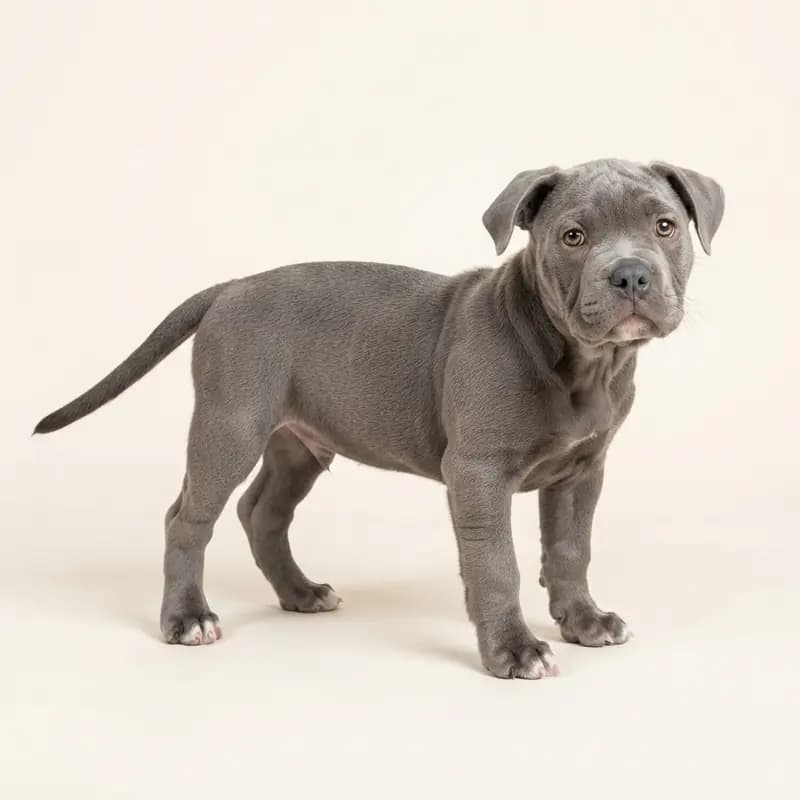
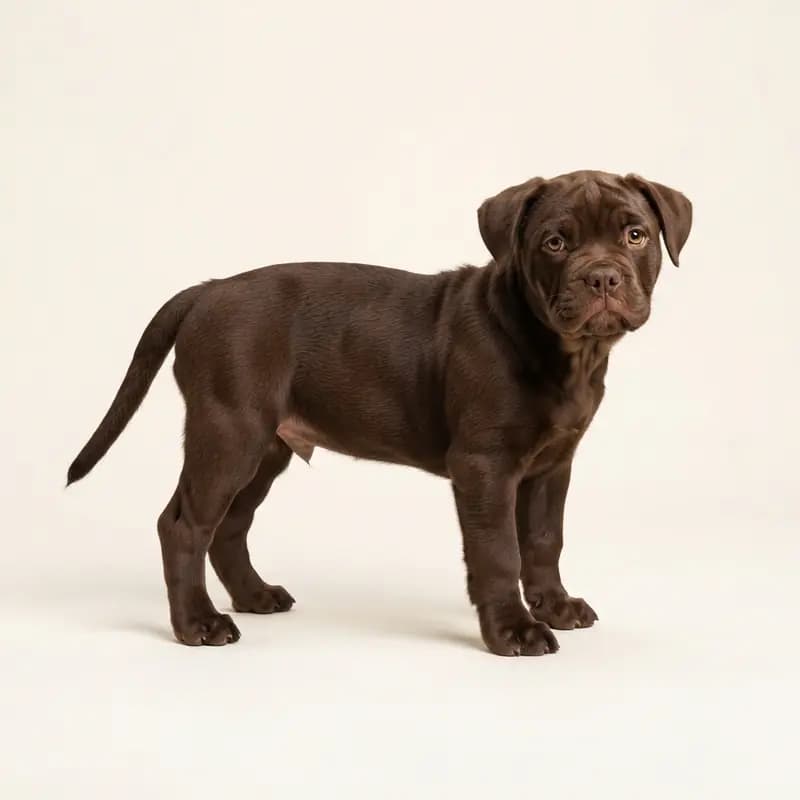
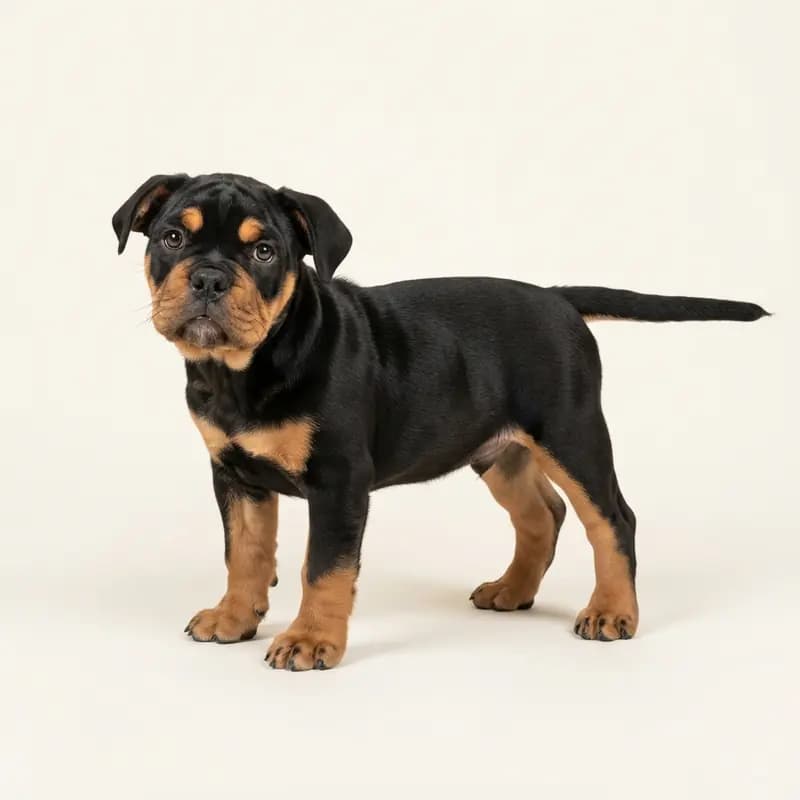
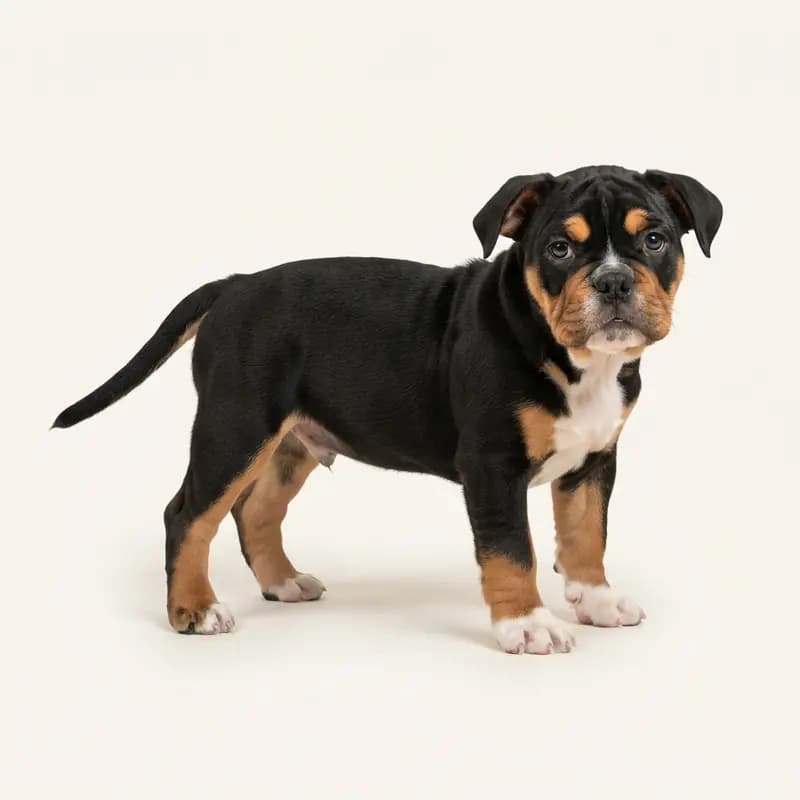
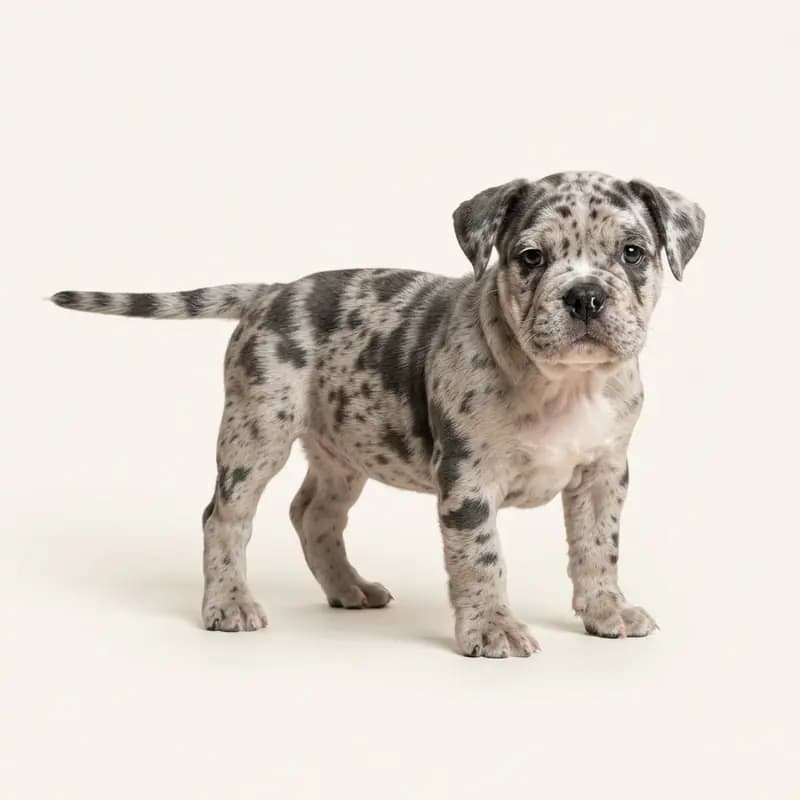
The Old English Bulldog comes in these colors: Fawn, Red, White, Brindle, Black, Piebald, Blue, Chocolate, Black and tan, Tricolor, Merle. Colors that fall outside the breed standard are marked as such on the breed page.
Showcase your kennel on HonestDog and reach families searching for a responsibly bred Old English Bulldog.