German ShepherdClose relative
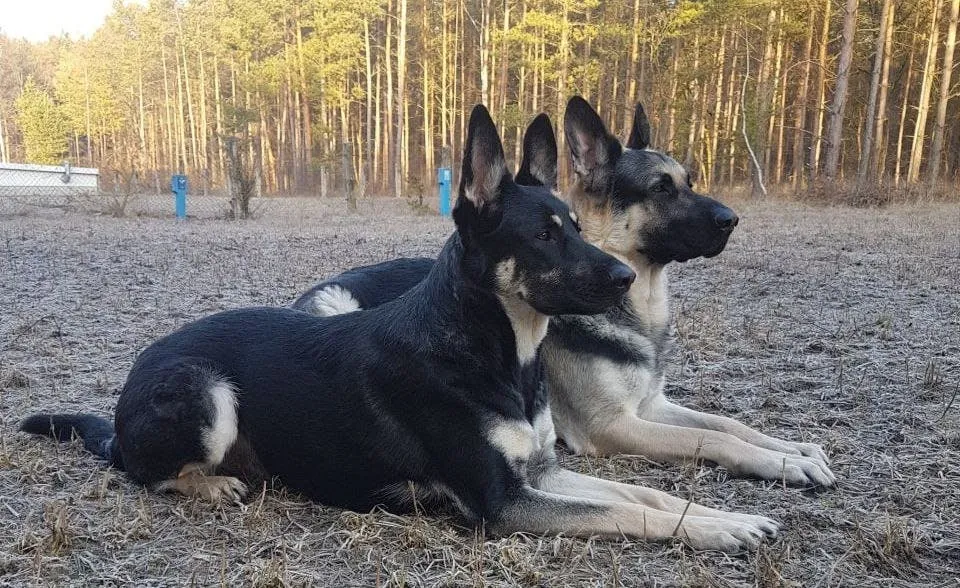
The East European Shepherd is a steady-nerved, extremely loyal protector—bred as a robust service and guard dog for military operations under extreme climatic conditions. He is calm and self-assured, but if he detects a threat, he acts without compromise.
Self-check
Answer 6 quick questions about your everyday life and see how well the East European Shepherd fits you — including an honest cost estimate per month, per year, and across the dog's lifetime.
At a glance
The essentials — key facts, traits, and health priorities — before you dive deeper.
Lifespan
10–14 yrs
Shoulder height
62–76 cm
Weight
30–60 kg
Practical
Temperament
Daily life
What matters most
Especially with a East European Shepherd, choosing the right breeder is the single most important decision you'll make. Serious breeders consistently test the parents for inherited conditions, prioritize healthy early socialization, and stay accountable long after handover. A cheap puppy without health screening tends to become the most expensive dog later on.
See HonestDog breeder standards →Colors & coat
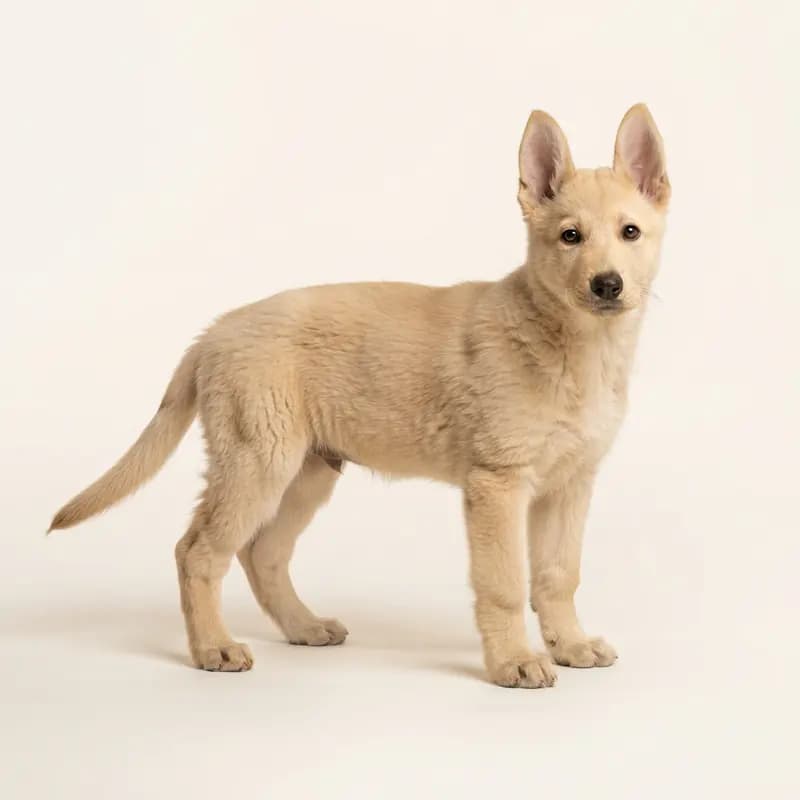
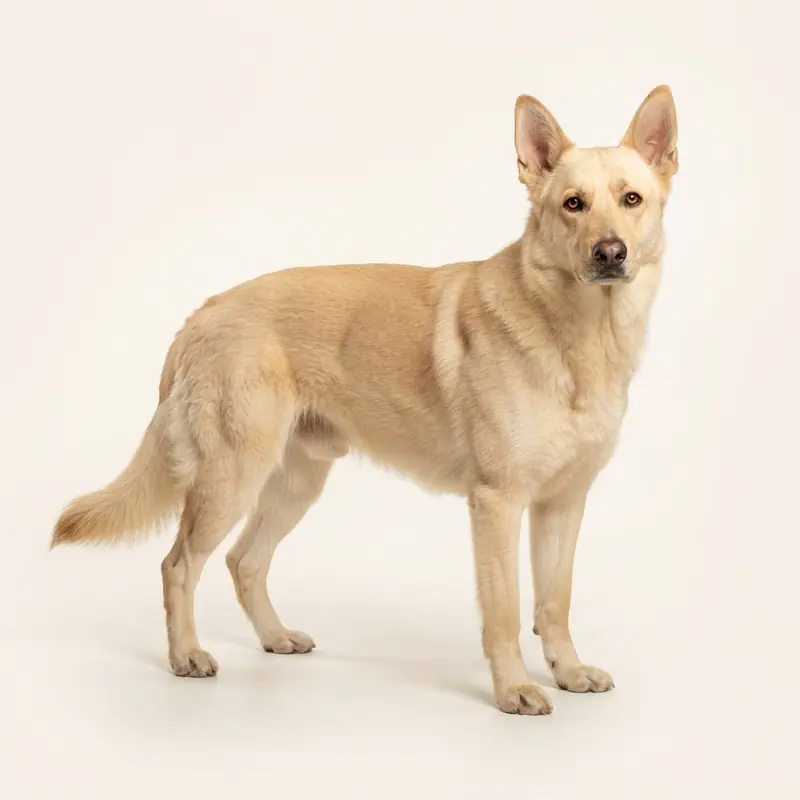
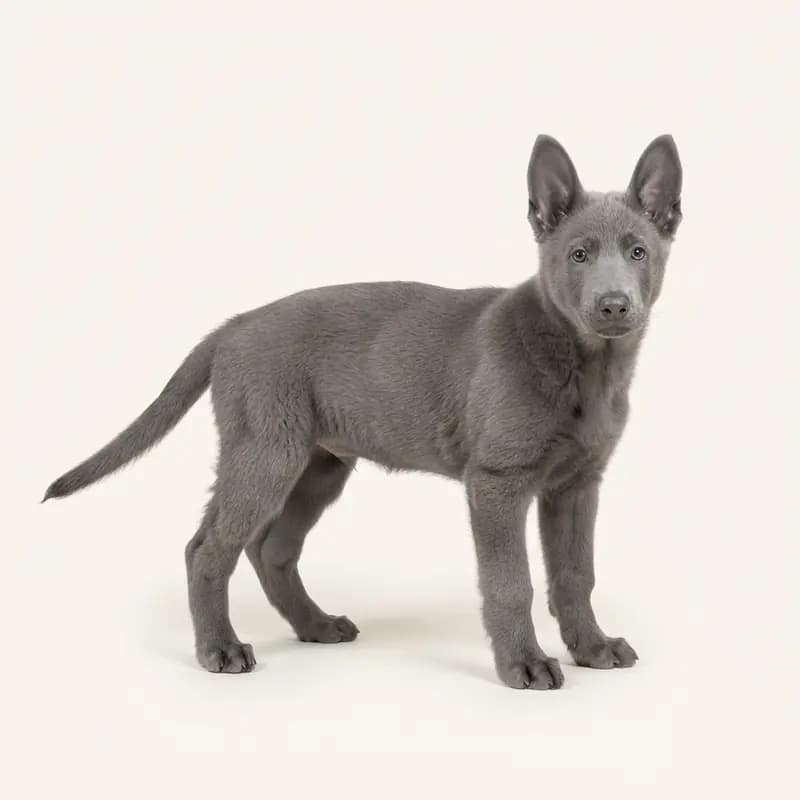
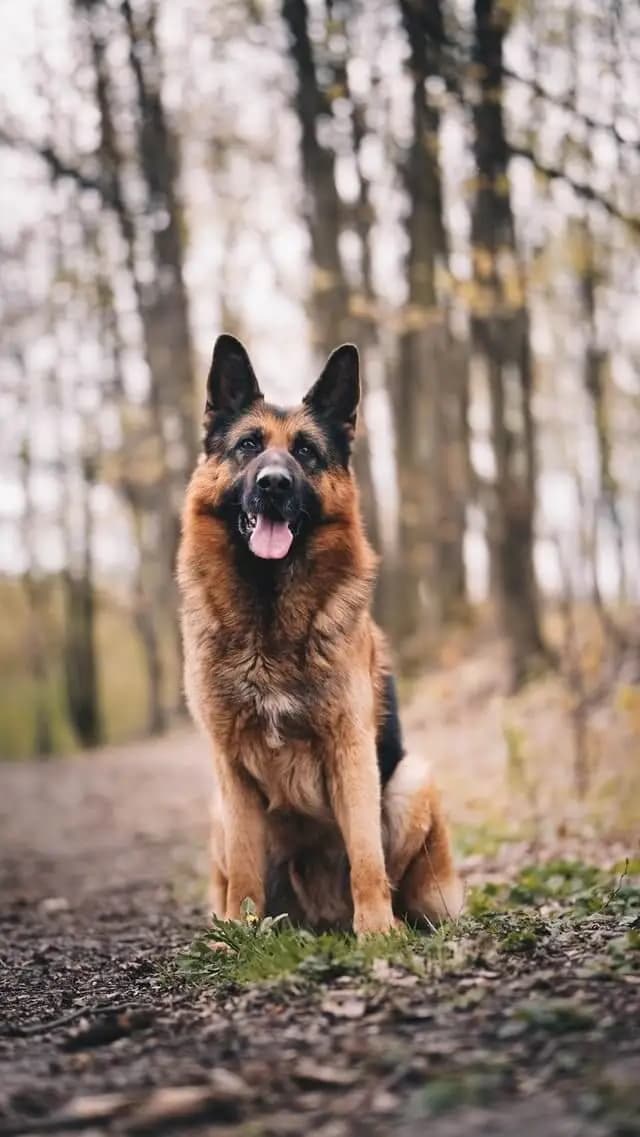
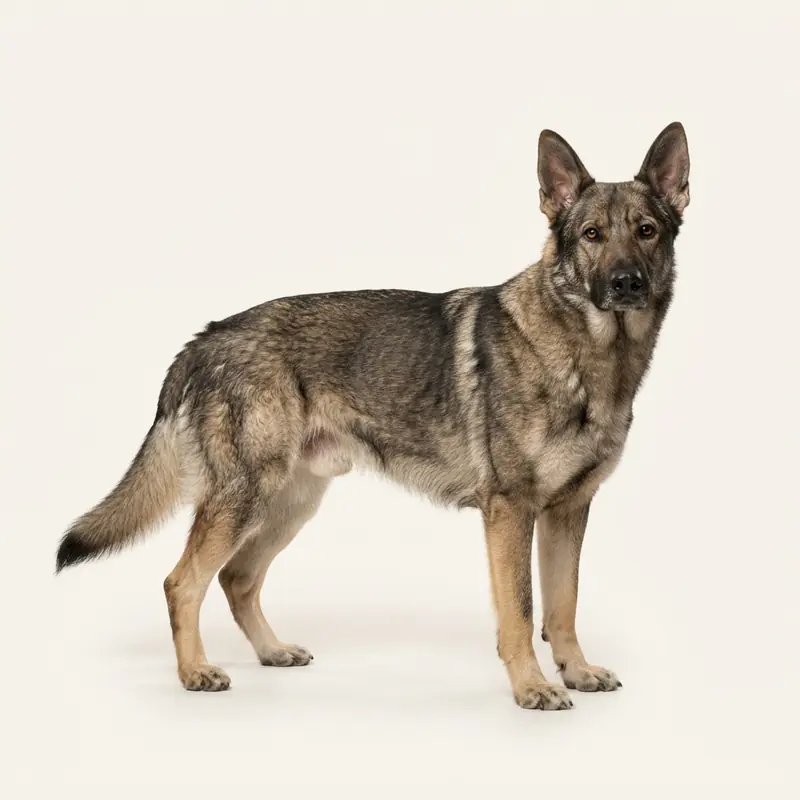
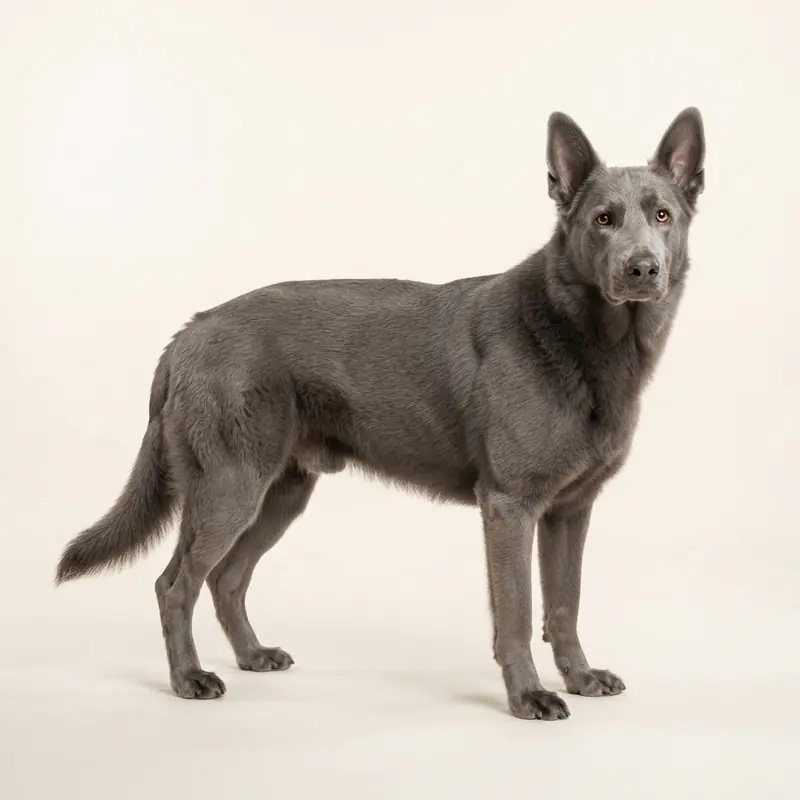
The coat colors that occur in the East European Shepherd — including which ones fall outside the breed standard and which carry genetic risk.
Eye colors
 Brown
Coat type
 Medium
 Double coat
The real vibes check
An East European Shepherd is like a highly qualified bodyguard: he appears calm and inconspicuous in everyday life, but is constantly scanning his surroundings. You aren't getting a playful clown, but a serious colleague who would walk through fire for you—provided you prove to him every day that you are the more capable team leader.
The East European Shepherd is a large and muscular dog with an impressive presence. Its frame is longer than it is tall, giving it an elegant yet robust appearance. The breed is not recognized by the FCI, but is considered a sheepdog and herding dog. A special feature of this breed is its immense strength and endurance, which make it an ideal working dog. Compared to other shepherd dogs, the Eastern European Shepherd is slightly larger and heavier, which gives it an imposing appearance. Its expression is alert and intelligent, with dark, almond-shaped eyes and erect ears signaling its alertness and readiness. Its tail is long and is carried hanging when at rest, but can be raised when excited.
The East European Shepherd is an excellent working dog known for its intelligence, loyalty and strong work ethic. His persistent and alert temperament makes him a reliable herding and protection dog. Despite his willingness to work, the East European Shepherd is also a very people-oriented dog that builds a close bond with his owner and his family. He is a loyal and vigilant companion who protects his family with great devotion. This dog loves to learn and is very easy to train thanks to its high level of comprehension. His curiosity and eagerness make him an excellent candidate for various types of work, including herding, protection work, search and rescue tasks, and even as a therapy dog. Like many herding dogs, the Eastern European Shepherd Dog also has a natural hunting instinct, which can, however, be controlled with good training. His intelligence and alertness make him an excellent watchdog. He is always alert and ready to protect his territory and family. However, despite his size and strength, he is not an aggressive dog and is not prone to biting or barking without reason. This dog should be taught to stay alone at an early age, as he may have problems with separation anxiety due to his strong bond with his family. However, it is important to do this in a slow and positive process to avoid stress and anxiety. Although the East European Shepherd is an active and willing to work dog, he is not hyperactive and can adapt well to life in a quieter environment as long as he receives enough physical and mental stimulation. He is also able to regulate his energy well and will not be overly active or destructive around the home. The East European Shepherd is a courageous and confident dog who also has a gentle and patient side. He gets along well with children and can be a great playmate and protector for them. He also generally gets along well with other dogs and pets, although early and positive socialization is important to ensure he can get along with different types of people and animals. All in all, the Eastern European Shepherd is a versatile and loyal dog that excels as both a working dog and a family dog. With his endurance, intelligence and loyalty, he is a formidable companion who forms a strong bond with his family and is willing to do anything for them.
| Watchfulness Strong territorial instinct — may actively confront intruders. | Very high |
| Openness to Strangers Careful around unfamiliar people — thaws slowly. | Cautious |
| Hunting or Herding Drive Powerful instinct that can override recall when triggered. | Strong |
Fun Fact!
Despite their size and strength, Eastern European Shepherds are known for being as quiet on their paws as a cat - a skill that was greatly valued in their original role as herding dogs.
The East European Shepherd is a robust and hardworking dog, especially bred for protection and guard duties. It is characterized by its high resilience and pronounced protective instinct. These dogs require consistent training and sufficient activity to fully realize their potential. Despite their strong protective instinct, they are loyal and can also be kept as family dogs with proper guidance.
Eastern European Shepherd Dogs are also suitable as city dogs, as long as they get enough exercise and activity. They are patient with children and can be easily integrated into an active family. Cats and other pets are generally well accepted as long as positive socialization occurs early on.
Gets on well with different people and varying routines.
Fine with calm, respectful children — not small tornadoes.
Usually gets on fine with other dogs.
Can manage in the city, but only with very active owners.
Owning a dog is a privilege, but it's also a real responsibility. Before you bring one into your life, be honest with yourself about the commitment it takes.
Raising an Eastern European Shepherd Dog is usually a pleasure due to its high intelligence and willingness to learn. However, one should not forget that this breed was originally bred for work and therefore requires a clear structure and a lot of mental and physical exercise. Activities such as mantrailing, agility or obedience can provide an excellent opportunity to develop the natural talents of this breed of dog. It can be important that your dog also learns frustration tolerance and impulse control in order to find his way around the respective disciplines. However, excessive demands or constant pushing should be avoided in order to prevent developing a ball junkie or general hyperactivity. However, the nice thing about the Eastern European Shepherd Dog is that it is also able to enjoy times of rest and does not need to be constantly in action.
An Eastern European Shepherd is uncomplicated in many ways, which is also reflected in his diet. A balanced, high-quality diet is of course essential. This breed is not prone to allergies or food intolerances, but you should pay attention to a balanced diet that is not too high in protein to prevent joint problems. When it comes to grooming, the Eastern European Shepherd Dog copes well with the German climate with its thick undercoat and hard top coat. However, he sheds quite heavily, especially during the coat change in spring and autumn. Regular brushing is therefore essential to keep the coat healthy and shiny and to keep the hair in your home in check.
| Care Level Regular brushing and occasional professional grooming. | Moderate |
| Exercise Needs Needs several hours of serious exercise every day. | Very active |
| Shedding Hair everywhere, always — no white clothing survives. | Very heavy |
| Trainability Bred to work closely alongside humans. | Highly trainable |
Our experts are still reviewing this information. Spotted something wrong? Email us at info@honestdog.de.
Solid, watch carefully
Health grade
In the East European Shepherd, there are breed-typical risks for hip dysplasia (HD), elbow dysplasia (ED), and severe degenerative myelopathy. A responsible breeder therefore has their breeding animals thoroughly examined beforehand and only mates carriers of hereditary diseases with clear partners. Ask to see the official X-ray results showing that the values HD A–B and ED 0–1 are met. Also ask for DNA certificates for degenerative myelopathy, pituitary hormone deficiency (POU1F1), and hyperuricosuria (HUU), which prove that both parents are clear or that at most one partner is a carrier.
Grade is relative to other breeds — AI-assisted and editorially reviewed.
Methodology and data: HonestDog Dog Breed Health Report 2026
What matters most for this breed
Tap any item to see details.
Without conscious weight management and good preventative care—such as regular check-ups—health issues and veterinary costs can increase significantly later on.
Reputable breeders have hips, elbows, and backs examined and use appropriate DNA tests to minimize known risks as much as possible and keep the dogs resilient for a long time.
Note: This health overview is AI-assisted and editorially reviewed. It is for orientation only and does not replace veterinary advice.
What matters most for this breed — what's common, how much it affects the dog's life, and how to protect yourself as a buyer.
Tap a body region to see the inherited conditions linked to it.
The three most important risks
Pick a region on the map to explore other areas.
Tier 1 is the recommended health standard for this breed. Tiers 2 and 3 show how responsible breeders go beyond.
Recommended standard. These tests make up the recommended health standard for this breed — the baseline of any careful breeding program. Ask any reputable breeder for the results.
No entries in this tier.
Note: This health overview is AI-assisted and editorially reviewed. It is for orientation only and does not replace veterinary advice.
A East European Shepherd costs around ~€220 per month (€110 – €420, depending on your setup). The first year adds up to roughly ~€5,450 including purchase, equipment and puppy school; across the dog's life (12 years) it comes to about ~€34,280.
With surgery cover, running costs come to about ~€230 per month — in return, your share of a major operation drops from several thousand euros to around 20 percent.
Per month
~€220
In the first year
~€5,450
Across the dog's life
~€34,280
Estimated purchase price from a breeder: €1,500 – €2,500
Estimate at a mid-range setup (suburban, dry food, 1–2 hours of daily exercise), average German prices, as of July 2026.

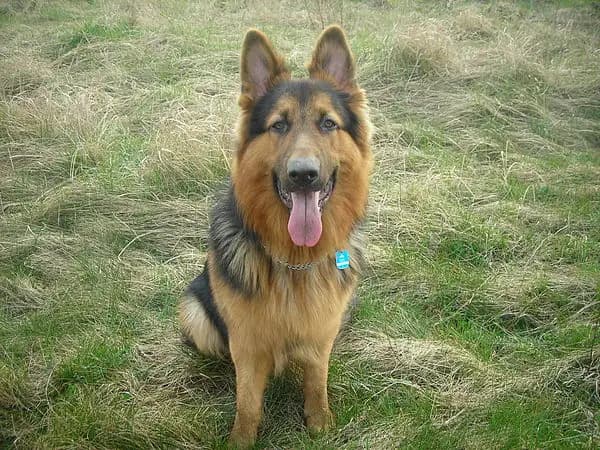
 Illustrative image
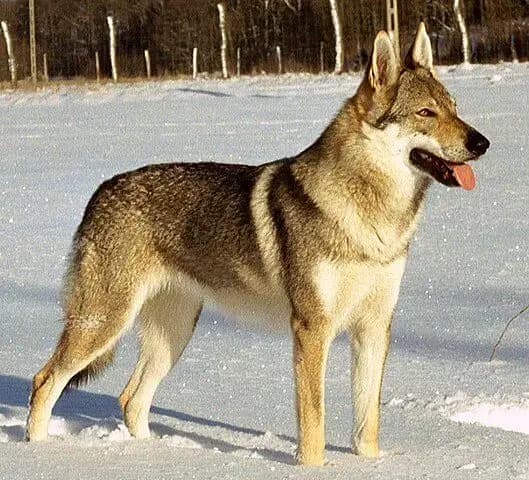
 Illustrative image
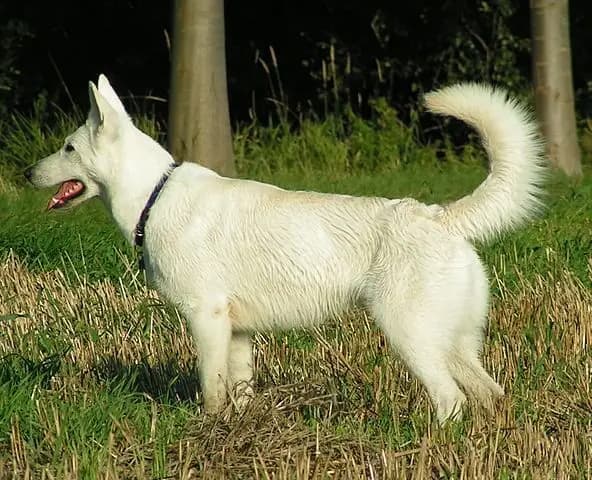
 Illustrative image
 Illustrative image
The history of the Eastern European Shepherd Dog is closely linked to that of the German Shepherd Dog. They were originally bred from German Shepherds in Russia and other Eastern European countries to create a hardy working dog adapted to harsher climates. This new breed was then used primarily by the army, police and as search and rescue dogs. Breeding of the Eastern European Shepherd Dog began in the 1920s and aimed to create a dog capable of performing heavy work and withstanding the extreme weather conditions of Eastern Europe. Over the years, the breed has been constantly developed and improved, with particular emphasis on health, working ability and a balanced character. The breed was recognized by the Russian Cynological Organization in 2014 and is also recognized by some other international dog associations, although it has not yet been officially recognized by the FCI.
The East European Shepherd was bred as a service dog for military and police duties as well as a guard dog.
Russia
1900
Many owners describe the East European Shepherd (VEO) as a very pleasant, steady-nerved and balanced companion at home. Compared directly with the modern German Shepherd, owners often point out that it seems much less fidgety indoors and has a remarkable inner calm. With its own family, and especially with children, it's usually very patient, affectionate and gentle.
At the same time, owners stress that this dog is by no means an easy companion for just anyone. Its natural protective drive and territorial behavior run deep. It usually meets strangers with reserve and watchfulness; when strangers come onto the property, it reliably announces them and takes the situation seriously. Anyone looking for a dog that always greets visitors happily or makes an outgoing playmate at busy dog parks will often find this breed a challenge. Owners report that clean handling and setting boundaries early are essential in daily life, so the dog doesn't decide on its own whom it needs to keep in check.
Sources:das-schaeferhund-forum.dehundeforum.comzooplus.deostveo01.ucoz.com
Owner accounts on training regularly praise the breed's quick understanding and willingness to work. The East European Shepherd learns very fast, picks up on moods easily and wants to build a close bond with its person. Many dogs show strong concentration and stamina, especially in tracking, obedience or protection sports.
On the other hand, experienced owners warn against underestimating what it takes to handle this powerful working dog. If the owner lacks composure, clarity or consistency, the breed tends to take charge of situations itself. Harshness or rough punishment, however, are described as completely counterproductive, since they do lasting damage to trust. Another frequently mentioned point is getting along with unfamiliar dogs: many owners find that their adult dogs have little interest in strange dogs and can show clear dominance or leash aggression in poorly matched encounters, so calm, neutral behavior has to be worked on intensively from puppyhood.
Sources:zooplus.deostveo01.ucoz.comdas-schaeferhund-forum.dewamiz.dereddit.com
Owners value the East European Shepherd as a robust, weatherproof and physically tough breed developed for hard work. Thanks to its straighter topline, it's often considered more agile than some show lines of other shepherd breeds and less prone to extreme anatomical exaggerations. Its dense, medium-length coat with plenty of undercoat protects very well against cold and wet, but owners say it sheds heavily during the seasonal coat change, which calls for daily brushing.
Even so, breeders and owners point to the risks typical of large, heavy dogs. Because of the breed's considerable size and weight, especially in males, hip dysplasia (HD) and elbow dysplasia (ED) are a real concern. Breeders therefore pay close attention to the relevant screening (including tests for degenerative myelopathy). Owners also stress that you have to be very careful about physical overload and stairs during the growth phase and always keep the dog lean to keep its joints healthy in the long run.
Sources:das-schaeferhund-forum.dehundeforum.comostveo01.ucoz.comzooplus.devierbeinerwelten.de
Paraphrased from real owner reports · translated from German
The East European Shepherd is an active dog that needs plenty of exercise and mental stimulation. Research the temperament, grooming needs, and space requirements before deciding.
The average life expectancy of a East European Shepherd is 10-14 years. With proper care and regular vet visits, your dog can live a long, healthy life.
East European Shepherd grooming requirements include regular brushing, nail trimming, and dental care. HonestDog provides detailed grooming tips for every breed.
The East European Shepherd can be a great family dog. Proper training and socialization are key. HonestDog provides family suitability information for every breed.
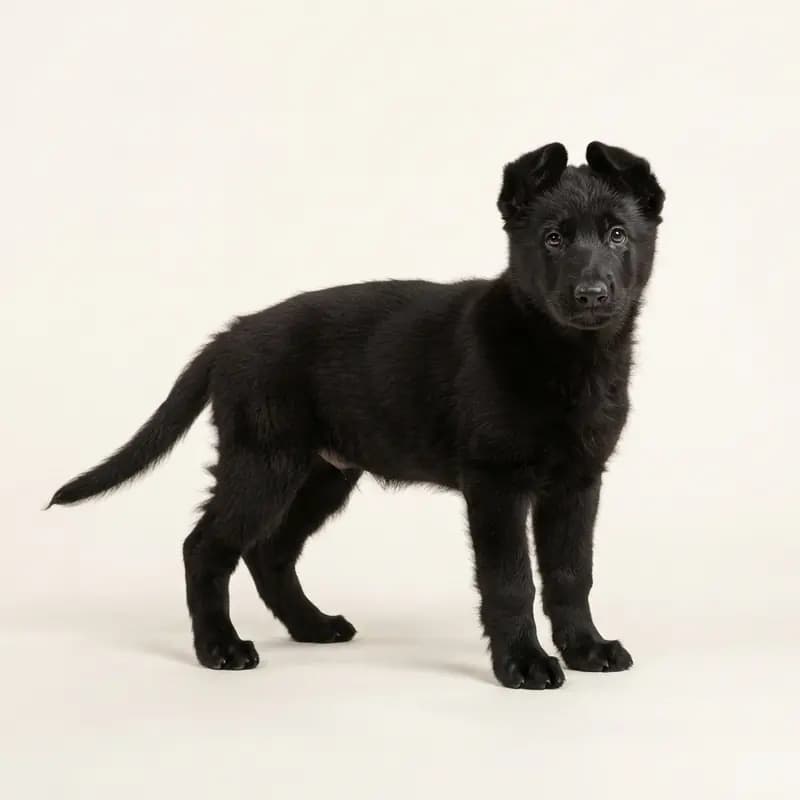
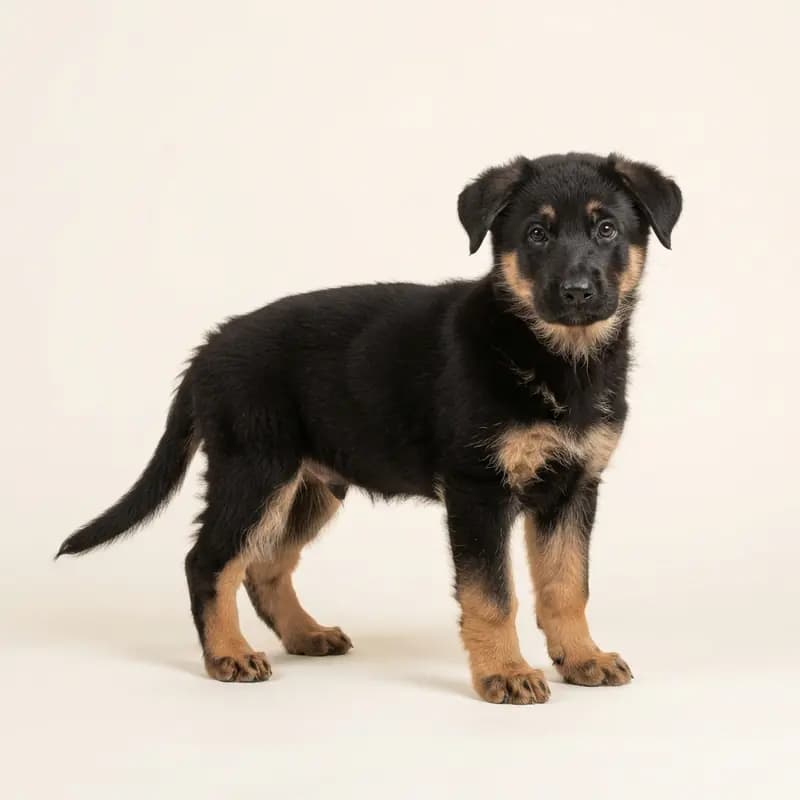
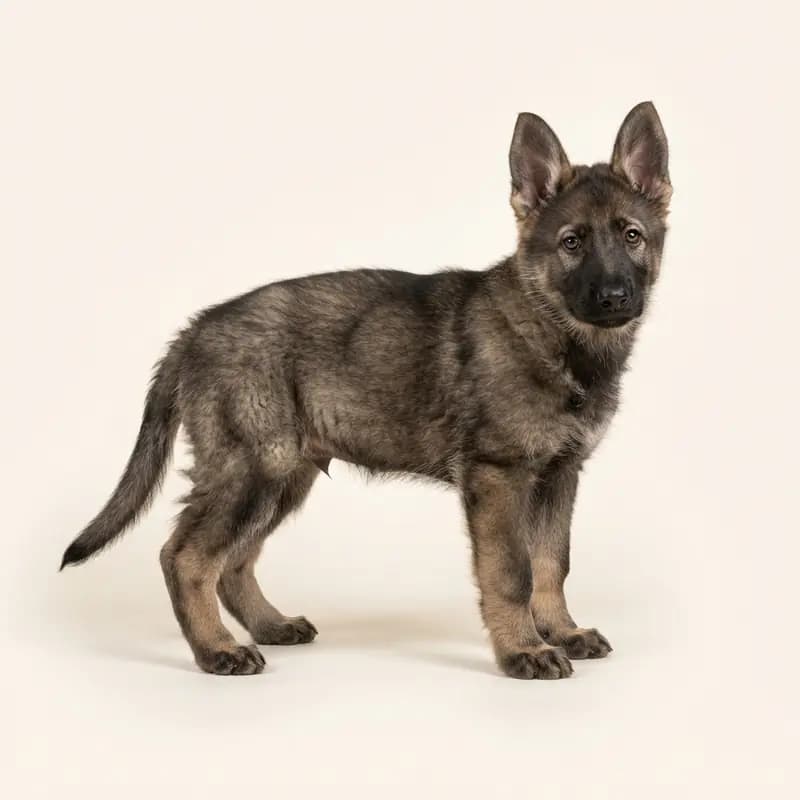
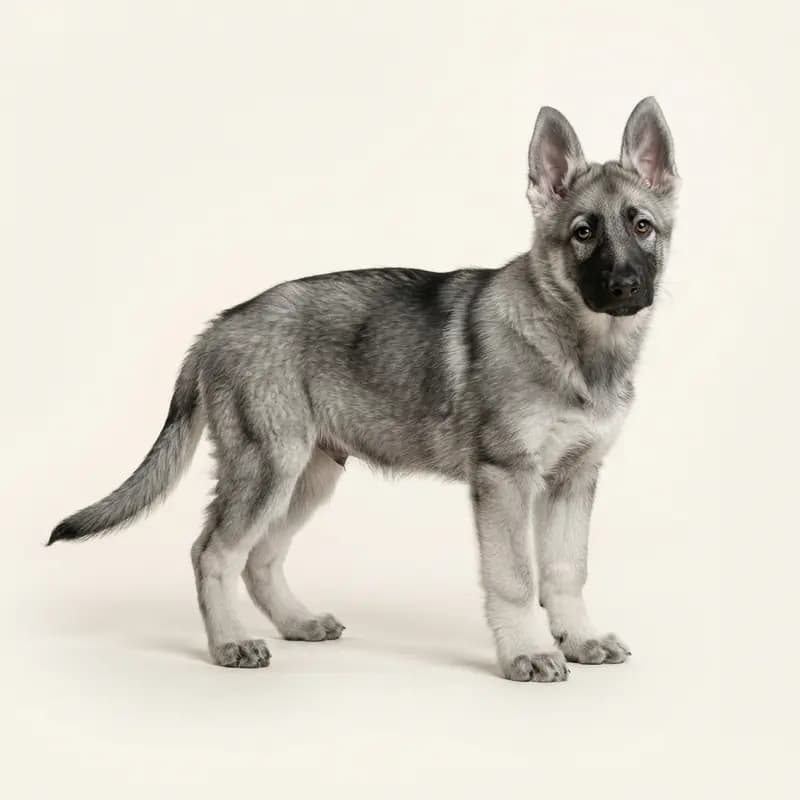
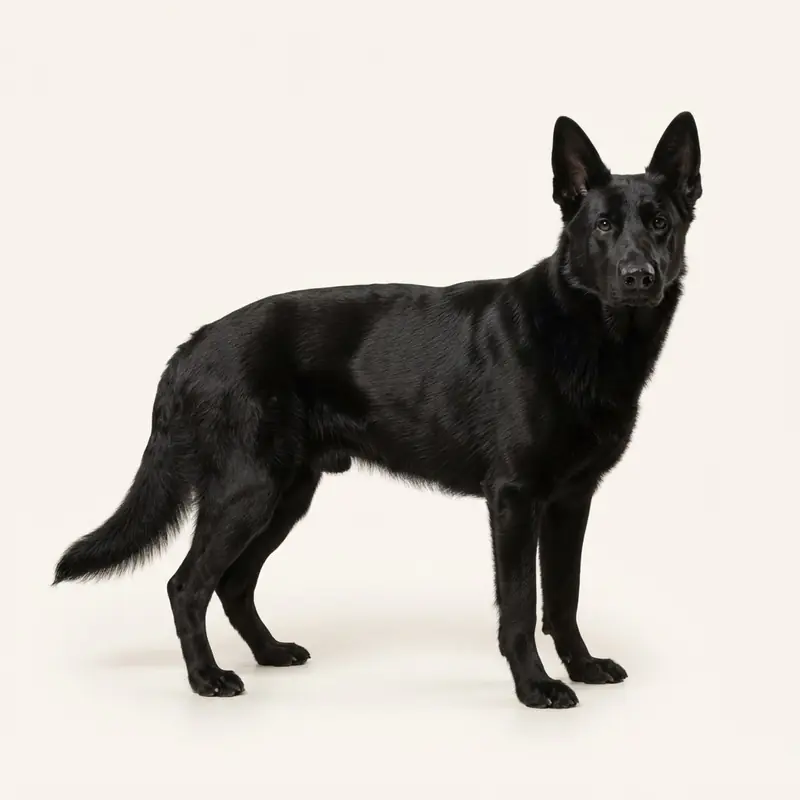
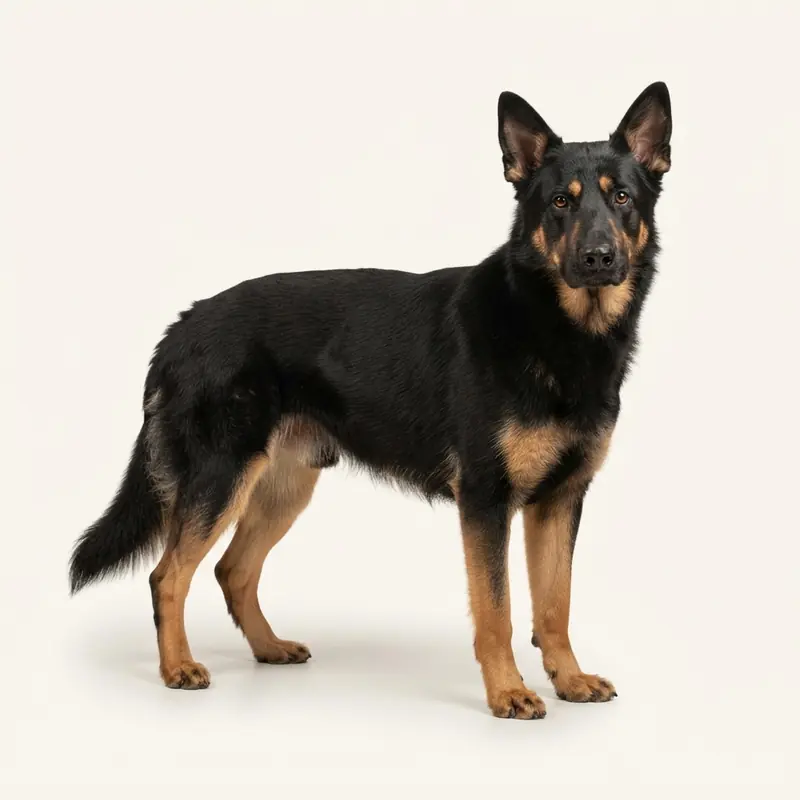
The East European Shepherd comes in these colors: Black, Black and tan, Agouti, Grey, Fawn, Blue. Colors that fall outside the breed standard are marked as such on the breed page.
Showcase your kennel on HonestDog and reach families searching for a responsibly bred East European Shepherd.