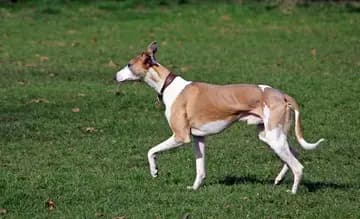
Ibizan Hounds are generally regarded as very robust, athletic dogs with a life expectancy of 11 to 14 years. Because of their sighthound build and genetic make-up, however, they come with breed-specific particularities that you need to know about when buying a puppy.
Eyes, hearing, joints and thyroid
The Deutscher Windhundzucht- und Rennverband e.V. (DWZRV) requires breeding dogs to undergo clinical eye examinations for cataracts and generalised progressive retinal atrophy (PRA). In addition, congenital deafness, hip dysplasia (HD), primary hypothyroidism and the neurological disease degenerative myelopathy are among the health issues typical of the breed.
Health-focused breeders therefore have not only the eyes but also the hips and elbows of the parent dogs X-rayed, and the thyroid checked with a blood test. They also carry out a specialised electronic hearing test (AEP/BAER) on the puppies. Such clinical examinations and X-rays significantly reduce the risk of disease in the line, and the hearing test reliably shows whether your puppy can hear in both ears.
Special considerations for anaesthesia, growth and weather
Because of their extremely low body fat, Ibizan Hounds show a particular sensitivity to anaesthesia. Before any surgical procedure, you must make your vet aware of this sighthound-typical trait so that they choose a gentle inhalation anaesthetic. In the first year of life, you also need to deliberately limit the high jumps for which the breed is famous, to protect the still-soft growth plates. As both the smooth-coated and the wire-coated varieties have no undercoat at all, the Ibizan Hound quickly gets cold in the central European winter. Be sure to plan for a well-fitting dog coat for cold and wet days.