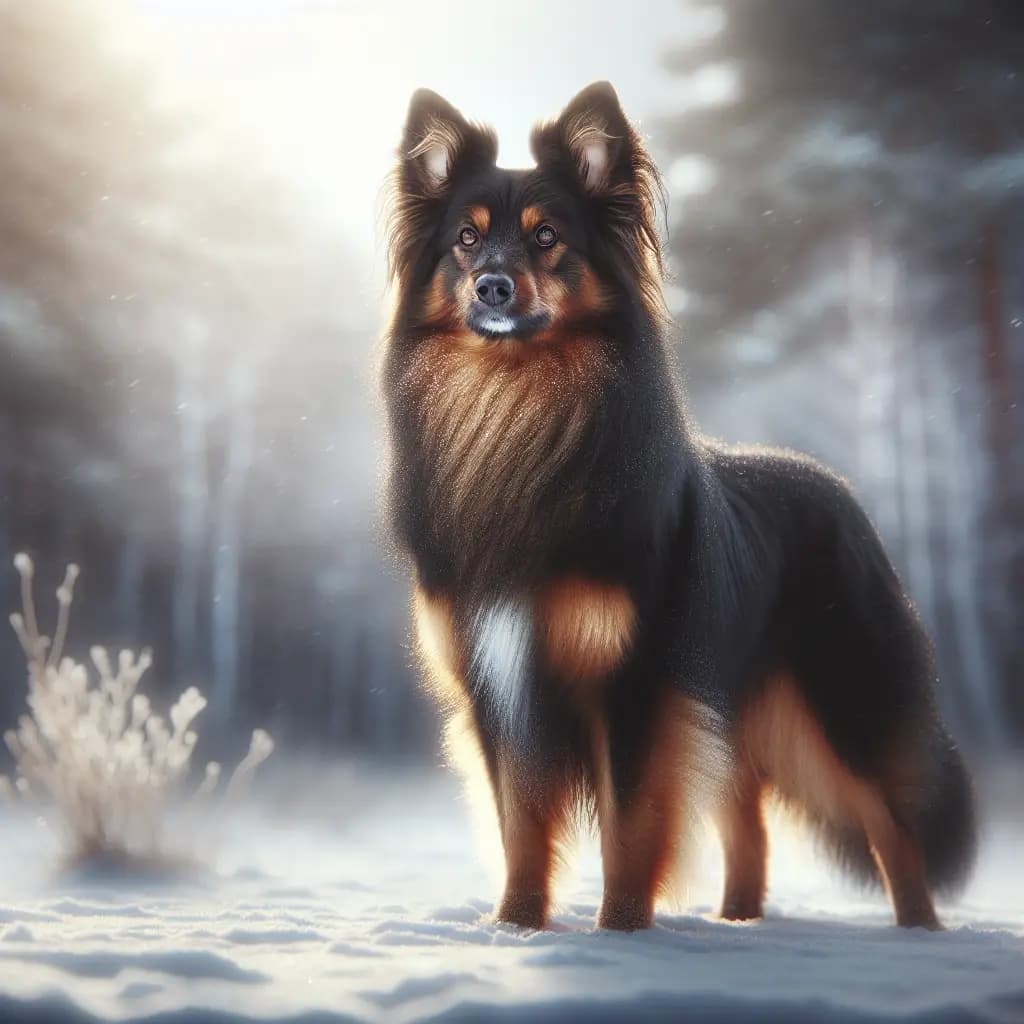
With a life expectancy of 12 to 15 years, the Schillerstövare is generally regarded as a robust and capable breed. Nevertheless, the relatively small gene pool brings specific challenges, which we need to talk about openly. Responsible breeders pay close attention to a low inbreeding coefficient and use clinical examinations and X-ray diagnostics to reduce health risks in their lines.
Joints: hip and elbow dysplasia
For a scent hound that works in the field for hours on end, a healthy musculoskeletal system is essential. In the Schillerstövare, however, hip dysplasia (HD) and elbow dysplasia (ED) do occur as breed-typical conditions. A health-focused breeder has the hips and elbows of their breeding dogs officially X-rayed and scored before they are used for breeding, which significantly reduces the risk of joint problems in the offspring. In the first year of life, you play a major part in keeping your dog healthy through joint-friendly rearing and a lean weight.
Eyes, heart and other breed-specific issues
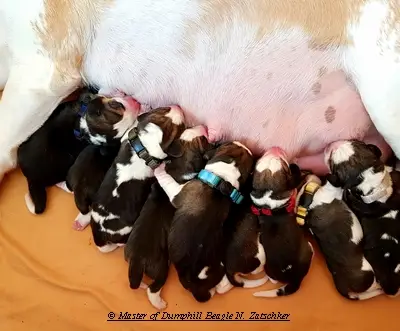
Besides the joints, the eyes are a focus in the Schillerstövare, which is why reputable breeders have their parent dogs regularly examined by a specialist for eye diseases. The breed is also at risk of patent ductus arteriosus (PDA), a congenital heart defect. A thorough cardiac examination by auscultation and, where appropriate, ultrasound of the puppies before they go to their new homes provides important information here. Other issues listed in the breed data are a predisposition to ear infections (otitis externa), due to the breed’s typical drop ears, and cryptorchidism (undescended testicles) in males. Because of the deep chest, there is also a risk of life-threatening gastric torsion: so build fixed rest periods after every meal into your daily routine.