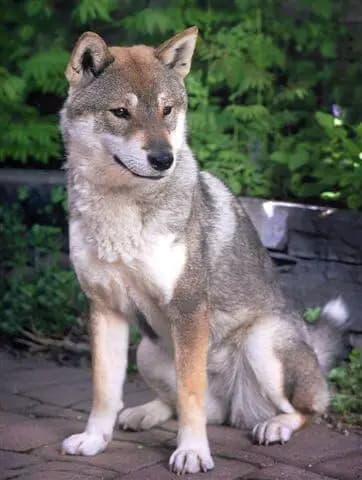
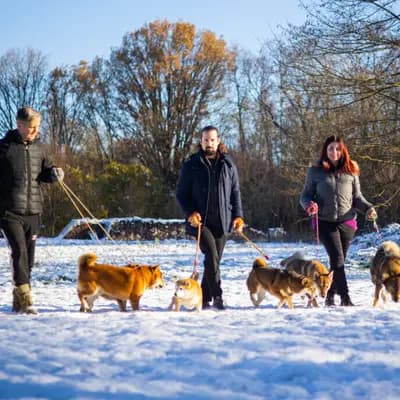
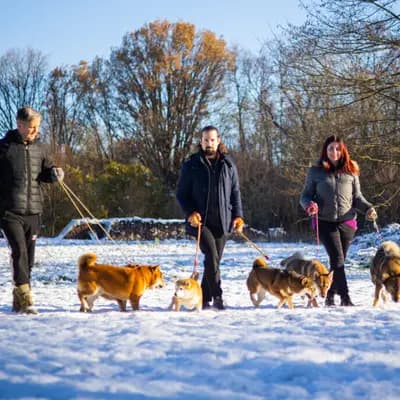
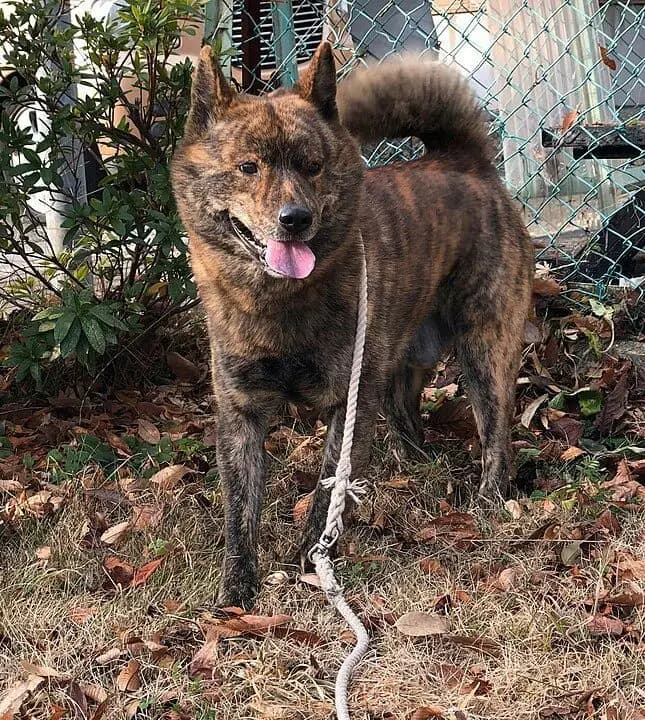
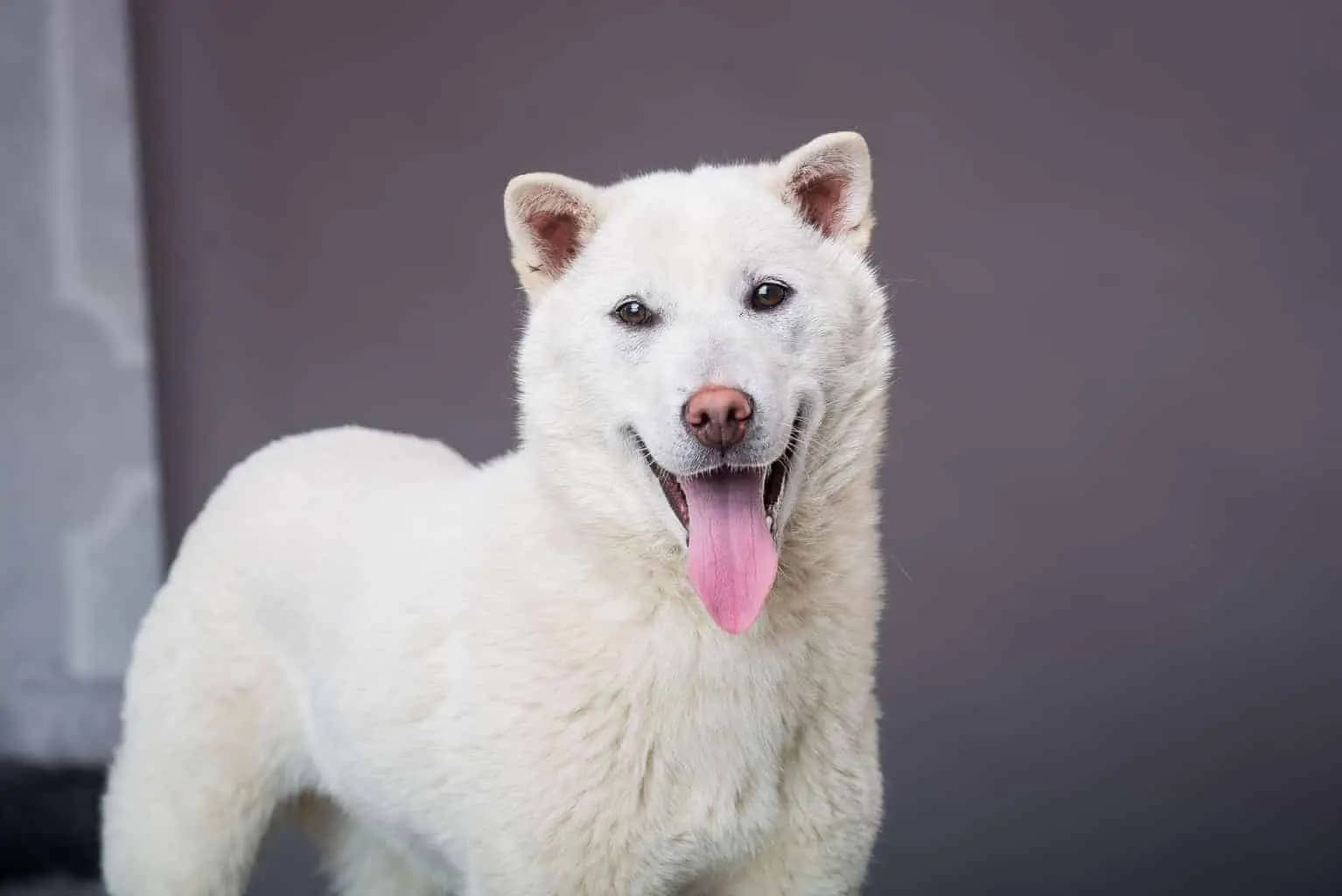
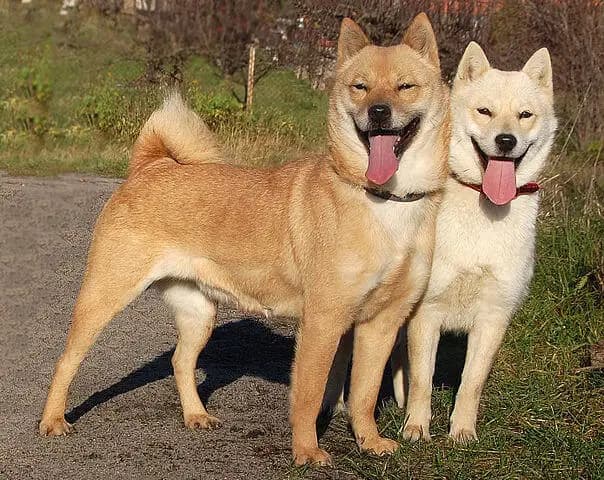
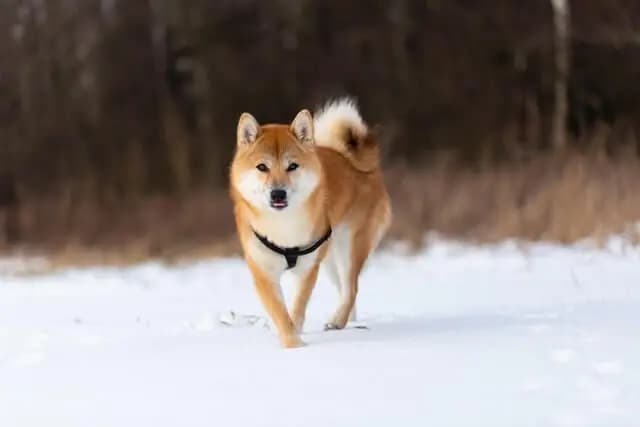
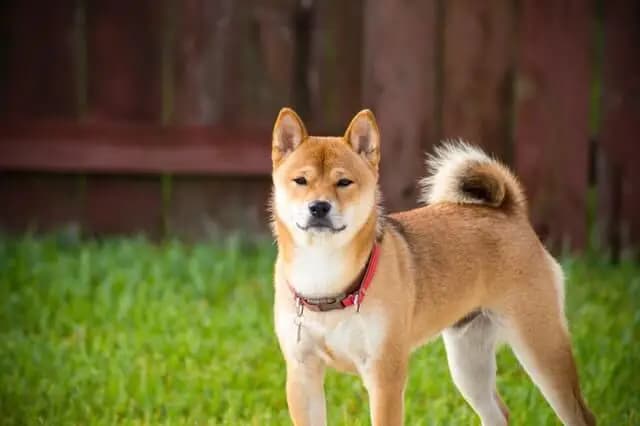
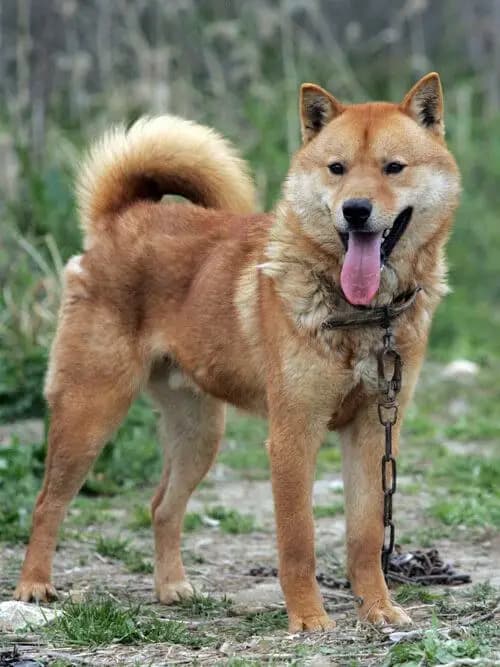
The Shikoku is not a dog for everyone and is definitely not a casual companion. Its energy level is high (4 out of 5), so it needs people who enjoy spending hours outdoors in all weathers. It is hardly suited to life in a cramped city centre (suitability for city life 2 out of 5); a house with a securely fenced garden in a rural setting suits its watchful nature far better.
Never underestimate its independence: with a trainability of 2 out of 5, the Shikoku questions whether commands make sense. You won’t find blind obedience in this dog, and its original instinct to hunt game calls for consistent long-line training. An often overlooked sticking point in everyday life is being left alone: because the Shikoku is extremely people-oriented and only feels truly content in close contact with its pack, it finds longer separations difficult. Plan your daily routine so that the dog is included, and build up time alone in small steps. In families with confident children and around other dogs, it is reasonably sociable when well socialised (3 out of 5 for each). Grooming its harsh outer coat with its dense undercoat is pleasantly straightforward, at 2 out of 5 for effort – only during the moult will you need to pick up the brush daily, because of the moderate to heavy shedding (3 out of 5).
Your checklist for the first conversation with the breeder
When buying a puppy, don’t rely on mere assurances; see the quality of the rearing for yourself on site. Look out for the following points:
- Eye examination results: Ask to see the original, current, official examination certificates for both parent dogs covering all relevant eye diseases (such as cataracts, glaucoma and PRA).
- Check the joint status: Request the official X-ray evaluations for the hips (HD) and ask specifically about the results for the elbows and knees (patellar luxation).
- Question the breeding lines: Raise the risks of cystinuria and GM1 gangliosidosis openly with the breeder and ask whether any cases are known in the lines being paired.
- Pedigree papers and gene pool: Ask the breeder to explain how they have paid attention to genetic diversity in this pairing.
- The dam’s temperament: Watch how the bitch behaves with you. Breed-typical reserve towards strangers is entirely normal in the Shikoku, but panicky fear or aggression are clear warning signs of inadequate socialisation.
On HonestDog, a breeder profile only goes online once the breeder has completed registration: identity verification by ID and selfie, where applicable proof of club membership or a §11 permit, a knowledge test on breeding and animal welfare, and agreement to the HonestDog breeding standards, which among other things rule out breeding with traits associated with extreme conformation. Any health test results for the parent dogs that breeders upload are shown directly in their profile; ask to see the original results when you visit. Your next step: compare the profiles of Shikoku breeders on HonestDog, look at the uploaded health records and ask directly about the next litter.