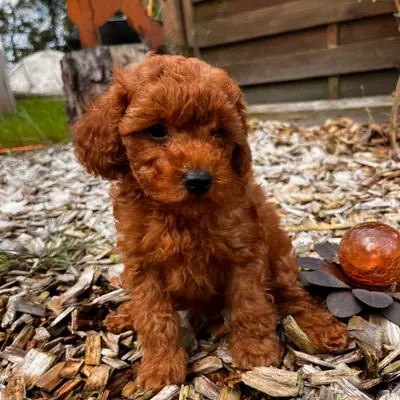
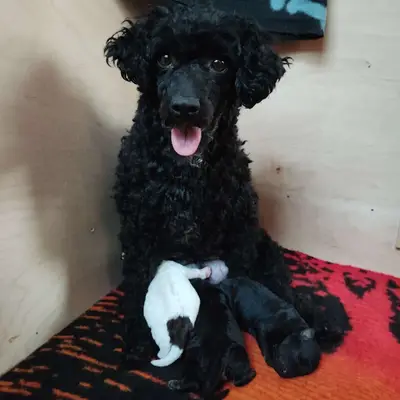
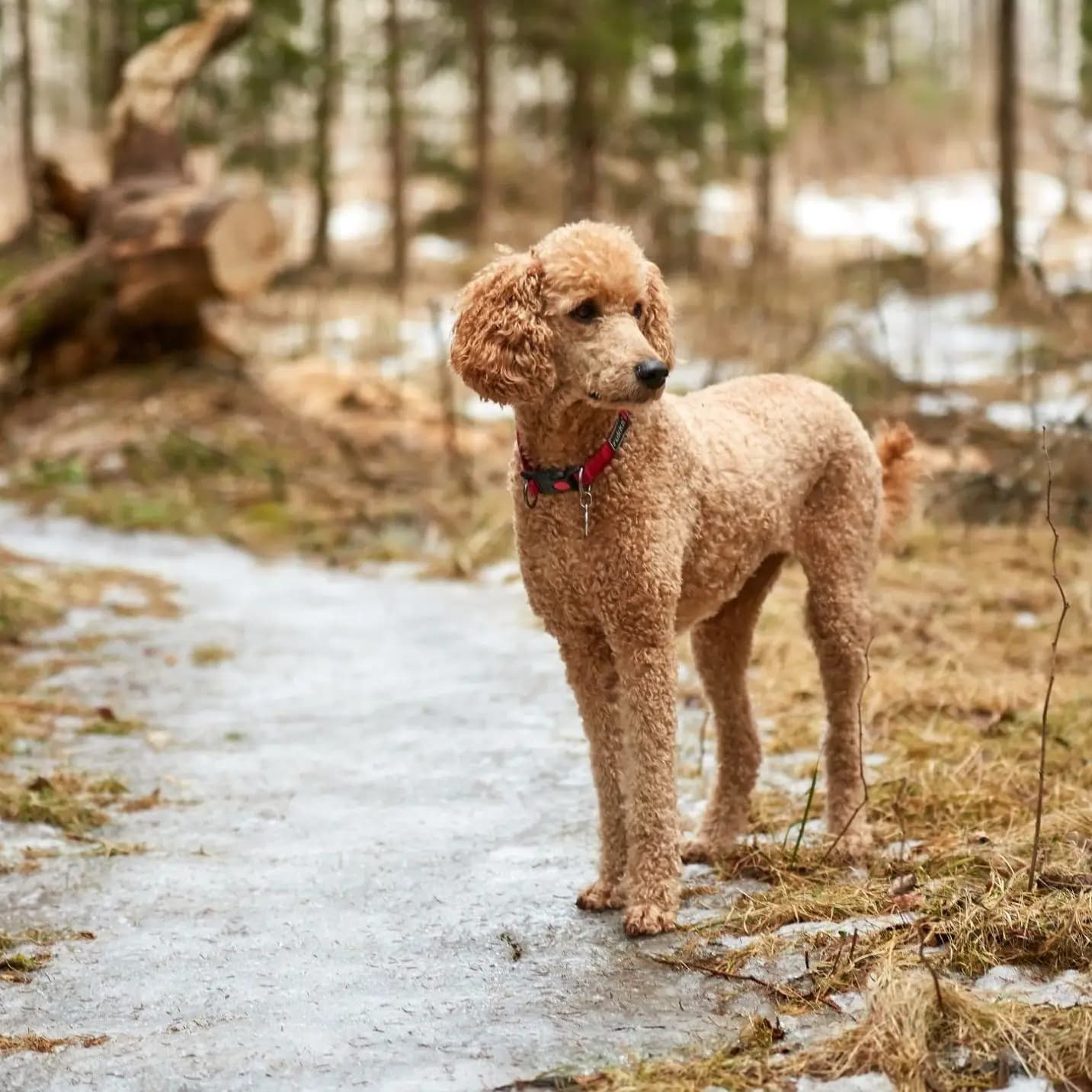
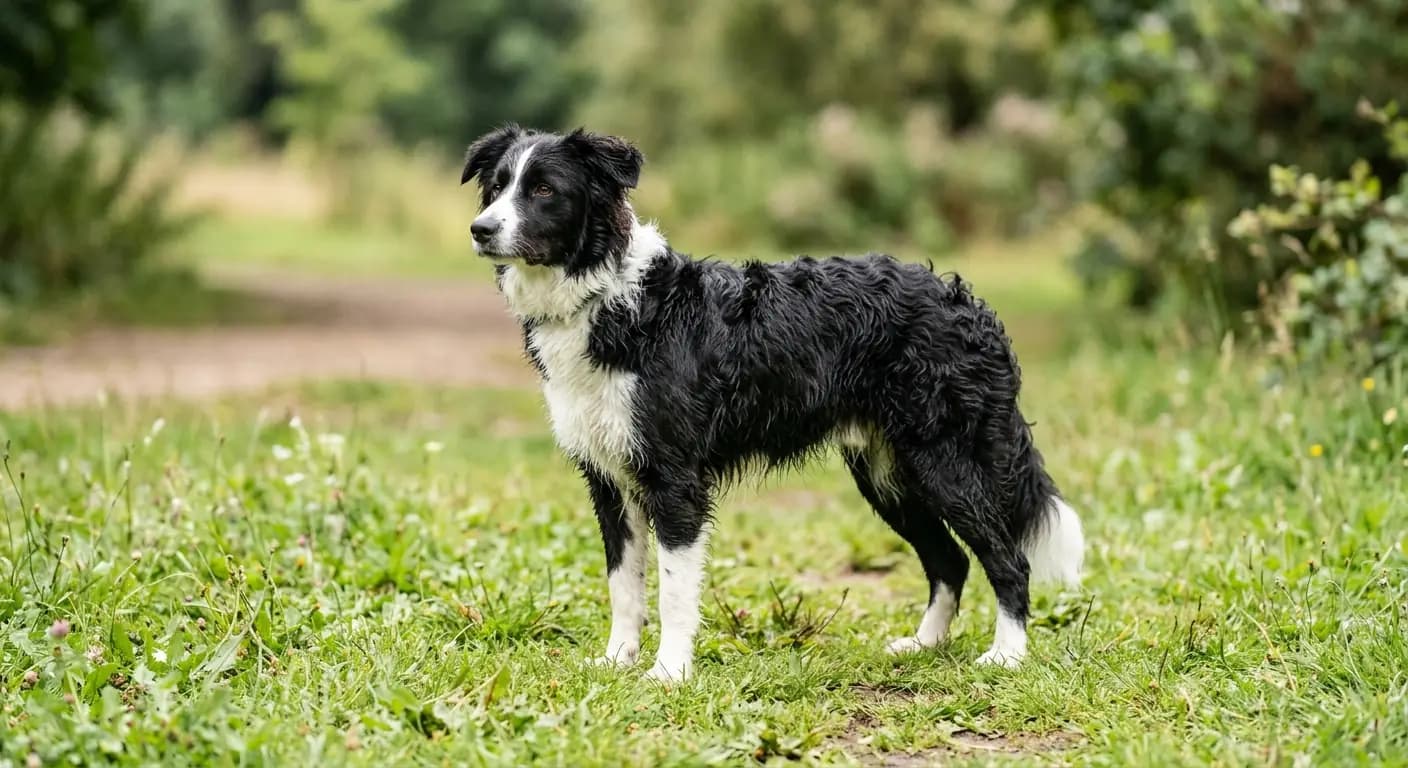
Finding reputable Tollerdoodle breeders: what to look for when buying a puppy
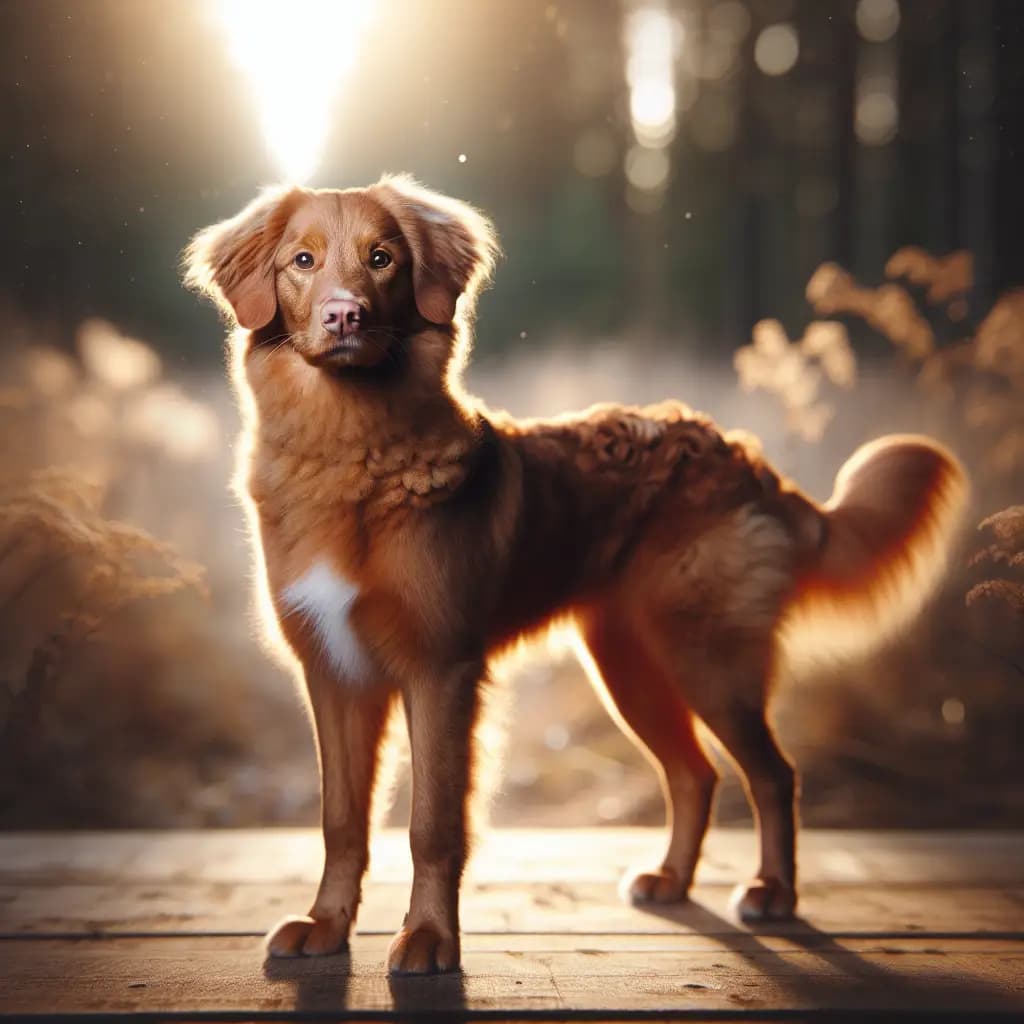
As a cross between the Nova Scotia Duck Tolling Retriever and the Poodle, the Tollerdoodle combines high intelligence and a love of work with a friendly, lively and people-oriented nature. With a height at the shoulder of 45 to 55 cm in males and a weight of 18 to 27 kg, this active companion dog is extremely well suited to water work and to sporty families. For your dog to have the best chance of reaching its life expectancy of 12 to 15 years in good health, choosing the right breeder is the most important first step.
Why choosing the right Tollerdoodle breeder matters so much
A common misconception about hybrid dogs is that crossing two breeds automatically makes all genetic risks disappear. In fact, the Tollerdoodle inherits specific predispositions from both parent breeds, affecting the joints, the eyes and blood clotting. Because both the Toller and the Poodle can be affected by similar hereditary diseases, these risks add up when matings are not carefully controlled.
A responsible Tollerdoodle breeder does not leave things to chance. They select the parent dogs strictly on health and temperament criteria, in order to deliberately reduce the likelihood of breed-typical diseases in the line.
Health tests for the Tollerdoodle: the results you must see
With good breeding, Tollerdoodles are considered robust dogs. To minimise the risk of hereditary problems, health-focused breeders have comprehensive orthopaedic, clinical and genetic examinations carried out before a dog is used for breeding. Never rely on verbal statements; ask to see the written results for both parent dogs.
- Joint examinations (hips, elbows, knees): Because this active dog is prone to joint problems, X-ray examinations for hip dysplasia (HD) and elbow dysplasia (ED) are essential. Conscientious breeders also have the knee joints clinically examined by palpation for patellar luxation (the kneecap slipping out of place). Good results in the parents significantly reduce the risk for the offspring.
- Eye examinations: A clinical eye examination by a specialist veterinary ophthalmologist is important for detecting changes early. The focus here is on progressive rod-cone degeneration (prcd-PRA), a progressive degeneration of the retina. A specific genetic test also exists for it, which shows whether a parent dog is clear, a carrier or affected.
- Genetic tests for blood clotting: Reputable breeders use DNA tests to reduce the risk of von Willebrand disease type I (vWD1) (a blood clotting disorder). Based on the genetic profiles, the breeder plans the mating so that the risk of disease for the litter is minimised.
Signs of good rearing and specific questions to ask the breeder
Besides genetics, the first weeks of life shape your puppy’s development. A good Tollerdoodle breeder raises the puppies right in the middle of family life, accustoms them to everyday noises and provides a joint-friendly environment without slippery floors or climbing stairs. They will also give you honest advice about the high energy level and the intensive coat care involved. At your first visit, ask these six questions to gauge their expertise:
- Can you show me the official X-ray results for HD and ED, as well as the patellar luxation examination results, for both parent dogs?
- Are there current clinical eye examination results, and what do the genetic tests for PRA show?
- What is the genetic status of the parent dogs with regard to von Willebrand disease type I?
- Have there been any known cases of hereditary diseases in the parent dogs’ lines?
- How do you rear the puppies in a joint-friendly way, and how do you prepare these eager-to-learn puppies for environmental stimuli?
- What coat type do you expect from this mating, and what does the specific grooming routine look like?
Warning signs: how to spot irresponsible backyard breeders straight away
The price of a responsibly bred Tollerdoodle is usually between 2000 and 3500 euros. Irresponsible breeders often exploit the popularity of doodle breeds but cut corners on expensive health screening. Watch out for the following warning signs:
- Missing evidence: The seller makes a blanket claim that the parents are “vet-checked and healthy”, but cannot show any specific results for HD, ED, eyes or genetic tests.
- Empty promises: You are promised a “guaranteed allergy-free” or “guaranteed free of hereditary diseases” puppy. Even with minimal shedding, no dog is one hundred per cent suitable for every allergy sufferer, and even the best preventive care only reduces risks; it never rules them out completely.
- Lack of transparency: The mother is not present at the viewing, seems anxious, or you are not allowed to see the whelping area.
- No interest in you: The seller asks no questions about your living situation or the time you have for the mental and physical exercise this hard-working dog needs.
Even after buying a puppy from the best breeder, plan for joint-friendly rearing in the first year of life, as well as regular health and eye checks, to give your active companion the best possible support.
On HonestDog, every breeder goes through a registration process before being activated: identity verification by ID and selfie, proof of club membership or a §11 permit where applicable, a knowledge test on breeding and animal welfare, and agreement to the HonestDog breeding standards – including no breeding with traits associated with extreme breeding (Qualzucht) and no breeding dogs under 18 months. Without a verified §11 permit, a breeder can register no more than two breeding bitches there, and you can report anything unusual about a breeder’s profile directly via “Report content”. When you visit, ask to see the original results for the parent dogs. You can find current litters under Tollerdoodle puppies on HonestDog.