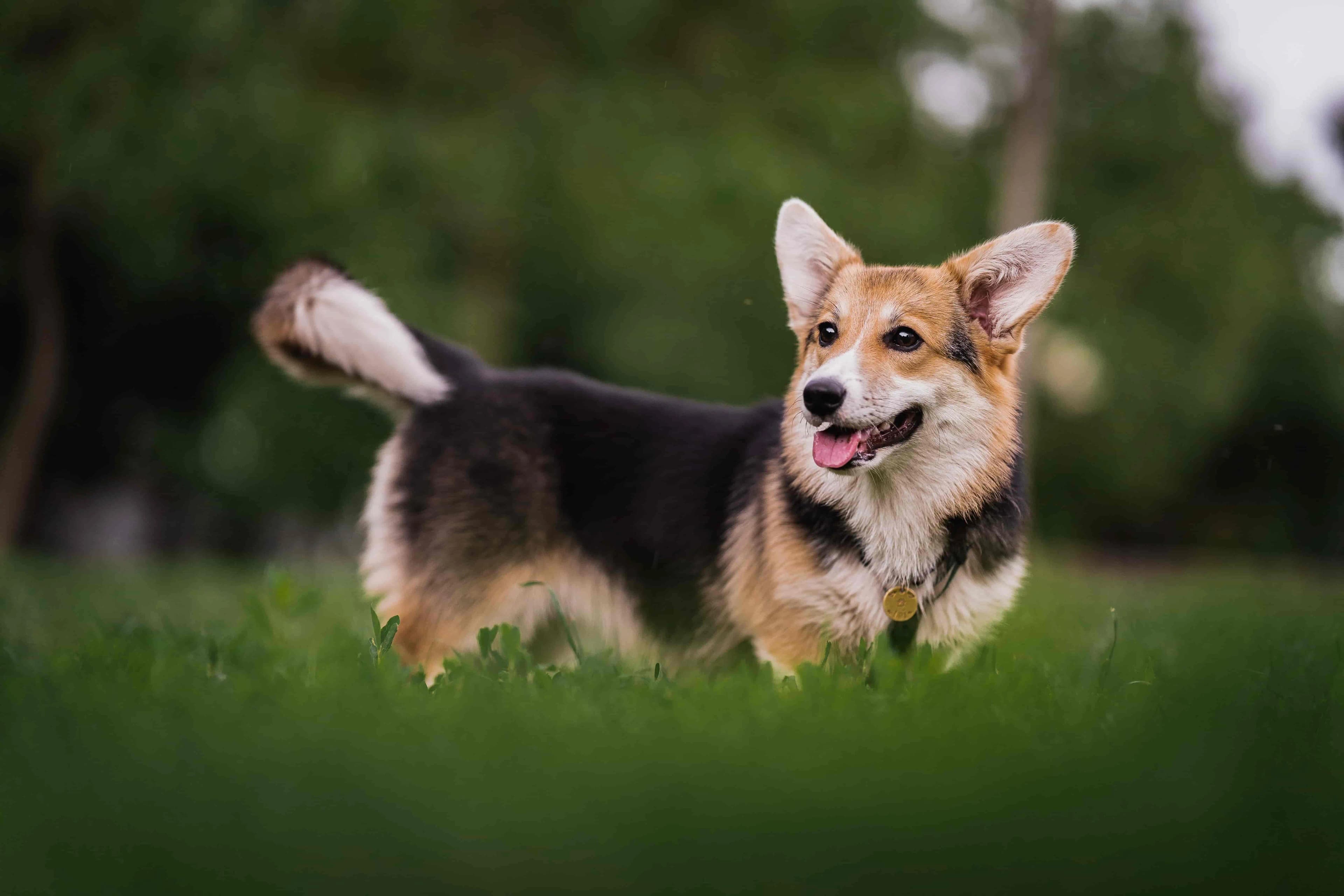
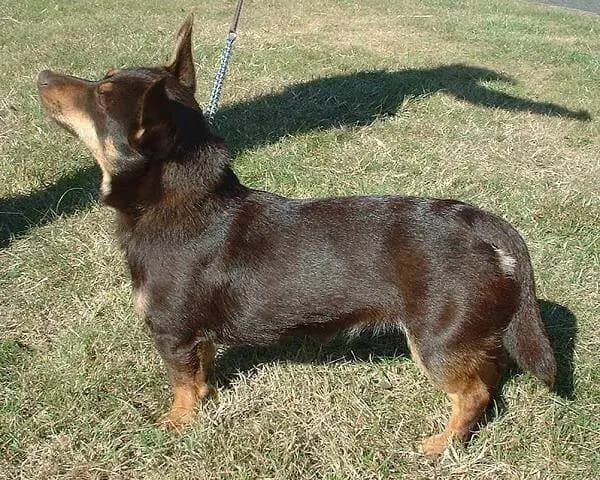
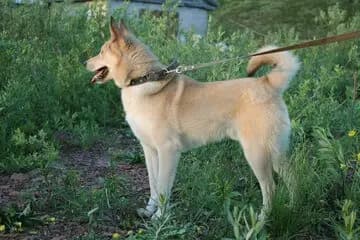
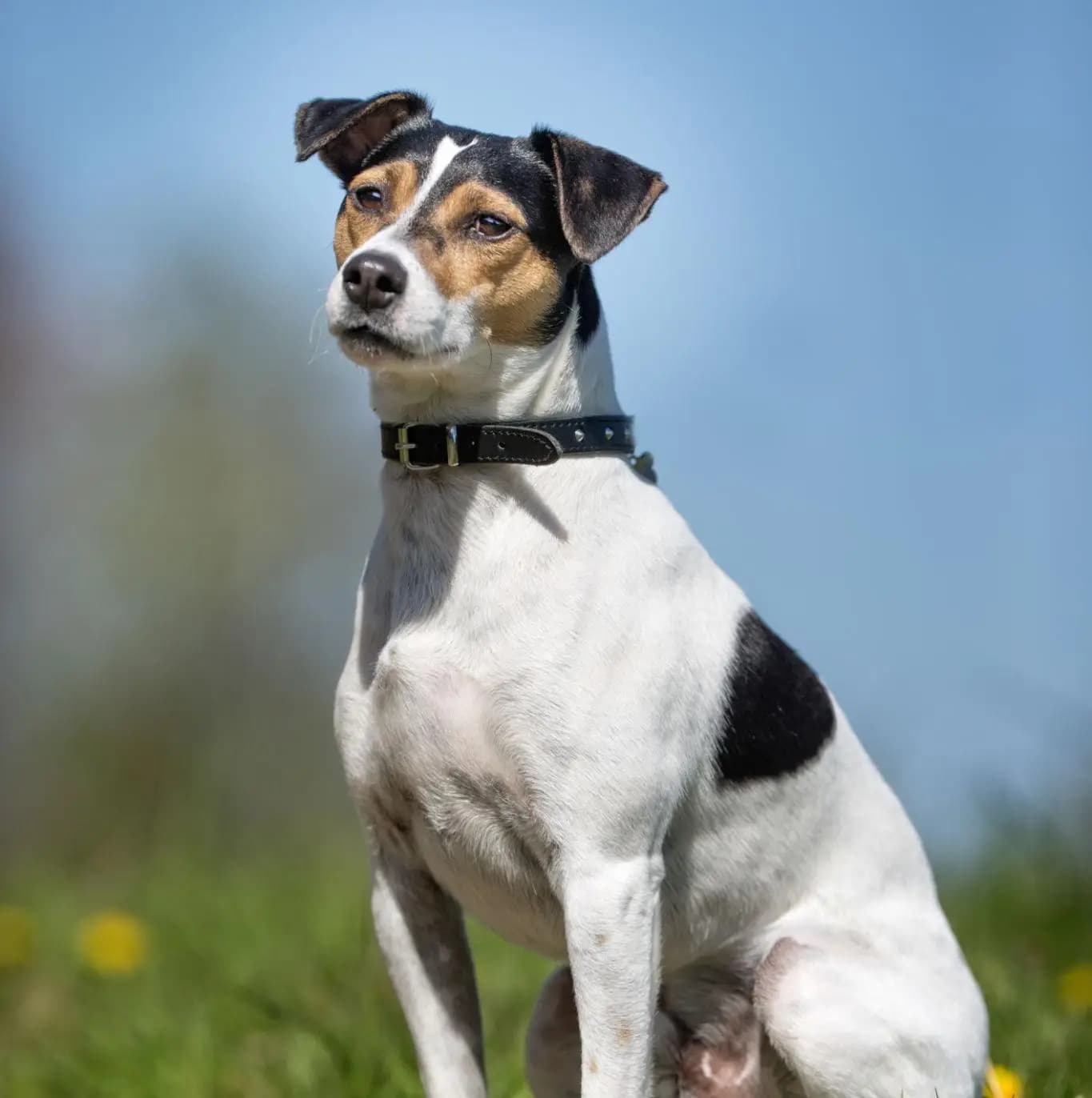
The Swedish Vallhund is generally considered a robust dog, but his particular build – sturdy, low-set and long-backed – along with his genetic history means there are specific areas of concern in the eyes, joints and back. A responsible breeder has the parent dogs' hips, knees and eyes thoroughly examined, both clinically and by X-ray, before breeding, in order to lower the risk of hereditary eye diseases and joint problems in their line in a targeted way.
The eyes in particular are the focus in the Swedish Vallhund. The recommended baseline examinations cover a broad spectrum, including cataract, generalised progressive retinal atrophy (PRA), retinal dysplasia, distichiasis, ectropion and entropion, as well as lens luxation and corneal dystrophy. Primary open-angle glaucoma, pectinate ligament dysplasia, optic nerve hypoplasia and micropapilla, as well as persistent pupillary membranes (PPM) and PHTVL/PHPV, are also detected through specialist eye examinations. As far as the joints are concerned, X-raying for hip dysplasia (HD) is part of the recommended health standard. In addition, other health issues occur in the breed, such as patellar luxation (dislocation of the kneecap), general eye anomalies and hyperuricosuria (a tendency towards urinary stones).
Important for you in everyday life later on: it is essential to keep your Swedish Vallhund slim and to avoid frequent stair climbing – especially during puppyhood and adolescence – to protect his long back in the long term. You should also plan regular eye checks with a specialist vet, even once he is an adult dog. One peculiarity of the Swedish Vallhund: puppies can naturally be born with a long tail or a congenital bobtail. As docking is prohibited in Germany under § 6 TierSchG, a short tail must be congenital and documented in the litter inspection record.