Hydrocephalus
Also known as: Wasserkopf · Congenital hydrocephalus · Hydrocephalus internus · Water on the brain · Internal Hydrocephalus · …
Overview
What it is
Hydrocephalus is a neurological condition affecting the brain and nervous system, commonly referred to as water on the brain. It occurs when cerebrospinal fluid, the natural protective liquid surrounding the brain, builds up abnormally inside the brain's cavities, known as ventricles. This accumulation creates harmful pressure on the surrounding brain tissue, which can impair normal brain function.
How it presents
Owners typically notice symptoms within the first few months of a puppy's life, often starting with an unusually dome-shaped or enlarged skull. Affected puppies may also show signs like poor coordination, vision problems, and seizures.
Treatment
The condition can be managed with lifelong medication to reduce brain pressure, or treated surgically by implanting a shunt to drain the excess fluid. Treatment is highly specialized and typically costs between 1,500 and 8,000 EUR.
How it's tested
Affected breeds
17 of 17 breeds
 Boston TerrierAlso recommended
 Cairn TerrierAlso recommended
 ChihuahuaAlso recommended
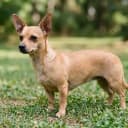 ChiweenieAlso recommended
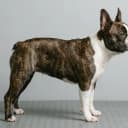 FrenchtonAlso recommended
 Hairless ChihuahuaAlso recommended
 Lhasa ApsoAlso recommended
 MalteseAlso recommended
 Manchester TerrierAlso recommended
 MorkieAlso recommended
 PekingeseAlso recommended
 PomapooAlso recommended
 PomeranianAlso recommended
 Shih TzuAlso recommended
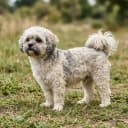 ShihpooAlso recommended
 ShorkieAlso recommended
 Yorkshire TerrierAlso recommended
Treatment cost
Estimated range of typical treatment costs. Actual costs depend on severity, clinic and region.
Frequently asked questions
What is Hydrocephalus?
Hydrocephalus is a neurological condition affecting the brain and nervous system, commonly referred to as water on the brain. It occurs when cerebrospinal fluid, the natural protective liquid surrounding the brain, builds up abnormally inside the brain's cavities, known as ventricles. This accumulation creates harmful pressure on the surrounding brain tissue, which can impair normal brain function.
How is Hydrocephalus tested?
Various clinical and genetic tests are used depending on the breed and presentation.
Which breeds are most affected?
Most commonly affected: Boston Terrier, Cairn Terrier, Chihuahua, Chiweenie, Frenchton, Hairless Chihuahua, Lhasa Apso, Maltese.