Pannus (Chronic Superficial Keratitis)(CSK)
Also known as: Chronic Superficial Keratitis · Keratitis superficialis chronica · Überreiter-Keratitis · Überreiter's Disease · Pannus · …
Overview
What it is
Pannus, or chronic superficial keratitis, is an immune-mediated disease affecting the cornea, which is the clear outer surface of the eye. In this condition, the dog's immune system mistakenly attacks the cornea, causing blood vessels and dark pigment to grow across it. This process is worsened by exposure to ultraviolet (UV) light and can eventually block the dog's vision.
How it presents
Symptoms typically appear between 2 and 5 years of age as reddish-brown, cloudy spots at the outer edges of the eye. These spots gradually spread across the surface without causing pain, eventually leading to blindness if left untreated.
Treatment
The condition is incurable but highly manageable through lifelong daily eye drops and UV-protective goggles. Ongoing care and regular veterinary check-ups are required, with lifetime treatment costs typically ranging from €2,500 to €7,000.
How it's tested
ECVO Augenuntersuchung (DOK)(ECVO-DOK)
Primary testEye examAugenuntersuchung durch ECVO-zertifizierten Augentierarzt (Dortmunder Kreis). Erkennt PRA, Katarakt, Entropium, CEA, MPP, RD u.a.
Issuing body: ECVO
Result scheme: Eye-ECVO
Affected breeds
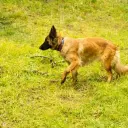
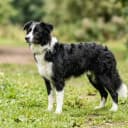
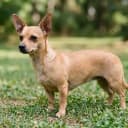
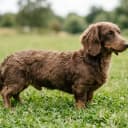
11 of 11 breeds






Treatment cost
Estimated range of typical treatment costs. Actual costs depend on severity, clinic and region.
Frequently asked questions
What is Pannus (Chronic Superficial Keratitis)?
Pannus, or chronic superficial keratitis, is an immune-mediated disease affecting the cornea, which is the clear outer surface of the eye. In this condition, the dog's immune system mistakenly attacks the cornea, causing blood vessels and dark pigment to grow across it. This process is worsened by exposure to ultraviolet (UV) light and can eventually block the dog's vision.
How is Pannus (Chronic Superficial Keratitis) tested?
Tests currently in our database: ECVO Augenuntersuchung (DOK).
Which breeds are most affected?
Most commonly affected: Australian Shepherd, Belgian Tervuren, Border Collie, Bordoodle, Chiweenie, Dachshund, Dalmatian, Doxiepoo.