Persistent pupillary membranes (PPM)(PPM)
Also known as: Persistierende Pupillarmembran · Persistent Pupillary Membrane · Pupillarmembran-Persistenz · Iris-to-lens PPM · Iris-to-cornea PPM · …
Overview
What it is
Persistent pupillary membranes (PPM) occur when tiny blood vessels that nourish the eye's lens before birth fail to break down and disappear as they normally should. This leaves behind delicate strands of tissue that stretch across the iris, which is the colored part of the eye, and the pupil. In some cases, these strands can attach to the cornea, the clear outer layer of the eye, or the lens.
How it presents
Most dogs show no signs of discomfort or vision loss, and the condition is typically identified during routine puppy eye examinations. In rare, severe cases, owners might notice a cloudy spot on the eye or signs of vision impairment starting in puppyhood.
Treatment
Most cases require no treatment at all as they are painless and harmless. If severe complications like cataracts develop, a one-time surgical procedure may be necessary, with costs typically ranging from 100 to 3,000 EUR.
How it's tested
ECVO Augenuntersuchung (DOK)(ECVO-DOK)
Primary testEye examAugenuntersuchung durch ECVO-zertifizierten Augentierarzt (Dortmunder Kreis). Erkennt PRA, Katarakt, Entropium, CEA, MPP, RD u.a.
Issuing body: ECVO
Result scheme: Eye-ECVO
Affected breeds
24 of 50 breeds
 AkitaRecommended standard
 BasenjiRecommended standard
 Dutch SchapendoesRecommended standard
 East Siberian LaikaRecommended standard
 Grand Basset Griffon VendéenRecommended standard
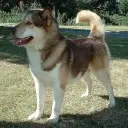 Greenland DogRecommended standard
 HokkaidoRecommended standard
 Icelandic SheepdogRecommended standard
 JämthundRecommended standard
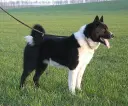 Karelian Bear DogRecommended standard
 Kintamani-Bali DogRecommended standard
 KishuRecommended standard
 KomondorRecommended standard
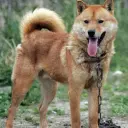 Korean JindoRecommended standard
 LapinporokoiraRecommended standard
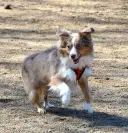 Miniature American ShepherdRecommended standard
 Miniature SchnauzerRecommended standard
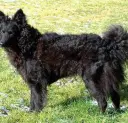 MudiRecommended standard
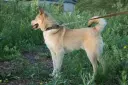 Norwegian BuhundRecommended standard
 Norwegian Elkhound (Black)Recommended standard
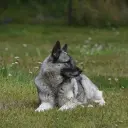 Norwegian Elkhound (Gray)Recommended standard
 Norwegian LundehundRecommended standard
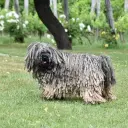 PuliRecommended standard
 PumiRecommended standard
Treatment cost
Estimated range of typical treatment costs. Actual costs depend on severity, clinic and region.
Frequently asked questions
What is Persistent pupillary membranes (PPM)?
Persistent pupillary membranes (PPM) occur when tiny blood vessels that nourish the eye's lens before birth fail to break down and disappear as they normally should. This leaves behind delicate strands of tissue that stretch across the iris, which is the colored part of the eye, and the pupil. In some cases, these strands can attach to the cornea, the clear outer layer of the eye, or the lens.
How is Persistent pupillary membranes (PPM) tested?
Tests currently in our database: ECVO Augenuntersuchung (DOK).
Which breeds are most affected?
Most commonly affected: Akita, Basenji, Dutch Schapendoes, East Siberian Laika, Grand Basset Griffon Vendéen, Greenland Dog, Hokkaido, Icelandic Sheepdog.