

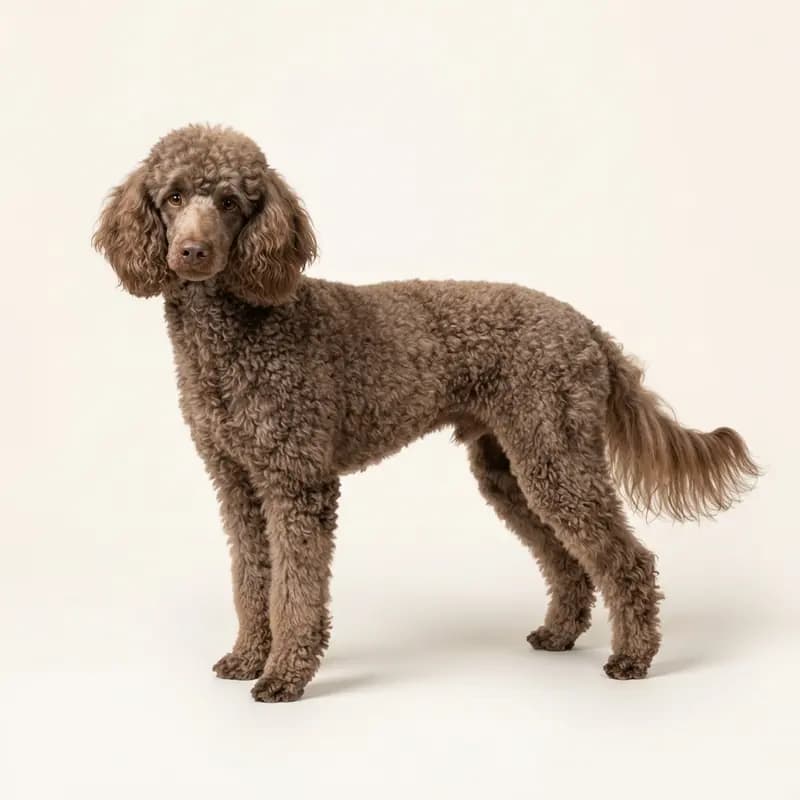
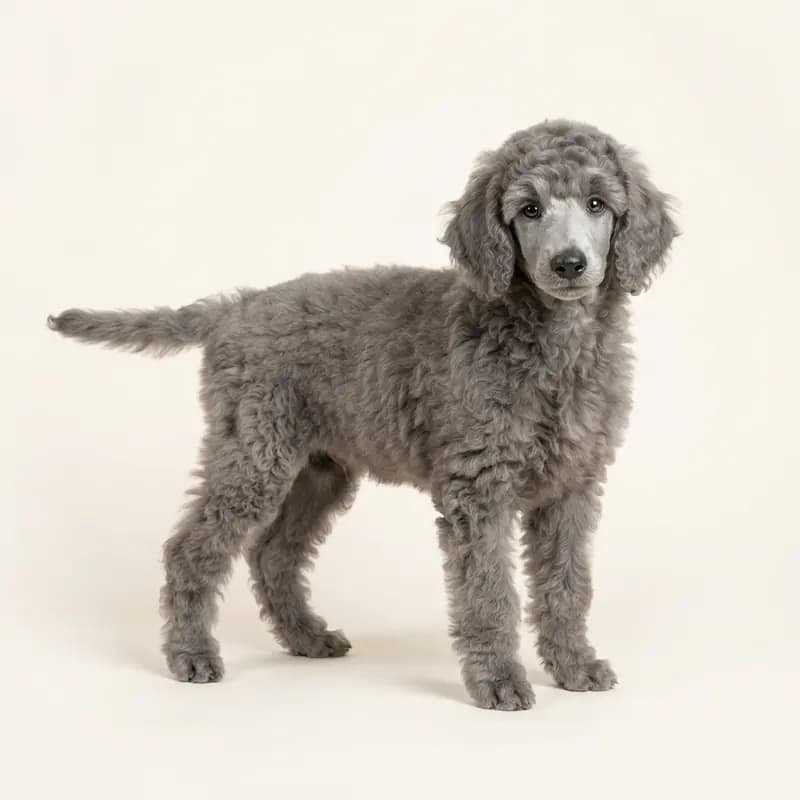



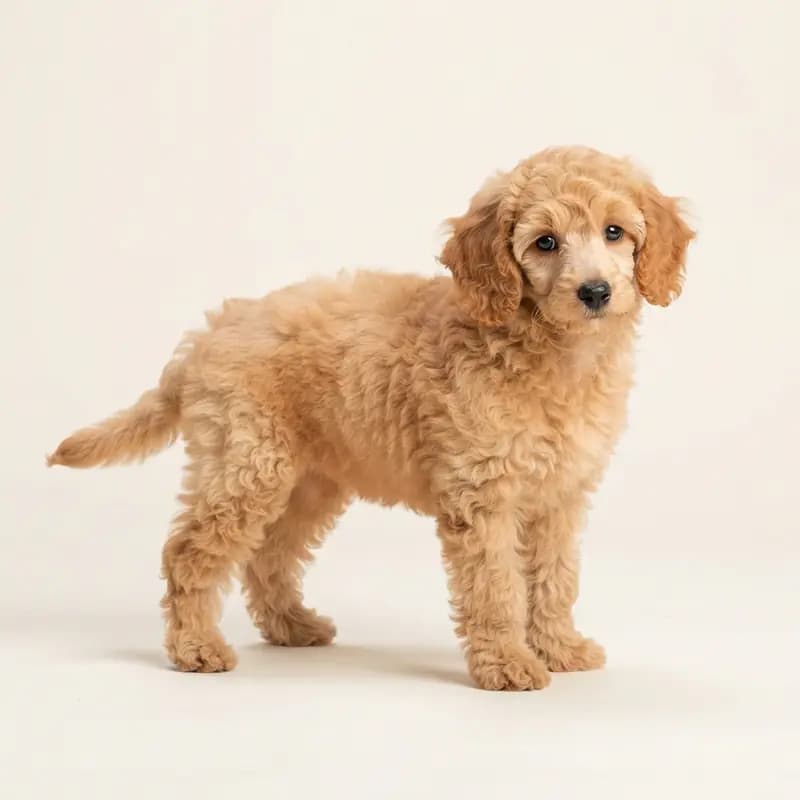


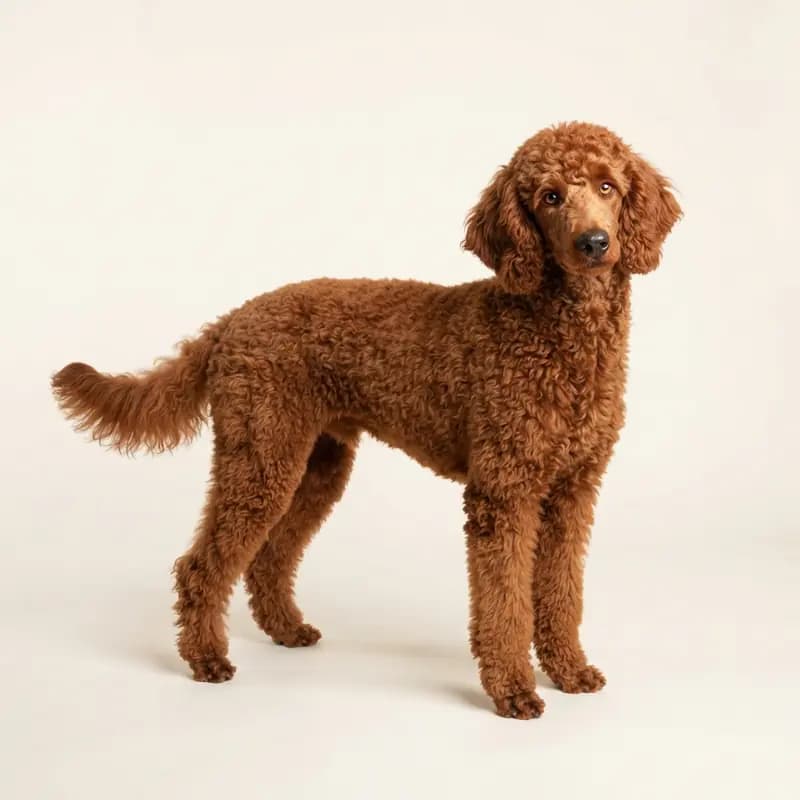





Poodle Training: The Foundation for a Harmonious Life Together
When you think of a Poodle, you often imagine an elegantly groomed show dog. But behind the curls lies one of the most intelligent, athletic, and adaptable dogs in existence. If you have chosen this wonderful breed, you are embarking on an exciting journey. Poodle training is usually a true joy thanks to their incredible ability to learn, but it also requires sensitivity, consistency, and, above all, creative ideas to keep their clever minds occupied.
Whether you have chosen an impressive Standard Poodle, a lively Miniature Poodle, or a charming Toy Poodle – the basic principles of learning are the same for all sizes. In this comprehensive guide, you will learn everything you need to know to raise your curly-coated friend into a confident, balanced companion for everyday life.
The Poodle as a Student: Trainability and Breed Character
To train your dog correctly, you must understand their roots. The Poodle originally comes from a background of water hunting, specifically retrieving waterfowl. This history as a working gundog explains many of their current character traits: they are proud, extremely attentive, very people-oriented, and possess lightning-fast comprehension. With a trainability score of 5 out of 5 points, they are considered absolute model students among dog breeds.
This high intelligence is a double-edged sword. On one hand, a Poodle learns desired behaviors in record time. On the other hand, they see through their human's inconsistencies just as quickly and can learn bad habits (like opening doors or begging at the table) in the blink of an eye. For the Poodle breed profile and their character strengths, it is essential that you, as an owner, remain loving but absolutely consistent. Harshness or shouting are completely out of place with this sensitive breed and will permanently damage their trust.
Poodle Puppy Training: The Crucial First Weeks
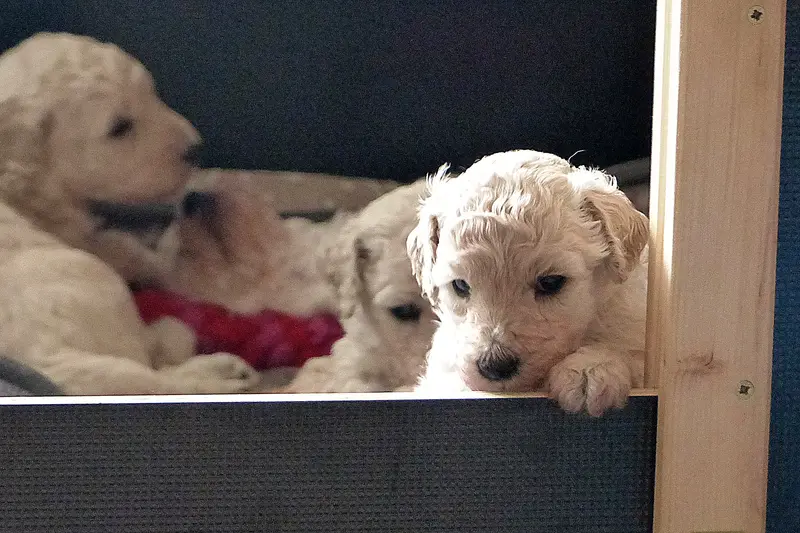
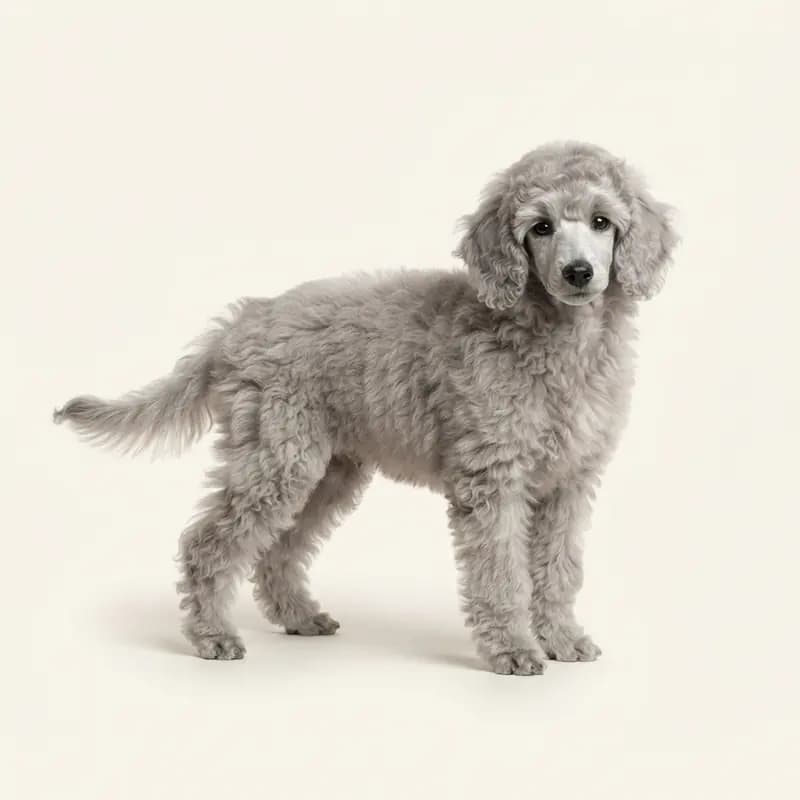
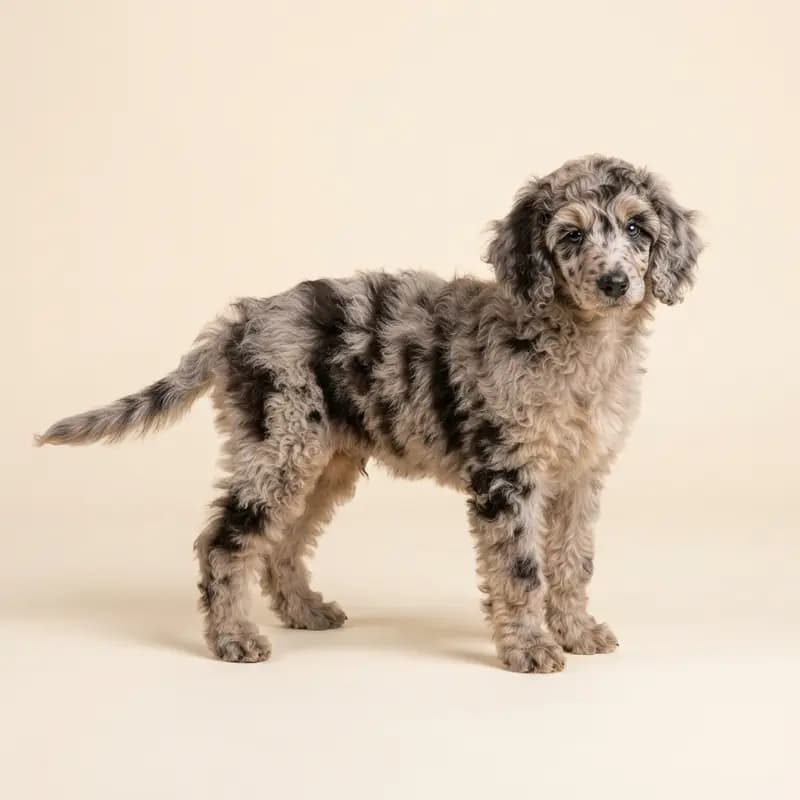
The first few months of life set the course for your dog's entire future. Solid Poodle puppy training begins the exact day the little ball of fluff moves in with you. Use the window of time up to the 16th week of life intensively, as the puppy's brain forms the most important neural connections for later social behavior during this sensitive phase.
Housebreaking: Consistency Pays Off
Poodle puppies usually grasp very quickly where they should do their business. Nevertheless, the responsibility lies with you. Take your puppy outside after every nap, after eating, after intensive play, and otherwise every two to three hours. Praise them enthusiastically in a calm, friendly voice when they relieve themselves outside. If an accident happens in the house: wipe it up without comment. Scolding only confuses the little Poodle and leads to them relieving themselves secretly in the house in the future.
Bite Inhibition: Setting Gentle Boundaries
Puppies explore the world with their teeth. Through play with their littermates, your Poodle has already learned the first lessons in bite inhibition. Now you must explain that human skin is even more sensitive. If they bite too hard during play, a short, high-pitched "Ouch!" is enough, followed by interrupting the game for a few seconds. This way, the little curly-head quickly learns: roughness ends the fun. Instead, offer them plenty of suitable chew toys, especially during teething.
Socialization: Discovering the World
Poodles are excellent companion dogs and, with a score of 5/5, are extremely suitable for city life. However, this requires them to be introduced to environmental stimuli early and positively. Show your puppy different surfaces, everyday noises (vacuum cleaner, traffic), people of different ages, and other animals. Make sure to find the right balance! A Poodle puppy can easily become overstimulated. The Bundestierärztekammer recommends a measured, stress-free habituation to the environment, combined with sufficient rest periods of up to 20 hours of sleep per day.
Essential Poodle Commands for Everyday Life
Once the bond between you and your dog has grown, formal Poodle training begins. Since the breed loves working with their human, practicing basic signals is usually great fun.
Sit, Down, and Stay: The Basics
These three Poodle commands form the foundation. Work with positive reinforcement, such as small, high-quality treats or a favorite toy. However, Poodles quickly lose interest in repetitive drills. If they perform "Sit" flawlessly after three tries, switch the exercise. Quality over quantity is the golden rule here. Boredom often leads Poodles to invent their own creative (and usually unwanted) variations of the exercise.
The Reliable Recall: Life Insurance for Your Dog
Although Poodles have a very strong bond with their family (family-friendliness 5/5), their original hunting instinct should not be completely ignored. A jumping rabbit can tempt even the best-behaved Poodle. Therefore, build up the recall from the start as the greatest game in the world. Use a special word (e.g., "Come") or a dog whistle. Every time your Poodle rushes to you at this signal, give them an absolute jackpot reward – be it a piece of cheese, liver sausage, or a wild game of tug. The recall must always be more rewarding for them than anything else in their surroundings.
Grooming Training: An Absolute Must
A special feature of this breed: Poodles do not shed (shedding 1/5) but require intensive coat care (grooming needs 5/5). Daily brushing, regular clipping, ear care, and nail trimming are part of daily life. Therefore, get your puppy used to the comb and brush playfully from day one. "Medical Training," where the dog learns to stand relaxed on a table and be touched everywhere, is one of the most important commands in all of Poodle training.
Breed-Specific Challenges in Poodle Training
No dog is completely without flaws, not even the clever Poodle. There are some breed-typical behaviors you should pay special attention to during training:
- Sensitivity: Poodles register the slightest changes in their human's mood. If you are stressed or angry, your Poodle will likely react with uncertainty or refuse to cooperate altogether. A confident, calm demeanor is crucial.
- Creative Disobedience: If an exercise doesn't seem logical to a Poodle or if they are under-challenged, they will look for their own ways. They test gently but persistently whether rules really always apply.
- Alertness: They like to announce unusual noises by barking. To prevent your Poodle from becoming a nuisance barker, you should acknowledge their alert (e.g., "Thanks, I've seen it"), but then send them to their place and take over the lead yourself.
Advanced Training: Stimulating Your Smart Dog
A simple walk around the block won't keep a Poodle happy in the long run. They have a high energy level (4/5) and want to be mentally challenged. Once the basics of Poodle training are in place, the wide world of dog sports opens up to you.
Due to their physical agility and light build, Poodles excel in sports like Agility or Dog Dancing. They also show outstanding performance in Obedience due to their close handler bond. Scent work such as Mantrailing or simple target object searches provide species-appropriate and extremely effective mental stimulation.
Furthermore, the breed is excellently suited for training as a therapy dog or assistance dog. If you are interested in more in-depth training and sports opportunities, breed clubs like the VDH (German Kennel Club) or specific Poodle clubs often offer great contact points and seminars.
Common Mistakes to Avoid in Poodle Training
Even though they are suitable for beginners, mistakes often creep into daily life that can disrupt a harmonious coexistence. Be sure to avoid these pitfalls:
- Too many repetitions: As mentioned, Poodles get bored quickly. It's better to train three times a day for five minutes than once for half an hour.
- Lack of mental stimulation: A bored Poodle will find their own job. This could be chewing your shoes or excessive barking. Mental stimulation is just as important as physical exercise.
- Lack of rest periods: Many owners want to "tire out" their active dog and throw balls for hours. The result is a hyperactive, adrenaline-driven dog that can no longer relax. Poodles must learn to be calm. Settle-training is active training!
- Inconsistency out of pity: The loyal, almost human gaze of a Poodle often tempts owners to make exceptions. But dogs need reliability. A "No" must always remain a "No."
Frequently Asked Questions (FAQ) about Poodle Training
Is a Poodle hard to train?
No, quite the opposite. The Poodle is one of the easiest dog breeds to train. Their extreme intelligence, their "will to please," and their strong bonding ability make them an ideal dog for motivated beginners. However, loving consistency is a prerequisite.
How do I provide mental stimulation for my Poodle?
Mental stimulation, also known as "brain work," is essential for Poodles. This includes practicing new tricks, scent games (like hiding treats in the house), interactive dog puzzles, or training specific Poodle commands. Learning the names of different toys and specifically retrieving those items is also a great mental exercise.
Do Poodles have a prey drive?
Yes, most Poodles still have a certain degree of prey drive, as they were originally bred as water retrievers. However, this drive is usually very controllable. Timely and consistent recall and anti-hunt training as part of Poodle puppy training ensures that the drive does not become a problem.
How do I get my Poodle used to being alone?
Poodles are extremely people-oriented and do not like to be left alone. Therefore, being alone must be practiced in tiny steps, ideally starting in puppyhood. Begin by leaving the room for just a few seconds and returning before the dog whines. Increase the duration slowly over weeks. Never build up alone time under duress or stress.
Conclusion: With Love and Consistency to the Perfect Companion
Poodle training is a wonderful journey. These dogs reward your efforts with unwavering loyalty, enormous charm, and impressive suitability for everyday life. If you foster your curly-head's high intelligence through varied training, guide them lovingly and without harshness, and view the essential grooming as a daily bonding ritual, you will have a dream dog by your side.
Have you gotten a taste for it and want to share your life with one of these fantastic dogs? Then make sure to look for a reputable source, as a stable character begins with the breeder. At HonestDog.de, you will find verified, trustworthy breeders who care about the health and socialization of their puppies. Discover the listings now and find your perfect companion for a long, happy dog life!