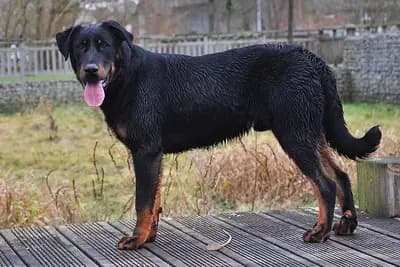
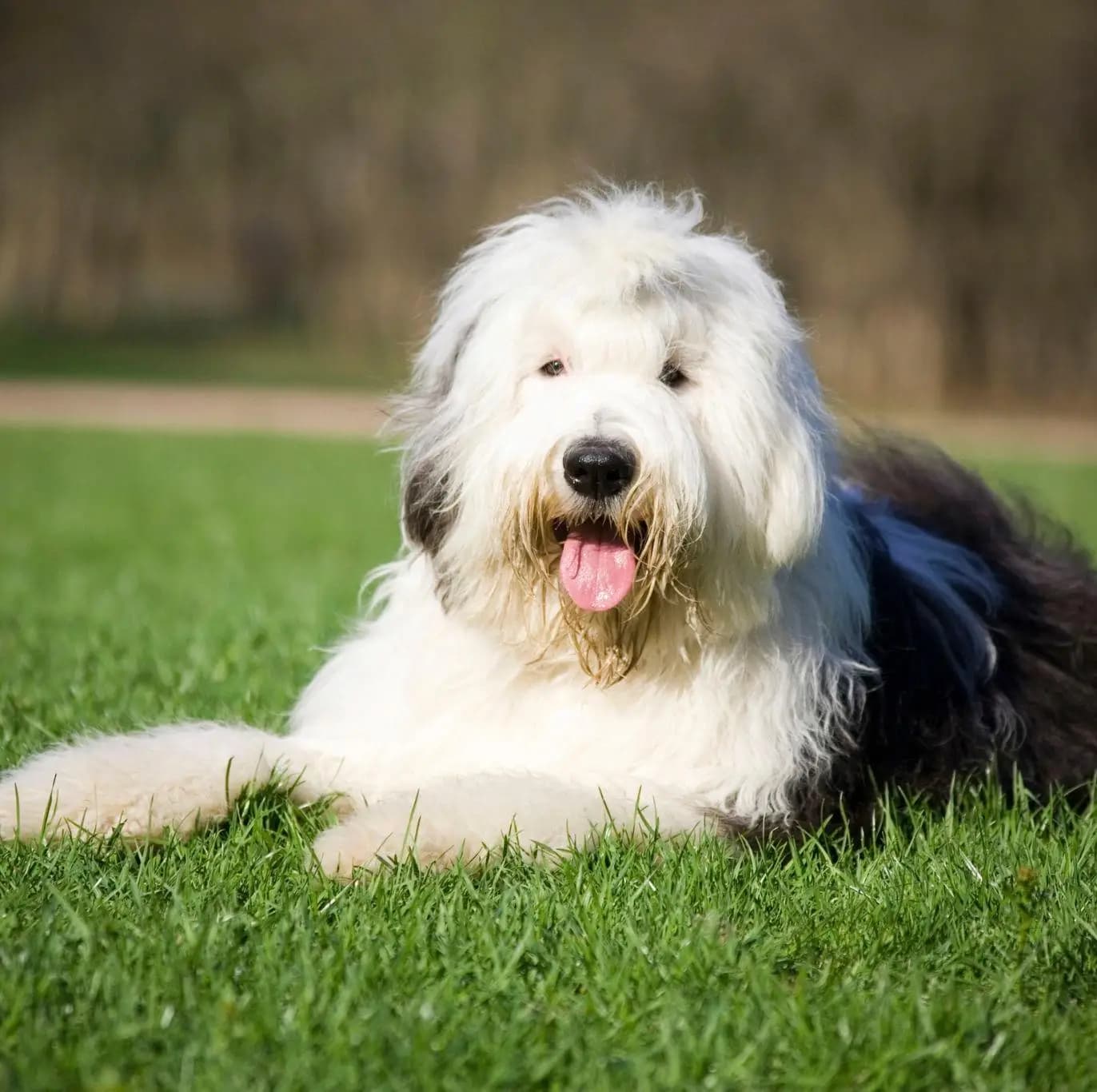
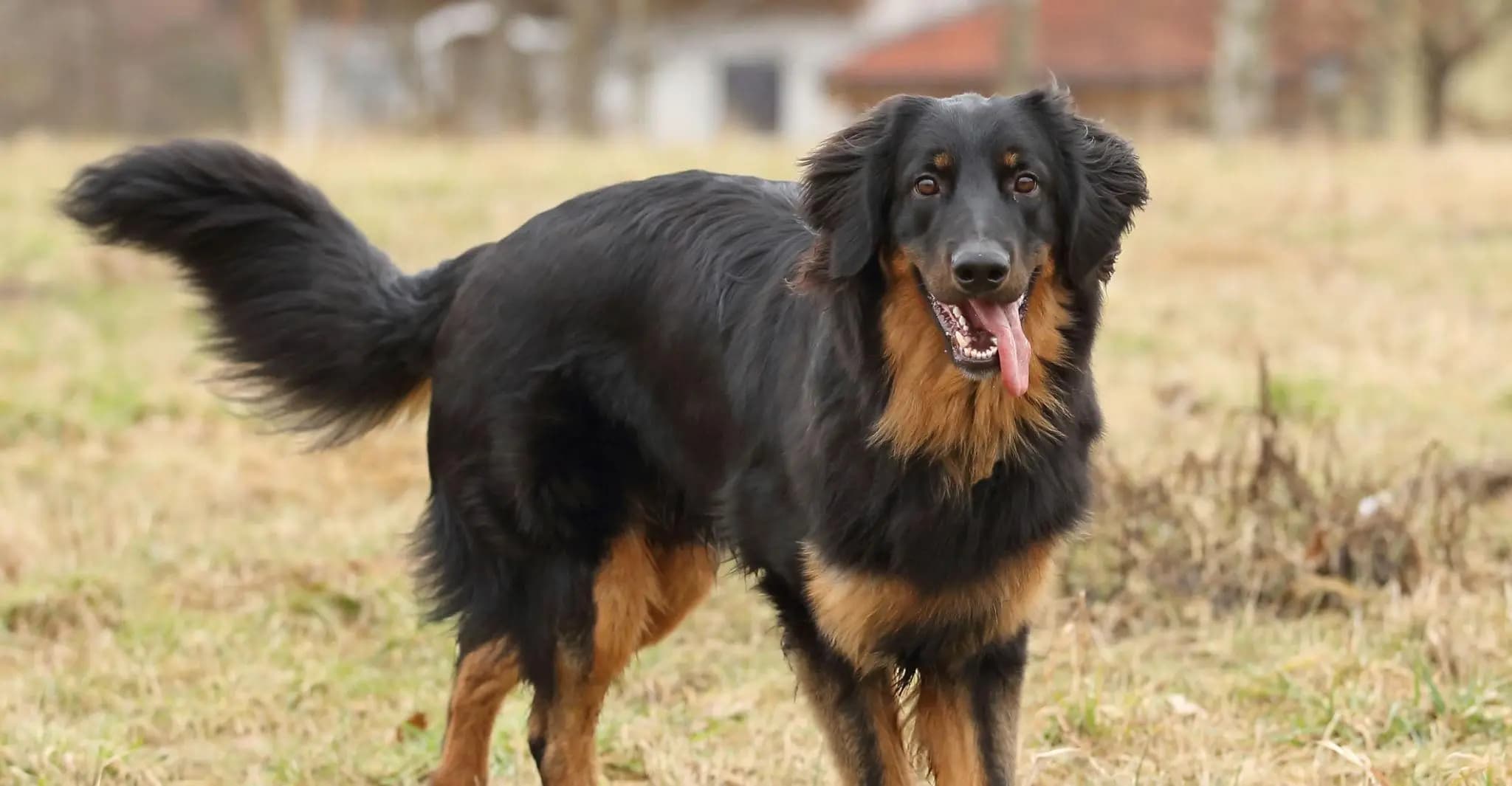
The Briard achieves top scores for trainability, family-friendliness and child-friendliness (5/5 each). It learns extremely quickly and wants to work together with its human. Its high energy level (4/5) and its historical heritage as an independent herding dog, however, call for clear rules and real tasks. Without enough mental and physical stimulation – for example in dog sports, tracking or mantrailing – this clever dog will find its own things to do and, if in doubt, take control of the property.
The watchful Briard is only partly suited to life in a cramped city flat (suitability for city life: 3/5). It usually gets on well with other dogs (4/5), but needs confident leadership from the start. A big advantage indoors: despite its enormous amount of hair, the Briard sheds very little (shedding: 1/5). On the other hand, the long, dense, wavy coat with undercoat demands regular work with brush and comb (grooming effort: 3/5). If you neglect thorough brushing right down to the skin, the coat mats quickly. Practise this grooming routine with your puppy from day one.
Your checklist for the first conversation with a breeder
When you contact a breeding establishment, specific questions will help you judge the quality of the rearing:
- Eye test results and CSNB DNA test: Ask to see the DNA certificate for congenital stationary night blindness (CSNB), as well as current clinical eye examination results (for PRA and corneal dystrophy) for the parent dogs.
- Ultrasound for ectopic ureter (EU): Ask specifically about the parent dogs’ EU results and whether the puppies are also scanned before they leave.
- HD X-ray results: Ask to be shown the official hip dysplasia results for both parent dogs.
- Questions about risks in the lines: Ask the breeder openly whether cases of epilepsy or gastric torsion are known in the breeding lines.
- Litter inspection report: When you visit, check the paperwork for any recorded findings such as dental malformations, cleft palates, undescended testicles in males or signs of deafness.
- Temperament of the mother: Observe the bitch on site. A Briard may be reserved and watchful towards visitors, but must always allow its owner to guide it, staying composed and showing no aggression or fear.
On HonestDog, a breeder profile only goes online once the breeder has completed registration: identity verification by ID and selfie, where applicable proof of club membership or a §11 permit, a knowledge test on breeding and animal welfare, and agreement to the HonestDog breeding standards, which among other things rule out breeding with traits associated with extreme conformation. Any health test results for the parent dogs that breeders upload are shown directly on their profile; ask to see the original results when you visit. Your next step: compare the profiles of Briard breeders on HonestDog, look at the health evidence that has been uploaded, and ask directly about the next litter.