
Pyrenean Shepherd
Close relative
Dogs love cookies, and so do we
Cookies for analytics and ads. Privacy
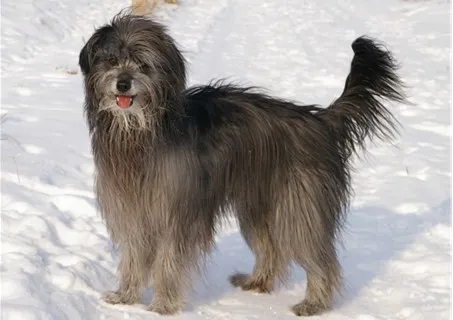
The Berger des Pyrénées (short-haired) is a lightning-fast, highly reactive herding dog — bred to tirelessly guide sheep flocks in the rugged mountains and report every change immediately. He combines maximum energy with a deep skepticism toward anything foreign.
How the health grade is calculated
Sources for required breeding screenings. Club Berger des Pyrenees e.V. (cbp) · Club Berger des Pyrenees e.V. (cbp)
Self-check
Answer 6 quick questions about your everyday life and see how well the Pyrenean Shepherd (Smooth-faced) fits you — including an honest cost estimate per month, per year, and across the dog's lifetime.
Question 1 of 6
Count honestly — the normal day, not the best one.


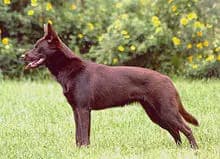
At a glance
The essentials — key facts, traits, and health priorities — before you dive deeper.
Lifespan
12–15 yrs
Shoulder height
40–48 cm
Weight
8–15 kg
Practical
Temperament
Daily life
What matters most
Especially with a Pyrenean Shepherd (Smooth-faced), choosing the right breeder is the single most important decision you'll make. Serious breeders consistently test the parents for inherited conditions, prioritize healthy early socialization, and stay accountable long after handover. A cheap puppy without health screening tends to become the most expensive dog later on.
See HonestDog breeder standards →Colors & coat
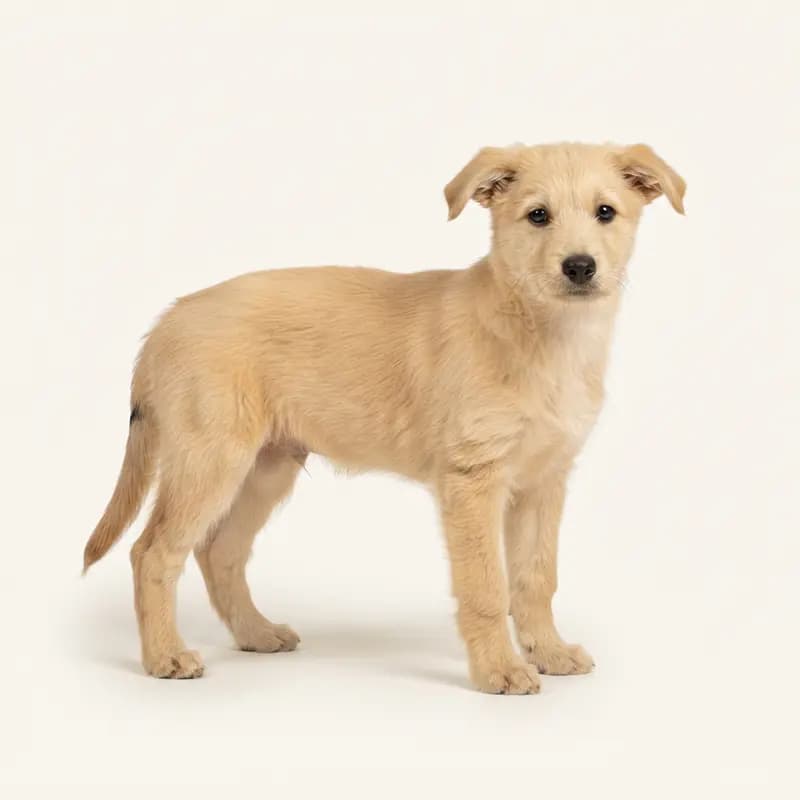
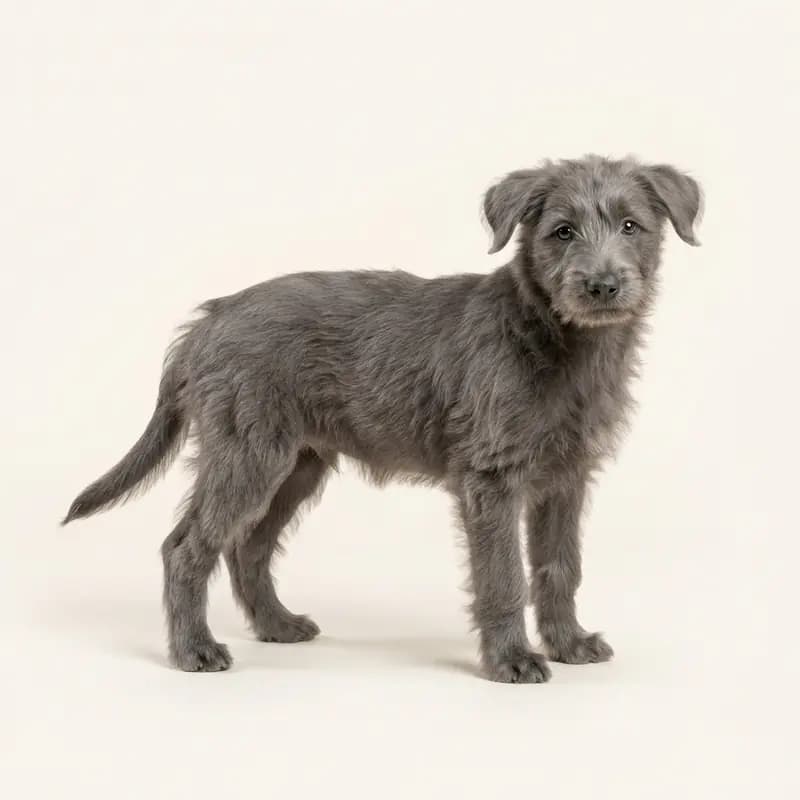
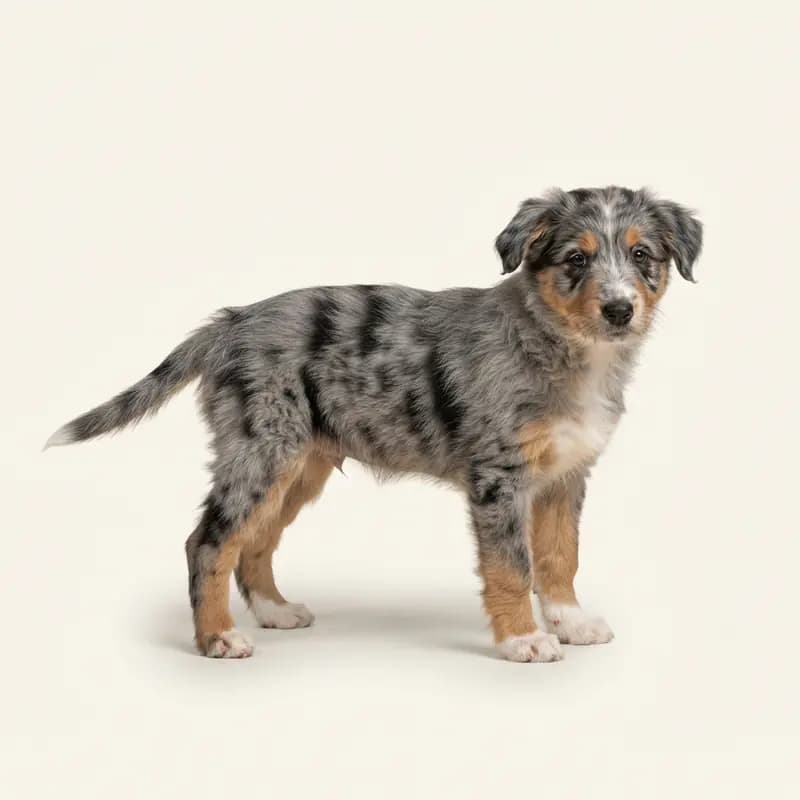
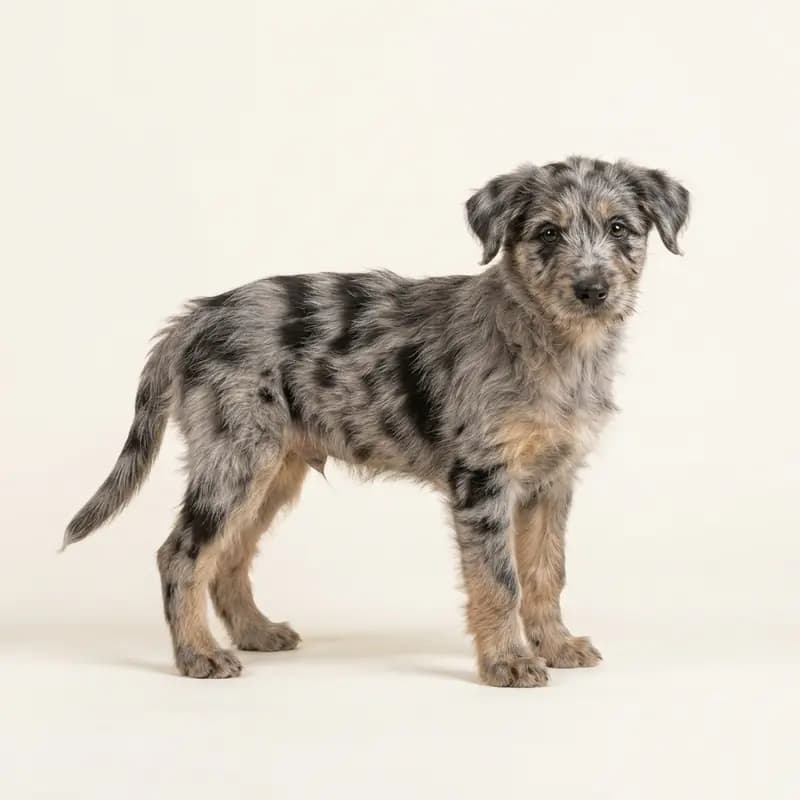
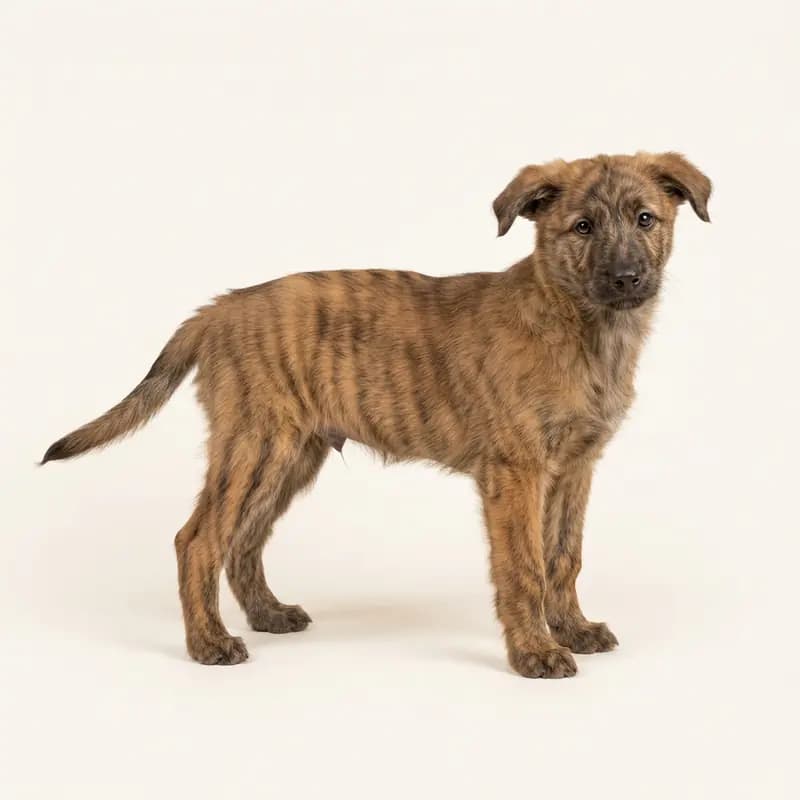
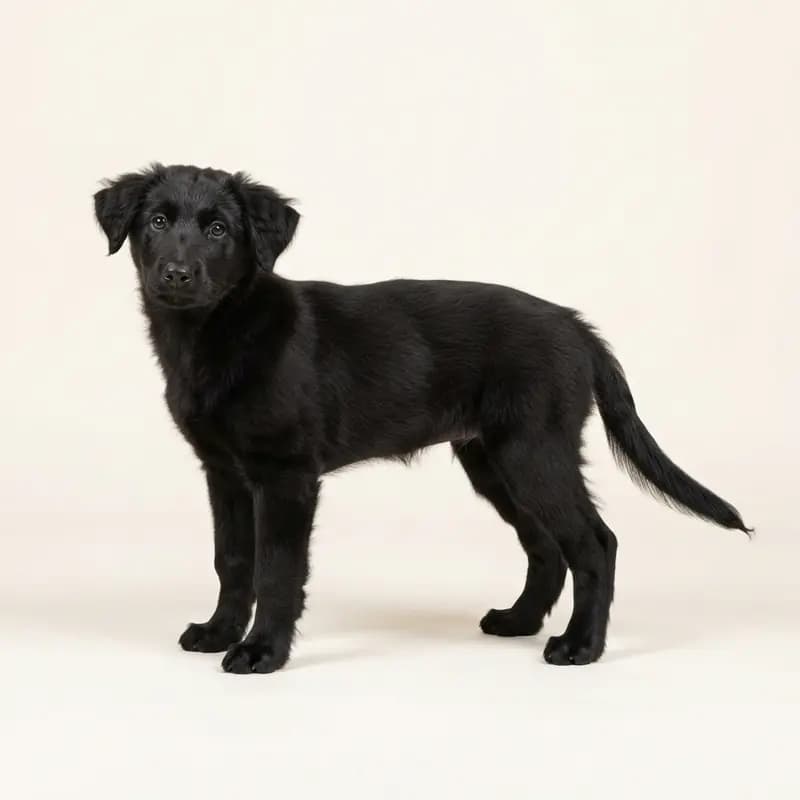
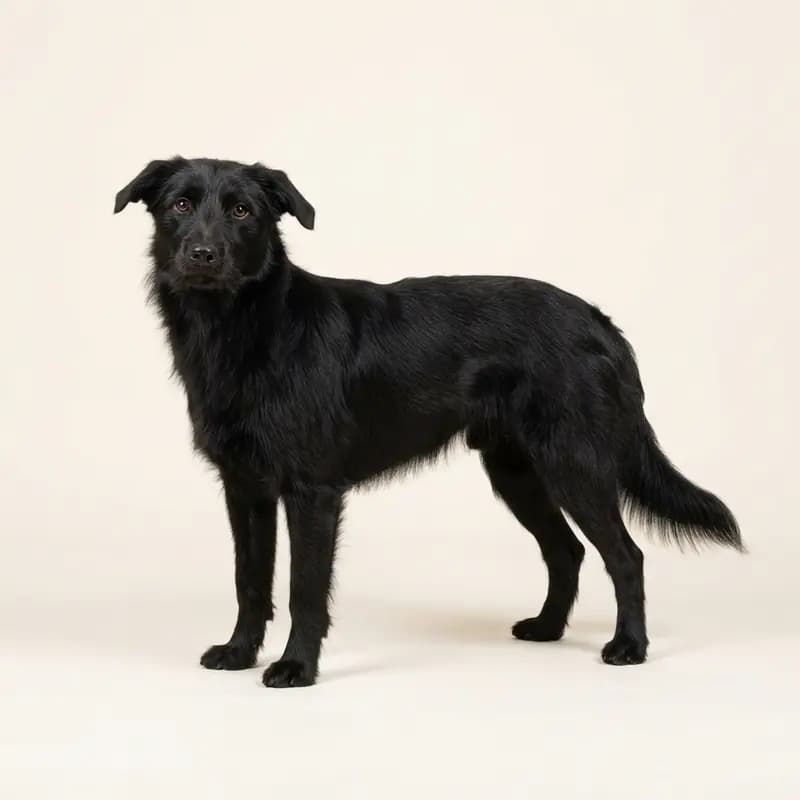
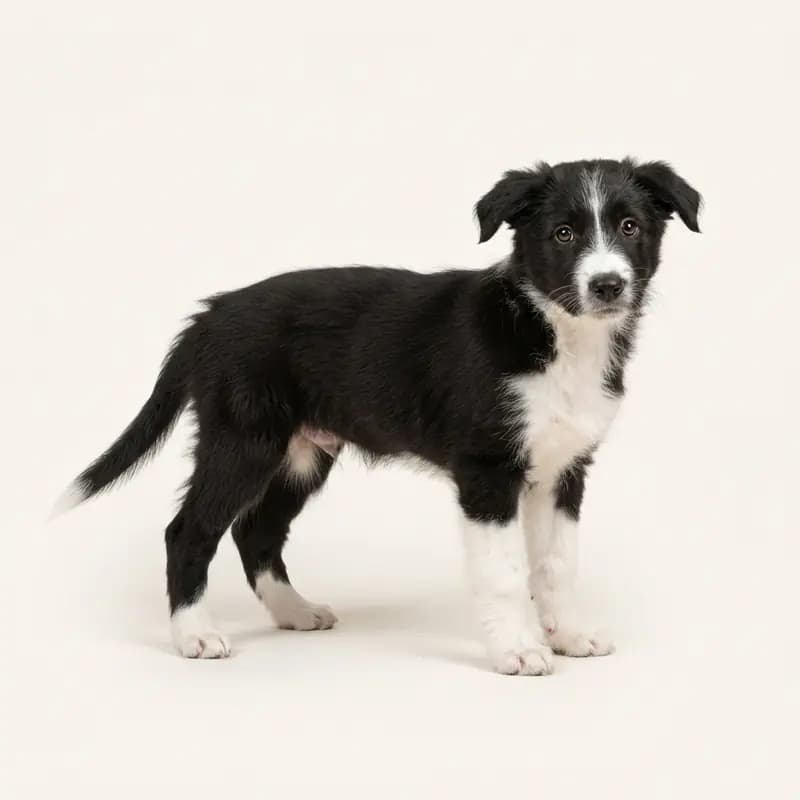
The coat colors that occur in the Pyrenean Shepherd (Smooth-faced) — including which ones fall outside the breed standard and which carry genetic risk.
Eye colors
 Brown
 Blue
 Odd-eyed
Coat type
 Smooth
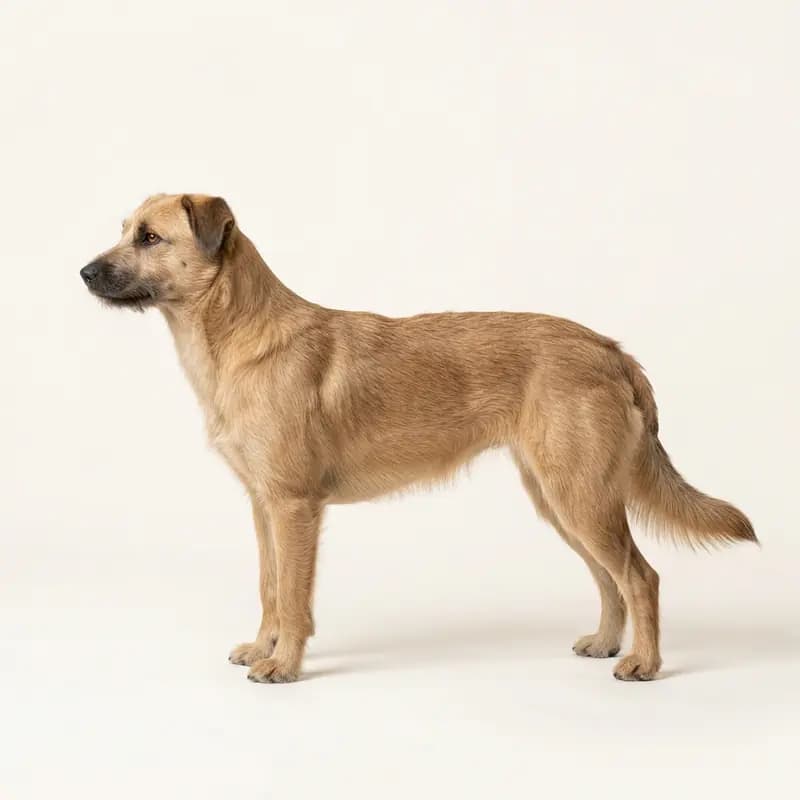 Illustrative image
Short
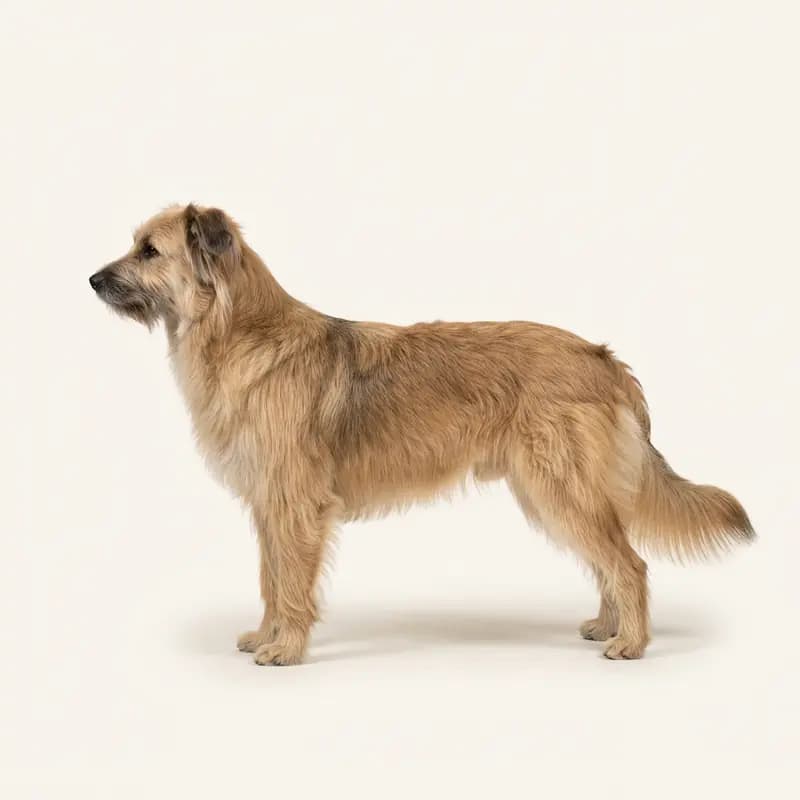 Illustrative image
Medium
The real vibes check
A Berger des Pyrénées is like a coiled spring that triggers at the slightest movement — he thinks, reacts, and moves twice as fast as most other breeds. You aren't getting a relaxed tag-along, but a highly intelligent specialist who scans your every mood. If you give him a real job and security, he will never leave your side; if you leave the decisions to him, he will take control in a loud and boisterous way.
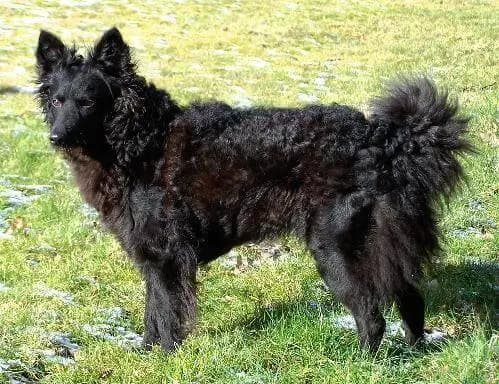
The Berger des Pyrénées, also known as the Pyrenean Shepherd, is an agile and lively herding dog breed from the French Pyrenees. It belongs to FCI Group 1, Section 1, which includes herding and driving dogs. Characteristic of the Berger des Pyrénées is its medium, compact body covered by a dense coat, usually rough or smooth. Its face is marked by expressive, almond-shaped eyes and mobile, triangular ears, giving it an alert and intelligent expression. Within the breed, there are various coat types and colors, ranging from solid to speckled. The Berger des Pyrénées is known for its high work enthusiasm, intelligence, and adaptability, making it an excellent companion for active people. Its herding and guarding instincts are strongly pronounced, which is why it requires consistent but loving training.
The Berger des Pyrénées is a lively and intelligent herding dog that impresses with its versatility and adaptability. It shows a close bond with its family and is very people-oriented, convincing both as an active companion in everyday life and as a reliable working dog. Its pronounced work drive requires regular physical and mental exercise. Activities such as obedience training, scent work, or agility are ideal to promote its need for movement and intelligence. Despite its active nature, the Berger des Pyrénées can learn to be alone at times but requires sufficient social contact and attention. The Berger des Pyrénées has a natural protective behavior without being aggressive, making it well-suited as a guard dog. Its prey drive and herding behavior can manifest in a strong interest in moving objects, which is why consistent training and early recall training are important. Overall, the Berger des Pyrénées is a loyal, eager-to-learn, and versatile dog that, with the right support, is a balanced and reliable partner for active families and dog sports enthusiasts.
| Watchfulness A natural watchdog with real protective instinct. | High |
| Openness to Strangers Careful around unfamiliar people — thaws slowly. | Cautious |
| Hunting or Herding Drive Powerful instinct that can override recall when triggered. | Strong |
Fun Fact!
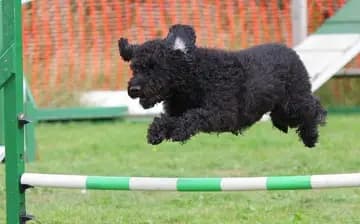
Berger des Pyrénées: The Berger des Pyrénées is a lively herding dog from the French Pyrenees, who with his shaggy coat and tireless energy conquers not only sheep but also hearts by storm. Despite his size, he is a true acrobat and loves to jump over rocks and mountains – a real mountaineer among dogs!
The Berger des Pyrénées (short-haired) is a lively and intelligent herding dog from the French Pyrenees. These dogs are very eager to learn and need meaningful activity to balance their temperament. They are alert and show a close bond with their family. The short-haired Berger des Pyrénées is well suited as an active family dog that requires a lot of exercise and mental challenge.
Berger des Pyrénées are lively and intelligent dogs that require a lot of exercise and mental stimulation. They are well suited for active families or individuals who spend a lot of time outdoors. Due to their strong protective and guarding instincts, they are alert and watchful, but usually friendly and affectionate towards their caregivers. Berger des Pyrénées generally get along well with children, especially if they are accustomed to interacting with them early on. They are socially compatible with other dogs and pets if good socialization takes place from a young age. Purely apartment living is less ideal, as they need to express their need for movement and intelligence to remain balanced.
Loves family life and thrives in a group.
Takes boisterous and affectionate children in its stride.
Usually gets on fine with other dogs.
Can manage in the city, but only with very active owners.
Owning a dog is a privilege, but it's also a real responsibility. Before you bring one into your life, be honest with yourself about the commitment it takes.
The Berger des Pyrénées is an intelligent and eager-to-learn dog that requires consistent and varied training. Similar to the German Shepherd, it is important to consider and specifically direct its natural instincts – especially its herding and guarding drive. Training that offers both mental and physical challenges is ideal to keep the Berger balanced and content. Like with the Labrador, training should be positive and reward-based to build a trusting bond. The Berger des Pyrénées responds well to clear structures but also needs sufficient rest periods to avoid overload. Frustration tolerance is an important part of training, as the breed can sometimes be stubborn. The Berger is excellent for dog sports such as obedience, agility, or mantrailing, where its agility and intelligence are required. At the same time, it is important not to overwhelm it, as this can lead to undesirable behavior. Overall, the Berger des Pyrénées requires dedicated training that promotes its natural abilities while providing enough balance. Those willing to invest time and patience will gain a loyal, lively, and versatile companion.
The Berger des Pyrénées requires a balanced diet that supports its active and energetic nature. High-quality dog food with a good amount of protein and all essential nutrients is ideal to strengthen its muscles and promote its health. Be careful to avoid overweight, as this can strain the joints. The coat of the Berger des Pyrénées (short-haired) is short and dense, lies close to the body and has no pronounced undercoat. Regular brushing, about once or twice a week, is enough to remove loose hair and keep the coat clean and healthy. They shed more heavily especially during the coat change in spring and autumn. Bathing should only be done when necessary to preserve the natural fat layer of the coat. The Berger des Pyrénées is well adapted to the Central European climate. Its short coat offers only limited protection from severe cold, so it should not stay outside too long in frost; in extreme heat, sufficient shade and water should be provided to prevent overheating. Regular exercise and mental stimulation are also important to keep the active dog balanced and healthy.
| Care Level Minimal effort — occasional brushing and bathing. | Low-maintenance |
| Exercise Needs Working-dog energy that needs burning off every single day. | High-drive |
| Shedding Regular shedding — dog hair on clothes is now normal. | Moderate |
| Trainability Picks up commands quickly and wants to please. | Eager to learn |
Our experts are still reviewing this information. Spotted something wrong? Email us at info@honestdog.de.
Every puppy that finds a home through HonestDog should start with 30 days of free insurance cover, for a stress-free start. We're currently looking for the right insurance partner.
Robust
Health grade
The short-haired Berger des Pyrénées is considered a very robust breed, yet orthopedic problems such as hip dysplasia (HD) and patellar luxation (PL) as well as eye diseases such as cataracts or progressive retinal atrophy (prcd-PRA) can occur. The Club Berger des Pyrenees e.V. (cbp) therefore makes screening for hip dysplasia (HD) and tail anomalies mandatory for breeding approval. Responsible breeders additionally test the parent animals for patellar luxation (PL) as well as cataracts and progressive retinal atrophy (prcd-PRA). Before buying a puppy, ask to see the official test results: The parents should have HD A to C (C only mated with A or B), at most PL 0–1, and be certified as free from the eye diseases.
Grade is relative to other breeds — AI-assisted and editorially reviewed.
Methodology and data: HonestDog Dog Breed Health Report 2026
What matters most for this breed
Tap any item to see details.
In daily life this can mean
You should pay attention to a healthy weight and joint-friendly upbringing, as well as schedule regular eye check-ups so your dog stays active for a long time.
The breeder's role
Responsible breeders screen for hip dysplasia (HD) as well as tail anomalies and voluntarily test for patellar luxation (PL), cataracts, and progressive retinal atrophy (prcd-PRA).
Note: This health overview is AI-assisted and editorially reviewed. It is for orientation only and does not replace veterinary advice.
What matters most for this breed — what's common, how much it affects the dog's life, and how to protect yourself as a buyer.
Tap a body region to see the inherited conditions linked to it.
The three most important risks
Pick a region on the map to explore other areas.
Tier 1 reflects the tests Club Berger des Pyrenees e.V. (cbp) actually mandates. Tiers 2 and 3 show how responsible breeders go beyond.
Club standard. Club Berger des Pyrenees e.V. (cbp) requires these tests for breeding approval. Ask any reputable breeder for the results.
No entries in this tier.
Note: This health overview is AI-assisted and editorially reviewed. It is for orientation only and does not replace veterinary advice.
These topics play a role in the Pyrenean Shepherd (Smooth-faced). What they mean, what a healthy dog looks like and what to look out for is explained on dedicated pages.
A Pyrenean Shepherd (Smooth-faced) costs around ~€160 per month (€90 – €300, depending on your setup). The first year adds up to roughly ~€4,790 including purchase, equipment and puppy school; across the dog's life (13.5 years) it comes to about ~€29,290.
With surgery cover, running costs come to about ~€150 per month — in return, your share of a major operation drops from several thousand euros to around 20 percent.
Per month
~€160
In the first year
~€4,790
Across the dog's life
~€29,290
Estimated purchase price from a breeder: €1,500 – €2,500
Estimate at a mid-range setup (suburban, dry food, 1–2 hours of daily exercise), average German prices, as of July 2026.
HonestDog Concierge
We currently have no breeders for this breed who have passed our verification. Create your short buyer profile: we'll set up your search alert, review a possible source and email you within 28 days.
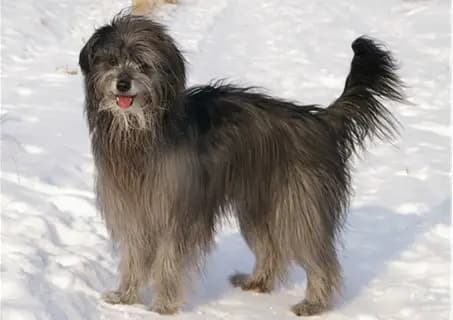
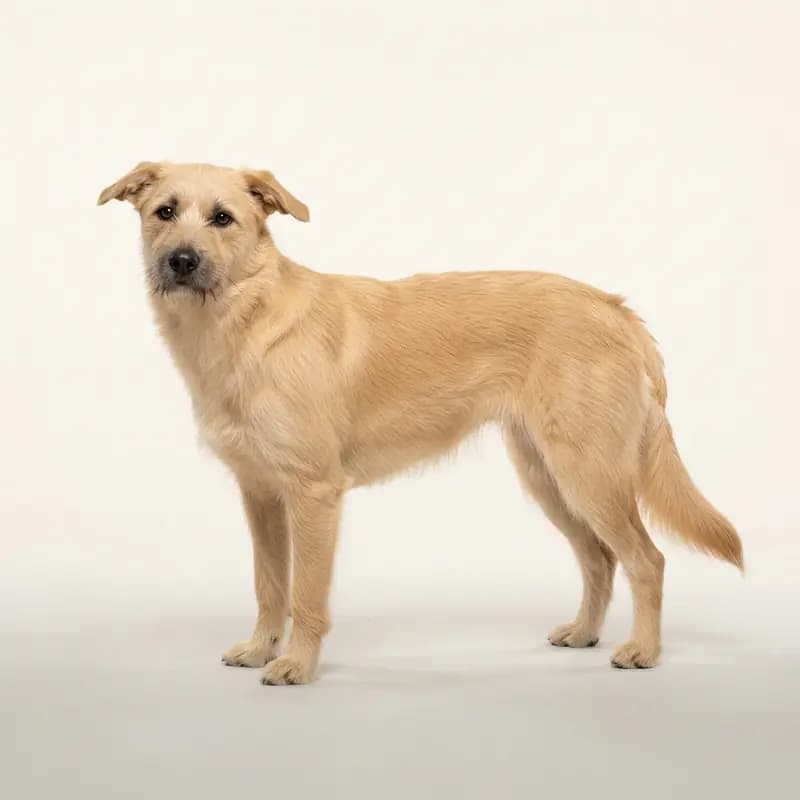 Illustrative image
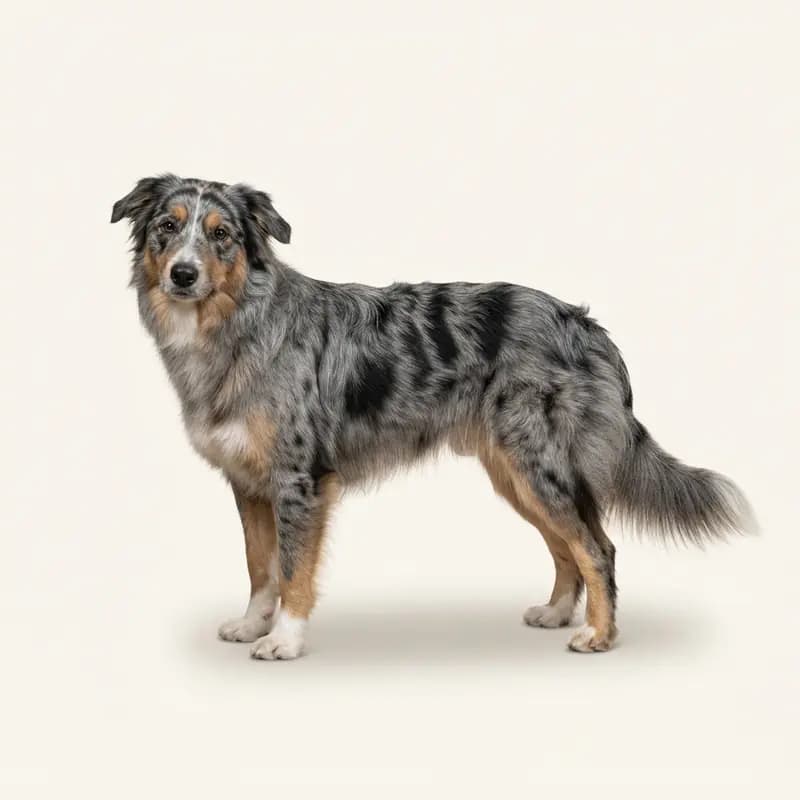 Illustrative image
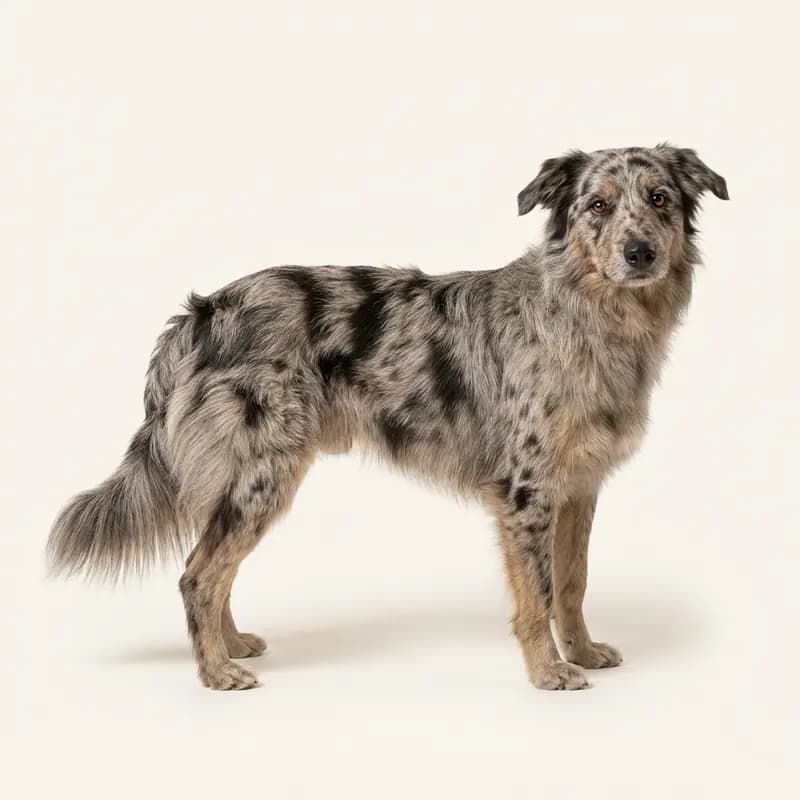 Illustrative image
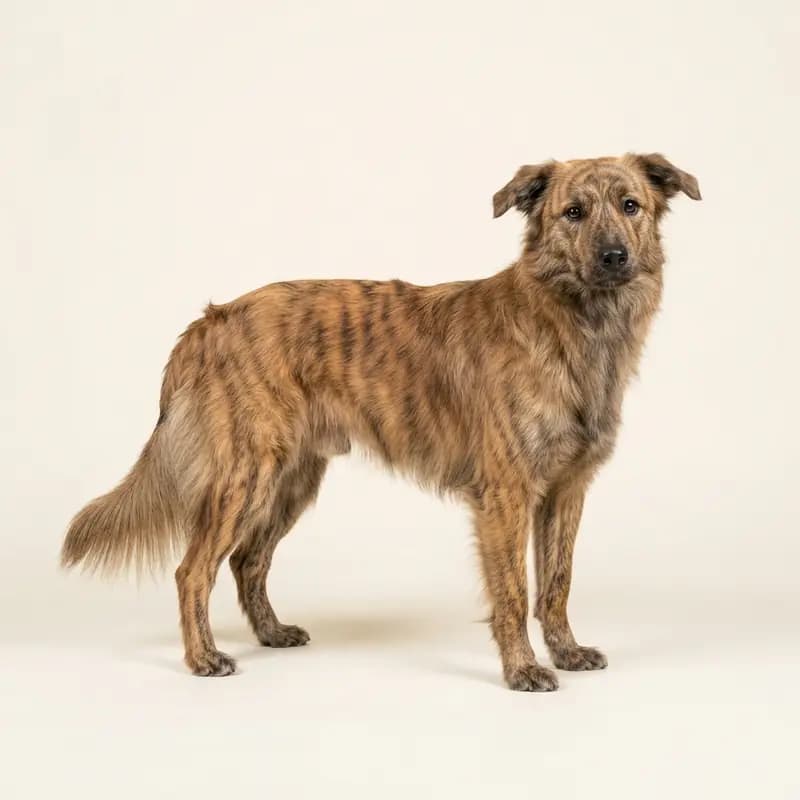 Illustrative image
The history of the Berger des Pyrénées begins in the 19th century in the Pyrenees, a mountain region between France and Spain. Originally, these dogs were bred by shepherds to herd and protect sheep flocks in difficult terrain. Their agility, intelligence, and endurance made them indispensable companions for work in the mountains. Over time, various varieties developed, differing in size and coat type. The breed was officially recognized in the 20th century and is now popular both as a working dog and as a family pet.
Original Use
The short-haired Pyrenean Shepherd was also used to herd flocks of sheep in the French Pyrenees.
Origin
France
Date
1920
Many owners of the smooth-faced variety (Face Rase) describe everyday life with these dogs as rewarding, while also stressing how much temperament they have. At home they are often loyal companions that follow their people almost like a shadow, form a deep bond with them and sensitively pick up on the smallest shifts in mood. Compared with the long-haired type, the Face Rase is often seen as somewhat more outgoing and nimble, but it still brings the strong watchdog and alarm-barking instinct of a mountain herding dog. Unfamiliar noises or strangers on the property are reliably, and sometimes loudly, announced.
With visitors and strangers, owners regularly report marked initial skepticism. The Pyrenean Shepherd is not a dog that lets just anyone pet it; it expects respect and distance. Within its own family, including with older children, it is affectionate and playful as long as the rules are clear. But if its herding and controlling tendencies aren't steered into the right channels in time, it tends to try to manage moving things or children romping around on its own initiative.
Sources:cbp-online.dede.working-dog.commartinruetter.comforum.hundund.dehundeseite.de
Owner accounts of training keep stressing that the smooth-faced Pyrenean Shepherd learns exceptionally fast. Owners and sport handlers value its motivation in dog sports such as agility, hoopers or obedience, where it reacts in a flash and works with enthusiasm. The downside of all this cleverness is that it has little time for unquestioning obedience: if the dog sees no point in a repetition or exercise, it tends to reinterpret commands or do things its own way.
Owners especially emphasize the need for sensitive but completely consistent handling. This sensitive herding dog reacts to rough pressure or harsh punishment with insecurity, avoidance or stress, while inconsistency leads it to take decisions into its own paws. Key everyday challenges include how easily it reacts to stimuli, learning frustration tolerance and redirecting its typical chasing and herding behavior toward fast-moving triggers like joggers or cyclists early on.
Sources:cbp-online.deforum.hundund.decsbp.chtackenberg.denaseweisbz.net
Owners see the smooth-faced Pyrenean Shepherd as a very hardy, rustic dog close to its natural type, both in health and in grooming. With responsible breeding, breed-typical hereditary diseases are rare, and these dogs often enjoy impressive vitality well into old age. A clear advantage of the short-haired variety is how practical its coat is: because the face has short hair and the rest of the coat is less dense and woolly than in the long-haired type, it hardly ever mats or cords. Dirt and burrs can usually be brushed out easily after outings in woods and fields.
According to owners, the biggest health and mental challenge lies instead in balancing activity and rest. Because of its great stamina and eagerness to work, it's easy to overdo things without noticing or to turn the dog into an overexcited runner that never stops. Many owners warn against relying only on physical exercise and repetitive ball games. Instead, they say, deliberately training rest periods is essential for the breed's mental balance and long-term well-being.
Sources:de.working-dog.commartinruetter.comhundeseite.decsbp.chforum.hundund.de
Paraphrased from real owner reports · translated from German
The Pyrenean Shepherd (Smooth-faced) is an active dog that needs plenty of exercise and mental stimulation. Research the temperament, grooming needs, and space requirements before deciding.
The average life expectancy of a Pyrenean Shepherd (Smooth-faced) is 12-15 years. With proper care and regular vet visits, your dog can live a long, healthy life.
Pyrenean Shepherd (Smooth-faced) grooming requirements include regular brushing, nail trimming, and dental care. HonestDog provides detailed grooming tips for every breed.
The Pyrenean Shepherd (Smooth-faced) can be a great family dog. Proper training and socialization are key. HonestDog provides family suitability information for every breed.
The Pyrenean Shepherd (Smooth-faced) comes in these colors: Fawn, Grey, Blue merle, Merle, Brindle, Black, Black and white.
Showcase your kennel on HonestDog and reach families searching for a responsibly bred Pyrenean Shepherd (Smooth-faced).