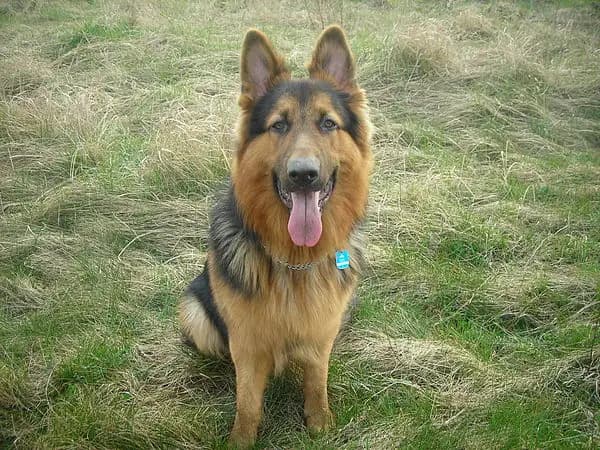
Old German Shepherd Dog
Similar profile

Dogs love cookies, and so do we
Cookies for analytics and ads. Privacy
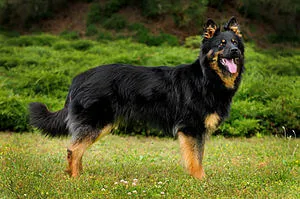
The Böhmischer Schäferhund (Bohemian Shepherd) is an agile, extremely people-oriented, and vigilant Hütehund (herding dog)—bred to guard farms and herd livestock in the rugged forests of Bohemia, which has instilled in him a high level of responsiveness and a constant readiness to work.
How the health grade is calculated
Sources for required breeding screenings. Klub přátel chodského psa v ČR z.s. (KPCHP)
Self-check
Answer 6 quick questions about your everyday life and see how well the Bohemian Shepherd fits you — including an honest cost estimate per month, per year, and across the dog's lifetime.
Question 1 of 6
Count honestly — the normal day, not the best one.
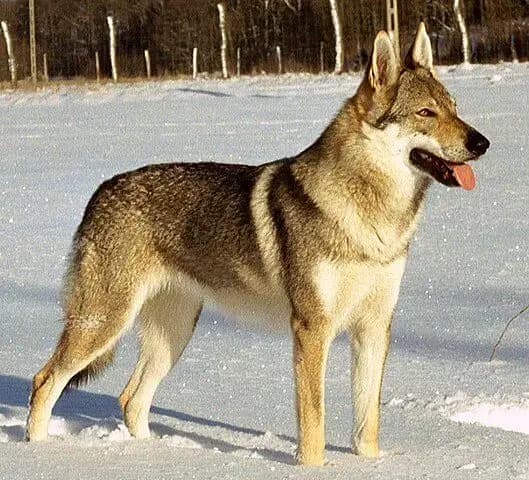
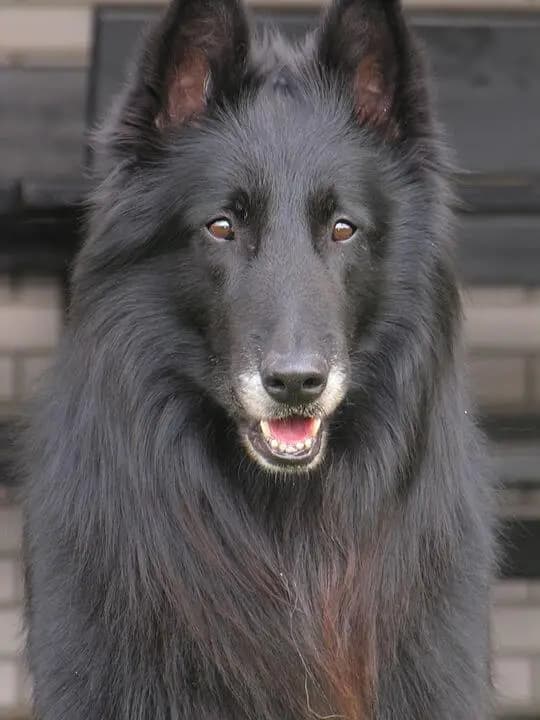
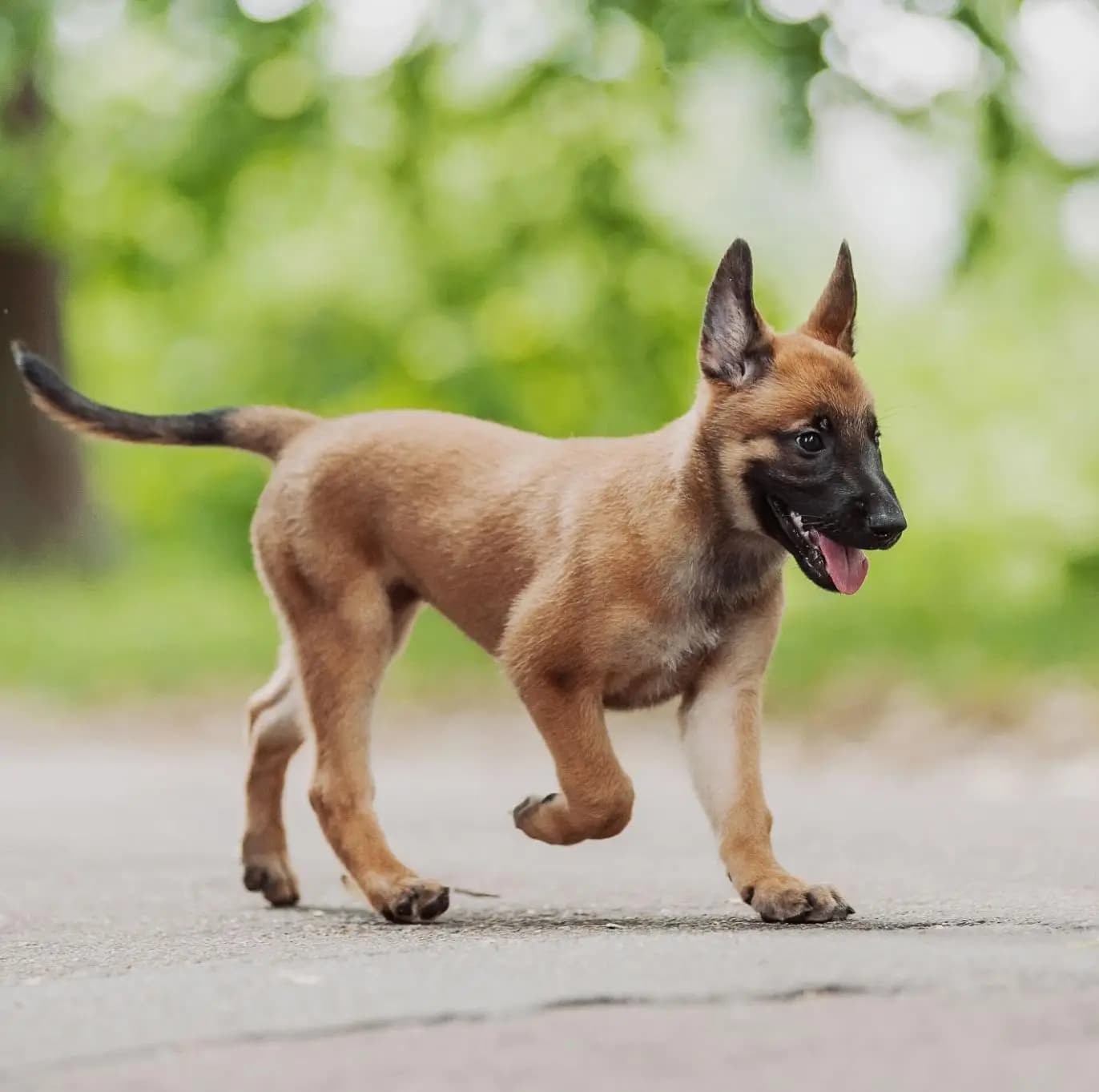
At a glance
The essentials — key facts, traits, and health priorities — before you dive deeper.
Lifespan
12–14 yrs
Shoulder height
49–55 cm
Weight
17–27 kg
Practical
Temperament
Daily life
What matters most
Especially with a Bohemian Shepherd, choosing the right breeder is the single most important decision you'll make. Serious breeders consistently test the parents for inherited conditions, prioritize healthy early socialization, and stay accountable long after handover. A cheap puppy without health screening tends to become the most expensive dog later on.
See HonestDog breeder standards →Colors & coat
The coat colors that occur in the Bohemian Shepherd — including which ones fall outside the breed standard and which carry genetic risk.
Eye colors
 Brown
Coat type
 Long
 Double coat
The real vibes check
A Böhmischer Schäferhund is like a highly sensitive radar that scans your movements and views daily life as a joint project. You aren't getting a dog that just tags along; you're getting a real colleague who asks every morning, 'What are we working on today?' If you channel this energy, you have the most loyal shadow in the world—but if you leave him to his own devices, he will find his own tasks, which are guaranteed not to be to your liking.
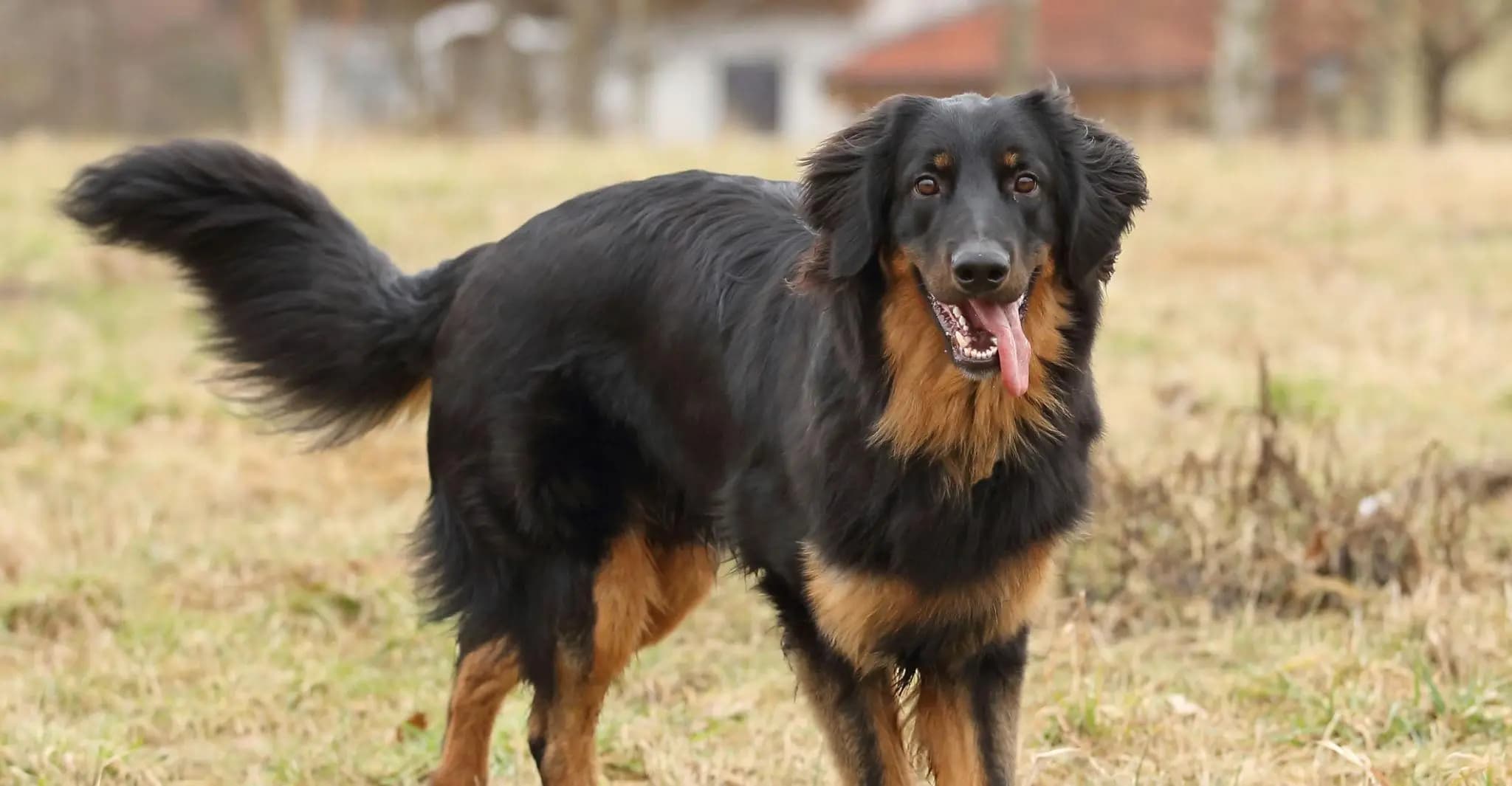
The Bohemian Shepherd, also known as Chodsky pes, is a medium-sized dog with a strong, harmonious build. He has a beautiful, dense coat that is often slightly wavy and has a lush undercoat. The ears are set high and hang slightly forward in the typical shape. The eyes are dark and almond-shaped, giving it an intelligent and friendly expression. The Bohemian Shepherd Dog belongs to FCI Group 1, a herding and driving dog. There is no division into performance and show lines in this breed, which means that all Bohemian Shepherds have in common both the character traits of working dogs and the attractive appearance.
If you are looking for a loyal, intelligent and alert companion, the Bohemian Shepherd could be just the thing for you. Their origins as guard and herding dogs have given them strong protective behavior. They are very people-oriented and build a deep bond with their family. This makes them wonderful family dogs. Their intelligence makes them easy to train, but it's important to give them varied tasks to keep them mentally occupied. They are very observant and quickly notice when something is wrong in their environment, which makes them good watchdogs. Although the Bohemian Shepherd is active, he does not tend to be hyperactive. He enjoys walks and playtime, but he's also happy just being around his people. He can learn to stay alone, but it is important to teach him that this is a normal routine. Staying alone should be practiced gradually to avoid separation anxiety. The Bohemian Shepherd Dog does not usually show strong hunting or prey-catching behavior, but it is always advisable to socialize him well from an early age and teach him how to behave in the presence of other animals. Even when alert, Bohemian Shepherds are generally not aggressive. They are rather reserved towards strangers, but they are very loving and gentle towards the people they know. As working dogs, they are used to having a job. If they are kept as family dogs, it is important to find alternative ways to keep them occupied. They can participate in dog sports or simply serve as a companion dog. Their intelligence and empathy also make them excellent therapy dogs.
| Watchfulness Strong territorial instinct — may actively confront intruders. | Very high |
| Openness to Strangers Neither pushily friendly nor suspicious. | Neutral |
| Hunting or Herding Drive Noticeable drive — needs attention around small animals. | Moderate |
Fun Fact!
Did you know that the Bohemian Shepherd was originally bred to guard the borders in the Chodov region of what is now the Czech Republic? This is where his name comes from: “Chodsky pes”, which means “dog from Chodov” in Czech.
The Bohemian Shepherd (Chodský pes) is an intelligent and eager-to-learn dog with a strong protective instinct. It is alert and well-suited as a family and guard dog. This breed requires consistent training and sufficient activity to fully realize its potential. The Chodský pes is robust, active, and shows a close bond with its people.
The Bohemian Shepherd is an active and intelligent dog that can be kept both in the city and in the country, provided it gets enough exercise and mental stimulation. He is known to get along well with children and is generally friendly with other pets as long as he has been properly socialized.
Loves family life and thrives in a group.
Gets on well with children — with adult supervision.
Actively enjoys the company of other dogs.
Can manage in the city, but only with very active owners.
Owning a dog is a privilege, but it's also a real responsibility. Before you bring one into your life, be honest with yourself about the commitment it takes.
The Bohemian Shepherd is an intelligent and willing to learn dog that is easy to train. Its original use as a herding dog is reflected in its willingness to work and its need for mental and physical activity. It is important that he is not overwhelmed and that he receives enough rest periods. Frustration tolerance and impulse control should be encouraged in training this breed. Due to his high willingness to learn, he can also be used well in various dog sports such as agility, obedience or search games.
The Bohemian Shepherd Dog has no special food requirements and gets along well with a balanced, high-quality dog food. He has a long and dense coat with a thick undercoat that requires regular grooming to prevent matting. The Bohemian Shepherd Dog does shed, especially during the shedding phases. The climate in Germany should not be a problem for this breed as it originally comes from a similar climate.
| Care Level Regular brushing and occasional professional grooming. | Moderate |
| Exercise Needs Needs several hours of serious exercise every day. | Very active |
| Shedding Hair everywhere, always — no white clothing survives. | Very heavy |
| Trainability Picks up commands quickly and wants to please. | Eager to learn |
Our experts are still reviewing this information. Spotted something wrong? Email us at info@honestdog.de.
Solid
Health grade
The Bohemian Shepherd (Chodsky pes) is considered a comparatively robust breed, but carries genetic risks for serious diseases such as degenerative myelopathy, hip dysplasia (HD), and elbow dysplasia (ED). The Klub přátel chodského psa v ČR z.s. (KPCHP) makes a DNA test for degenerative myelopathy mandatory for breeding approval. Responsible breeders additionally have the parent animals' joints X-rayed (HD A–C, ED 0–1) and additionally screen for eye diseases such as cataracts and progressive retinal atrophy, as well as genetic tests for the MDR1 defect (multidrug sensitivity) and pituitary dwarfism (LHX3). Ask to see the official findings for joints and degenerative myelopathy, and ensure with carriers of MDR1 or LHX3 that the mating partner is genetically clear.
Grade is relative to other breeds — AI-assisted and editorially reviewed.
Methodology and data: HonestDog Dog Breed Health Report 2026
What matters most for this breed
Tap any item to see details.
Without a consistent rearing phase and good preventative care—such as regular check-ups—health problems and veterinary costs can rise significantly later on.
Responsible breeders mandatorily test for degenerative myelopathy and voluntarily screen for hip dysplasia (HD), elbow dysplasia (ED), and hereditary eye diseases.
Note: This health overview is AI-assisted and editorially reviewed. It is for orientation only and does not replace veterinary advice.
What matters most for this breed — what's common, how much it affects the dog's life, and how to protect yourself as a buyer.
Tap a body region to see the inherited conditions linked to it.
The three most important risks
Pick a region on the map to explore other areas.
Tier 1 is the core standard: the tests Klub přátel chodského psa v ČR z.s. (KPCHP) requires, plus further tests from the recommended health standard for this breed. Tiers 2 and 3 show how responsible breeders go beyond.
Core standard. Tests marked “Club standard” are required by Klub přátel chodského psa v ČR z.s. (KPCHP) for breeding approval; the others are part of the recommended health standard for this breed. Ask any reputable breeder for the results.
No entries in this tier.
Note: This health overview is AI-assisted and editorially reviewed. It is for orientation only and does not replace veterinary advice.
A Bohemian Shepherd costs around ~€180 per month (€100 – €350, depending on your setup). The first year adds up to roughly ~€4,790 including purchase, equipment and puppy school; across the dog's life (13 years) it comes to about ~€31,250.
With surgery cover, running costs come to about ~€180 per month — in return, your share of a major operation drops from several thousand euros to around 20 percent.
Per month
~€180
In the first year
~€4,790
Across the dog's life
~€31,250
Estimated purchase price from a breeder: €1,000 – €2,500
Estimate at a mid-range setup (suburban, dry food, 1–2 hours of daily exercise), average German prices, as of July 2026.
HonestDog Concierge
We currently have no breeders for this breed who have passed our verification. Create your short buyer profile: we'll set up your search alert, review a possible source and email you within 28 days.

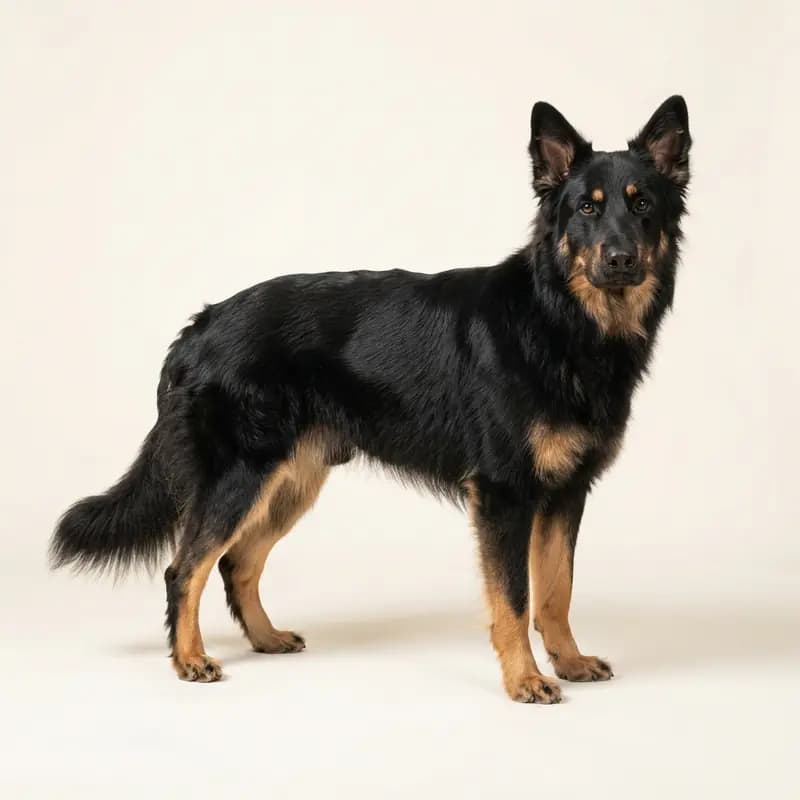 Illustrative image
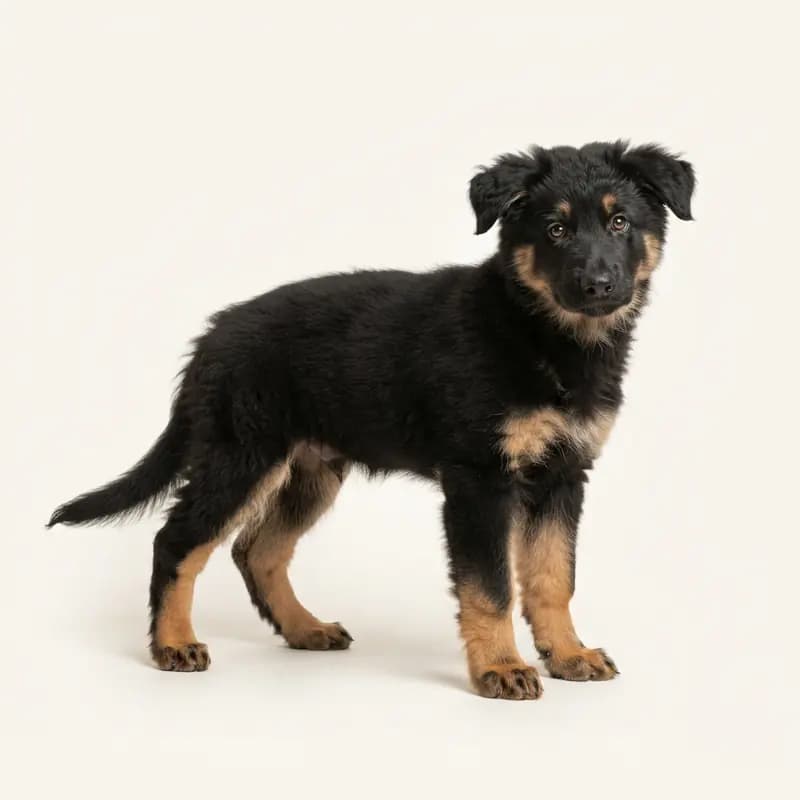 Illustrative image
The breed comes from the Czech Republic and has a long history dating back to the 14th century. Originally, these dogs were bred by the Chods, an ethnic group in Bohemia, to guard their land and herds. Hence the name Chodsky pes, which means “dog of the Chodes”. During the 19th and early 20th centuries the breed became increasingly popular in the Czech Republic. The dogs were not only used for herding, but also as guard dogs and companion dogs. The Bohemian Shepherd Dog gained recognition as an independent breed in the 1980s when breeders began working to preserve the breed. The Bohemian Shepherd Dog has also been recognized by the FCI since 2019.
The Chodský pes was used as a herding and guard dog in the Choden region and is known for its long, black fur.
Czech Republic
1300
In family and everyday life, owners often describe the Bohemian Shepherd (Chodsky Pes) as the gentler, more biddable "shepherd in a smaller size." They especially highlight how people-oriented and affectionate it is: a Chodsky Pes wants to be close to its pack at all times and be part of everything. Compared with the German Shepherd, many owners say it gets along noticeably better with other dogs at breed meetups or on walks and is less inclined toward aggression. With strangers it is usually neutral to slightly reserved, but it warms up quickly in familiar surroundings.
The flip side of that close bond is being left alone, which many owners say has to be trained very carefully from puppyhood. Chodsky Pes tend to suffer from separation if they are suddenly isolated without preparation. Another recurring point is their strong territorial behavior and urge to alert. They take their historical role as border guard and watchdog over farm and family seriously. Barking at the fence or loudly announcing visitors calls for clear rules; otherwise the dog will decide for itself who is allowed onto the property.
In training, owners consistently report a dog that is eager to cooperate and enjoys working. Whether in obedience, companion dog sports or scent work, the Chodsky Pes learns quickly and wants to please. Experienced owners stress, however, that it cannot be trained through harshness or pressure. It is a sensitive dog that freezes up or withdraws when handled too roughly. Many also mention a certain independent streak: males can come across as tough and will question tasks they see no point in, or when their owner's leadership falters.
Owners particularly flag the breed's sensitivity to movement. Many individuals do have some prey drive; owners report everything from fixating on wildlife to trying to chase cars, bikes or joggers if impulse control wasn't built early. A trait owners often mention in training is "freezing": in new or tense situations, the dog likes to stop, take stock and assess what is going on, which impatient people can easily mistake for stubbornness or refusal. Teaching the dog to settle from the start matters just as much as physical exercise, so that it doesn't get overexcited.
Sources:edogs.deder-hundegefaehrte.de
Among owners and breed clubs, the Chodsky Pes is generally considered a natural, hardy breed. Because it is a fairly young restored breed that started from a rather narrow gene pool, breeders and well-informed owners keep stressing how important a low inbreeding coefficient and strict selection are. With a lighter build than the classic working breeds and a straight back, serious joint problems are less common, but X-ray screening for hip (HD) and elbow dysplasia (ED) is still a central topic in the breed community.
Breeding reports and owners also point to the risk of degenerative myelopathy (DM), though genetic tests are now available and prospective puppy buyers should check for them before buying. Owners describe the long, weatherproof coat with its dense undercoat as surprisingly easy to care for: regular brushing is usually enough, though during the twice-yearly shed you should expect a lot of loose hair around the house. With proper care and healthy parentage, the breed usually enjoys a long life and stays keen on activity well into old age.
Sources:petbook.de
Paraphrased from real owner reports · translated from German
The Bohemian Shepherd is an active dog that needs plenty of exercise and mental stimulation. Research the temperament, grooming needs, and space requirements before deciding.
The average life expectancy of a Bohemian Shepherd is 12-14 years. With proper care and regular vet visits, your dog can live a long, healthy life.
Bohemian Shepherd grooming requirements include regular brushing, nail trimming, and dental care. HonestDog provides detailed grooming tips for every breed.
The Bohemian Shepherd can be a great family dog. Proper training and socialization are key. HonestDog provides family suitability information for every breed.
The Bohemian Shepherd comes in these colors: Black and tan.
Showcase your kennel on HonestDog and reach families searching for a responsibly bred Bohemian Shepherd.