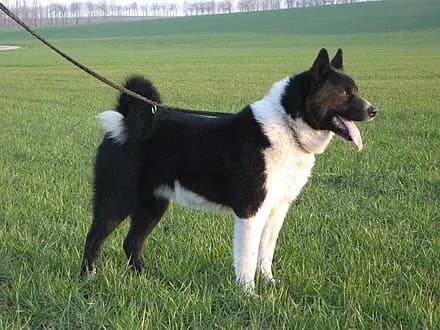
Even a natural breed such as the Finnish Spitz has certain health weak points. These mainly involve the musculoskeletal system, the eyes, metabolism and a few nervous system disorders. A responsible breeder does not rely on appearances alone, but uses targeted clinical diagnostics before mating their dogs.
Eye examinations for eye abnormalities
The recommended health standard for the Finnish Spitz includes a check for eye abnormalities by a specialist veterinarian. Reputable breeders regularly present their breeding dogs to a specialist veterinary ophthalmologist. This clinical examination shows whether the breeding dogs were free of detectable hereditary eye changes at the time of examination, and so lowers the risk for the offspring.
Joint diagnostics: patellar luxation and hip dysplasia (HD)
Although the Finnish Spitz is a relatively light dog, patellar luxation (the kneecap slipping out of place) and hip dysplasia (HD) are among the breed-typical issues. Health-conscious breeders therefore have their breeding dogs’ knee joints checked clinically by palpation for stability and their hip joints assessed by X-ray. When only animals with unremarkable joint findings are used for breeding, the likelihood that the puppies will later suffer from painful joint problems is reduced.
Knowledge of the lines for nervous system disorders and diabetes mellitus
Besides the eyes and joints, metabolic diseases such as diabetes mellitus and hereditary nervous system disorders also play a role in the Finnish Spitz. A reputable breeder uses only breeding dogs that are demonstrably free of these, and also carries out honest research into ancestry. A good breeder documents the health of related dogs carefully and consistently excludes from breeding plans any lines in which neurological problems or cases of diabetes have occurred more often.