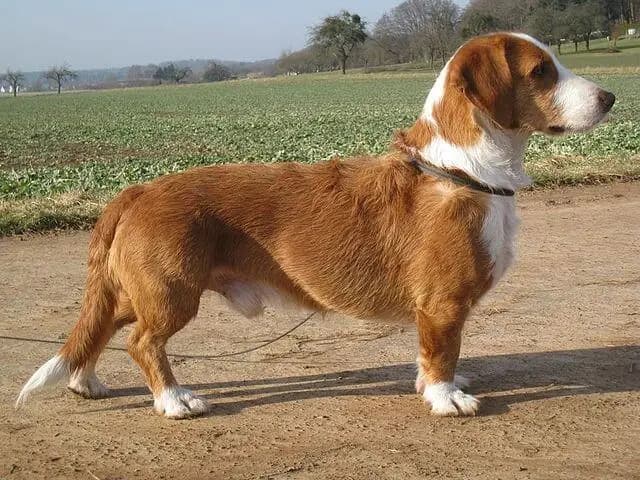
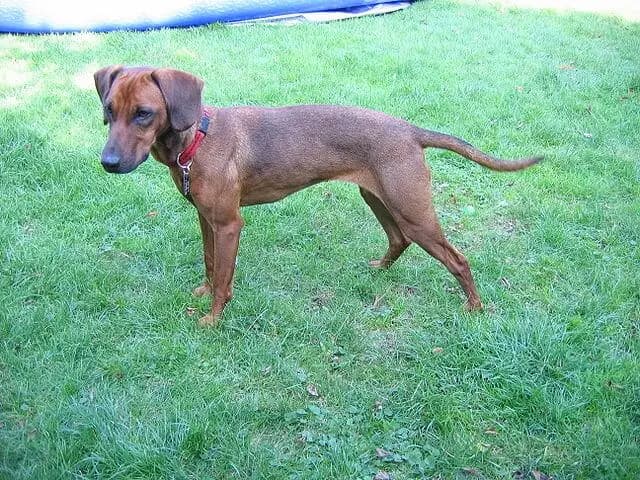
Westphalian DachsbrackeClose relative
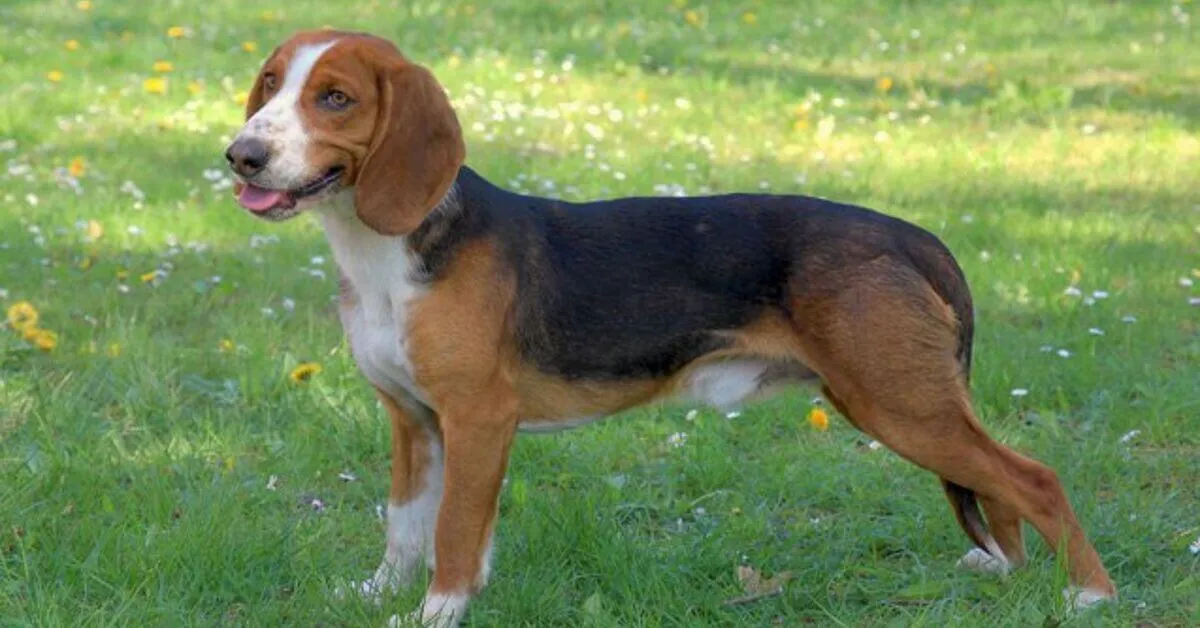
The Deutsche Bracke is an elegant, keen-nosed scenthound—bred for independent, baying work in the forest over long distances. This uncompromising hunting specialization makes them a thoroughbred worker that will wither away as a purely family-oriented pet.
Self-check
Answer 6 quick questions about your everyday life and see how well the German Hound fits you — including an honest cost estimate per month, per year, and across the dog's lifetime.
At a glance
The essentials — key facts, traits, and health priorities — before you dive deeper.
Lifespan
10–14 yrs
Shoulder height
40–53 cm
Weight
15–23 kg
Practical
Temperament
Daily life
What matters most
Especially with a German Hound, choosing the right breeder is the single most important decision you'll make. Serious breeders consistently test the parents for inherited conditions, prioritize healthy early socialization, and stay accountable long after handover. A cheap puppy without health screening tends to become the most expensive dog later on.
See HonestDog breeder standards →Colors & coat
The coat colors that occur in the German Hound — including which ones fall outside the breed standard and which carry genetic risk.
Eye colors
 Brown
Coat type
 Short
 Smooth
 Double coat
The real vibes check
In the living room, the Deutsche Bracke acts like a gentle, affectionate deer that would prefer to sleep on the sofa for hours—but as soon as you head into the forest, they flip a switch. Their nose locks onto the ground, their ears tune out, and the calm housemate turns into an uncompromising tracker. You aren't getting a companion who reads your every wish from your eyes, but a highly specialized colleague with their own profession.
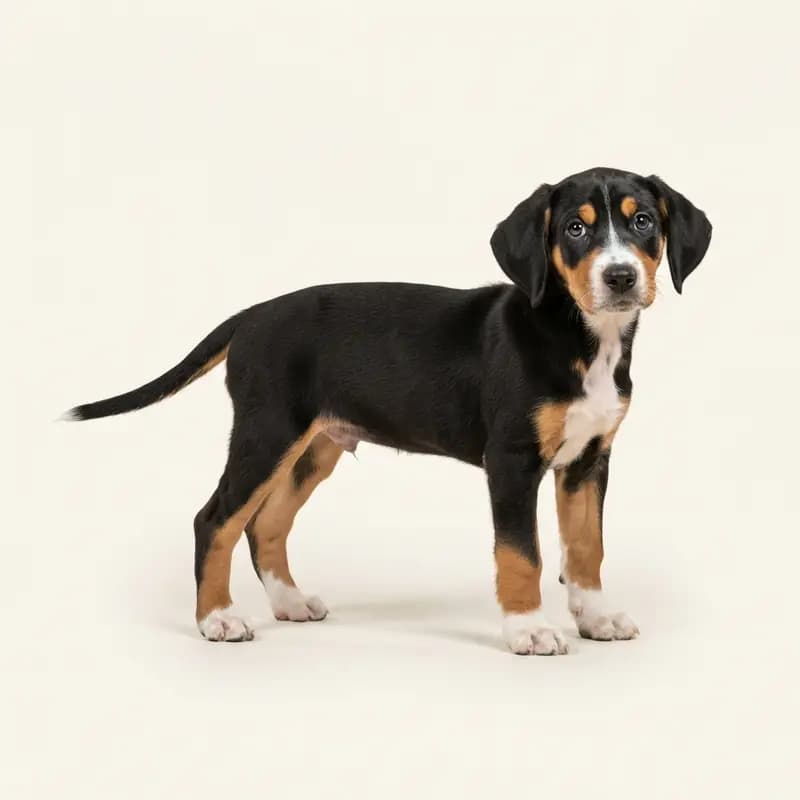
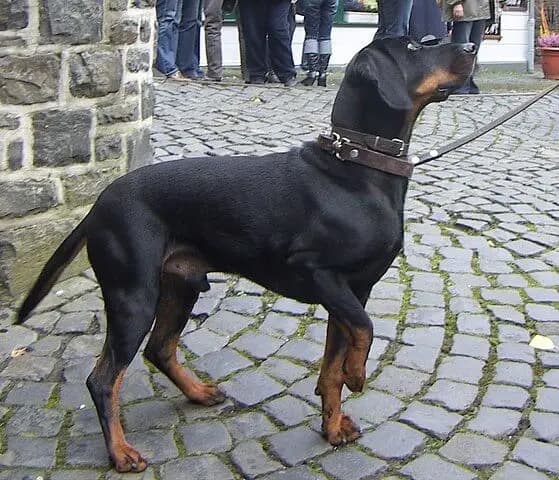
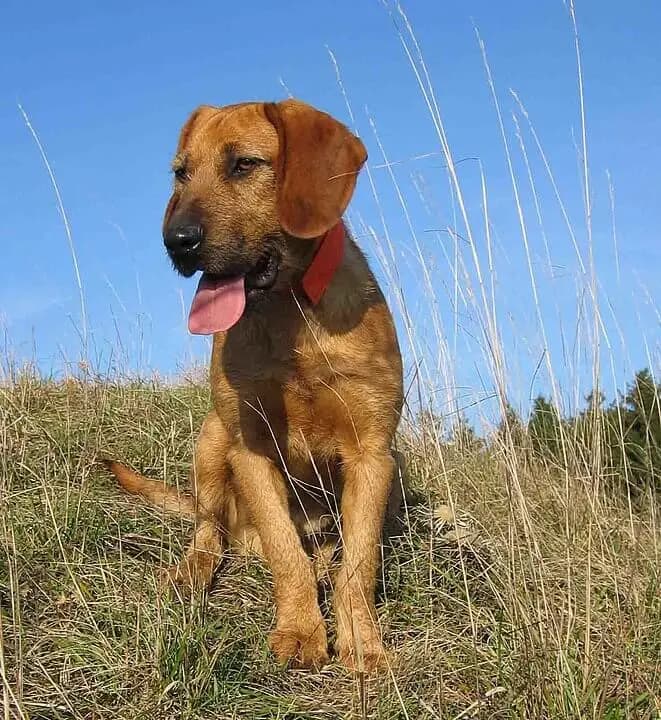
The German Hound is a medium-sized hunting dog with an elegant and muscular build. She has a friendly and alert appearance that reflects her observant and intelligent nature. With her bright, dark eyes and drooping ears, she creates a gentle yet expressive facial expression. Her robust constitution and short-haired, dense coat with an undercoat prepare her ideally for their original tasks as a hunting dog. She belongs to FCI Group 6: Running and Bloodhounds. The German Hound is a very uniform breed with little distinction between performance and show lines. A notable feature of this breed is the distinctive color of its coat - typically it is black with bright 'tan' markings, giving it a unique and attractive appearance.
The German Hound is an active and lively dog that loves being in the fresh air and using its nose. Their keen sense of smell and natural curiosity make them excellent sniffer dogs. They are known for their ability to work on both land and water and are known for their ability to follow the scent even in difficult terrain or in poor weather. This breed is very people-oriented and bonds closely with its family. They are friendly and open-minded towards people and generally get along well with children. Their lively and friendly nature makes them a happy companion and family dog. However, it should be noted that their hunting instincts may make them prone to chasing smaller pets, so it is advisable to socialize them early and well. The German Hound is an active dog that needs lots of exercise and mental stimulation. They love to sniff and explore on walks, and they are also happy when they have chores or jobs to do. Although they have a strong urge to work and hunt, they can also learn to enjoy quiet times as long as their needs for exercise and stimulation are met. With their strong alertness and guarding instinct, German Brackens also make good watchdogs. They are always attentive and quickly notice when something is wrong in their environment. Despite their friendly nature, they can bravely defend their family and home when necessary. When it comes to their independence, German Hounds are more cooperative and people-oriented. They enjoy working with their humans and value time together and interaction. Although they are capable of making decisions and working independently, especially when following a scent, they still prefer the company of their humans and enjoy being part of family life. When it comes to being alone, German Brackens should be accustomed to it early on in order to prevent any fears of separation. They greatly value the company of their humans and can become unhappy and stressed if left alone for long periods of time. However, with good upbringing and adaptation, they can learn to stay alone sometimes. The German Hound is an enthusiastic and dedicated dog who loves to keep busy and complete tasks. They are intelligent and eager to learn, which makes training easier, and they are usually willing and enthusiastic to learn and discover new things. However, they are not couch potatoes and require an active and engaging home that can provide them with the exercise, activity and stimulation they need. With their strong hunting instincts and natural curiosity, German Brackens also make excellent sniffer dogs and tracking dogs. They are excellent swimmers and climbers and love using their noses and tracking. However, they can have a tendency to follow their noses and run away if they come across an interesting trail, so a securely fenced area or a leash is recommended when they are outside. Overall, the German Bracke is a lively, active and friendly dog, suitable for active people who enjoy spending time outdoors and appreciate the intelligence and eagerness of this breed. With the right training, socialization and guidance, she can become a wonderful family dog and reliable companion.
| Watchfulness A natural watchdog with real protective instinct. | High |
| Openness to Strangers Neither pushily friendly nor suspicious. | Neutral |
| Hunting or Herding Drive This drive runs deep — no amount of training eliminates it. | Very strong |
Fun Fact!
Although the German Hound is an excellent sniffer dog, it was originally known for not only tracking down game, but also being able to kill it on its own!
The German Hound is an enduring and hunting-motivated dog, especially valued for tracking and pursuing game. It is friendly in interaction but also independent and requires consistent leadership. The German Hound is active and needs a lot of exercise as well as meaningful activity. It is well suited for experienced dog owners who want to promote its hunting abilities.
The German Hound is an active dog that needs lots of exercise and mental stimulation. It is more suitable for living in the country or in a house with a large garden than for purely urban living. She gets along well with children and is usually also friendly with other dogs. However, with cats and smaller pets, their hunting instinct can come through, so keeping these animals should be carefully considered.
Lives for its family — the born family companion.
Takes boisterous and affectionate children in its stride.
Usually gets on fine with other dogs.
Can manage in the city, but only with very active owners.
Owning a dog is a privilege, but it's also a real responsibility. Before you bring one into your life, be honest with yourself about the commitment it takes.
The German Hound is an intelligent dog that is willing to learn. She needs consistent and loving upbringing. Due to its origins as a working dog, it needs a lot of activity and tasks that it can solve. It is well suited for various dog sports such as agility, obedience or tracking. Here she can fully utilize her skills and enthusiasm. There is definitely a risk that the German Hound will become a ball junkie. It is therefore important that playing with the ball is well measured and controlled and that the dog also gets to know other activities and games. Frustration tolerance and impulse control are also important in this breed, as they can sometimes have difficulty controlling their impulses due to their hunting instincts. Therefore, care should be taken in upbringing to ensure that she learns to wait for signals and not to give in to every temptation immediately.
The German Hound has a robust build and is used to an active life. She needs a balanced diet that meets her needs. The nutrients, vitamins and minerals should be supplied in the right amount and in the right ratio. It is important that their food contains enough protein to support their muscles and enough carbohydrates for energy. She also needs a good amount of fat for a healthy coat and skin. Grooming the German Bracke is relatively easy because it has a short and smooth coat. It has an undercoat that protects it from the elements and therefore copes well with the German climate. She sheds moderately and requires regular brushing to remove dead hair and keep skin healthy.
| Care Level Minimal effort — occasional brushing and bathing. | Low-maintenance |
| Exercise Needs Needs several hours of serious exercise every day. | Very active |
| Shedding Regular shedding — dog hair on clothes is now normal. | Moderate |
| Trainability Has its own ideas and will test limits. | Strong-willed |
Our experts are still reviewing this information. Spotted something wrong? Email us at info@honestdog.de.
Solid, watch carefully
Health grade
Although the German Hound is a robust hunting dog, it carries an above-average burden of complex hereditary diseases. Particularly critical are idiopathic epilepsy and congenital blindness, which are difficult to control through breeding due to their complex inheritance. The occurrence of cleft palates also requires buyers to select breeding lines very carefully.
Grade is relative to other breeds — AI-assisted and editorially reviewed.
Methodology and data: HonestDog Dog Breed Health Report 2026
What matters most for this breed
Tap any item to see details.
You should ensure the dog is raised in a way that is gentle on their joints and regularly check and keep their heavy, pendulous ears dry to prevent painful infections.
Reputable breeders have the hips, elbows, and eyes of the parent animals tested and use targeted screening to avoid hereditary neurological diseases in their lines.
Note: This health overview is AI-assisted and editorially reviewed. It is for orientation only and does not replace veterinary advice.
What matters most for this breed — what's common, how much it affects the dog's life, and how to protect yourself as a buyer.
Tap a body region to see the inherited conditions linked to it.
The three most important risks
Pick a region on the map to explore other areas.
Tier 1 is the recommended health standard for this breed. Tiers 2 and 3 show how responsible breeders go beyond.
Recommended standard. These tests make up the recommended health standard for this breed — the baseline of any careful breeding program. Ask any reputable breeder for the results.
No entries in this tier.
No entries in this tier.
Note: This health overview is AI-assisted and editorially reviewed. It is for orientation only and does not replace veterinary advice.
A German Hound costs around ~€170 per month (€90 – €320, depending on your setup). The first year adds up to roughly ~€4,740 including purchase, equipment and puppy school; across the dog's life (12 years) it comes to about ~€27,450.
With surgery cover, running costs come to about ~€170 per month — in return, your share of a major operation drops from several thousand euros to around 20 percent.
Per month
~€170
In the first year
~€4,740
Across the dog's life
~€27,450
Estimated purchase price from a breeder: €1,200 – €2,500
Estimate at a mid-range setup (suburban, dry food, 1–2 hours of daily exercise), average German prices, as of July 2026.
HonestDog Concierge
We currently have no breeders for this breed who have passed our verification. Create your short buyer profile: we'll set up your search alert, review a possible source and email you within 28 days.
The German Bracke, also known as German Bracken or "Olper Bracke", has its roots in Germany and is one of the few breeds that is still referred to as a Bracken dog. The Bracken breeds are traditional hunting dogs known for their strong tracking skills and their loud barking when they follow a trail. The exact origin of the German Hound is not entirely clear, but it is believed to have been developed in the 18th or 19th century by crossing local German hunting dogs with various breeds of Bracke. It was originally used for hunting smaller wild animals such as hares and foxes and was particularly popular with hunters in the mountainous and forested regions of Germany. The German Bracke was officially recognized as a separate breed by the German Canine Association in 1955. Although relatively well known in its homeland, it is still a fairly rare breed outside of Germany.
The German Hound was bred for trailing and tracking game in wooded areas.
Germany
1896
In everyday life with people, the German Hound shows a striking contrast between how it behaves indoors and outdoors. Owners describe it at home as very gentle, affectionate and often surprisingly calm. These dogs actively seek out their people, usually get along very well with children and are considered easygoing, loyal housemates. That calm at home depends, however, on meeting their strong need to move and, above all, their need for real nose work every day.
Experienced owners and breeders describe them as out of place as pure companion dogs or city dogs in an apartment. If they have no job or are kept under-challenged on short walks for long stretches, they quickly become frustrated, restless and develop bad habits. In the yard, keep in mind that because of their deep-rooted hunting drive, they often won't tolerate unfamiliar small animals or cats. Keeping one therefore calls for a rural or nature-rich setting with a well-secured property.
Sources:rudel.teamfressnapf.deagila.deheyholy.comgunfinder.de
Training and handling are discussed in a very nuanced way among owners and hunters. For generations, the German Hound has been selected for wide-ranging, independent trailing work. Owners keep stressing that this independence outdoors should not be mistaken for disobedience: as soon as the dog catches a fresh scent, it largely tunes out its surroundings and often its person's calls as well. For many owners, reliable off-leash time in areas with lots of wildlife is hard or impossible, which is why the long line and a GPS tracker play a central role in daily life.
At the same time, the breed is described as sensitive and biddable as long as it is trained with calm and patience. According to owner reports, harshness or pressure quickly costs these dogs trust or makes them insecure. A recurring topic among hunters who work these dogs is their large hunting range: when driving game, many range very far and independently, which takes strong nerves from the owner, as some dogs only find their way back after hours or from neighboring hunting grounds.
Sources:rudel.teamheyholy.comgunfinder.dedogorama.appforum.wildundhund.de
When it comes to health and hardiness, owners see the German Hound as a natural, largely unexaggerated working breed. Since breeding is mostly in the hands of performance clubs such as the Deutscher Bracken-Club, strict attention is paid to vitality and fitness for hunting. Hereditary diseases play a minor role in owner reports; with good care, these dogs often reach a ripe old age.
The typical health risks for this breed stem mainly from its intense drive to work and its wide range. Owners regularly report injuries from thorns, rough terrain or run-ins with dangerous game such as wild boar. Traffic accidents are also named as one of the biggest dangers when the dogs cross roads while ranging widely on a hunt. Because of the hanging drop ears, owners also recommend regular checks for dirt and inflammation after trips into dense cover.
Paraphrased from real owner reports · translated from German
The German Hound is an active dog that needs plenty of exercise and mental stimulation. Research the temperament, grooming needs, and space requirements before deciding.
The average life expectancy of a German Hound is 10-14 years. With proper care and regular vet visits, your dog can live a long, healthy life.
German Hound grooming requirements include regular brushing, nail trimming, and dental care. HonestDog provides detailed grooming tips for every breed.
The German Hound can be a great family dog. Proper training and socialization are key. HonestDog provides family suitability information for every breed.
The German Hound comes in these colors: Tricolor.
Showcase your kennel on HonestDog and reach families searching for a responsibly bred German Hound.