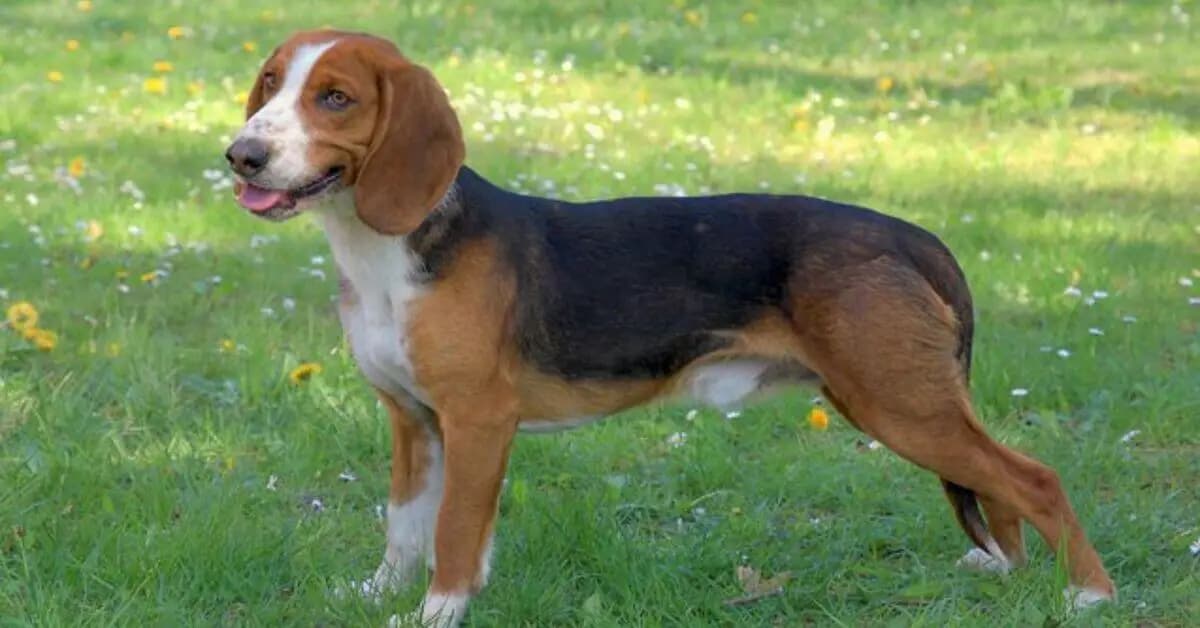
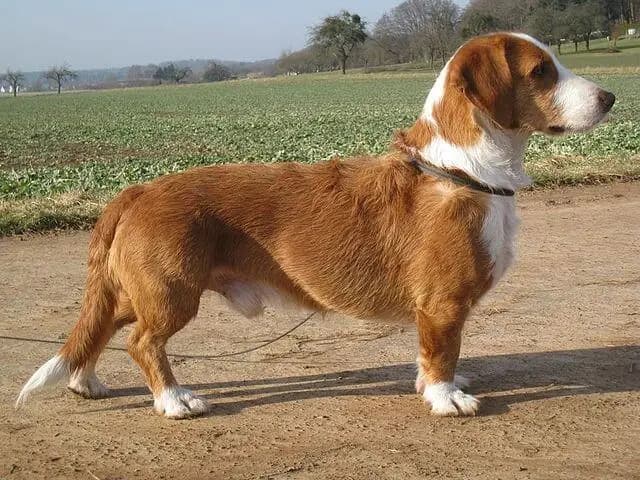
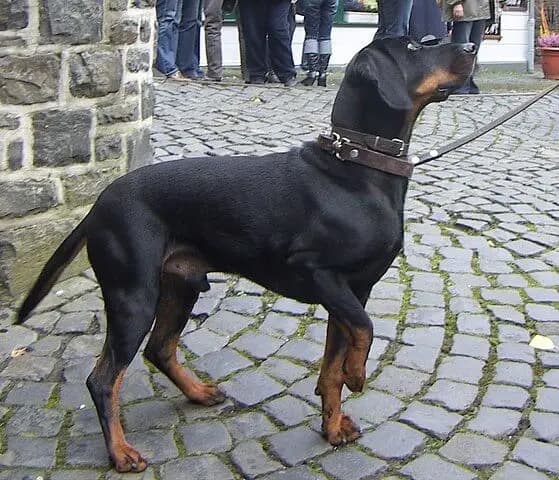
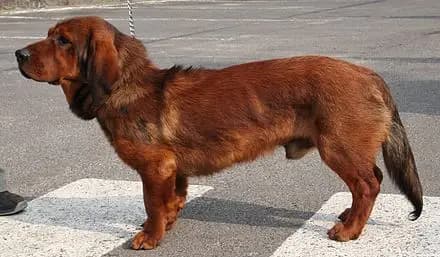
The German Hound is considered a robust working dog, but it does come with breed-specific risks affecting the joints, eyes, ears and nervous system. A health-focused breeder – for example, one belonging to the Deutscher Bracken-Club e.V. (DBC) – subjects breeding dogs to strict checks in order to reduce these risks in a targeted way.
The focus is on hip dysplasia (HD) and on X-ray screening of the elbows. In the eyes, eyelid abnormalities such as ectropion and entropion and congenital blindness occur, which is why clinical eye examinations of the parent dogs are essential. A serious breed-related neurological disease is degenerative myelopathy (DM); targeted tests show whether a parent dog is a carrier, so that breeders can avoid high-risk matings. In addition, the breed club records diseases and malformations such as epilepsy, congenital deafness, dermatosis, cleft palate, dental malformations and, in males, cryptorchidism (undescended testicles). As not every one of these conditions has a pre-breeding test, the breeder’s knowledge of their lines, and openness about them, is crucial.
For you as an owner, this means in everyday life: during the first year, take strict care to rear your dog in a joint-friendly way, with no early stair climbing and no overexertion from running alongside a bike. The short, dense, slightly glossy coat has a grooming requirement of 2/5, making it extremely easy to care for, and it sheds little. However, the heavy drop ears need your full attention: the warm, damp climate under the ear flap quickly leads to painful inflammation. Check the ears regularly and make sure you consistently keep them dry after walks in the rain or after swimming.