Pyrenean MastiffSame working temperament
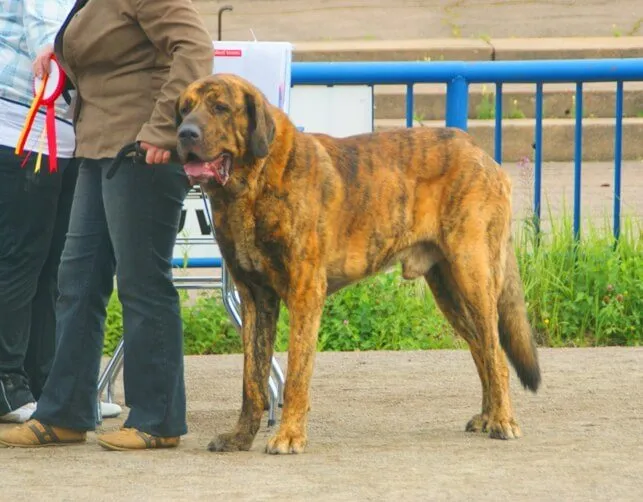
The Mastín Español is a massive, territorial, and deeply loyal giant—an independent livestock guardian dog bred for centuries to protect sheep flocks in the Spanish mountains from wolves entirely on its own.
Self-check
Answer 6 quick questions about your everyday life and see how well the Spanish Mastiff fits you — including an honest cost estimate per month, per year, and across the dog's lifetime.




At a glance
The essentials — key facts, traits, and health priorities — before you dive deeper.
Lifespan
10–11 yrs
Shoulder height
72–90 cm
Weight
52–100 kg
Practical
Temperament
Daily life
What matters most
Especially with a Spanish Mastiff, choosing the right breeder is the single most important decision you'll make. Serious breeders consistently test the parents for inherited conditions, prioritize healthy early socialization, and stay accountable long after handover. A cheap puppy without health screening tends to become the most expensive dog later on.
See HonestDog breeder standards →Colors & coat
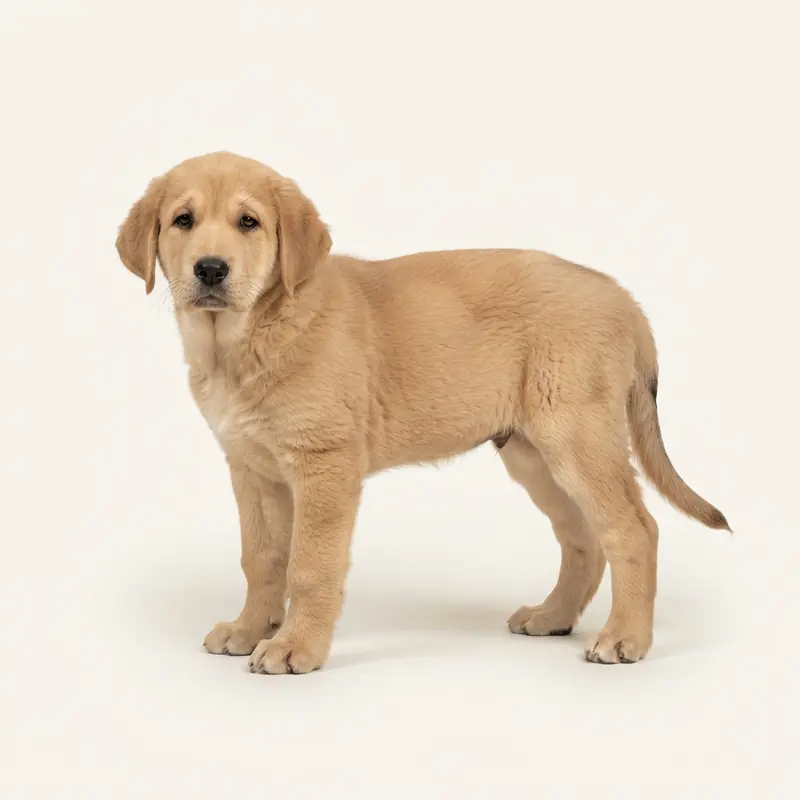
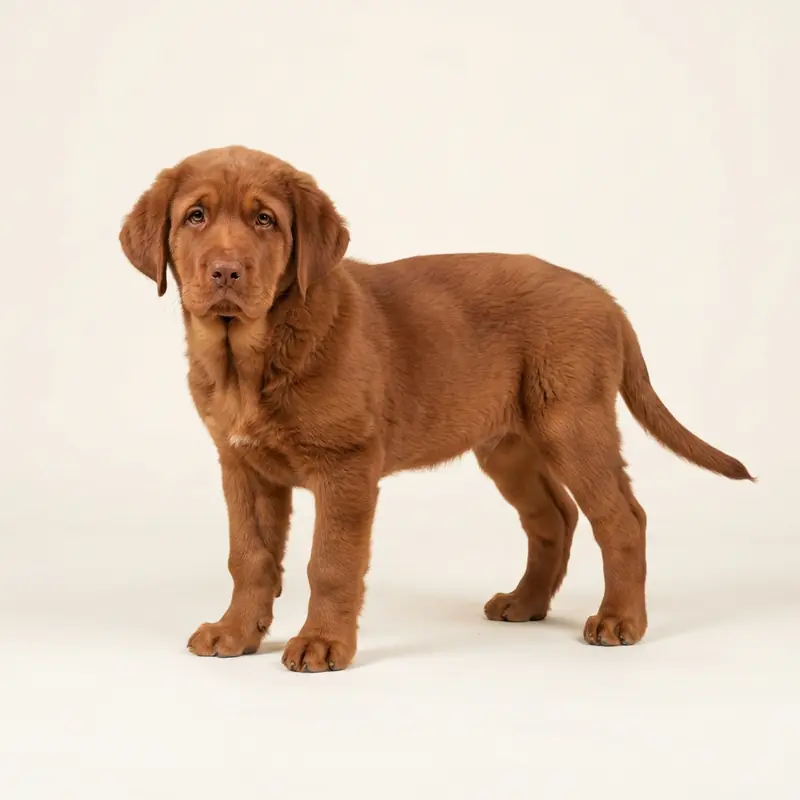
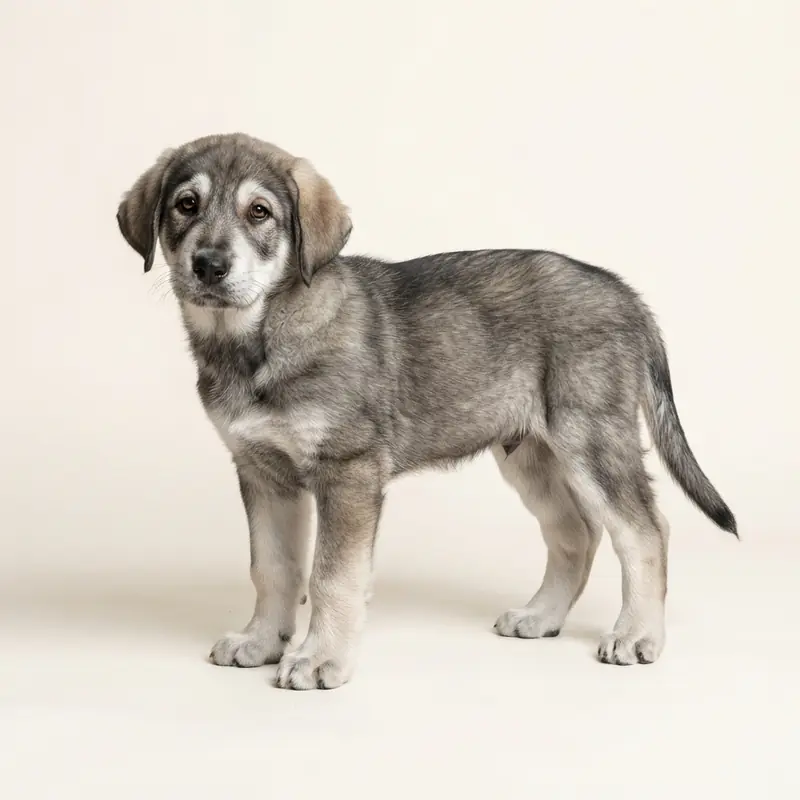
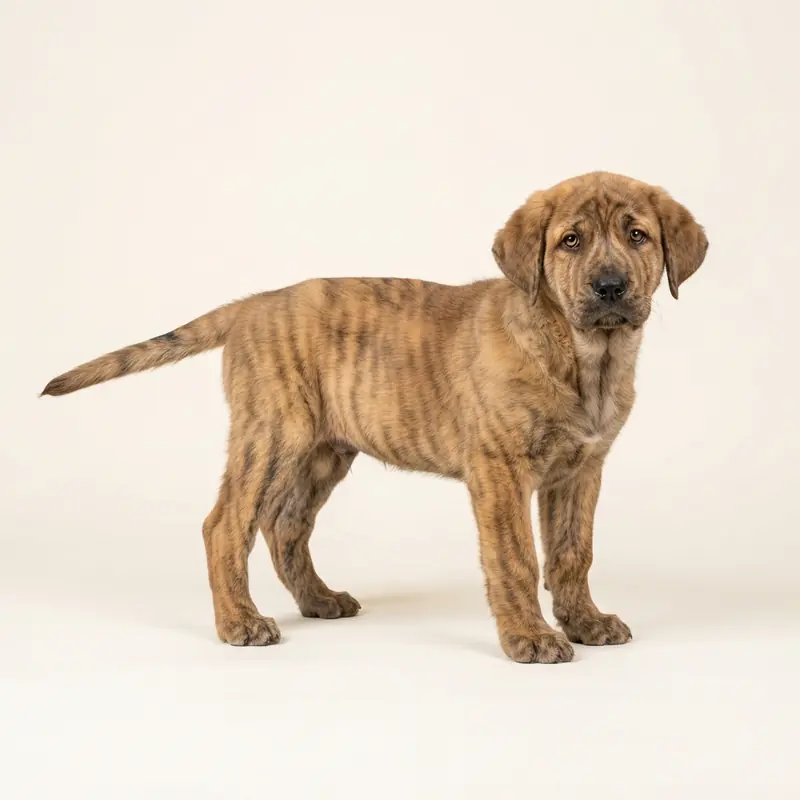
The coat colors that occur in the Spanish Mastiff — including which ones fall outside the breed standard and which carry genetic risk.
Eye colors
 Brown
 Amber
Coat type
 Illustrative image
Medium
 Illustrative image
Smooth
 Double coat
The real vibes check
A Mastín Español often seems like he is just relaxing and dozing—until he perceives a real threat, and the seemingly sluggish giant turns into an insurmountable wall in a fraction of a second. He is not a follower of orders, but an independent guardian who doesn't need you to tell him what to do. You aren't buying a dog to train in the traditional sense; you are negotiating a lifelong partnership on equal terms.
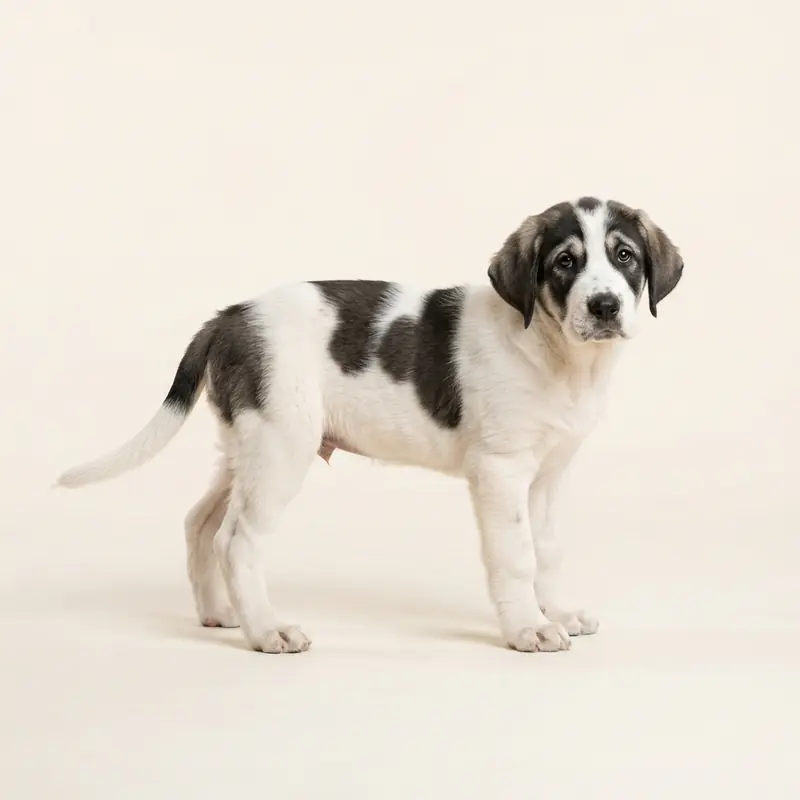
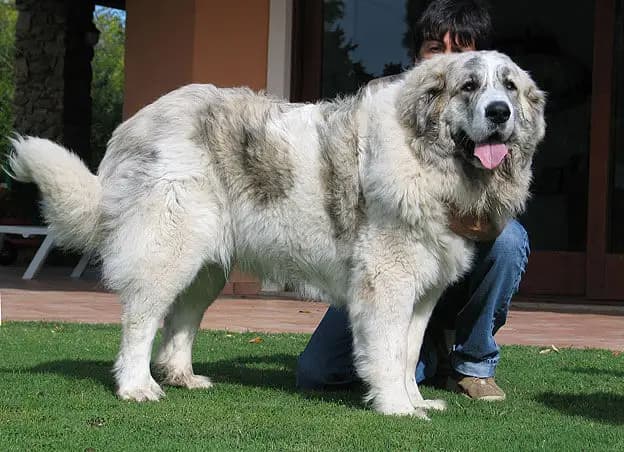
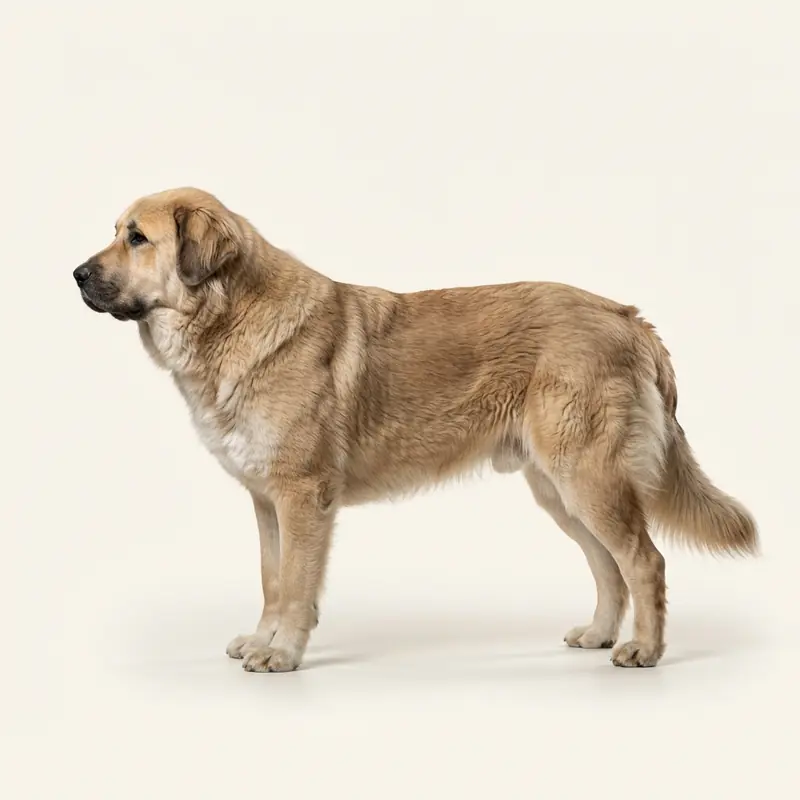
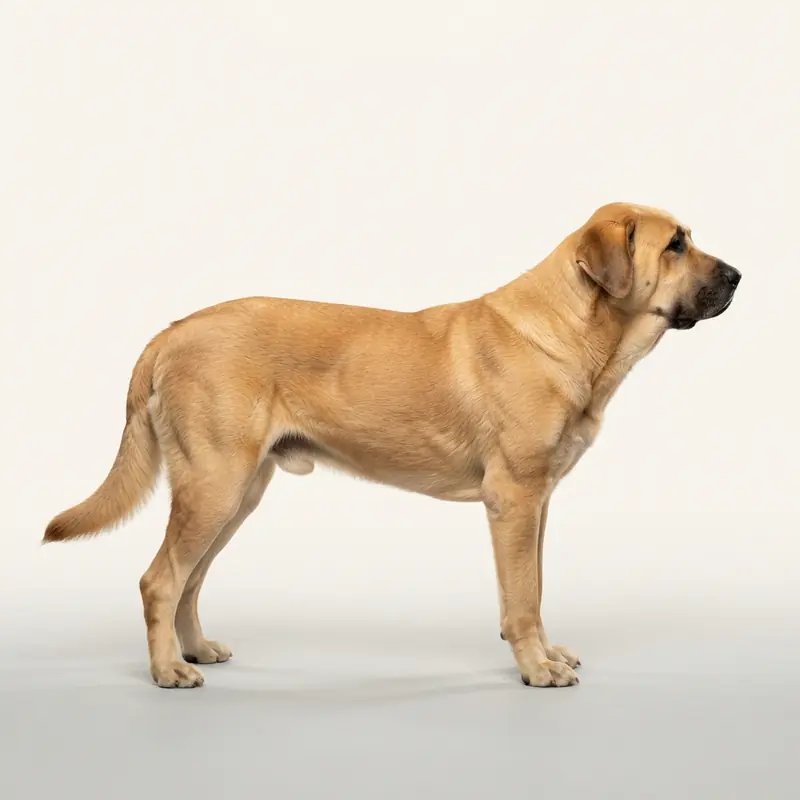
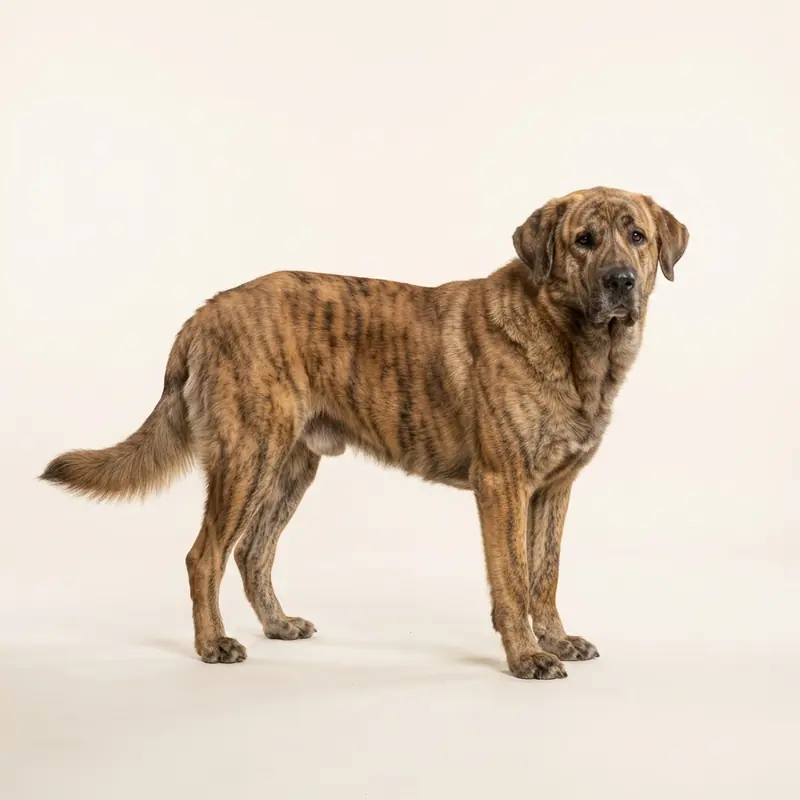
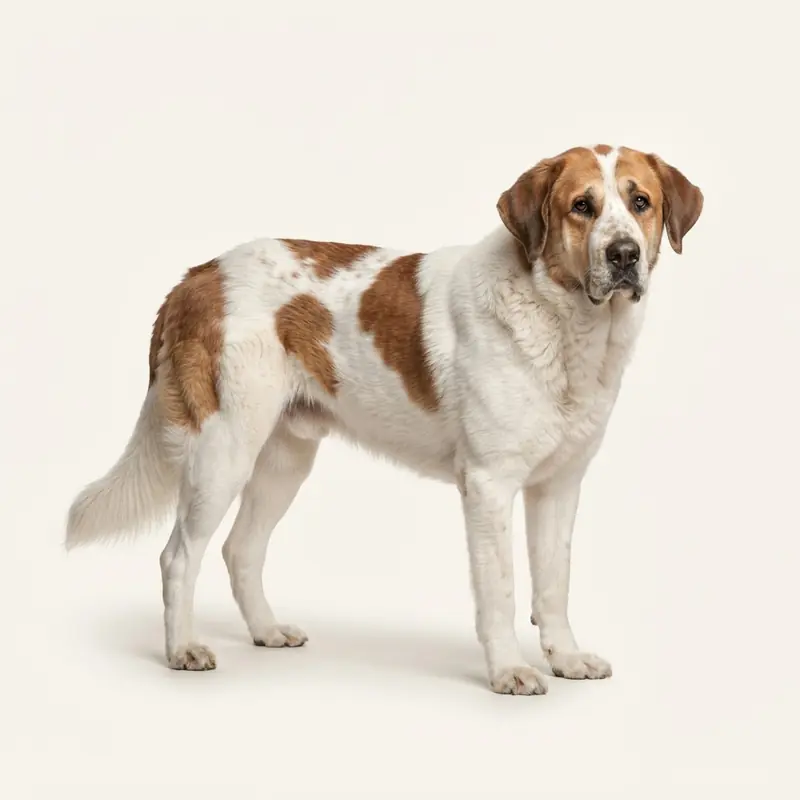
The Mastin Espanol, also known as the Spanish Mastiff, is an impressive dog that commands respect at first sight with its stature and strength. With its massive body structure and powerful muscles, it represents the typical Molosser dog. The head is large and expressive with a wide, deep muzzle and small, almond-shaped eyes that have a calm and thoughtful appearance. The ears are medium sized and hanging. The robust physique is highlighted by a deep chest and a straight back, giving the Mastin Espanol a majestic presence. The coat is short to medium length and rough to the touch, with a dense undercoat that protects it from extreme weather conditions. Color can vary, with the most common colors being fawn, black and brindle, often with white markings. The Mastin Espanol belongs to FCI Group 2, the Pinscher and Schnauzer - Molossoids - Swiss Mountain Dogs and other breeds. There are no specific line differences such as performance or show lines as the breed was traditionally bred as a working dog.
The Mastin Espanol is an extremely gentle, loving and loyal dog who, despite his size and strength, exudes a remarkable calmness and composure. Its centuries-long breeding as a herding and protection dog has produced a dog that is not only alert and reliable, but also amazingly patient and tolerant. Due to its strong protective instincts, the Mastin Espanol is very vigilant and will do anything to protect its territory and family. However, he is not prone to being aggressive without reason and will usually only intervene if he believes his family is in danger. This makes him an excellent watchdog, but not an undue threat. The Mastin Espanol is a very people-oriented dog who loves close contact with his family. He is a loyal and affectionate companion who can be easily integrated into everyday family life. He has a calm and composed demeanor and is known to get along well with children. His patience and tolerance make him a wonderful family dog, provided that children learn to treat him with respect and caution. Although the Mastin Espanol is a working dog, he does not tend to be hyperactive. He needs regular exercise to stay fit, but compared to some other breeds he is more of an easygoing fellow. He enjoys long walks and loves being outside in nature, but he is just as happy when he can relax at home with his family. The Mastin Espanol is an independent dog that can stay alone well. He was bred to work independently and he has retained this trait to this day. However, he should not be left alone for long periods of time, otherwise he may suffer from separation anxiety. In terms of hunting behavior, the Mastin Espanol tends to have a rather low hunting instinct. Although originally bred as a guard dog for flocks of sheep, over the years he has retained his strong protective instincts, but his hunting instinct is usually rather low. However, that doesn't mean he won't hunt if he gets the chance, and so it's important to always supervise him well and make sure he's in a safe area. Although the Mastin Espanol is a wonderful family dog and a loyal companion, he is not necessarily the easiest dog to train due to his strong will and independence. He requires an owner who has experience with large breeds and is able to provide loving but consistent leadership. However, with proper training and socialization, the Mastin Espanol can be a wonderful, even-tempered and loyal companion who can be an asset to any family.
| Watchfulness Strong territorial instinct — may actively confront intruders. | Very high |
| Openness to Strangers Neither pushily friendly nor suspicious. | Neutral |
| Hunting or Herding Drive Mild interest in movement and small animals — easily managed. | Low |
Fun Fact!
Did you know that the Mastin Espanol is considered one of the oldest dog breeds in the world? Their ancestors were already used as war and guard dogs by the Romans in ancient times!
The Spanish Mastiff is a strong and confident guard dog traditionally used to protect livestock herds. It is characterized by its calmness and composure but shows great protective instinct in danger. These dogs are loyal and affectionate towards their family but require consistent training and sufficient activity. The Spanish Mastiff is a reliable companion for experienced dog owners who respect its independence.
The Mastin Espanol is a large animal with a lot of energy and therefore needs a lot of space to run and play. An apartment in the city would probably be too restrictive for him. A house with a large, securely fenced garden would be ideal. However, if he gets enough exercise and mental stimulation, the Mastin Espanol is a calm and contented companion. Mastins are generally good with children and they are often patient and gentle with the little ones. However, due to their size and strength, they can accidentally knock over small children, so careful supervision is always necessary. They also tend to get along well with other pets, especially if they are socialized with them from an early age.
Loves family life and thrives in a group.
Takes boisterous and affectionate children in its stride.
Usually gets on fine with other dogs.
Can manage in the city, but only with very active owners.
Owning a dog is a privilege, but it's also a real responsibility. Before you bring one into your life, be honest with yourself about the commitment it takes.
Mastin Espanols are intelligent dogs, but can also be stubborn at times. Early socialization and consistent, positive training are important to ensure they grow into well-adjusted and well-behaved adults. It's important to remember that Mastins were originally bred as working dogs, and they need meaningful employment to be happy and well-adjusted. They are well suited for various types of dog sports and activities, such as obedience training, agility, protection work and herd protection tasks. However, it is important to remember that they are large and heavy animals and that excessive physical stress, especially at a young age, can be harmful to their joints. Therefore, training should always be age-appropriate and take the physical strain into account. Mastins can exhibit strong prey-catching and protective behaviors, so it is important to begin training early and teach them how to channel their instincts in an appropriate manner. They may also tend to be "ball junkies," so it is important to control play with the ball and ensure that the dog also learns to relax and be calm.
Proper nutrition is paramount to the Mastin Espanol's health and well-being. Due to his size and active lifestyle, he needs a balanced diet rich in high-quality proteins to support his muscles. Additionally, Mastins should have an adequate amount of healthy fats and carbohydrates in their diet to provide energy, as well as fiber for healthy digestion and vitamins and minerals for overall health. Caring for the Mastin Espanol is usually quite easy. He has a short to medium length coat with a thick undercoat that protects him from the elements. Brushing once a week should usually be enough to remove dead hair and keep the coat healthy and shiny. However, during shedding periods, the Mastin Espanol may shed more heavily and you may need to brush more frequently. Even though it is a robust breed that originally lived in a hot climate, the Mastin Espanol can also cope well with the climate in Germany.
| Care Level Minimal effort — occasional brushing and bathing. | Low-maintenance |
| Exercise Needs Needs several hours of serious exercise every day. | Very active |
| Shedding Regular shedding — dog hair on clothes is now normal. | Moderate |
| Trainability Bred to make decisions without human direction. | Very independent |
Our experts are still reviewing this information. Spotted something wrong? Email us at info@honestdog.de.
Solid, watch carefully
Health grade
In the Mastin Espanol, there are significant breed-specific risks of hip dysplasia (HD), elbow dysplasia (ED), the severe heart condition dilated cardiomyopathy, and eyelid disorders such as ectropion / entropion. A responsible breeder therefore has their breeding stock comprehensively examined for these diseases beforehand. Have them present you the official radiographic results for hip dysplasia (HD) with scores of HD A–C and for elbow dysplasia (ED) with ED 0–2. In addition, you should request a cardiology report certifying the breeding animal as clear regarding dilated cardiomyopathy, as well as proof of freedom from ectropion / entropion through an eye examination.
Grade is relative to other breeds — AI-assisted and editorially reviewed.
Methodology and data: HonestDog Dog Breed Health Report 2026
What matters most for this breed
Tap any item to see details.
You should ensure controlled, slow growth, joint-friendly exercise, and strict rest periods after eating to prevent joint problems and gastric torsion.
Reputable breeders have the hips, elbows, eyes, and hearts of the parent animals tested to reduce health risks within the lineage.
Note: This health overview is AI-assisted and editorially reviewed. It is for orientation only and does not replace veterinary advice.
What matters most for this breed — what's common, how much it affects the dog's life, and how to protect yourself as a buyer.
Tap a body region to see the inherited conditions linked to it.
The three most important risks
Pick a region on the map to explore other areas.
Tier 1 is the recommended health standard for this breed. Tiers 2 and 3 show how responsible breeders go beyond.
Recommended standard. These tests make up the recommended health standard for this breed — the baseline of any careful breeding program. Ask any reputable breeder for the results.
No entries in this tier.
Note: This health overview is AI-assisted and editorially reviewed. It is for orientation only and does not replace veterinary advice.
A Spanish Mastiff costs around ~€250 per month (€130 – €500, depending on your setup). The first year adds up to roughly ~€6,600 including purchase, equipment and puppy school; across the dog's life (10.5 years) it comes to about ~€35,320.
With surgery cover, running costs come to about ~€260 per month — in return, your share of a major operation drops from several thousand euros to around 20 percent.
Per month
~€250
In the first year
~€6,600
Across the dog's life
~€35,320
Estimated purchase price from a breeder: €2,000 – €3,500
Estimate at a mid-range setup (suburban, dry food, 1–2 hours of daily exercise), average German prices, as of July 2026.
HonestDog Concierge
We currently have no breeders for this breed who have passed our verification. Create your short buyer profile: we'll set up your search alert, review a possible source and email you within 28 days.
In some German federal states, special regulations apply to Spanish Mastiff as a listed or dangerous dog. Depending on your location, this may include a temperament test, permit or other official requirements, leash and muzzle obligations, and higher insurance or tax costs. Always check with your local authorities.
Full guide to restricted-breed ownership in Germany
 Illustrative image
 Illustrative image
 Illustrative image
 Illustrative image
The Mastin Espanol has a long history and is one of the oldest dog breeds in Europe. It is believed that his ancestors came to the Iberian Peninsula with the Phoenicians and Greeks, where they developed into what we know today as the Mastin Espanol. Historically, the Mastin Espanol was used in Spain as a herding and protection dog for flocks of sheep. His job was to accompany the herds on their migrations and protect them from predators such as wolves and bears. The dogs had to be independent and self-reliant as they often worked without human supervision. Their role was so important that they were often referred to as "shepherds of the poor people" because they were the shepherds' only defense against predators. The Mastin Espanol was officially recognized as a breed in 1946. Today it is still a popular working dog in Spain, but is also increasingly valued as a loving and loyal family dog.
The Mastín Español was bred as a livestock guard dog to guard flocks of sheep from wolves and other predators during transhumance.
Spain
Antike
Owners overwhelmingly describe the Spanish Mastiff in family life as a deeply relaxed, affectionate, and good-natured "gentle giant." Indoors the breed is surprisingly calm and unobtrusive, as long as it has close contact with its people. Owners repeatedly highlight its remarkable patience and gentleness with the children in its own household.
At the same time, owners and rescue reports point to practical challenges that come from the dog's sheer mass alone: even a friendly bump can knock over toddlers or frail people. The dog is considered entirely unsuited to apartments or city living. Experienced owners stress that a secure, sufficiently high fence around the yard is essential, since these dogs love to lie down and calmly keep an eye on their territory.
Many owners also report legal hurdles in German-speaking countries: because the Spanish Mastiff is on the restricted-breed list in several German states, owners often have to budget for strict requirements, temperament tests, and sometimes considerable dog-tax rates, which can complicate spontaneous trips or moves.
Sources:hundeseite.dedogvers.deagila.detierschutz-ohne-grenzen.defressnapf.de
In owner accounts of handling and training, owners agree that the Spanish Mastiff thinks like an independent livestock guardian dog and can by no means be managed with classic "blind obedience." Commands are often carried out only after a noticeable pause to think it over and check whether they make sense. According to owners, pressure, harshness, or loud punishment only make the dog dig in its heels and lose trust.
A recurring topic in forums is territorial guarding and the protective instinct, which usually only fully emerges as the dog matures, from its second or third year on. While on familiar ground the dog may meet visitors with strong suspicion or even rejection, away from its own territory it is usually neutral and unfazed by its surroundings if well socialized.
Owners strongly advise training loose-leash walking and frustration tolerance consistently from puppyhood on. When 70 to 90 kilograms hit the end of the leash during a dog encounter or a perceived threat, physical strength alone can hardly control it.
Sources:agila.detierschutz-ohne-grenzen.defressnapf.depro-hsh.demolosserforum.de
On exercise needs and health, owners describe the Spanish Mastiff as a rather undemanding, energy-saving companion that doesn't ask for athletic feats such as jogging or agility. Regular, long sniffing and exploring walks are all it needs. Most owners rate its prey drive as moderate to low; wildlife is often just watched, although some dogs may make a short dash when they see it directly.
On health, owners and breed experts warn about the effects of how the breed has developed: there are noticeable differences between the more agile, lighter working lines and the very heavy show lines. With very massive dogs, owners report joint problems such as hip and elbow dysplasia, as well as a tendency toward arthritis in old age.
The risk of bloat is also often discussed, which is why strict rest periods after meals are a must. Owners also point to the care that the deep flews and ears need, since they can be prone to inflammation, and to the fact that dogs from Spanish rescues must be tested for Mediterranean diseases such as leishmaniasis.
Sources:tackenberg.deperros-de-catalunya.detierforum.deamicando.de
Paraphrased from real owner reports · translated from German
The Spanish Mastiff is an active dog that needs plenty of exercise and mental stimulation. Research the temperament, grooming needs, and space requirements before deciding.
The average life expectancy of a Spanish Mastiff is 10-11 years. With proper care and regular vet visits, your dog can live a long, healthy life.
Spanish Mastiff grooming requirements include regular brushing, nail trimming, and dental care. HonestDog provides detailed grooming tips for every breed.
The Spanish Mastiff can be a great family dog. Proper training and socialization are key. HonestDog provides family suitability information for every breed.
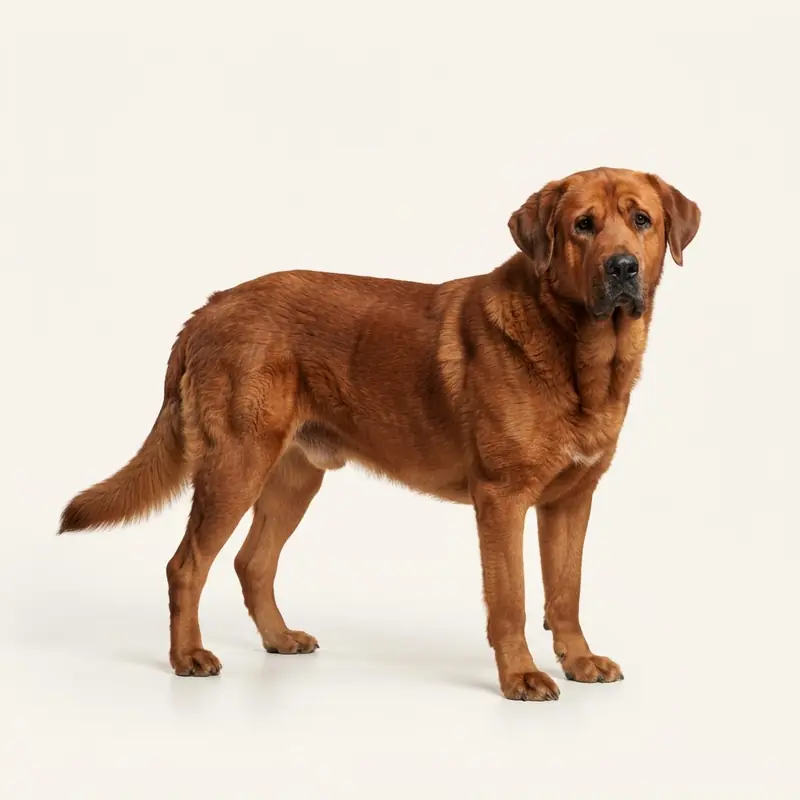
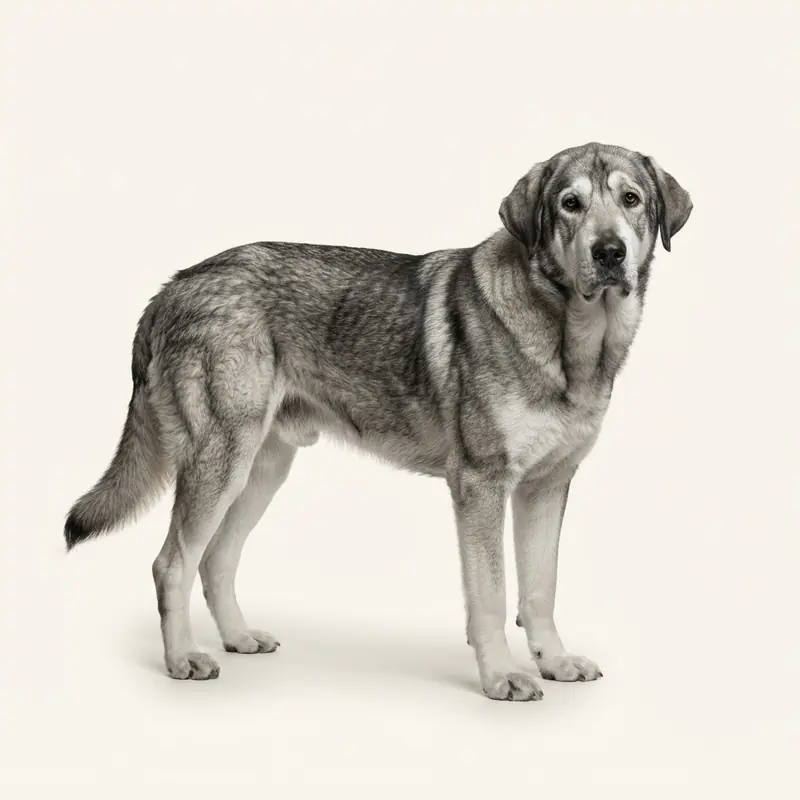
The Spanish Mastiff comes in these colors: Yellow, Fawn, Red, Black, Wolf grey, Brindle, Piebald.
Showcase your kennel on HonestDog and reach families searching for a responsibly bred Spanish Mastiff.