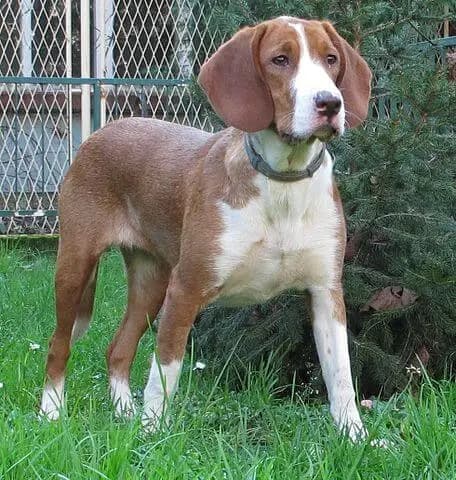
Posavac HoundSame FCI section
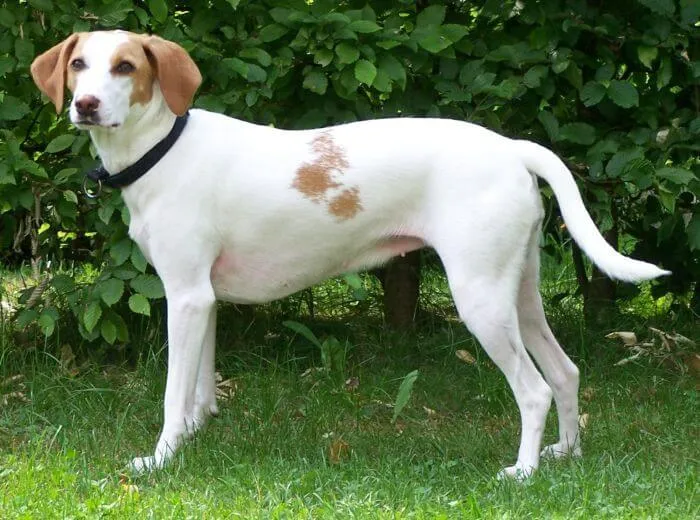
The Short-haired Istrian Hound is a tireless, passionate scent hound—bred as a specialist for tracking by scent for challenging hunts of hare and fox in the rugged Karst mountains. A pure working dog whose nose tends to tune out almost all other information.
Self-check
Answer 6 quick questions about your everyday life and see how well the Istrian Shorthaired Hound fits you — including an honest cost estimate per month, per year, and across the dog's lifetime.
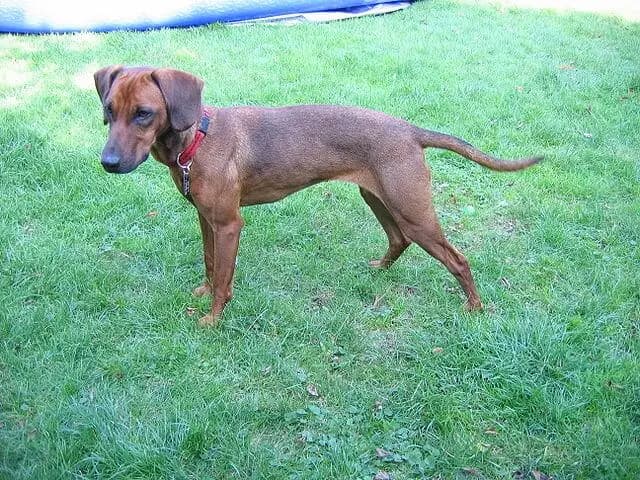

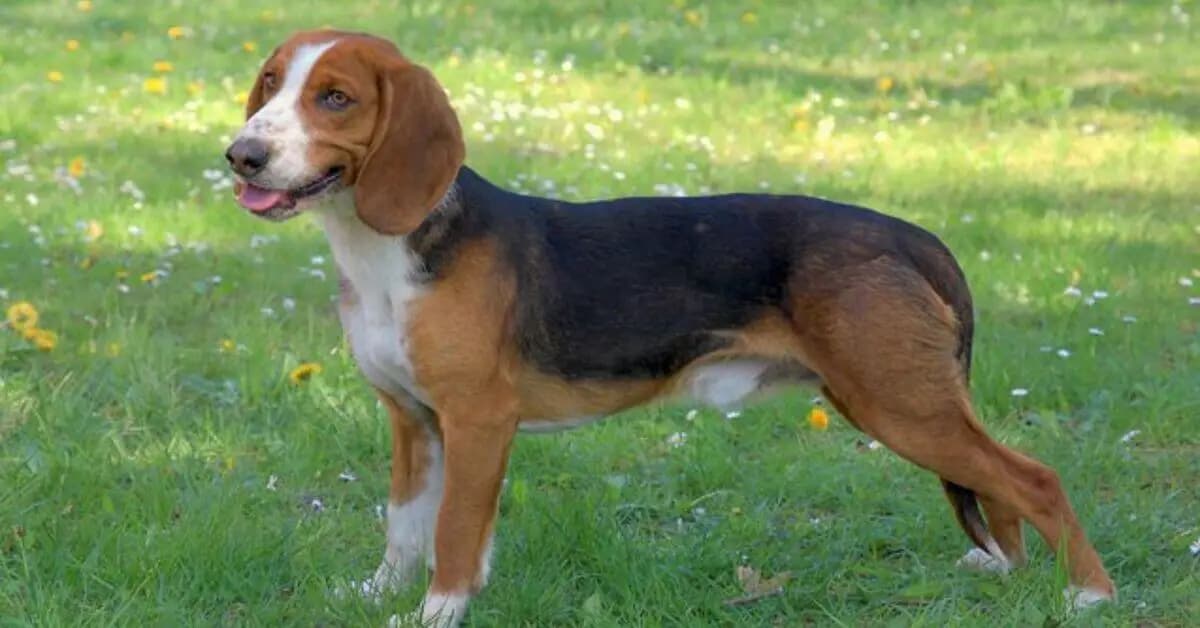
At a glance
The essentials — key facts, traits, and health priorities — before you dive deeper.
Lifespan
12–15 yrs
Shoulder height
46–58 cm
Weight
12–22 kg
Practical
Temperament
Daily life
What matters most
Especially with a Istrian Shorthaired Hound, choosing the right breeder is the single most important decision you'll make. Serious breeders consistently test the parents for inherited conditions, prioritize healthy early socialization, and stay accountable long after handover. A cheap puppy without health screening tends to become the most expensive dog later on.
See HonestDog breeder standards →Colors & coat
The coat colors that occur in the Istrian Shorthaired Hound — including which ones fall outside the breed standard and which carry genetic risk.
Eye colors
 Brown
Coat type
 Short
 Smooth
The real vibes check
An Istrian Hound is not a cozy couch accessory, but an off-road vehicle for the nose. As soon as he picks up a trail, his brain switches into hunting mode and your calls become mere background music. If you channel this uncompromising joy for work in the right direction, you get a loyal team partner—if not, a chronically frustrated escape artist.
The short-haired Istrian Hound is a medium-sized dog breed with an elegant and harmonious appearance. Their short, smooth coat is dense and quite hard to the touch, making them ideal for outdoor work. The typical coat color is white with bright orange markings that give their appearance a unique charm. She has a strong, yet slender build that gives her both strength and speed. It is classified as a scent hound in FCI Group 6, Section 1.1 and is primarily used for hunting. There is no distinction between performance and show lines in this breed, meaning all Shorthaired Istrian Hounds are bred for their working abilities as well as their appearance.
The Short-Haired Istrian Hound is an active and energetic breed that likes to keep busy and enjoys being outdoors. She is known for her high work motivation and impressive tracking skills, making her an excellent choice for hunters or for people who are active outdoors. Despite their hunting past, the Istrian Hound also has a very loving and people-oriented side. She is known for her loyalty to her family and her love for children. They like to be part of family life and can also live well in a house with a garden. The Istrian Hound is a quite playful dog who loves playing with his family and learning new things. They are intelligent and quick to learn, making training a pleasant experience. While they are not considered a particularly independent breed, they are still capable of completing tasks and making decisions independently, especially when it comes to their work as a hunting dog. The Istrian Hound can easily learn to stay alone, but care should be taken to ensure that it receives enough physical and mental activity to avoid boredom and the resulting behavioral problems. As you would expect from a hunting dog breed, the Istrian Hound shows strong hunting and prey-catching behavior. This should be taken into account when keeping this breed and it is advisable to socialize and train them well from the start. Although not considered a particularly vigilant breed, the Istrian Hound is quite capable of protecting its territory and family if it deems it necessary. She is not aggressive, but can be suspicious of strangers until she is sure they are not a threat. All in all, the Short-Haired Istrian Hound is a versatile and charismatic breed that can excel as both a working dog and a family dog. Her energy and love of work make her a great companion for active people, while her loyalty and loving nature make her a valued family member.
| Watchfulness A natural watchdog with real protective instinct. | High |
| Openness to Strangers Neither pushily friendly nor suspicious. | Neutral |
| Hunting or Herding Drive This drive runs deep — no amount of training eliminates it. | Very strong |
Fun Fact!
Although the Short-Haired Istrian Hound is very popular in its home country of Croatia, it is rarely found outside of it. This makes them a special breed for dog lovers looking for a unique and loyal companion.
The Short-haired Istrian Hound is a persistent and alert hunting dog, particularly suitable for tracking wounded game. These dogs are intelligent and eager to work but require consistent leadership and sufficient exercise. They are friendly in interaction but show a strong tracking instinct and game sharpness. The Short-haired Istrian Hound is well suited for active families and hunters looking for a reliable companion.
The Short-Haired Istrian Hound is an active and energetic dog that requires lots of exercise and mental stimulation. It is therefore more suitable for living in the country or in a house with a garden than for an apartment in the city. This breed gets along well with children and is also compatible with other dogs. However, you should be careful when it comes to cats or other pets, as the Istrian Hound has a strong hunting instinct.
Lives for its family — the born family companion.
Takes boisterous and affectionate children in its stride.
Usually gets on fine with other dogs.
Can manage in the city, but only with very active owners.
Owning a dog is a privilege, but it's also a real responsibility. Before you bring one into your life, be honest with yourself about the commitment it takes.
The short-haired Istrian Hound is an intelligent breed that enjoys learning and working. She needs consistent but loving upbringing and benefits from early socialization. Since she was originally bred as a hunting dog, she has a high level of motivation and energy for activities such as tracking, agility or flyball. It is important that she does not become "over-busy" as this can lead to stress. There is a risk that the Istrian Hound will become a “ball junkie,” so you should be careful with ball games and not overly reward them with them. It's also important that she learns to tolerate frustration and control her impulses, especially if she doesn't get what she wants right away. A well-trained Istrian Hound is a great companion who performs his tasks with enthusiasm and zeal.
The Short-Haired Istrian Hound's diet should be balanced and high quality to support their active lifestyle. When it comes to grooming, the Istrian Hound is quite easy to care for. It has a short, dense coat without an undercoat. She doesn't shed particularly heavily and only requires occasional brushing to remove dead hair and keep her skin healthy. Her skin is robust and she can cope well with the climate in Germany.
| Care Level Minimal effort — occasional brushing and bathing. | Low-maintenance |
| Exercise Needs Needs several hours of serious exercise every day. | Very active |
| Shedding Regular shedding — dog hair on clothes is now normal. | Moderate |
| Trainability Has its own ideas and will test limits. | Strong-willed |
Our experts are still reviewing this information. Spotted something wrong? Email us at info@honestdog.de.
Solid
Health grade
In the Istrian Shorthaired Hound, hip dysplasia (HD) and elbow dysplasia (ED), as well as hereditary eye diseases such as cataracts and progressive retinal atrophy, play a major role; in addition, there is a predisposition to otitis externa. A responsible breeder therefore has their breeding dogs orthopedically X-rayed and examined by an ophthalmologist prior to mating. Before buying, ask to see the proof for both parents: they should be evaluated as HD A–B for hip dysplasia (HD), ED 0 for elbow dysplasia (ED), and clear of cataracts and progressive retinal atrophy.
Grade is relative to other breeds — AI-assisted and editorially reviewed.
Methodology and data: HonestDog Dog Breed Health Report 2026
You should ensure the dog is raised in a way that protects its joints and regularly check and keep its floppy ears dry to prevent chronic infections.
Reputable breeders have the joints, eyes, and hearing of the parent animals tested and pay attention to well-ventilated ear canals to reduce risks in the lineage.
Note: This health overview is AI-assisted and editorially reviewed. It is for orientation only and does not replace veterinary advice.
What matters most for this breed — what's common, how much it affects the dog's life, and how to protect yourself as a buyer.
Tap a body region to see the inherited conditions linked to it.
The three most important risks
Pick a region on the map to explore other areas.
We sort tests into three tiers — from the core standard to a fully exemplary program.
Recommended standard. These tests make up the recommended health standard for this breed — the baseline of any careful breeding program. Ask any reputable breeder for the results.
No entries in this tier.
No entries in this tier.
Note: This health overview is AI-assisted and editorially reviewed. It is for orientation only and does not replace veterinary advice.
A Istrian Shorthaired Hound costs around ~€170 per month (€90 – €310, depending on your setup). The first year adds up to roughly ~€4,850 including purchase, equipment and puppy school; across the dog's life (13.5 years) it comes to about ~€30,130.
With surgery cover, running costs come to about ~€160 per month — in return, your share of a major operation drops from several thousand euros to around 20 percent.
Per month
~€170
In the first year
~€4,850
Across the dog's life
~€30,130
Estimated purchase price from a breeder: €1,500 – €2,500
Estimate at a mid-range setup (suburban, dry food, 1–2 hours of daily exercise), average German prices, as of July 2026.
HonestDog Concierge
We currently have no breeders for this breed who have passed our verification. Create your short buyer profile: we'll set up your search alert, review a possible source and email you within 28 days.
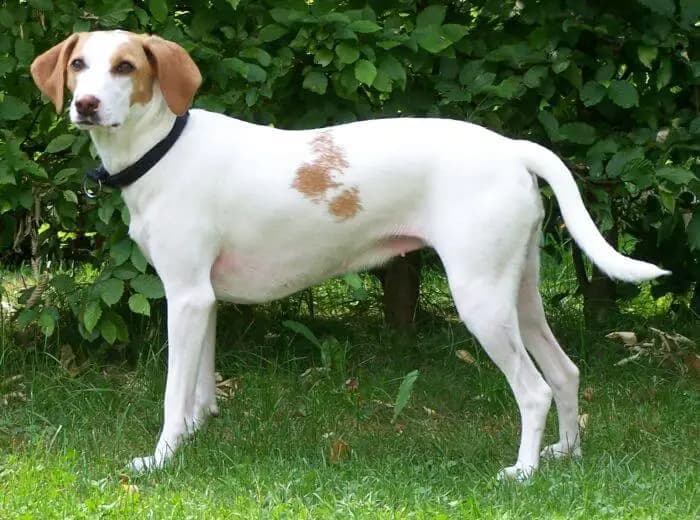
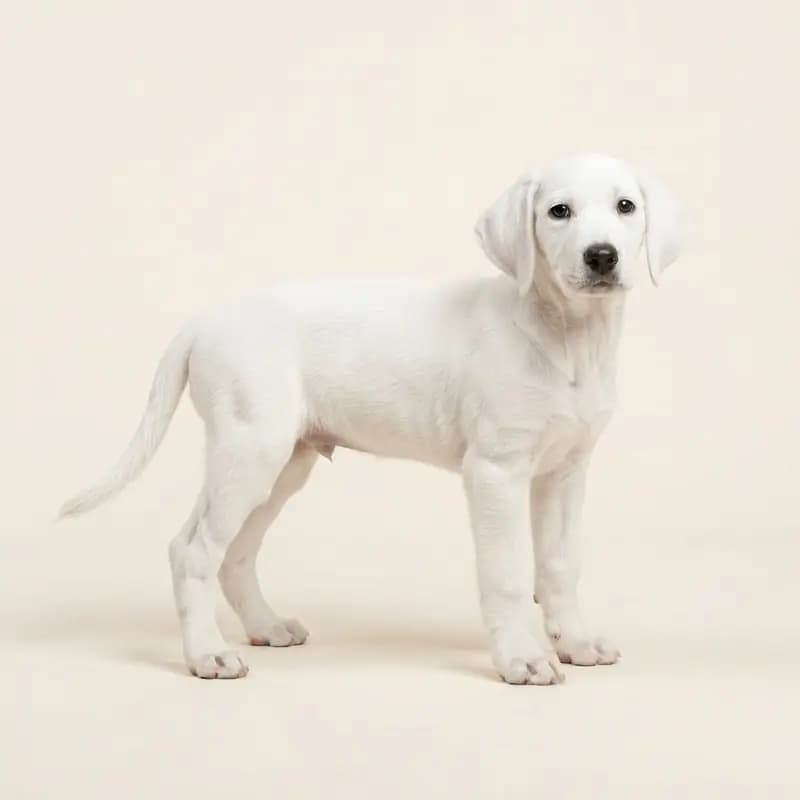 Illustrative image
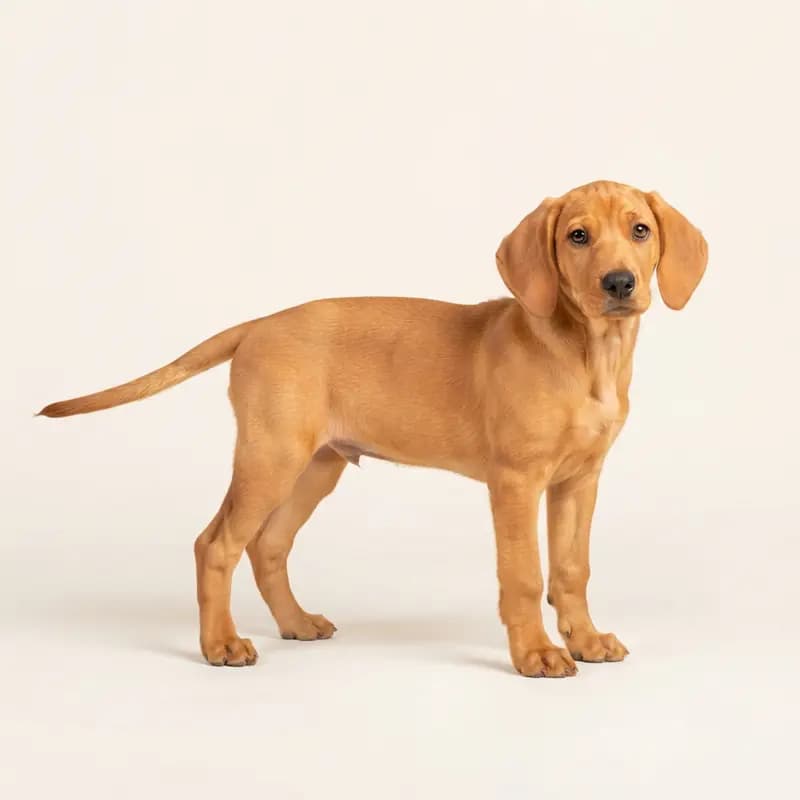 Illustrative image
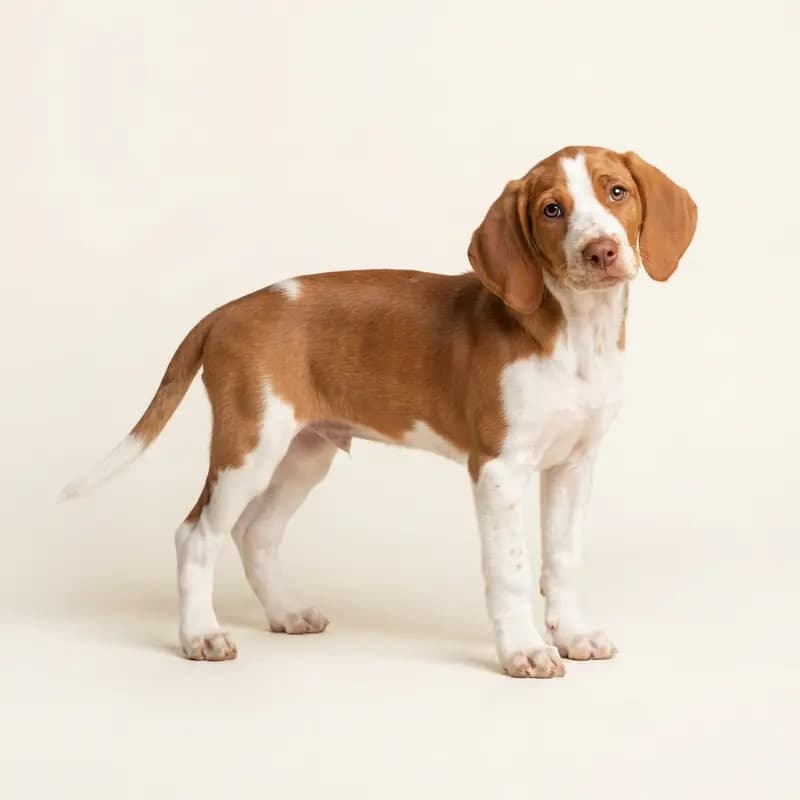 Illustrative image
The short-haired Istrian Hound originally comes from Croatia, more precisely from the region of Istria, from which it gets its name. This breed is believed to be very ancient and has its origins in dogs that were present in this region in ancient times. There are even depictions dating back to ancient Egypt showing dogs that resemble this breed. The Istrian Hound was mainly used for hunting game, with its main task being to pick up the scent of the game and signal to hunters where the game was by barking loudly. This made them a valuable companion for hunters. The breed was officially recognized by the Fédération Cynologique Internationale (FCI) in 1949.
The short-haired Istrian Hound was bred to hunt rabbits and foxes in the Istrian region.
Croatia
Antike
At home, many owners and rescue foster carers describe the Istrian Shorthaired Hound as remarkably affectionate, sensitive and cuddly. Indoors it's often seen as a pleasantly calm family member that seeks close physical contact with its people and is very gentle and patient with children.
The flip side is a strong need for exercise and activity. Owners stress again and again that an ordinary walk around the block is nowhere near enough. The breed is hardly made for cramped city life: without the right kind of exercise, its calm at home quickly turns into frustration and restlessness. There are also occasional reports of a fondness for barking. While baying is wanted when tracking, alert barking at home has to be consistently kept in check from the start.
Outdoors is where the real nature of this passionate scenthound shows, and where handling and training are put to the test. Owners unanimously report that as soon as these dogs reach open ground, their nose is practically glued to the ground. The inborn urge to follow a trail and the hunting drive run very deep; if the dog catches the scent of a hare or deer, it quickly tunes everything else out. That's why unsecured off-leash time in areas with lots of wildlife remains a permanent challenge or simply impossible for many owners, and a well-fenced yard and a long line are often part of daily life.
In basic obedience the breed comes across as cooperative and intelligent, but it's very sensitive to harshness. Experienced owners recommend combining loving consistency with targeted substitute activities: offer tracking, mantrailing or retrieving games, and its strong work drive can be put to good use and the dog becomes easier to handle. Great caution is needed with cats and small pets in the household, though; without very early habituation, the dog sees them almost without exception as prey.
Sources:rauhhaarbracken.dezooplus.derundum.doghands4animals.de
Paraphrased from real owner reports · translated from German
The Istrian Shorthaired Hound is an active dog that needs plenty of exercise and mental stimulation. Research the temperament, grooming needs, and space requirements before deciding.
The average life expectancy of a Istrian Shorthaired Hound is 12-15 years. With proper care and regular vet visits, your dog can live a long, healthy life.
Istrian Shorthaired Hound grooming requirements include regular brushing, nail trimming, and dental care. HonestDog provides detailed grooming tips for every breed.
The Istrian Shorthaired Hound can be a great family dog. Proper training and socialization are key. HonestDog provides family suitability information for every breed.
The Istrian Shorthaired Hound comes in these colors: White, Orange, Red and white.
Showcase your kennel on HonestDog and reach families searching for a responsibly bred Istrian Shorthaired Hound.