Small Swiss HoundClose relative
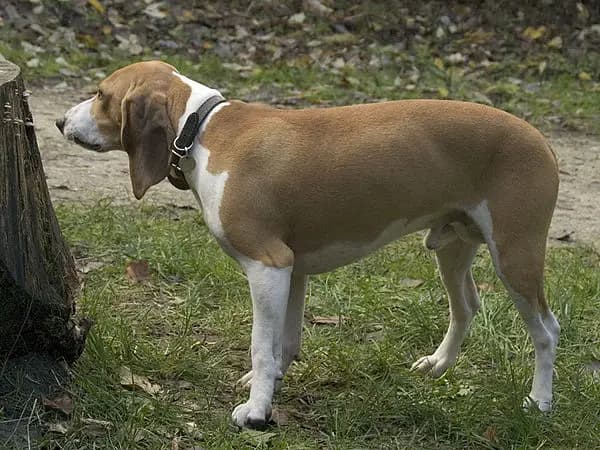
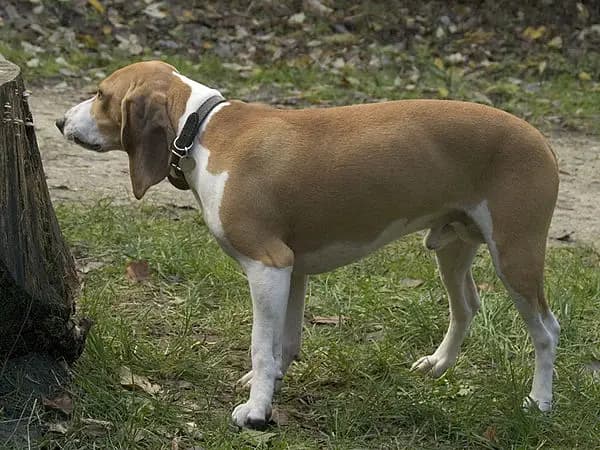
The Berner Niederlaufhund is a persistent, keen-nosed short-legged hound—bred to track game independently and audibly in rough terrain, which is why the heart of a true worker beats beneath its compact exterior.
Self-check
Answer 6 quick questions about your everyday life and see how well the Small Bernese Hound fits you — including an honest cost estimate per month, per year, and across the dog's lifetime.
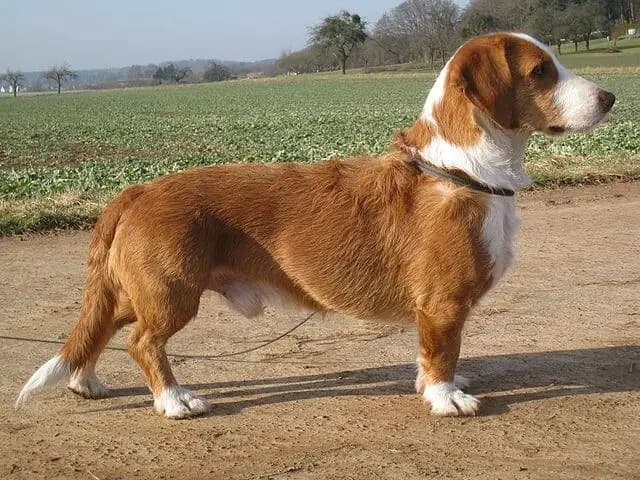
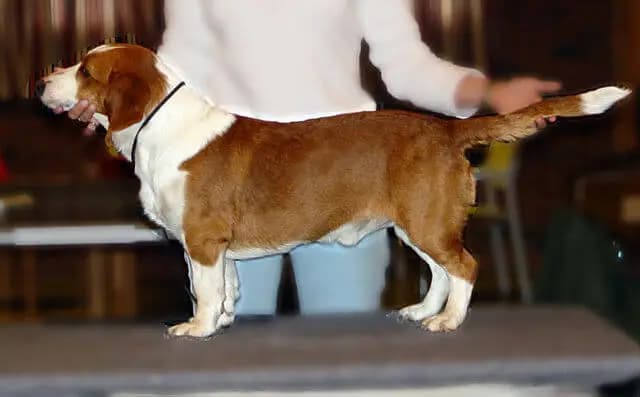
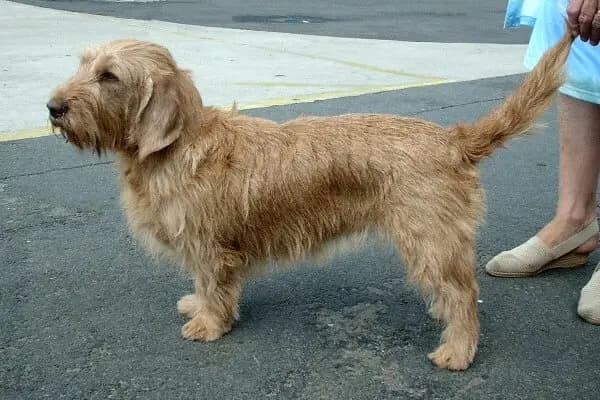
At a glance
The essentials — key facts, traits, and health priorities — before you dive deeper.
Lifespan
12–15 yrs
Shoulder height
33–43 cm
Weight
13–18 kg
Practical
Temperament
Daily life
What matters most
Especially with a Small Bernese Hound, choosing the right breeder is the single most important decision you'll make. Serious breeders consistently test the parents for inherited conditions, prioritize healthy early socialization, and stay accountable long after handover. A cheap puppy without health screening tends to become the most expensive dog later on.
See HonestDog breeder standards →Colors & coat
The coat colors that occur in the Small Bernese Hound — including which ones fall outside the breed standard and which carry genetic risk.
Eye colors
 Brown
BrownCoat type
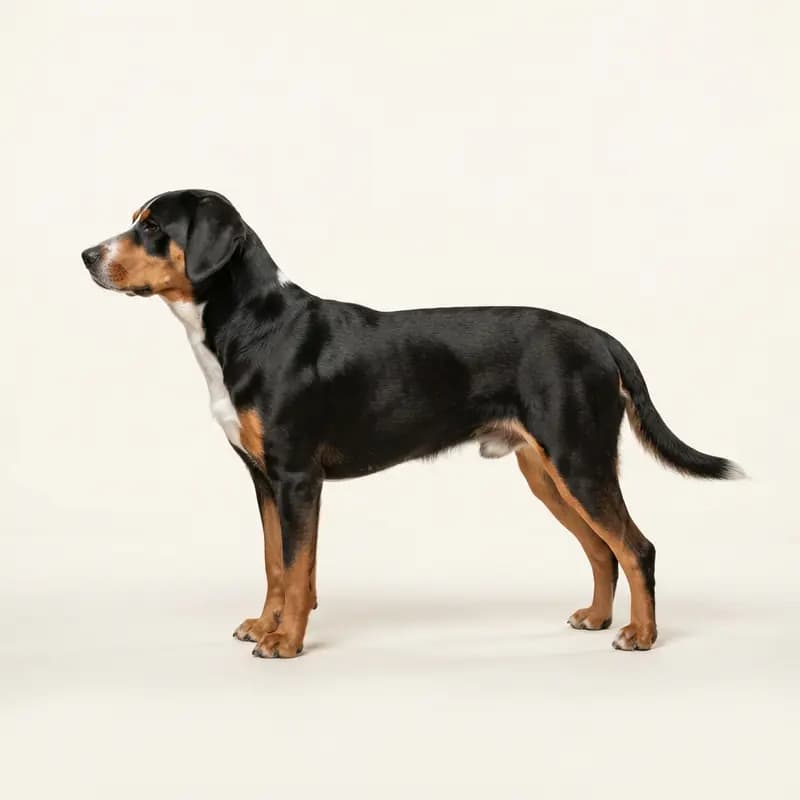 Illustrative image
Short
 Smooth
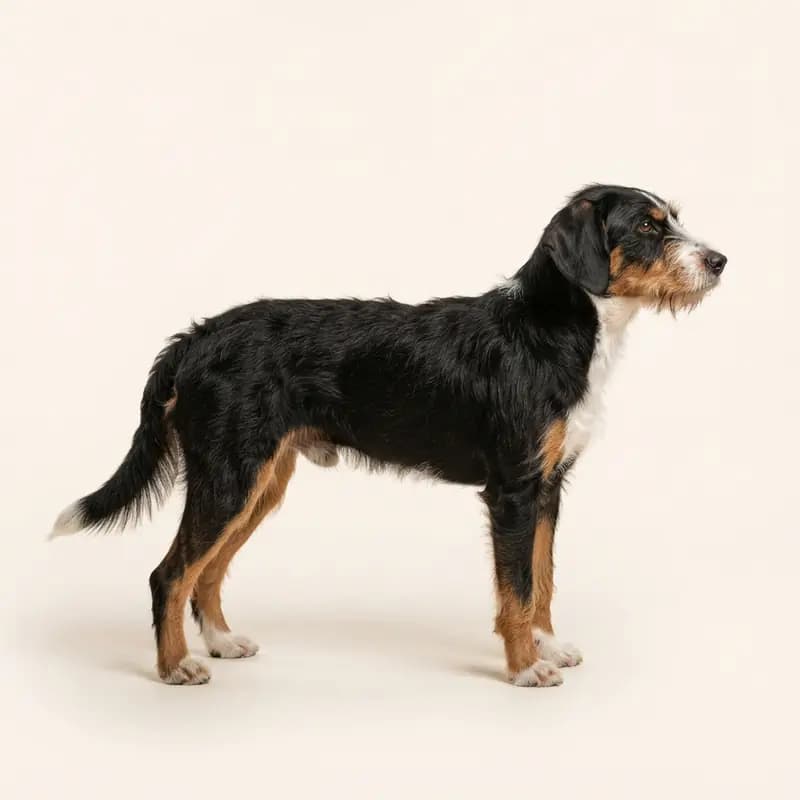 Illustrative image
Wire
The real vibes check
With his short legs and long ears, a Berner Niederlaufhund looks like a cozy companion dog—but as soon as his nose touches the ground, he becomes a highly focused professional hunter. You aren't getting a lap dog, but an extremely persistent specialist who perceives the world primarily through scents. If you share his passion for tracking, you have a fantastic, gentle companion; if not, you have a dog that will pull frustratedly at the leash.
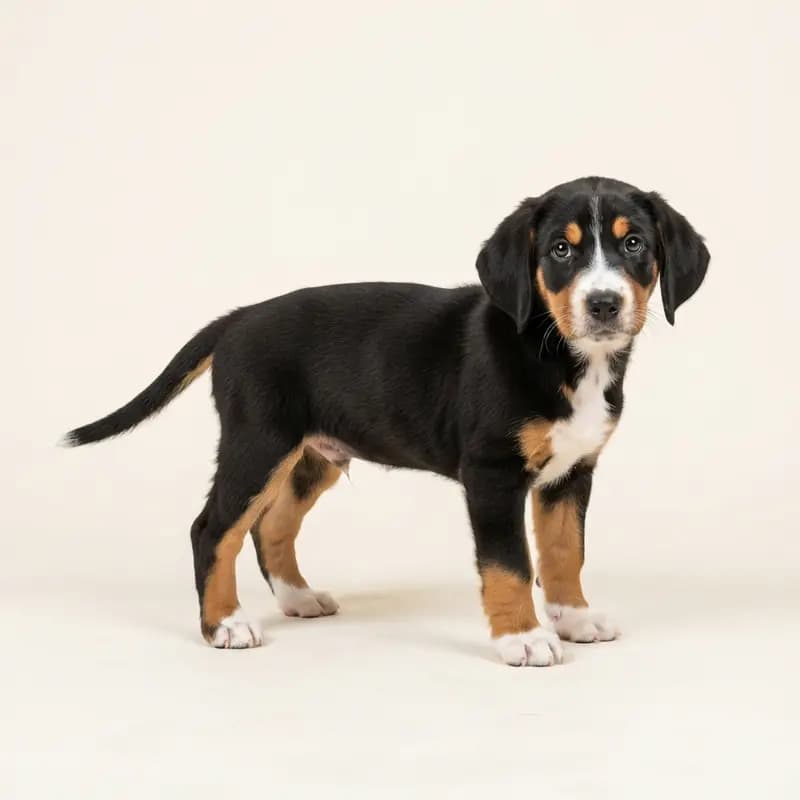
The Bernese Low Running Dog, also known as the Swiss Low Running Dog or Bernese Running Dog, is a small to medium-sized dog with an elegant and harmonious appearance. This breed belongs to FCI Group 6, which includes hounds, bloodhounds and related breeds. The Bernese Low Hounds are notable for their symmetrical rusty red and white markings on a black background, giving them a unique and attractive appearance. Their build is strong and well proportioned, allowing them to run with ease and endurance. There are no significant differences between performance and show lines in this breed as breeders always emphasize maintaining the original working abilities and appearance of the breed.
The Bernese Low Running Dogs are known for their affectionate and people-oriented nature. They are very loving and form a close bond with their owners. They are intelligent and willing to learn, making them good companions for active owners. They enjoy long walks and games, but also have no problem spending quiet hours at home. Despite their hunting history, the Bernese Low Hounds generally do not have a strong hunting instinct. They can be trained around wild animals without hunting them. However, it is important to socialize them well from the start and teach them how to respond appropriately in different environments and situations. The Bernese Low Hounds are generally very good-natured and get along well with children and other pets. However, they are also vigilant and can protect the home and family when necessary. Although they are generally easy to train, they require consistent and loving training. They respond well to positive reinforcement and encouraging training methods. Harsh or strict training methods are not recommended as they can undermine the dog's trust in its owner. The Bernese Low Hounds can easily learn to stay alone if they are properly prepared. It is important to teach them from a young age that being alone is normal and that their owners will always come back to them. They do not tend to exhibit strong hunting or prey-catching behavior, but as with all dogs, this behavior can vary. This breed is lively and active, but not hyperactive. They need regular physical and mental stimulation to stay healthy and happy. This can be achieved through daily walks, games and training sessions. Despite their need for activity and stimulation, Bernese Low Hounds are also very adaptable and can cope well in various life situations. They are equally happy in a house with a large yard where they can run around and play, or in an apartment, as long as they get enough exercise and stimulation. The nature and character of the Bernese Low Hounds make them excellent companions for people of all ages. Their affectionate and loving nature make them perfect family dogs, while their intelligence and learning ability make them good candidates for various canine sports and activities. It is important to remember that, like all dogs, they require dedicated care, appropriate socialization and training to reach their full potential as companion dogs. With the right care and leadership, Bernese Low Hounds are loving and loyal companions who can turn every day into an adventure.
| Watchfulness Reports unusual activity but stays controlled. | Moderate |
| Openness to Strangers Warms up quickly and is generally welcoming. | Friendly |
| Hunting or Herding Drive Powerful instinct that can override recall when triggered. | Strong |
Fun Fact!
Did you know that the Bernese Hound is an excellent and tenacious hunter despite its small size? They were originally used to hunt small game such as rabbits, but are now best known as loving family dogs.
The Bernese Niederlaufhund is a lively and friendly hunting dog with a pronounced sense of smell. It is characterized by its endurance and balanced temperament. These dogs are easy to train and are suitable both for hunting and as family dogs, provided they receive sufficient activity and exercise. The Bernese Niederlaufhund is robust and adaptable, making it a versatile companion.
Bernese Low Hounds are very adaptable and can live well in both the city and the country. It is important that they get enough exercise and mental stimulation. They enjoy the company of children and are also generally good with other pets, including cats.
Lives for its family — the born family companion.
Takes boisterous and affectionate children in its stride.
Usually gets on fine with other dogs.
Can manage in the city, but only with very active owners.
Owning a dog is a privilege, but it's also a real responsibility. Before you bring one into your life, be honest with yourself about the commitment it takes.
Raising and training the Bernese Low Hound is generally straightforward, but like any dog, it requires patience, consistency and love. Positive reinforcement is key, and harsh or strict training methods are not recommended. It is important that these dogs learn to develop frustration tolerance and impulse control in order to get along well with other dogs and people. They are not "ball junkies," but they enjoy mentally stimulating games and activities. As former hunting dogs, they have a natural instinct to sniff and explore, and these tendencies can be encouraged through nose work or search games. They are also good candidates for obedience, agility and other dog sports.
A balanced nutritional plan is crucial for the health and well-being of the Bernese Low Hound. This breed is typically straightforward when it comes to feeding, and a quality dog food with balanced proportions of proteins, fats and carbohydrates will meet their nutritional needs. A veterinarian or canine nutritionist can help put together a customized diet plan. Caring for the Bernese Low Hound is relatively easy. They have a short, smooth coat with little undercoat that requires minimal grooming. Regular brushing helps keep the coat clean and healthy and removes the small amount of loose hair. They are well suited to the German climate and can cope well with both cooler and warmer temperatures.
| Care Level Regular brushing and occasional professional grooming. | Moderate |
| Exercise Needs Needs several hours of serious exercise every day. | Very active |
| Shedding Regular shedding — dog hair on clothes is now normal. | Moderate |
| Trainability Has its own ideas and will test limits. | Strong-willed |
Our experts are still reviewing this information. Spotted something wrong? Email us at info@honestdog.de.
Solid
Health grade
The Small Bernese Hound presents itself as a robust breed with a manageable genetic burden. Hip dysplasia (HD) is well managed here as a mandatory screening, but still requires attention in the parent animals. Buyers should also look for recommended additional tests regarding hereditary eye diseases and heart defects to minimize the risk of these issues.
Grade is relative to other breeds — AI-assisted and editorially reviewed.
Methodology and data: HonestDog Dog Breed Health Report 2026
What matters most for this breed
Tap any item to see details.
You should ensure a healthy weight and joint-friendly exercise to relieve pressure on the back, and check the pendulous ears regularly to prevent infections.
Reputable breeders have the parents' hips, elbows, spine, and eyes examined and pay attention to well-ventilated ears to reduce health risks in the lineage.
Note: This health overview is AI-assisted and editorially reviewed. It is for orientation only and does not replace veterinary advice.
What matters most for this breed — what's common, how much it affects the dog's life, and how to protect yourself as a buyer.
Tap a body region to see the inherited conditions linked to it.
The three most important risks
Pick a region on the map to explore other areas.
We sort tests into three tiers — from the mandatory club standard to a fully exemplary program.
Club standard. Tests that the relevant breed club (VDH / FCI / AKC parent club) requires. Any serious breeder should be able to show you these.
No entries in this tier.
Note: This health overview is AI-assisted and editorially reviewed. It is for orientation only and does not replace veterinary advice.
A Small Bernese Hound costs around ~€170 per month (€90 – €320, depending on your setup). The first year adds up to roughly ~€4,750 including purchase, equipment and puppy school; across the dog's life (13.5 years) it comes to about ~€30,620.
With surgery cover, running costs come to about ~€170 per month — in return, your share of a major operation drops from several thousand euros to around 20 percent.
Per month
~€170
In the first year
~€4,750
Across the dog's life
~€30,620
Estimated purchase price from a breeder: €1,200 – €2,500
Estimate at a mid-range setup (suburban, dry food, 1–2 hours of daily exercise), average German prices, as of July 2026.
HonestDog Concierge
We currently have no breeders for this breed who have passed our verification. Create your short buyer profile: we'll set up your search alert, review a possible source and email you within 28 days.
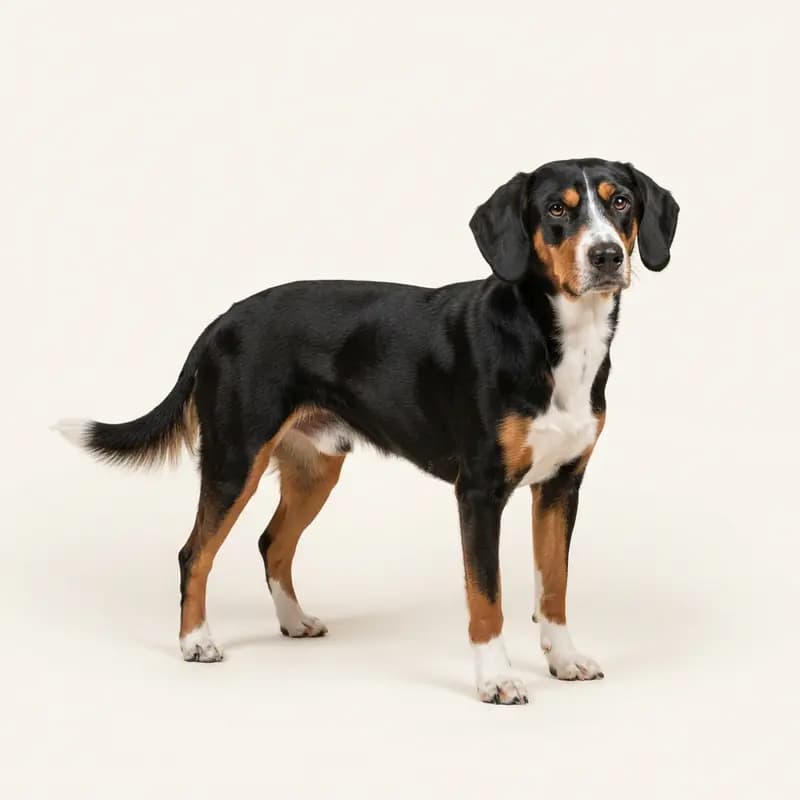 Illustrative imageIllustrative imageIllustrative image
 Illustrative image
As the name suggests, the Bernese Low Hounds come from Switzerland, more precisely from the canton of Bern. They belong to the family of Swiss hounds, which have been known since the Middle Ages and were traditionally used for hunting. The breed is closely related to the other Swiss Hounds, including the Jura Niederlaufhund, the Lucerne Niederlaufhund and the Schwyzer Niederlaufhund. The exact origin story of the Bernese Hounds is not known, but it is believed that they descended from ancient French Hounds that were widespread in Switzerland. These dogs were used for both solo and pack hunting and were known for their ability to track an animal over long distances. The breed was first officially recognized in the 1880s and the first breed standard was published in 1882. Despite their long history and popularity in Switzerland, the Bernese Low Hounds are not very common outside of their home country.
The Bernese Low Hound was bred to hunt small game in rough terrain and is characterized by its smaller stature.
Switzerland
1900
At home, owners describe the Small Bernese Hound as a very affectionate, gentle and cuddly companion. Indoors the breed stands out for being remarkably calm; many owners report that these dogs are surprisingly unobtrusive inside and seek very close contact with their people and with children. How well they get along with other dogs is also praised almost across the board, which owners put down to their heritage as scent hounds that work in packs or alongside other dogs.
That relaxed state changes abruptly, however, as soon as the front door opens. Owners regularly stress the sharp contrast between the calm "couch dog" at home and the hardworking, born scent hound outdoors. Anyone who thinks the compact build makes this an undemanding companion for short potty walks quickly learns otherwise: without plenty of exercise and mental work, these dogs end up under-challenged, which is why an active home is seen as a basic requirement.
Sources:tackenberg.deforum.wildundhund.dezooroyal.decurafyt.com
Owner accounts of handling and training keep stressing that the Small Bernese Hound is a true Swiss scent hound. Contrary to occasional claims that the breed has little hunting drive, owners and handlers report a very strong urge to track and a deep-rooted passion for it. Once the dog catches a fresh trail, it proverbially stops listening and follows the scent persistently, giving tongue as it goes. For many owners, reliable off-leash time in areas full of wildlife turns out to be a challenge that lasts for years, or is simply impossible without a long line.
In training, owners run into the typical mix of sensitivity and independence. The breed does not forgive rough treatment or harshness at all and quickly withdraws in uncertainty under pressure. At the same time, its tendency to work on its own calls for a great deal of consistency and patience. Owners who don't hunt stress that alternative nose work, such as drag trails or mantrailing, is close to indispensable to channel the dog's inborn talents in a controlled way and build reliable teamwork.
Sources:tackenberg.deforum.wildundhund.decurafyt.comhaustierforum.ch
Paraphrased from real owner reports · translated from German
The Small Bernese Hound is an active dog that needs plenty of exercise and mental stimulation. Research the temperament, grooming needs, and space requirements before deciding.
The average life expectancy of a Small Bernese Hound is 12-15 years. With proper care and regular vet visits, your dog can live a long, healthy life.
Small Bernese Hound grooming requirements include regular brushing, nail trimming, and dental care. HonestDog provides detailed grooming tips for every breed.
The Small Bernese Hound can be a great family dog. Proper training and socialization are key. HonestDog provides family suitability information for every breed.
The Small Bernese Hound comes in these colors: Tricolor.
Showcase your kennel on HonestDog and reach families searching for a responsibly bred Small Bernese Hound.