Persistent Hyperplastic Tunica Vasculosa Lentis (PHTVL) and Persistent Hyperplastic Primary Vitreous (PHPV)(PHTVL/PHPL)
Also known as: Persistent Hyperplastic Tunica Vasculosa Lentis · Persistent Hyperplastic Primary Vitreous · PHTVL/PHPV · PHPV · PHTVL · …
Overview
What it is
This is a congenital eye disorder where the temporary blood vessel network that nourishes the lens before birth fails to shrink and disappear as it normally should. Instead, this embryonic tissue remains and grows abnormally behind and around the lens. This can cause cloudiness in the lens, known as cataracts, and other structural changes inside the eye.
How it presents
Owners may notice a whitish or cloudy appearance in the puppy's pupil, or signs of vision loss such as bumping into things. The condition is present from birth and is typically detected during a veterinary eye exam between 6 and 9 weeks of age.
Treatment
Mild cases may only need regular monitoring, while severe cases may require specialized surgery to remove cataracts or abnormal tissue. Treatment costs range from €300 for diagnostic monitoring to €4,500 for complex surgical intervention.
How it's tested
ECVO Augenuntersuchung (DOK)(ECVO-DOK)
Primary testEye examAugenuntersuchung durch ECVO-zertifizierten Augentierarzt (Dortmunder Kreis). Erkennt PRA, Katarakt, Entropium, CEA, MPP, RD u.a.
Issuing body: ECVO
Result scheme: Eye-ECVO
Affected breeds
24 of 36 breeds
 AkitaRecommended standard
 Dutch SchapendoesRecommended standard
 East Siberian LaikaRecommended standard
 Greenland DogRecommended standard
 HokkaidoRecommended standard
 Icelandic SheepdogRecommended standard
 JämthundRecommended standard
 Karelian Bear DogRecommended standard
 Kintamani-Bali DogRecommended standard
 KishuRecommended standard
 KomondorRecommended standard
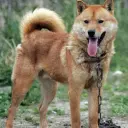 Korean JindoRecommended standard
 LapinporokoiraRecommended standard
 Miniature SchnauzerRecommended standard
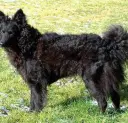 MudiRecommended standard
 Norwegian BuhundRecommended standard
 Norwegian Elkhound (Black)Recommended standard
 Norwegian Elkhound (Gray)Recommended standard
 Norwegian LundehundRecommended standard
 PuliRecommended standard
 PumiRecommended standard
 SamoyedRecommended standard
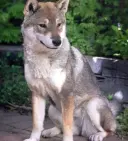 ShikokuRecommended standard
 Smooth-haired DachshundRecommended standard
Treatment cost
Estimated range of typical treatment costs. Actual costs depend on severity, clinic and region.
Frequently asked questions
What is Persistent Hyperplastic Tunica Vasculosa Lentis (PHTVL) and Persistent Hyperplastic Primary Vitreous (PHPV)?
This is a congenital eye disorder where the temporary blood vessel network that nourishes the lens before birth fails to shrink and disappear as it normally should. Instead, this embryonic tissue remains and grows abnormally behind and around the lens. This can cause cloudiness in the lens, known as cataracts, and other structural changes inside the eye.
How is Persistent Hyperplastic Tunica Vasculosa Lentis (PHTVL) and Persistent Hyperplastic Primary Vitreous (PHPV) tested?
Tests currently in our database: ECVO Augenuntersuchung (DOK).
Which breeds are most affected?
Most commonly affected: Akita, Dutch Schapendoes, East Siberian Laika, Greenland Dog, Hokkaido, Icelandic Sheepdog, Jämthund, Karelian Bear Dog.