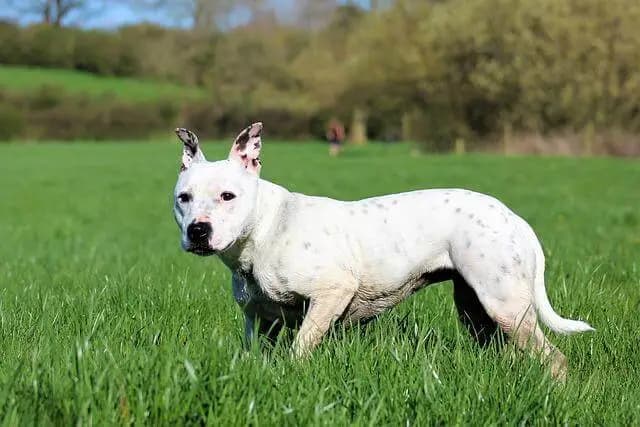
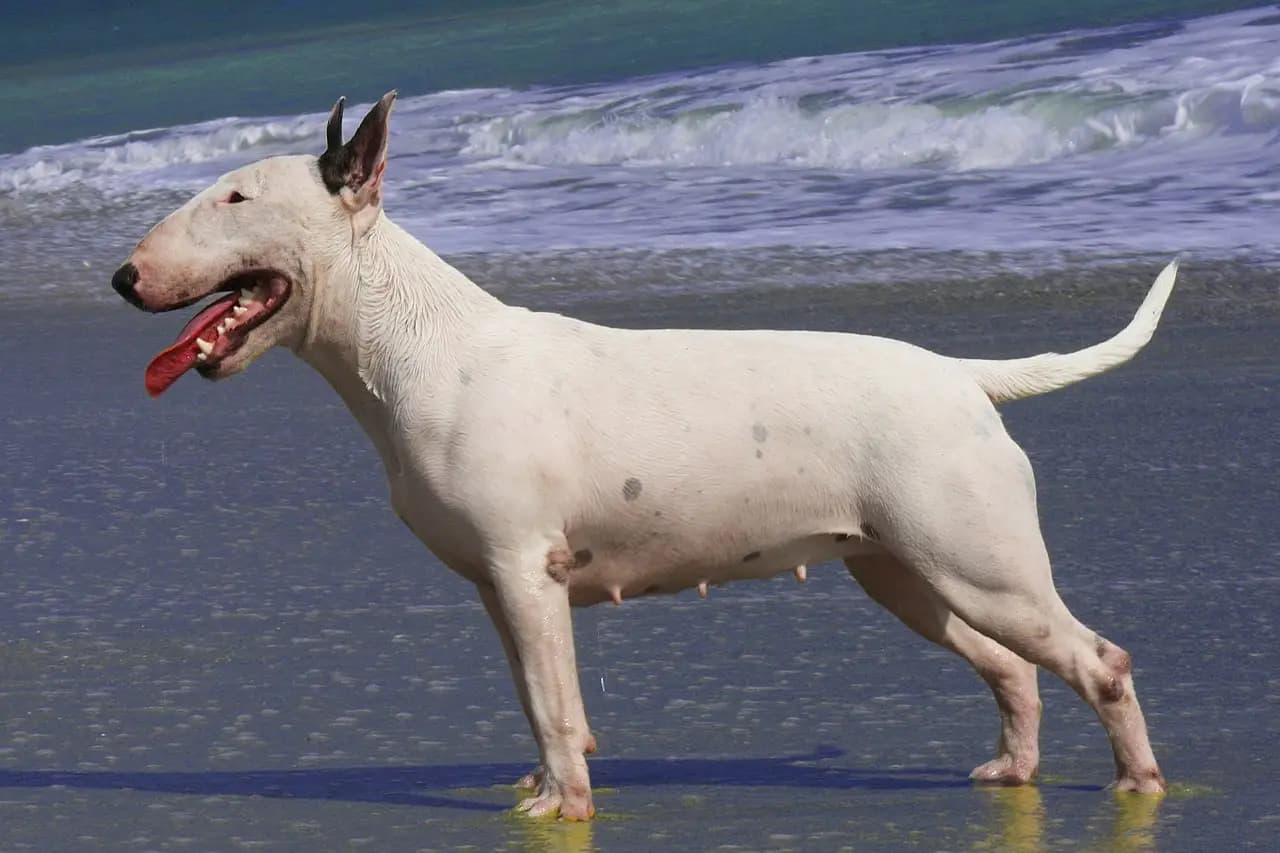
A reputable breeder does not simply rely on how their dogs look, but uses targeted diagnostics to reduce the risk of hereditary disease in their litters. Always ask to see the original written results for the parent animals before you buy.
Neurological conditions (genetic tests)
For the American Staffordshire Terrier, screening for serious hereditary nervous system disorders plays a central role. These include cerebellar ataxia (NCL-A / neuronal ceroid lipofuscinosis 4A), which leads to progressive loss of coordination, and polyneuropathy with juvenile laryngeal paralysis (ALLP). Established DNA tests exist for these conditions. A genetic test shows whether a parent animal is genetically clear, a carrier or affected. With these recessive modes of inheritance, a responsible breeder mates carriers only with tested clear partners. This way, no puppy inherits the tested mutation from both parents, and the risk of the condition in question falls significantly.
Joints and heart (clinical examinations)
A powerful, active dog needs a healthy musculoskeletal system. Reputable breeders have their breeding dogs officially X-rayed for elbow dysplasia (ED) and hip dysplasia (HD) to reduce the risk of painful joint changes in their offspring. A cardiac examination by a specialist is just as important, so that congenital heart disease can be detected early.
Eyes, skin and colour genetics
A specialist eye examination checks breeding dogs for eyelid disorders such as ectropion and entropion, as well as for cataracts, lens luxation and primary open-angle glaucoma. Good breeders also pay attention to an intact immune system, as a predisposition to demodicosis (demodectic mange) can be passed on through the lines.
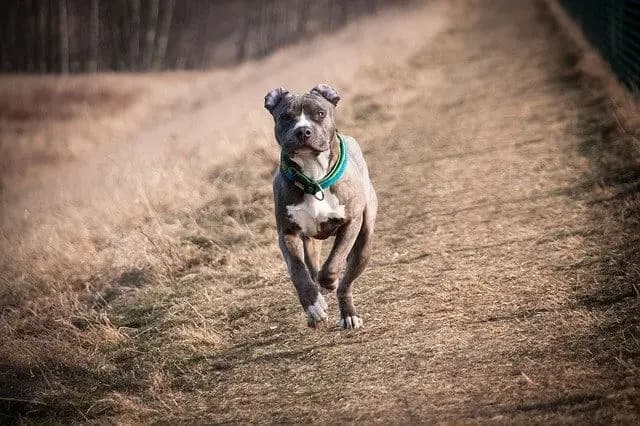
Particular caution is needed with so-called dilute colours such as “blue”: here there is a risk of colour dilution alopecia (CDA / blue dog syndrome), a genetic form of hair loss and chronic skin inflammation. Rare disorders of sexual development (sex reversal) are also among the breed’s known health issues, and you should ask about them specifically when speaking to the breeder.