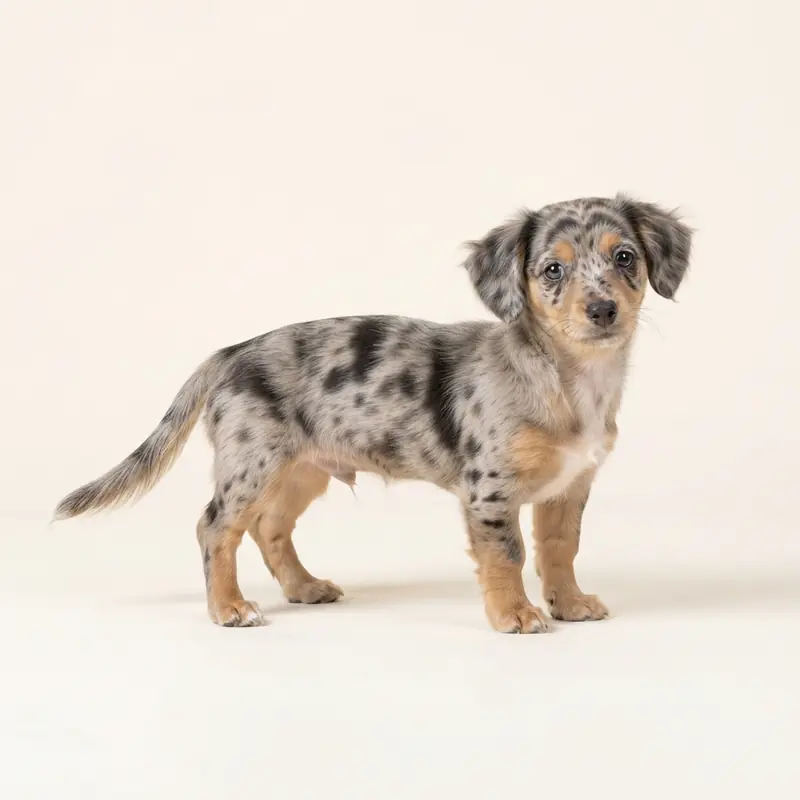
ChihuahuaClose relative
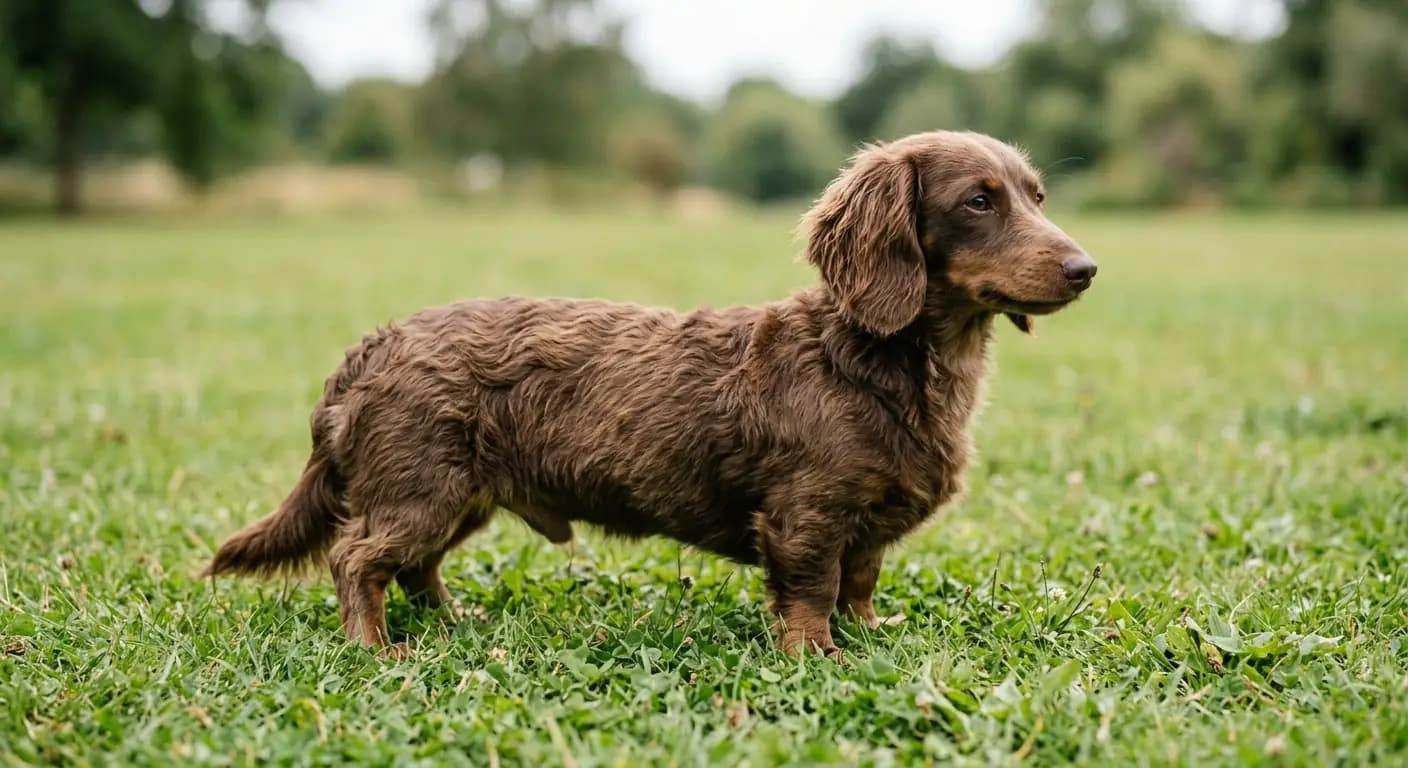
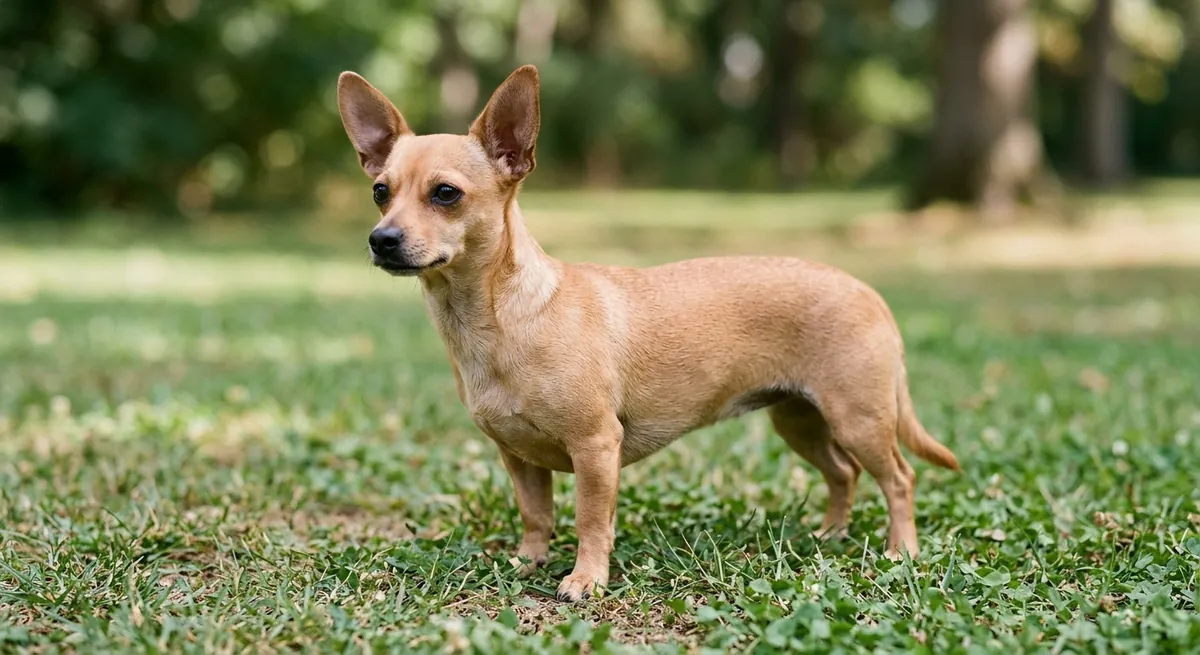 AI-generated image
The Chiweenie is an unpredictable, character-packed surprise package—a mix of a watchful companion dog and a stubborn burrow-hunting dog. You're not buying a fixed operating system here, but rather a genetic wildcard that often combines the volume of a Chihuahua with the hunting drive of a Dachshund.
Self-check
Answer 6 quick questions about your everyday life and see how well the Chiweenie fits you — including an honest cost estimate per month, per year, and across the dog's lifetime.

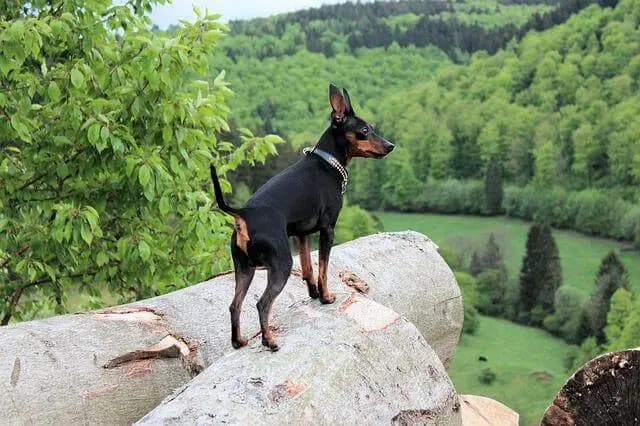
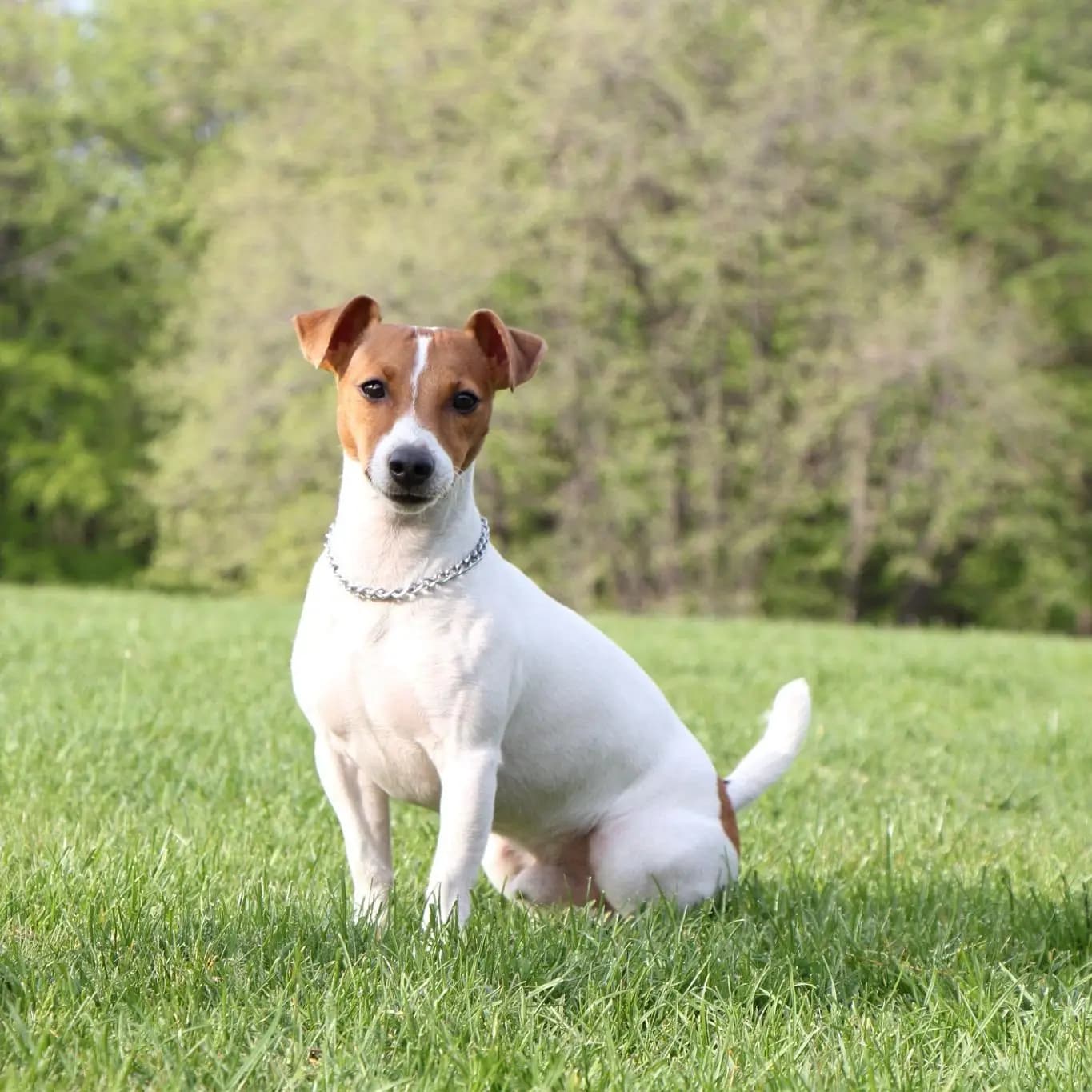
At a glance
The essentials — key facts, traits, and health priorities — before you dive deeper.
Lifespan
12–16 yrs
Shoulder height
13–25 cm
Weight
3–6 kg
Practical
Temperament
Daily life
What matters most
Especially with a Chiweenie, choosing the right breeder is the single most important decision you'll make. Serious breeders consistently test the parents for inherited conditions, prioritize healthy early socialization, and stay accountable long after handover. A cheap puppy without health screening tends to become the most expensive dog later on.
See HonestDog breeder standards →Colors & coat
The coat colors that occur in the Chiweenie — including which ones fall outside the breed standard and which carry genetic risk.
Eye colors
 Brown
 Amber
 Blue
Coat type
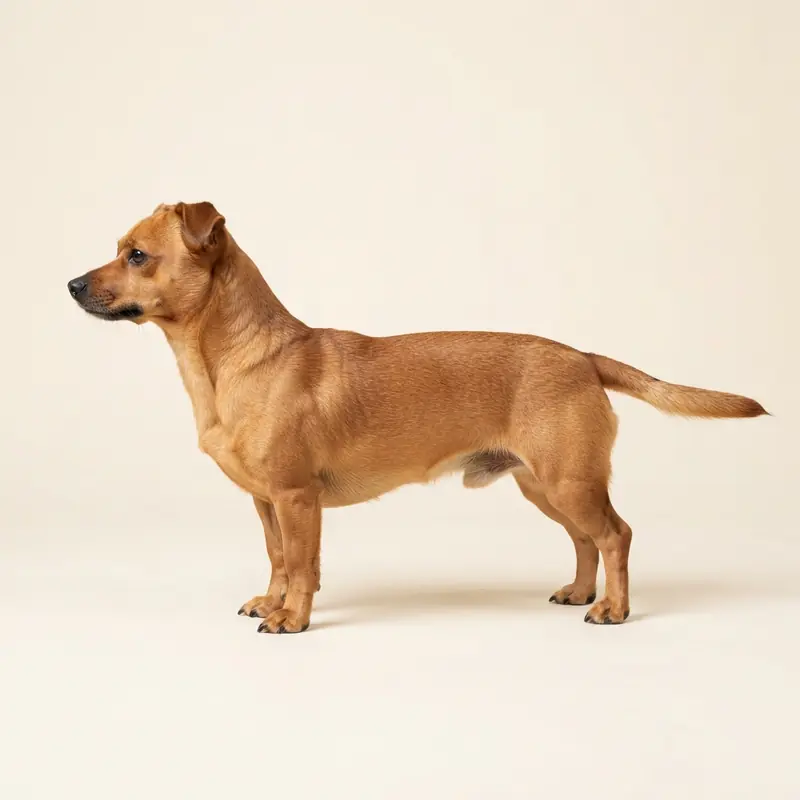 Illustrative image
Short
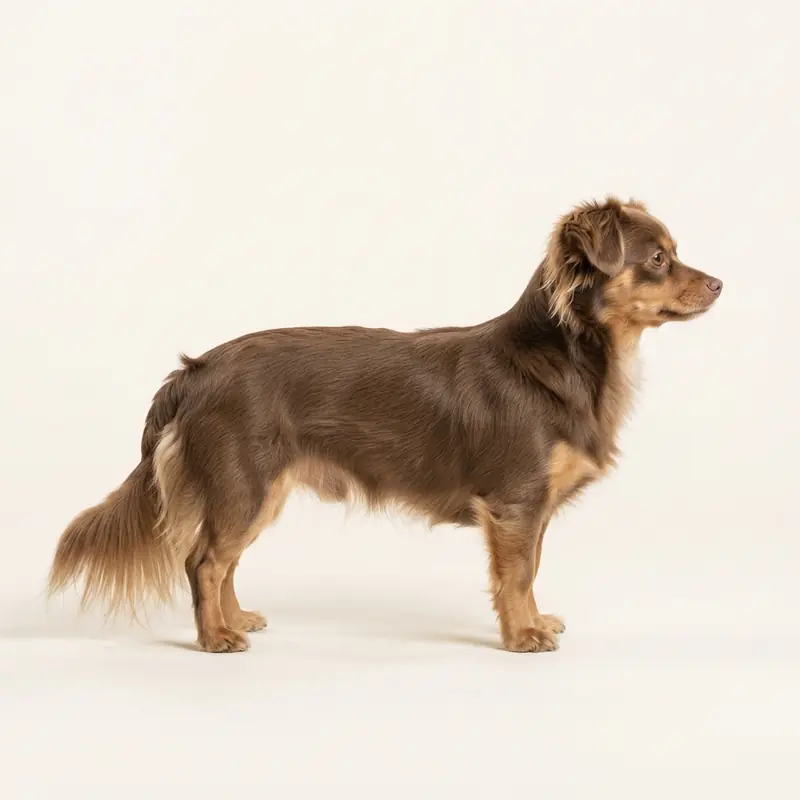 Illustrative image
Medium
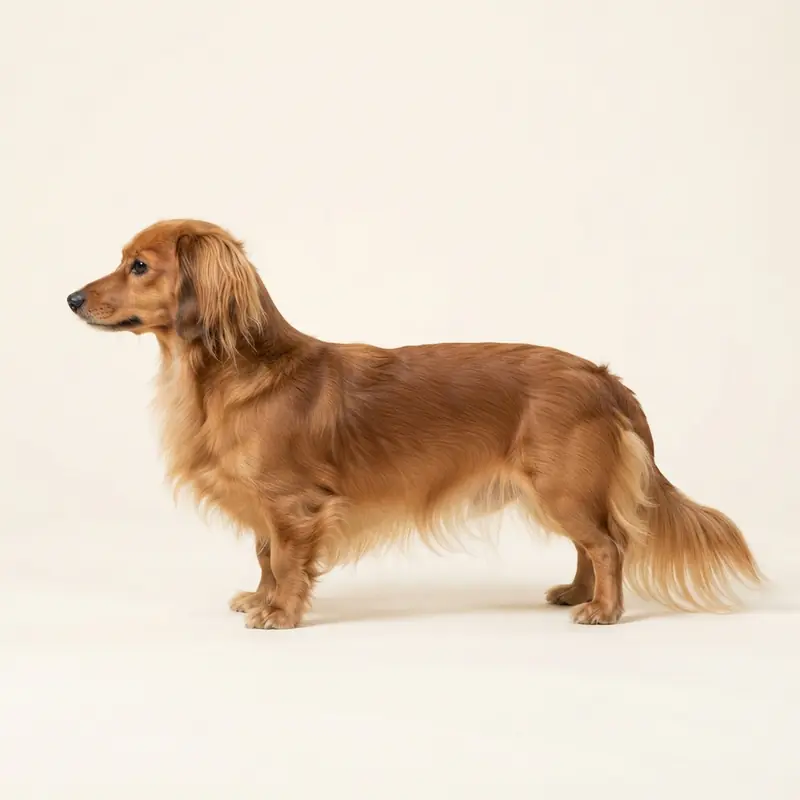 Illustrative image
Long
 Smooth
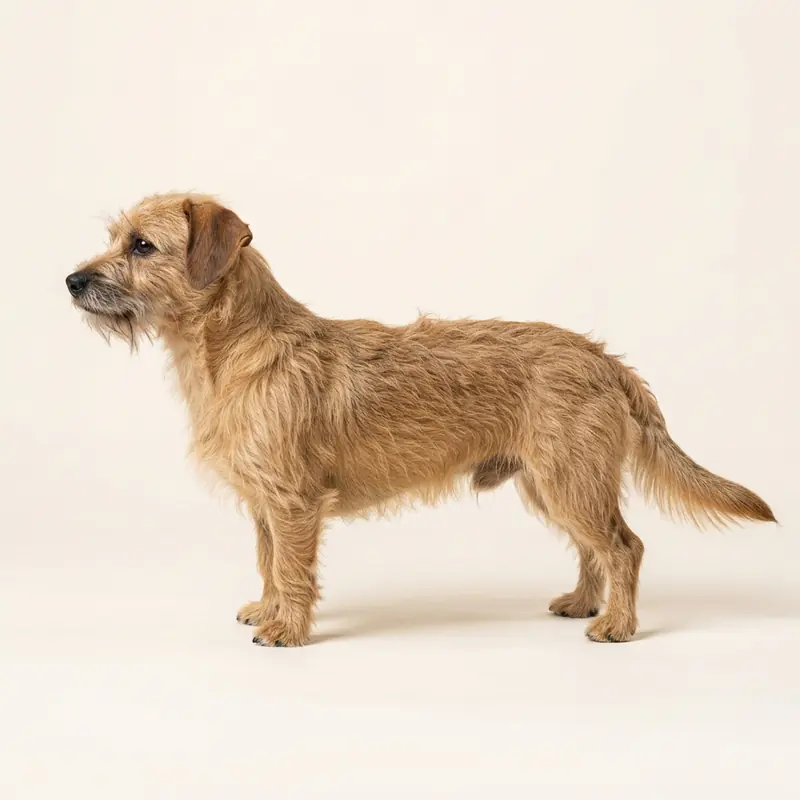 Illustrative image
Wire
The real vibes check
A Chiweenie is like a tiny security guard with the ego of a bouncer stuffed into a uniform that's way too small. You never quite know whether the brave earth dog or the clingy lap dog will take the wheel in any given situation. If you guide this daily wildcard with humor and consistency, you'll get a fearless shadow that would walk through fire for you.
The Chiweenie is a cross between a Chihuahua and a Dachshund—a small, confident companion dog that often features an elongated body. It combines the alertness of the Chihuahua with the independent, sometimes stubborn character of the Dachshund. As a designer mix without a fixed breed standard, body structure, coat, and size vary considerably from litter to litter.
Chiweenies are alert, brave, and often suspicious of strangers, tending to bark at any change in their environment. Especially without consistent training, they can be prone to yapping and nipping, making them challenging around young children. Within the family, they are affectionate and often form a close bond with a single primary person. Their Dachshund heritage shows in a degree of stubbornness and a strong instinct to dig.
| Watchfulness Reports unusual activity but stays controlled. | Moderate |
| Openness to Strangers Careful around unfamiliar people — thaws slowly. | Cautious |
| Hunting or Herding Drive Noticeable drive — needs attention around small animals. | Moderate |
Fun Fact!
Because the Dachshund was originally bred to hunt badgers in narrow burrows, even a Chiweenie can display a surprisingly strong instinct to dig in the garden.
The Chiweenie is small, but its demeanor is rarely fragile; it often displays a pronounced mind of its own. Depending on how strongly the Dachshund's proportions dominate, the body can be significantly long, putting corresponding stress on the back. This mix is frequently underestimated; it is alert, somewhat territorial, and requires clear, consistent leadership. Because both the Chihuahua and the Dachshund possess independent personalities with strong hunting and guarding instincts, the Chiweenie is not a pure lapdog, even if its size suggests otherwise. As with any uncontrolled mix, the outcome of a litter is difficult to predict.
The Chiweenie is exceptionally well suited to living in a city apartment. Its very small size makes it highly adaptable to limited living spaces, though a house with a yard works too, provided its digging instinct and watchfulness are kept in mind. Interaction with young children requires careful supervision. Due to its tendency to bark and nip slightly, combined with a somewhat suspicious nature, contact must be managed cautiously and with proper guidance. This breed tends to be less compatible with other dogs. Owing to its strong territorial behavior and stubbornness, living alongside other dogs or pets is not always straightforward.
Gets on well with different people and varying routines.
Fine with calm, respectful children — not small tornadoes.
Can get on with dogs it knows — strangers are a different story.
Small space, noise, lots of people — no problem at all.
Owning a dog is a privilege, but it's also a real responsibility. Before you bring one into your life, be honest with yourself about the commitment it takes.
Clear structures and consistent leadership are essential when training a Chiweenie. Because it is prone to barking at changes and inherits the typical Dachshund stubbornness and strong self-will, training demands a great deal of patience. Without consistent intervention, it can tend to bark incessantly and nip. Its moderate to high exercise needs require short but regular walks and targeted activities. It benefits from mental stimulation, and simply existing as a lapdog will by no means satisfy its needs. Furthermore, care must be taken to protect it from the cold in daily life. Particular attention must be paid to its build: this crossbreed has a long back on short legs. Jumping and frequent stair climbing should be expressly avoided, and that overweight places additional strain on the back. To protect the spine, ramps or small steps are recommended.
The Chiweenie's coat is usually short and low-maintenance, requiring only occasional brushing. Due to the risk of spinal disc issues, the dog should not jump onto high furniture or run down stairs unchecked; many owners use ramps or small steps. Exercise needs are moderate to high; short but regular walks and mental stimulation are important to prevent obesity, which places additional strain on the spine. Due to its small size, it is sensitive to the cold and often needs extra protection in winter.
| Care Level Minimal effort — occasional brushing and bathing. | Low-maintenance |
| Exercise Needs Needs several hours of serious exercise every day. | Very active |
| Shedding Regular shedding — dog hair on clothes is now normal. | Moderate |
| Trainability Willing to learn with clear rules and regular training. | Balanced |
Our experts are still reviewing this information. Spotted something wrong? Email us at info@honestdog.de.
Elevated risks
Health grade
In Chiweenies, there are clear health risks, particularly for intervertebral disc disease (IVDD), patellar luxation (PL), and skin problems such as Acanthosis Nigricans. A health-oriented breeder therefore has their breeding dogs thoroughly examined in advance to detect hereditary predispositions early. Before purchasing a puppy, ask to see the written test results for patellar luxation (PL), where only scores of PL 0–1 are acceptable. Also ensure there is proof regarding progressive retinal atrophy (PRA), where a carrier may only be mated with a clear partner.
Grade is relative to other breeds — AI-assisted and editorially reviewed.
Methodology and data: HonestDog Dog Breed Health Report 2026
What matters most for this breed
Tap any item to see details.
You should strictly limit stair-climbing and jumping, maintain a lean weight, and schedule regular vet checks for the back, teeth, and eyes.
Responsible breeders screen for intervertebral disc disease (IVDD) as well as patellar luxation (PL) and, in the case of progressive retinal atrophy, mate carriers only with clear animals.
Note: This health overview is AI-assisted and editorially reviewed. It is for orientation only and does not replace veterinary advice.
What matters most for this breed — what's common, how much it affects the dog's life, and how to protect yourself as a buyer.
Tap a body region to see the inherited conditions linked to it.
The three most important risks
Pick a region on the map to explore other areas.
Tier 1 is the recommended health standard for this breed. Tiers 2 and 3 show how responsible breeders go beyond.
Recommended standard. These tests make up the recommended health standard for this breed — the baseline of any careful breeding program. Ask any reputable breeder for the results.
No entries in this tier.
Note: This health overview is AI-assisted and editorially reviewed. It is for orientation only and does not replace veterinary advice.
A Chiweenie costs around ~€150 per month (€80 – €280, depending on your setup). The first year adds up to roughly ~€3,820 including purchase, equipment and puppy school; across the dog's life (14 years) it comes to about ~€27,710.
With surgery cover, running costs come to about ~€140 per month — in return, your share of a major operation drops from several thousand euros to around 20 percent.
Per month
~€150
In the first year
~€3,820
Across the dog's life
~€27,710
Estimated purchase price from a breeder: €700 – €1,600
Estimate at a mid-range setup (suburban, dry food, 1–2 hours of daily exercise), average German prices, as of July 2026.
HonestDog Concierge
We currently have no breeders for this breed who have passed our verification. Create your short buyer profile: we'll set up your search alert, review a possible source and email you within 28 days.
 Illustrative imageIllustrative imageIllustrative imageIllustrative imageIllustrative image
The Chiweenie likely originated in the 2000s in the USA as part of the trend toward small designer crossbreeds. Chihuahuas were typically bred intentionally with Miniature or Rabbit Dachshunds to produce a small, alert companion dog. A controlled breeding history or recognition as an independent breed does not exist. Due to the very different physical builds of the two parent breeds, the appearance of Chiweenies remains inconsistent to this day.
no targeted working breeding, though the Dachshund heritage originates from a hunting breed used for earthwork
USA
2000
Many owners describe the Chiweenie as a very affectionate, charming companion that would happily spend all day snuggled up close to its person. Owner accounts often lovingly call it a loyal "Velcro dog." Around the house, these dogs always want body contact, demand petting and like to be in the middle of the action. At the same time, they're much livelier and more active day to day than you'd expect from a lap dog.
On the other hand, many owners report that living with small children takes patience and care. Because of their delicate build, Chiweenies are easily injured; if handling gets too rough or hectic, some dogs defend themselves by growling or snapping. The mix also tends to fixate strongly on one main person, which can make being alone harder and lead to jealous or suspicious behavior toward visitors or strangers.
Sources:dackelwissen.defitwarm.comedogs.depetbook.derundum.dog
On training, experienced owners describe the Chiweenie as smart but very strong-willed. The mix of Dachshund stubbornness and Chihuahua self-confidence means it's happy to question or ignore cues when it isn't motivated. A recurring topic is its habit of loudly announcing everything: many owners stress that, unless you work on it early and consistently, noises in the hallway or encounters on the leash quickly get answered with persistent barking.
According to owners, the best results come from taking the dog seriously as a real partner and not spoiling it. Outdoors, the Dachshund's hunting instinct breaks through in many of these dogs, so they follow scent trails meticulously or want to take off when they spot small animals. Owners therefore all advise focusing on clear boundaries, frustration tolerance and reliable impulse control from puppyhood on.
Sources:dackelwissen.derundum.dog
When it comes to physical condition, owners often highlight the Chiweenie's surprising stamina and generally hardy temperament. Thanks to the cross, the back is often a bit shorter and sturdier than in a purebred Dachshund, but the long body is still a weak point, so most owners consistently avoid stairs and jumps off high furniture in daily life.
According to owner accounts, the typical challenges involve teeth and sensitivity to weather: tartar buildup and misaligned teeth are fairly common and call for early dental care. In cold, wet or drafty conditions, many Chiweenies quickly start shivering and refuse to go for walks, so for most owners a protective coat is a standard part of winter gear.
Paraphrased from real owner reports · translated from German
The Chiweenie is an active dog that needs plenty of exercise and mental stimulation. Research the temperament, grooming needs, and space requirements before deciding.
The average life expectancy of a Chiweenie is 12-16 years. With proper care and regular vet visits, your dog can live a long, healthy life.
Chiweenie grooming requirements include regular brushing, nail trimming, and dental care. HonestDog provides detailed grooming tips for every breed.
The Chiweenie can be a great family dog. Proper training and socialization are key. HonestDog provides family suitability information for every breed.
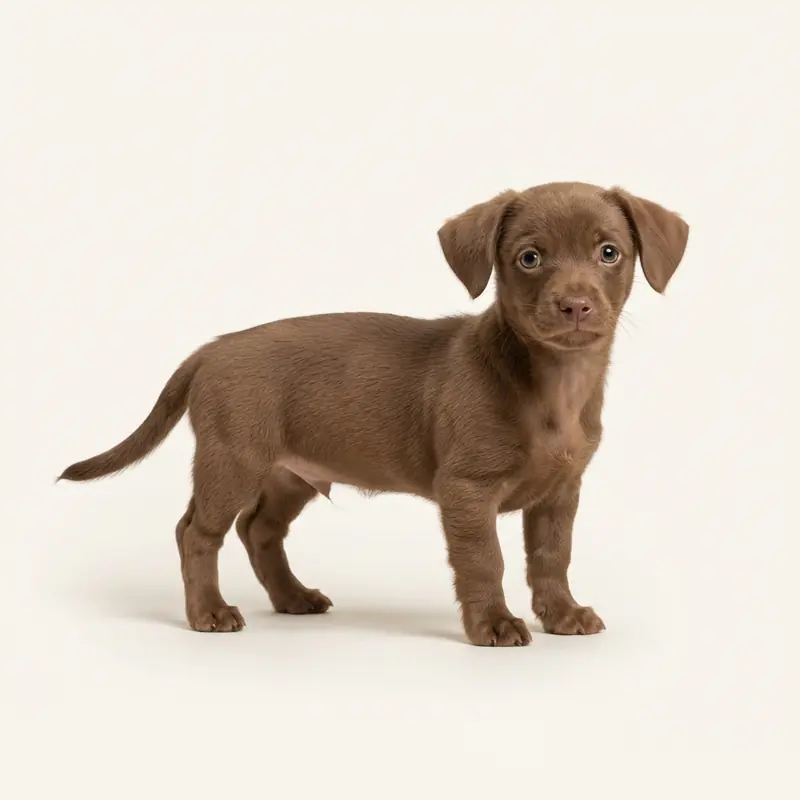
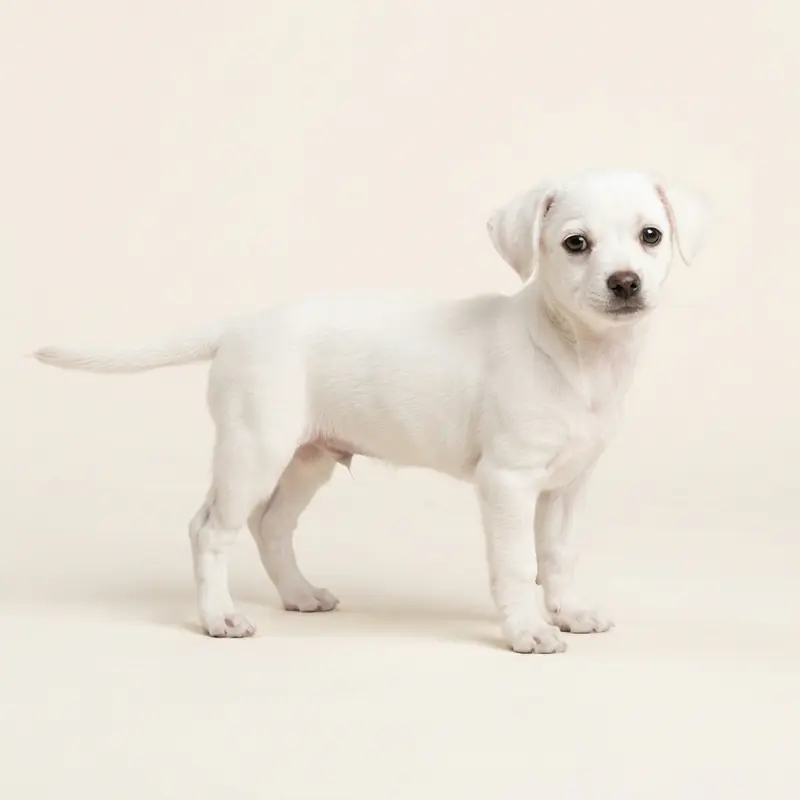
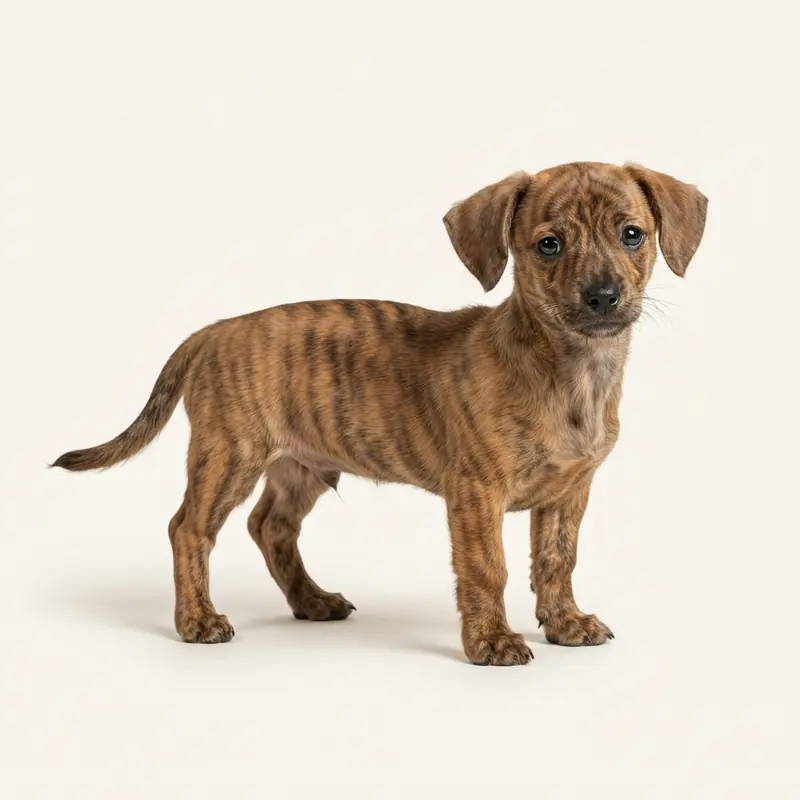
The Chiweenie comes in these colors: Black, Brown, Chocolate, Tan, Fawn, Cream, White, Red, Black and tan, Brindle, Piebald, Merle. Colors that fall outside the breed standard are marked as such on the breed page.
Showcase your kennel on HonestDog and reach families searching for a responsibly bred Chiweenie.