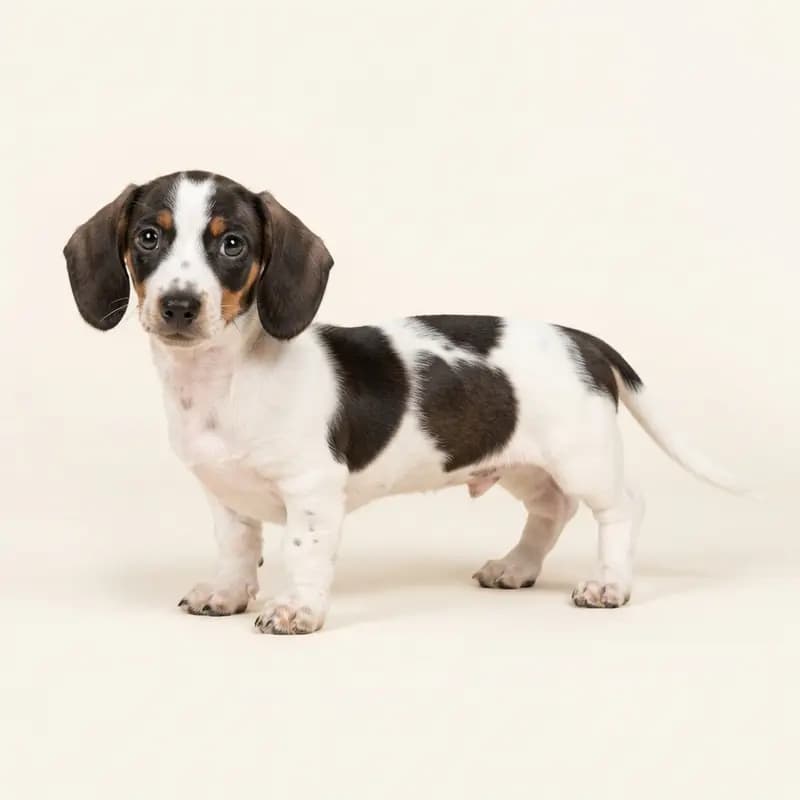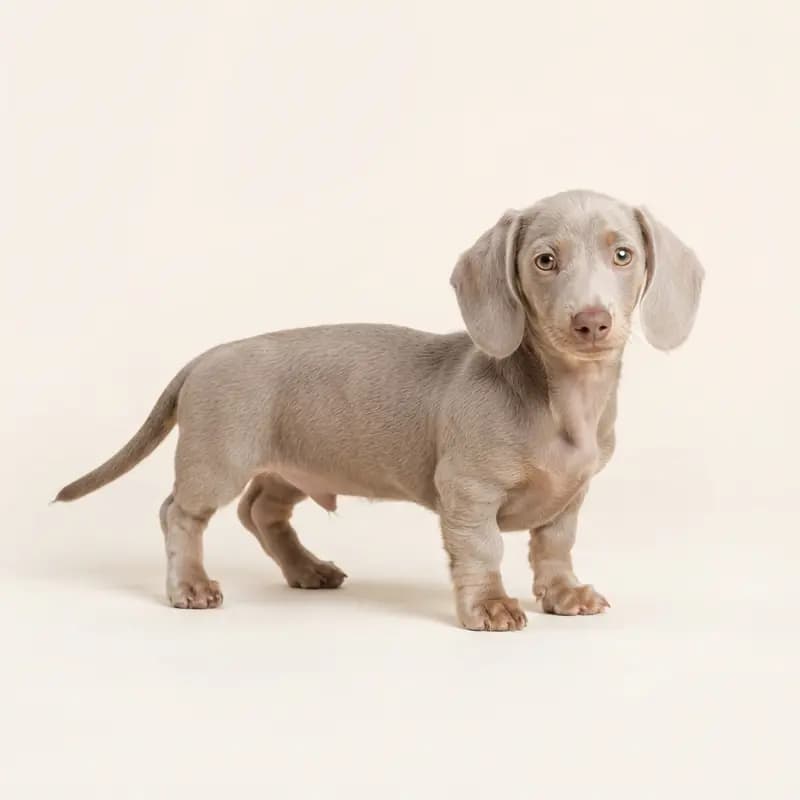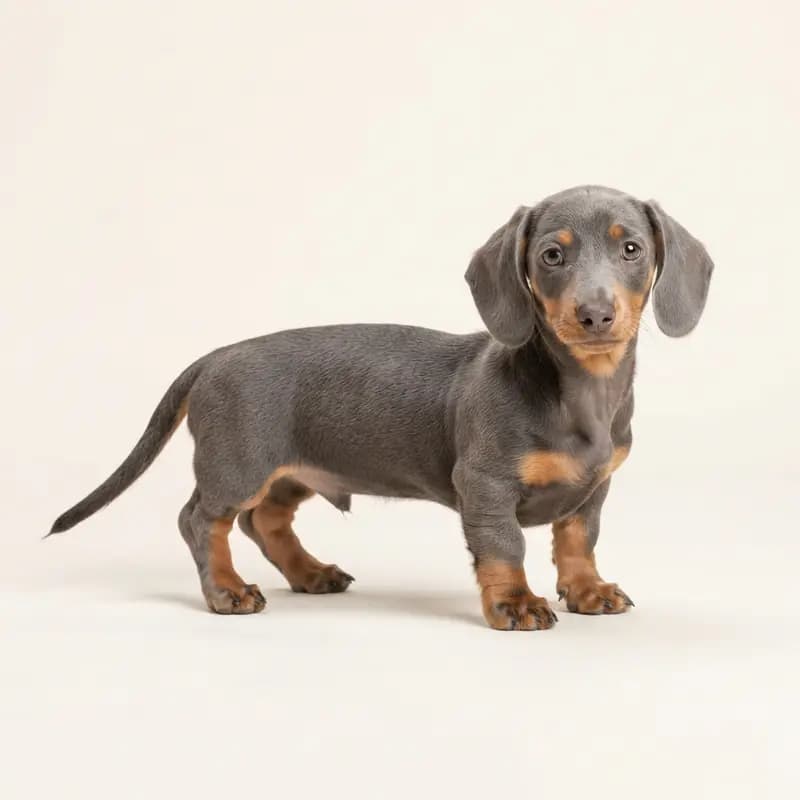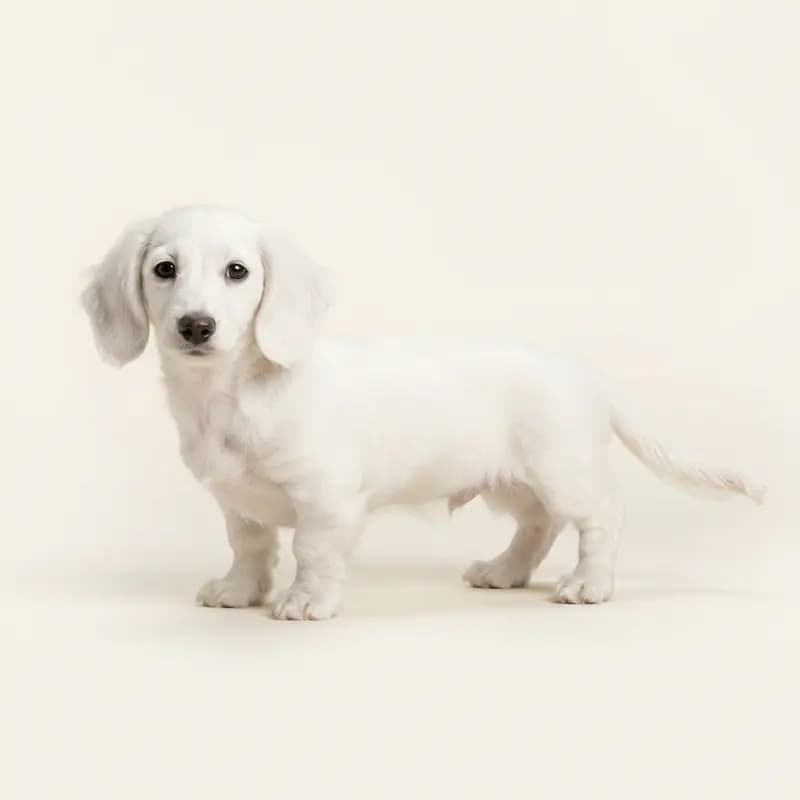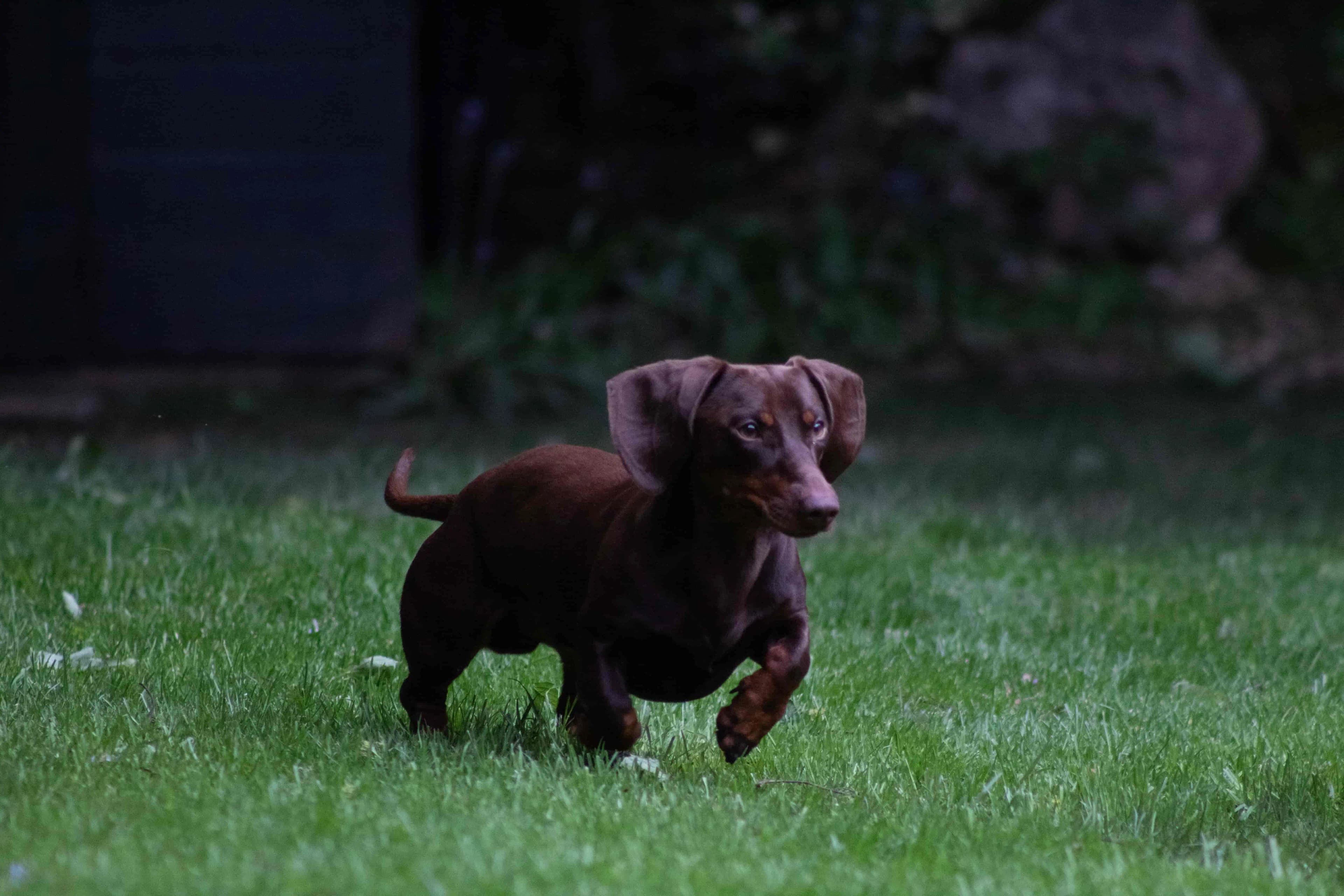
DachshundClose relative
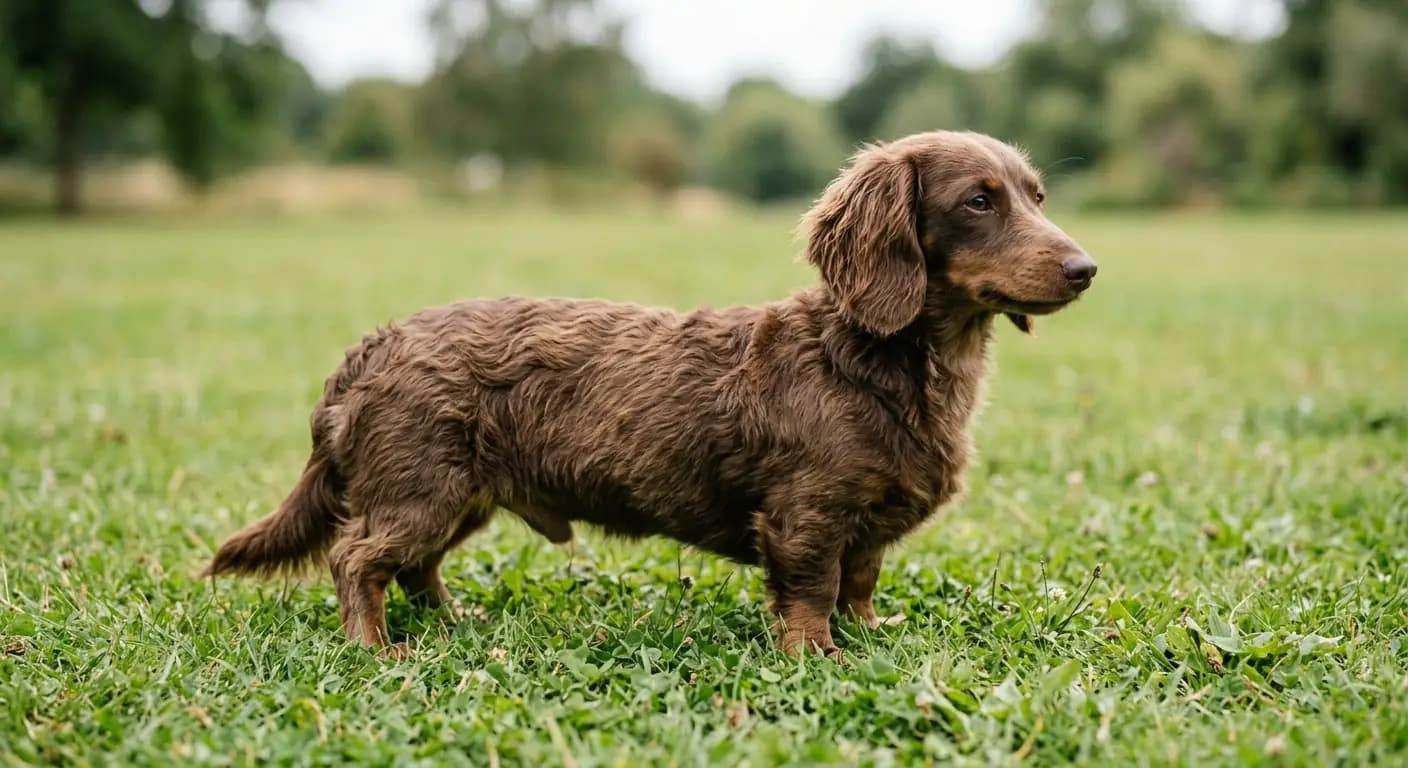
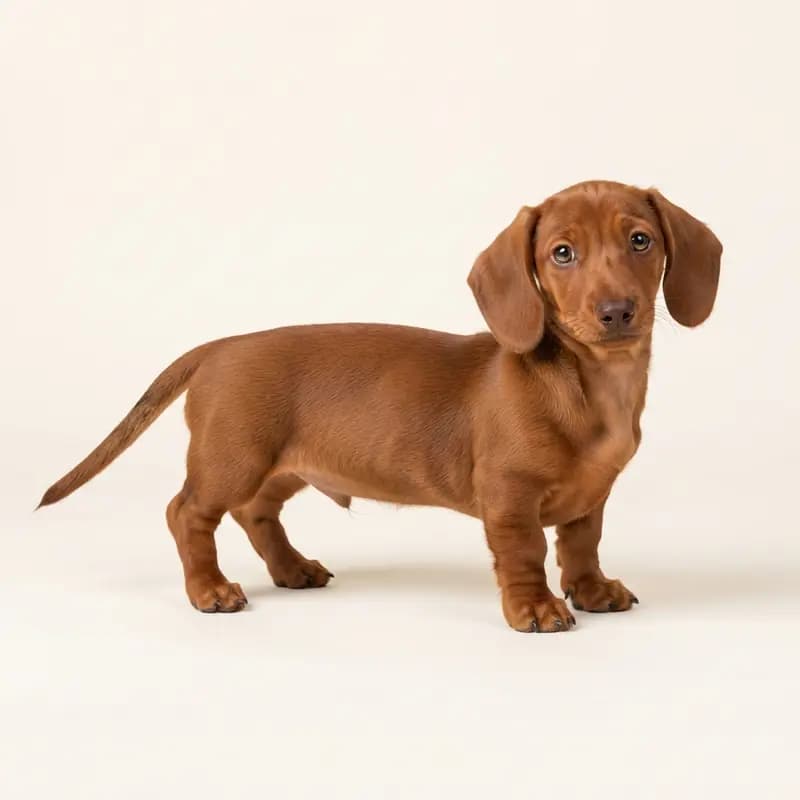
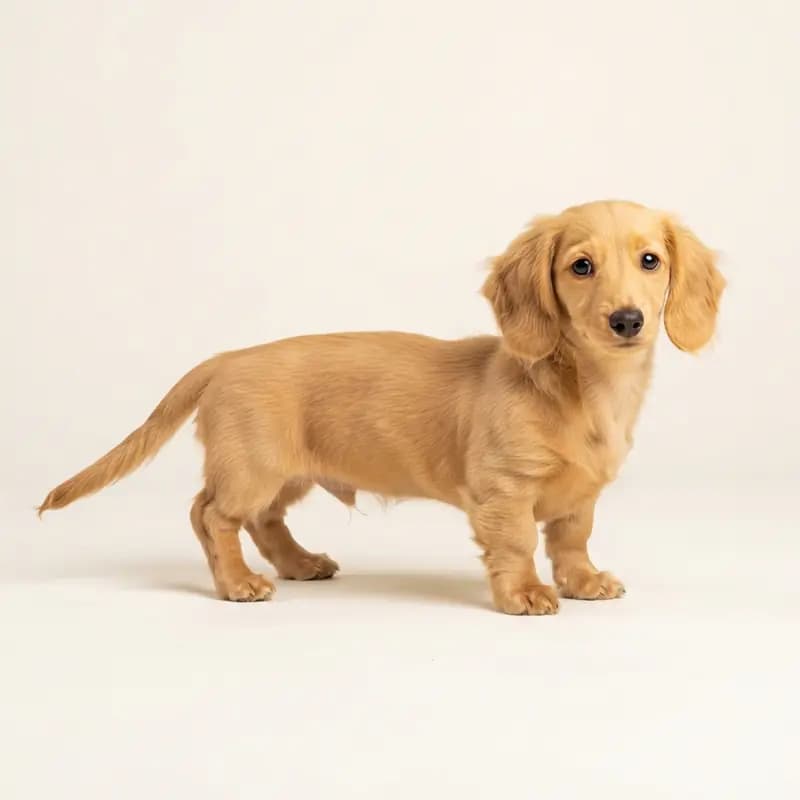
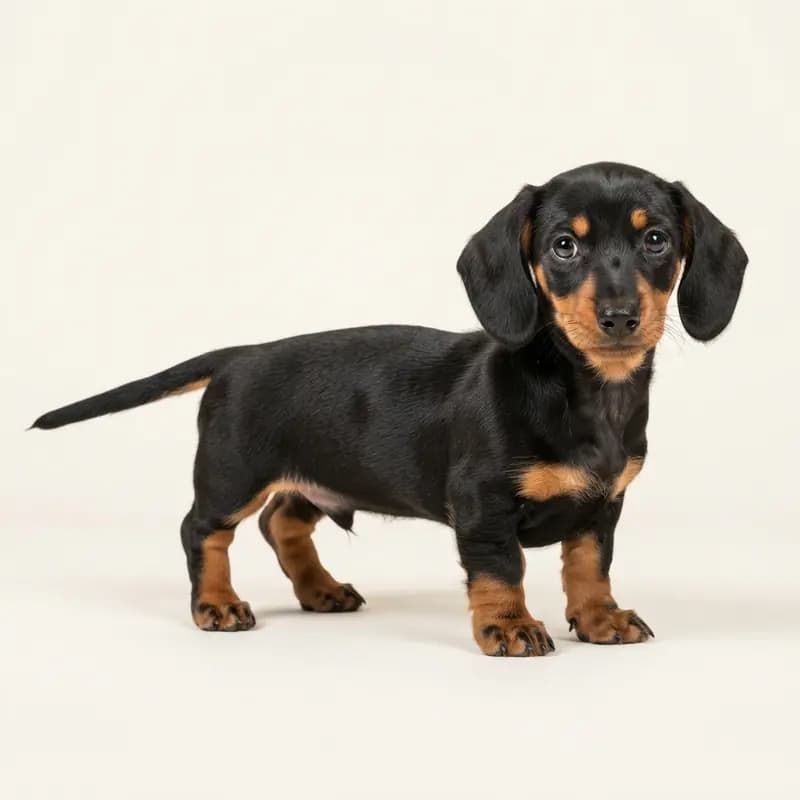
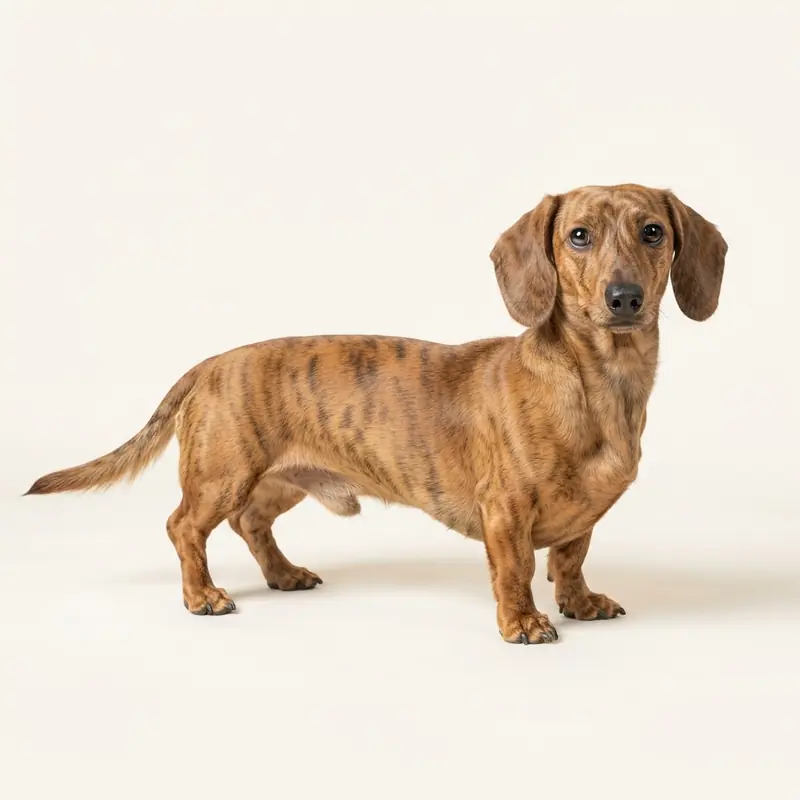
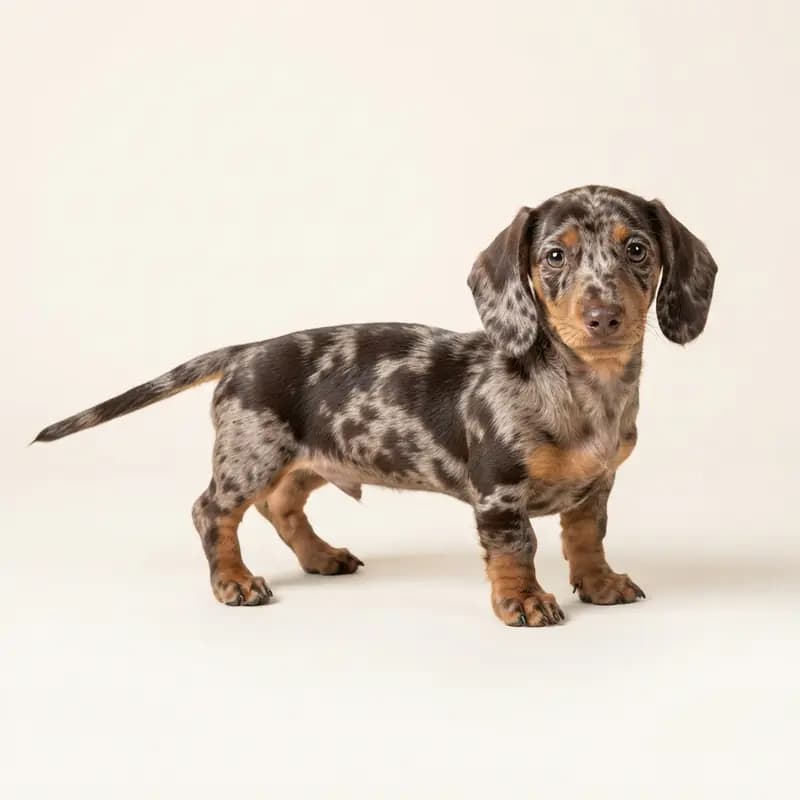
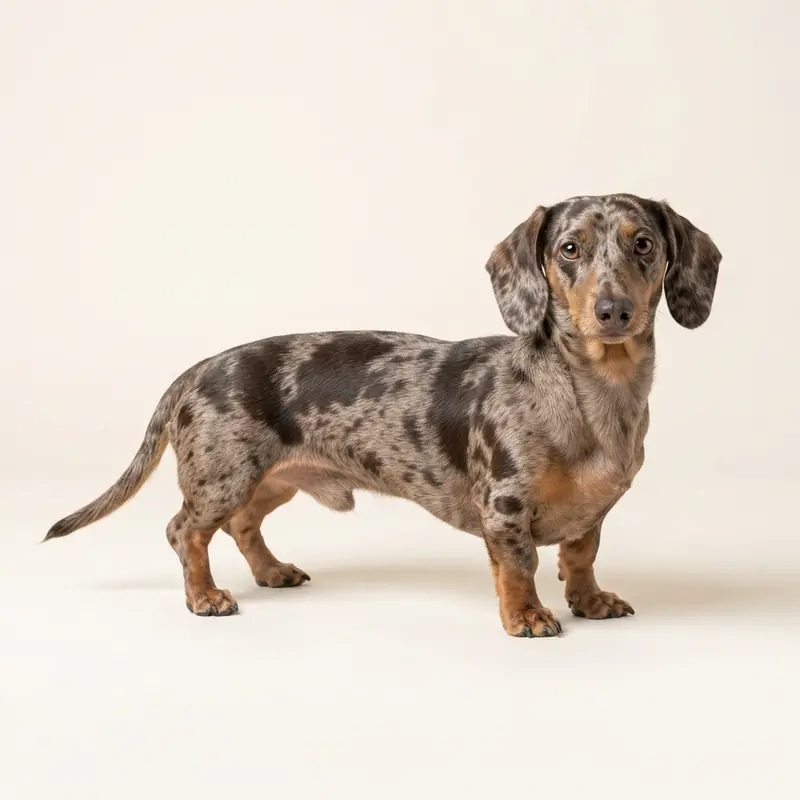
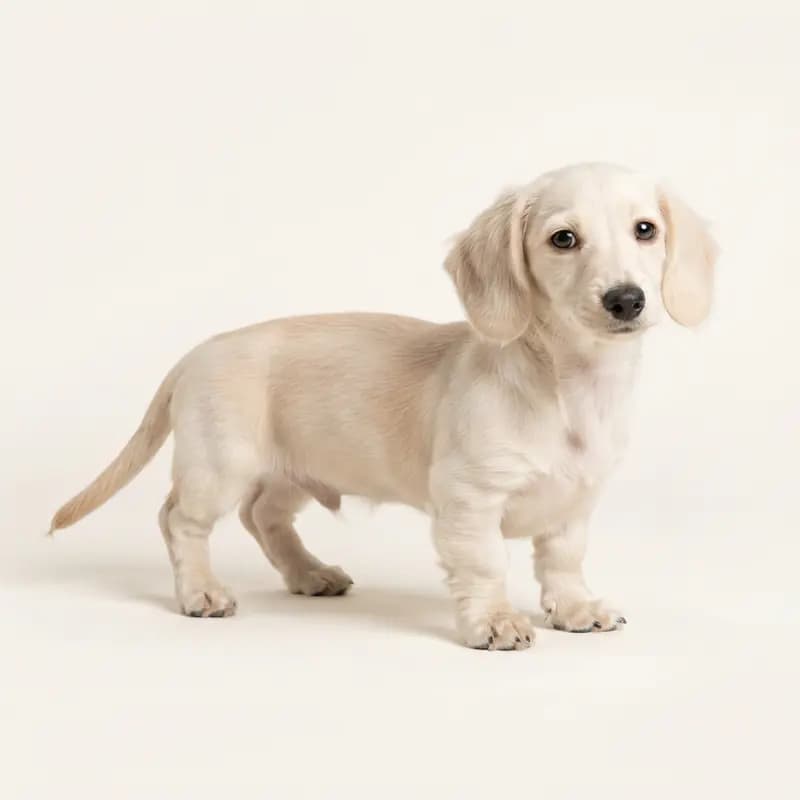
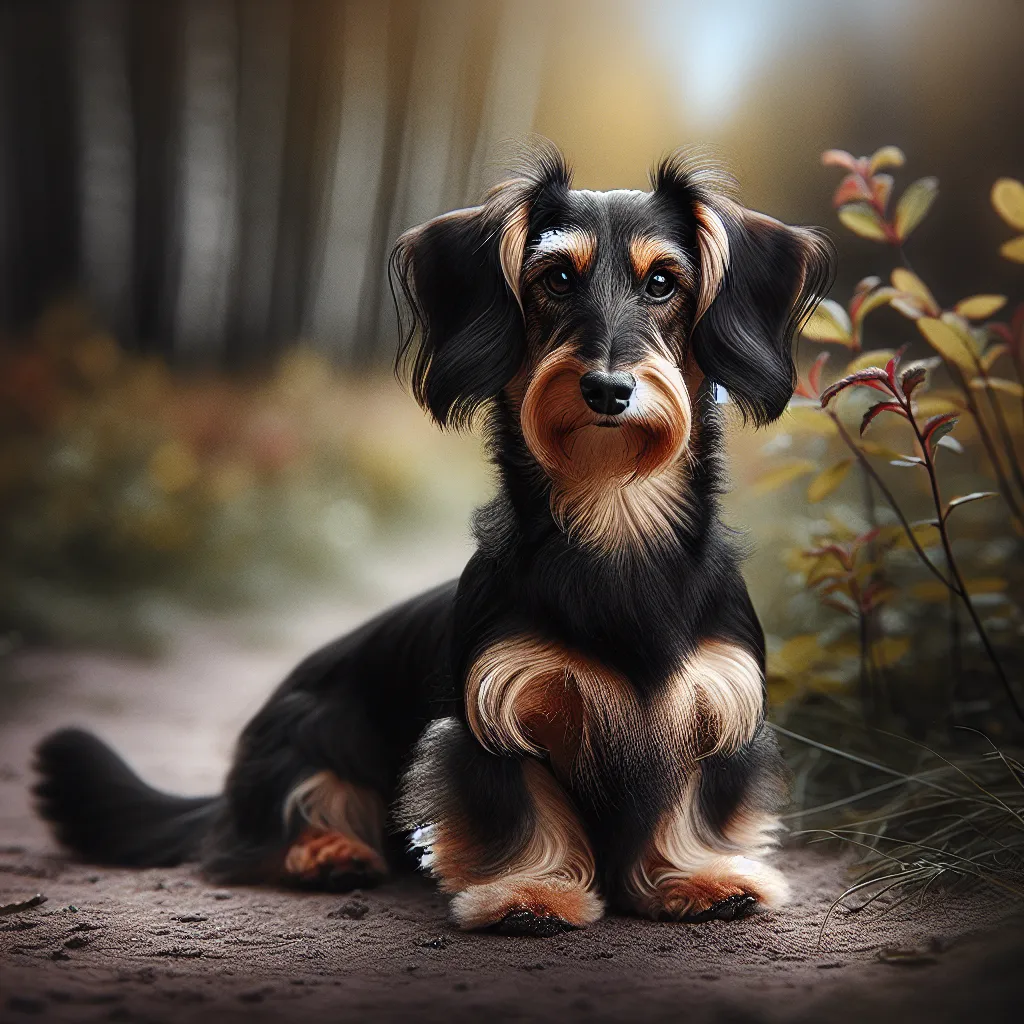 AI-generated image
The miniature dachshund is a courageous, extremely self-confident Baujäger (earth dog) — bred to hold its own against predators in narrow tunnels completely independently. It is precisely this fearless independence that makes him a big dog in a small package.
How the health grade is calculated
Sources for required breeding screenings. Deutscher Teckelklub 1888 e.V. (DTK)
Self-check
Answer 6 quick questions about your everyday life and see how well the Miniature Dachshund fits you — including an honest cost estimate per month, per year, and across the dog's lifetime.
At a glance
The essentials — key facts, traits, and health priorities — before you dive deeper.
Lifespan
12–16 yrs
Shoulder height
18–21 cm
Weight
3–6 kg
Practical
Temperament
Daily life
What matters most
Especially with a Miniature Dachshund, choosing the right breeder is the single most important decision you'll make. Serious breeders consistently test the parents for inherited conditions, prioritize healthy early socialization, and stay accountable long after handover. A cheap puppy without health screening tends to become the most expensive dog later on.
See HonestDog breeder standards →Colors & coat
The coat colors that occur in the Miniature Dachshund — including which ones fall outside the breed standard and which carry genetic risk.
Eye colors
 Brown
 Blue
 Partial (split eye)
 Odd-eyed
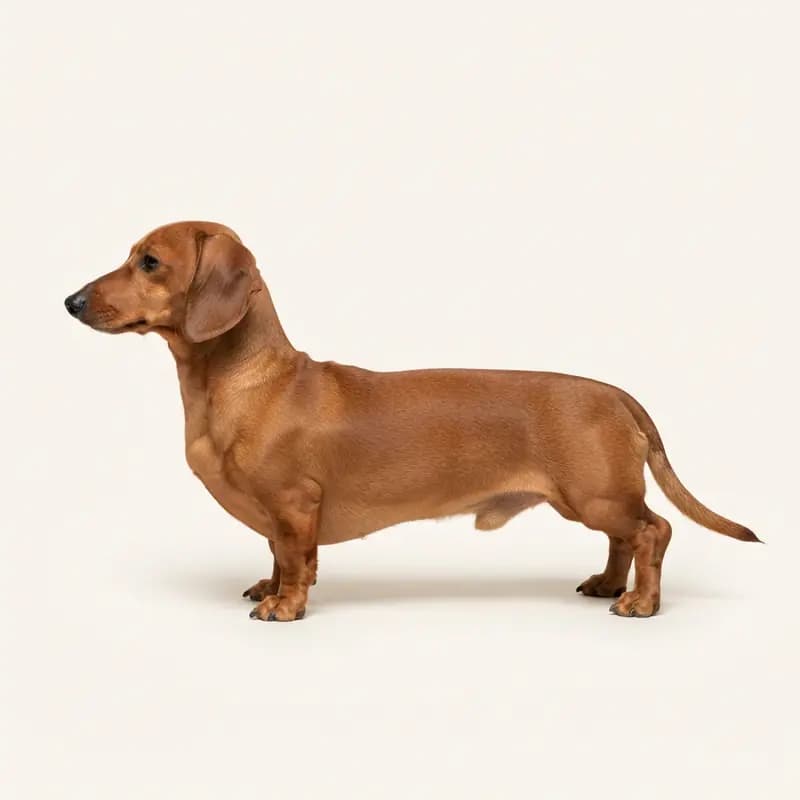
Coat type
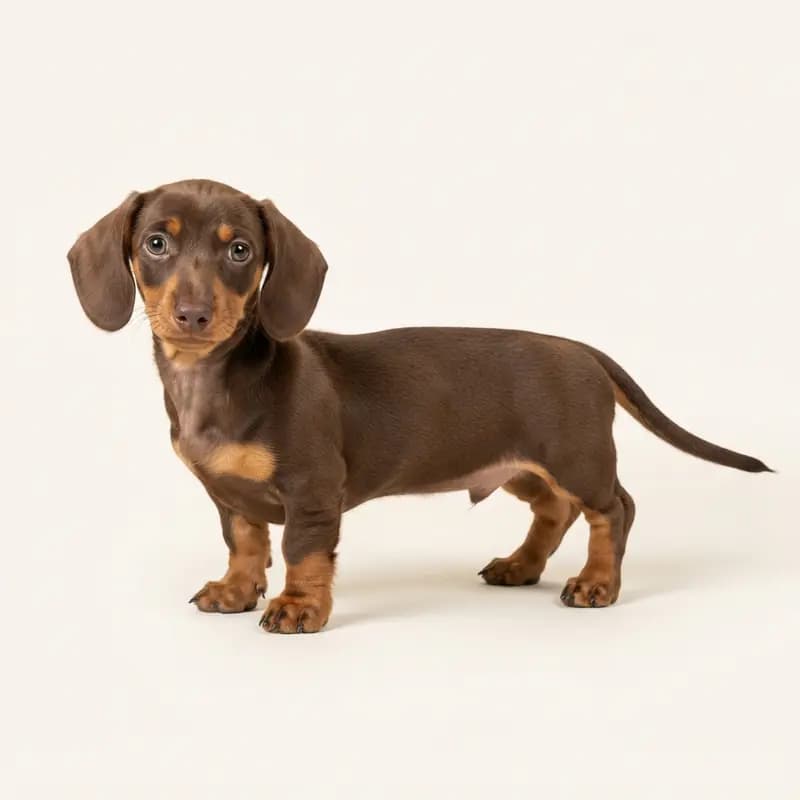
 Illustrative image
Short
 Smooth
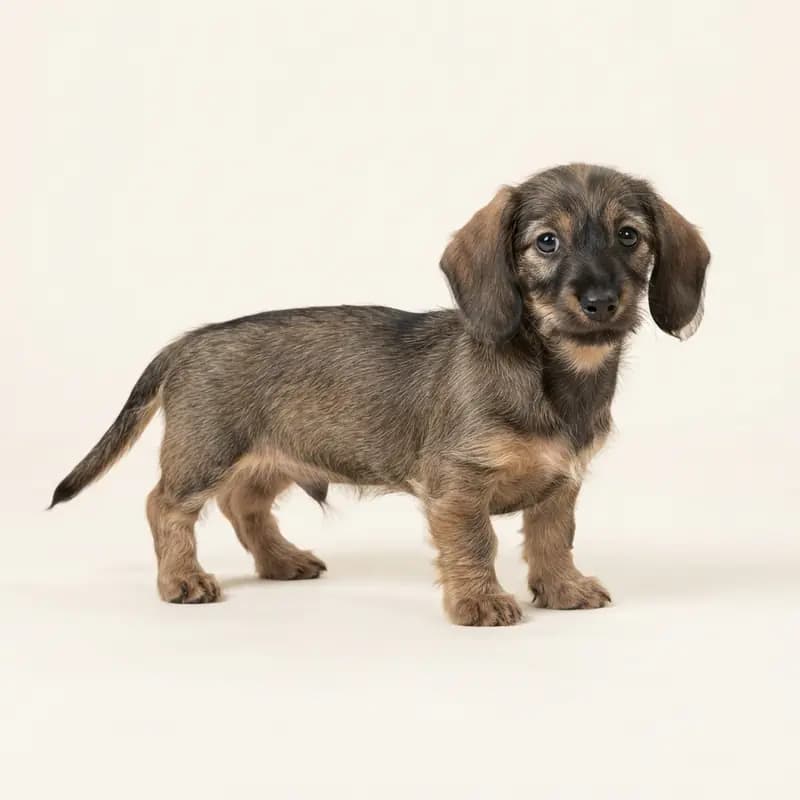
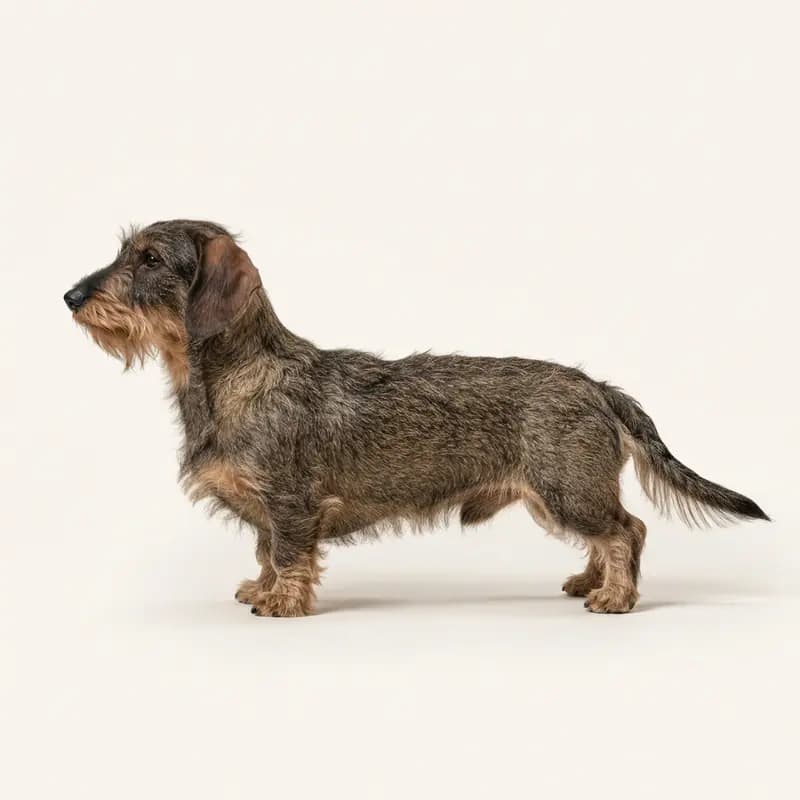 Illustrative image
Wire
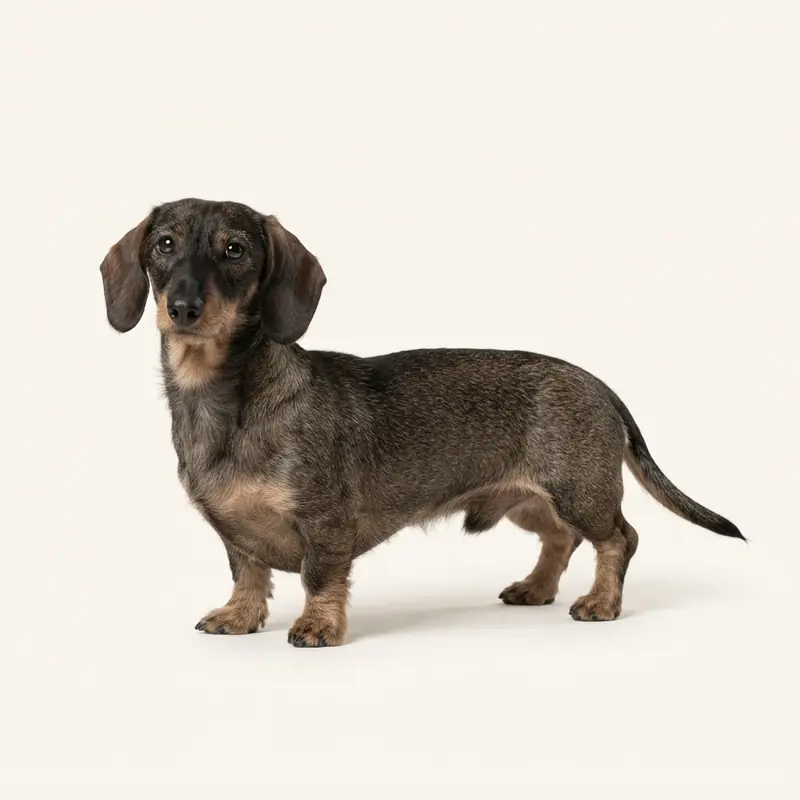
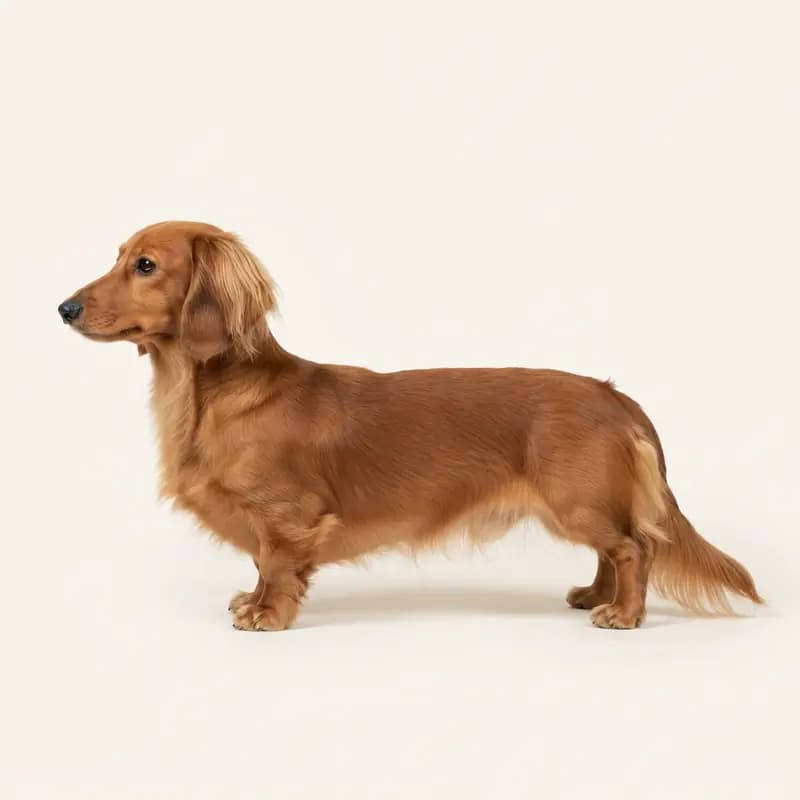 Illustrative image
Medium
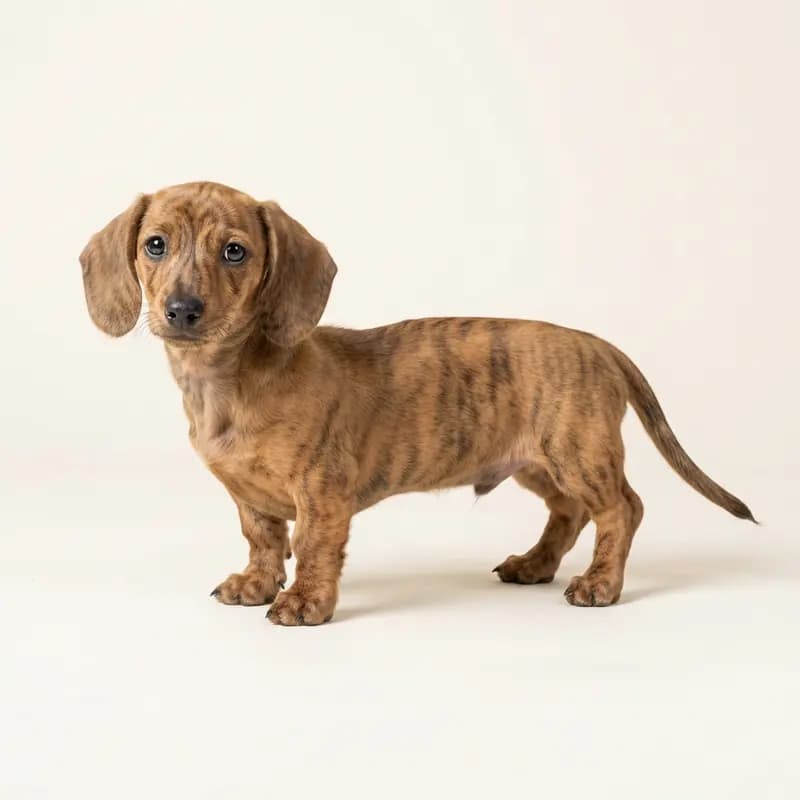
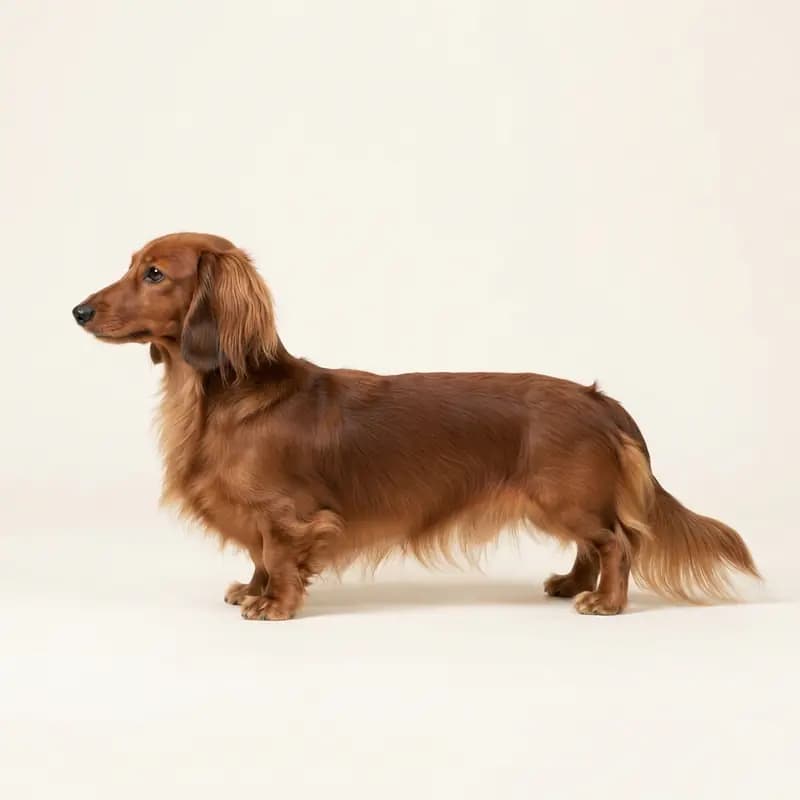 Illustrative image
Long
 Silky
The real vibes check
A miniature dachshund doesn't negotiate, he decides. What is vital for survival in a fox den is exactly what he applies in your living room — just without the fox. If you accept that, you won't get a cute lap dog, but a fearless, incredibly charming hunter on short legs.
The miniature dachshund is a small but strong-willed dog breed that belongs to the dachshund group. Originally bred in Germany for hunting badgers and other small animals, the miniature dachshund is distinguished by its long body, short legs, and lively appearance. Its head is elongated with expressive, dark eyes and long, hanging ears that give it a distinctive look. Despite its compact size, the miniature dachshund shows a lot of courage and endurance, making it a vigilant and loyal companion. Within the breed, there are different coat types – short-haired, long-haired, and wire-haired – each with different grooming requirements. The miniature dachshund is a lively, intelligent dog that is valued both as a family dog and as a hunting companion.
The miniature dachshund is a lively and brave little dog with a distinct character. Despite its compact size, it shows a great deal of self-confidence and curiosity, making it a charming and sometimes stubborn companion. It is very affectionate and forms a close bond with its family, especially seeking closeness to its people. Miniature dachshunds are intelligent and eager to learn but require consistent and patient training, as they can sometimes be stubborn. Due to their hunting instinct, which comes from their original use as a badger dog, they show a strong prey drive and are often very alert. They are therefore well suited as small watchdogs that attentively alert you to strangers. Despite their temperament, miniature dachshunds are also playful and enjoy shared activities but need sufficient mental and physical exercise to remain balanced. They are not dogs that like to be left alone for long, as they greatly appreciate the company of their people. Overall, the miniature dachshund is a lively, loyal, and brave companion who brings much joy with the right guidance.
| Watchfulness Reports unusual activity but stays controlled. | Moderate |
| Openness to Strangers Neither pushily friendly nor suspicious. | Neutral |
| Hunting or Herding Drive Powerful instinct that can override recall when triggered. | Strong |
Fun Fact!
Miniature dachshunds are known for their long bodies and short legs, which help them slip effortlessly into tight burrows and dens – perfect for their original task as badger hunters. Despite their size, they have a great deal of courage and endurance!
Miniature dachshunds are lively and curious dogs with a strong hunting instinct. They are intelligent and willful but require consistent training and sufficient activity. Despite their small size, they are brave and alert, which makes them good companions. Miniature dachshunds are well suited as family dogs if their needs for exercise and mental stimulation are taken into account.
Miniature dachshunds are lively and curious dogs that, despite their small size, require a lot of energy and attention. They are very affectionate and form a close bond with their owners, which makes them well-suited as family dogs. Due to their strong hunting instinct, they should be well socialized and trained early on to enable harmonious coexistence with other dogs and pets. Miniature dachshunds are brave and sometimes a bit stubborn, which requires consistent but loving leadership. They are suitable for families with children but should be supervised when interacting with small children, as they can be sensitive. Regular exercise and mental stimulation are important to keep the miniature dachshund balanced and content, even though they can adapt well to apartment living.
Loves family life and thrives in a group.
Gets on well with children — with adult supervision.
Usually gets on fine with other dogs.
Adapts well to city living and urban environments.
Owning a dog is a privilege, but it's also a real responsibility. Before you bring one into your life, be honest with yourself about the commitment it takes.
Miniature dachshunds are surprisingly eager to learn and stubborn despite their small size. They have a strong hunting instinct, which becomes apparent during training and must be taken into account. Due to their stubbornness, patience and consistency are especially important to work successfully with them. Miniature dachshunds benefit from short, varied training sessions that are designed to be playful. Positive reinforcement and praise motivate them best, while harsh or too strict methods can quickly lead to resistance. Their independence requires the owner to have a good sense of the right approach and clear leadership. Although they are not as work-oriented as Labradors or German Shepherds, miniature dachshunds are well suited for scent work, retrieving games, and small dog sports that promote their natural sense of smell. It is important that they are mentally challenged to avoid boredom and resulting behavioral problems. Overall, training a miniature dachshund requires time, empathy, and creativity. Those who bring these qualities will be rewarded with a lively, clever, and loyal companion.
Miniature dachshunds are lively and curious dogs that need a balanced diet to stay healthy and fit. High-quality food with a good proportion of proteins and nutrients is important to support their energy and avoid overweight, as they can be prone to weight gain. The coat of the miniature dachshund is short to medium length and requires regular care. Weekly brushing is usually sufficient to keep the coat clean and shiny as well as to remove loose hair. During the shedding season in spring and autumn, increased shedding can occur, making more intensive brushing advisable. Miniature dachshunds adapt well to the Central European climate. Their coat protects them from the cold, but they should still be well protected in cold temperatures, as their short legs expose them more to ground-level cold. In summer, it is important to ensure enough shade and water to prevent overheating.
| Care Level Minimal effort — occasional brushing and bathing. | Low-maintenance |
| Exercise Needs Needs 1–2 hours of real exercise daily. | Active |
| Shedding Regular shedding — dog hair on clothes is now normal. | Moderate |
| Trainability Has its own ideas and will test limits. | Strong-willed |
Our experts are still reviewing this information. Spotted something wrong? Email us at info@honestdog.de.
Elevated risks
Health grade
In the Miniature Dachshund, the risk of intervertebral disc disease (IVDD) is very high: over 95% of Dachshunds carry the genetic predisposition for chondrodystrophy (CDDY), and approximately one in six to seven Dachshunds suffers a herniated disc (IVDD) in the course of their life; in certain varieties, the proportion is significantly higher. The Deutscher Teckelklub 1888 e.V. (DTK) therefore makes screening results for chondrodystrophy (CDDY) and intervertebral disc disease (IVDD) mandatory and does not permit merle × merle matings. Make sure that the breeder also tests for cone-rod dystrophy (progressive retinal atrophy), only mates carriers with clear partners, and provides you with test results for osteogenesis imperfecta (OI), neuronal ceroid lipofuscinosis (NCL), and glaucoma.
Grade is relative to other breeds — AI-assisted and editorially reviewed.
Methodology and data: HonestDog Dog Breed Health Report 2026
What matters most for this breed
Tap any item to see details.
You should pay attention to strict weight management, avoid letting him jump off furniture, and plan a budget from the start for the treatment of breed-typical back problems.
Responsible breeders obtain test results for chondrodystrophy (CDDY) and intervertebral disc disease (IVDD), avoid merle-to-merle matings, and additionally test for cone-rod dystrophy.
Note: This health overview is AI-assisted and editorially reviewed. It is for orientation only and does not replace veterinary advice.
What matters most for this breed — what's common, how much it affects the dog's life, and how to protect yourself as a buyer.
Tap a body region to see the inherited conditions linked to it.
The three most important risks
Pick a region on the map to explore other areas.
Tier 1 is the core standard: the tests Deutscher Teckelklub 1888 e.V. (DTK) requires, plus further tests from the recommended health standard for this breed. Tiers 2 and 3 show how responsible breeders go beyond.
Core standard. Tests marked “Club standard” are required by Deutscher Teckelklub 1888 e.V. (DTK) for breeding approval; the others are part of the recommended health standard for this breed. Ask any reputable breeder for the results.
Note: This health overview is AI-assisted and editorially reviewed. It is for orientation only and does not replace veterinary advice.
A Miniature Dachshund costs around ~€150 per month (€80 – €280, depending on your setup). The first year adds up to roughly ~€4,520 including purchase, equipment and puppy school; across the dog's life (14 years) it comes to about ~€28,410.
With surgery cover, running costs come to about ~€140 per month — in return, your share of a major operation drops from several thousand euros to around 20 percent.
Per month
~€150
In the first year
~€4,520
Across the dog's life
~€28,410
Estimated purchase price from a breeder: €1,200 – €2,500
Estimate at a mid-range setup (suburban, dry food, 1–2 hours of daily exercise), average German prices, as of July 2026.
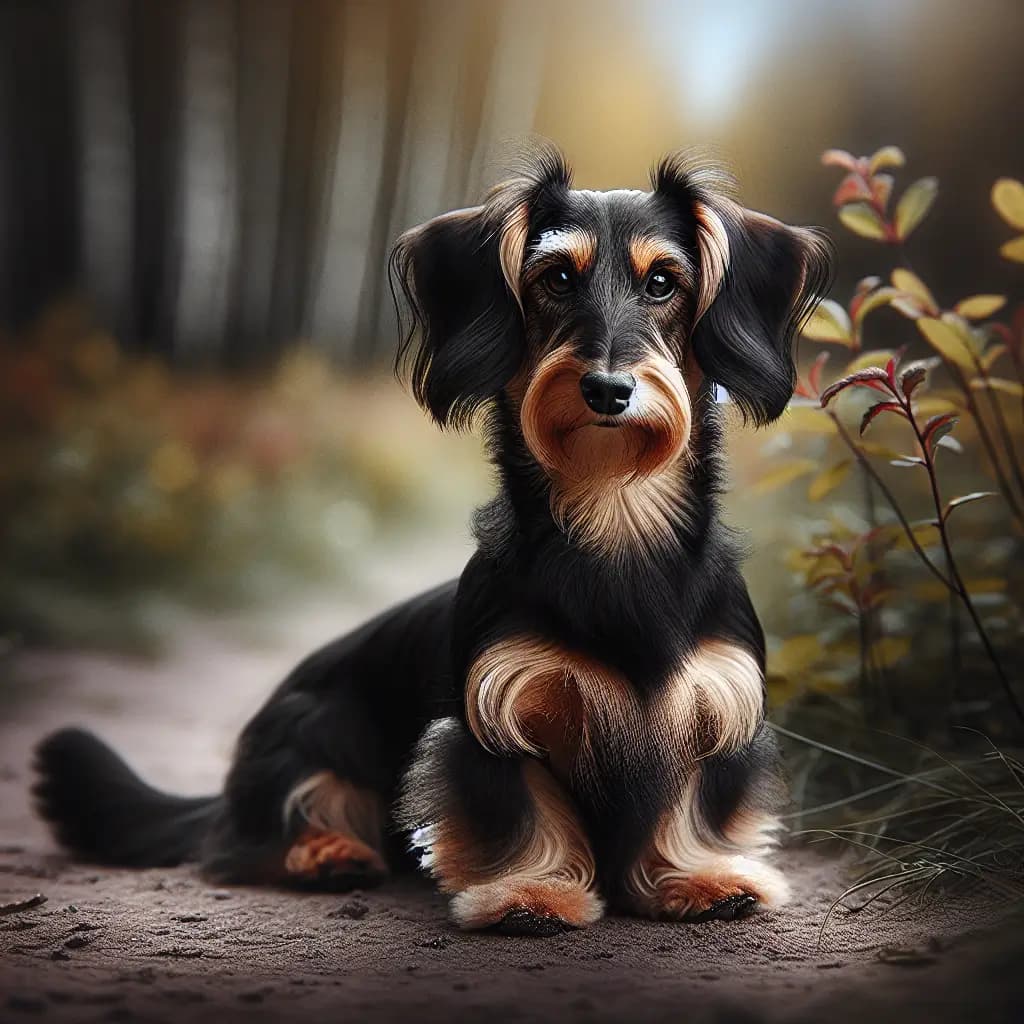 Illustrative image
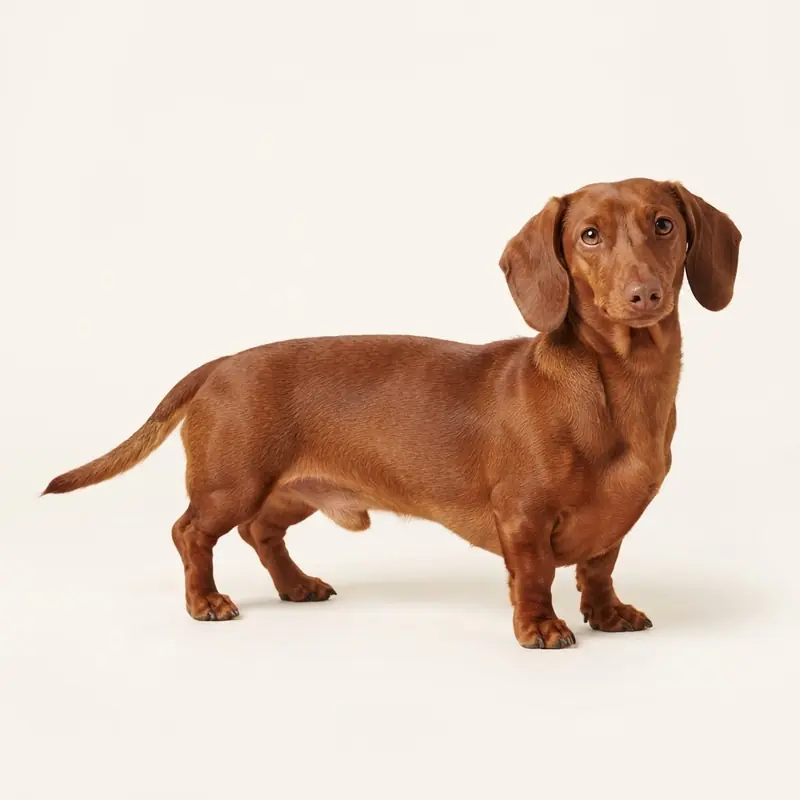 Illustrative image
 Illustrative image
 Illustrative image
 Illustrative image
The history of the miniature dachshund begins in the 19th century in Germany. Originally, it was bred as a smaller version of the standard dachshund to be used in hunting badgers and other small animals in narrow burrows. Through selective breeding, a compact, brave, and agile dog was developed that, despite its small size, retained the typical characteristics of the dachshund – endurance, courage, and a strong hunting instinct. The miniature dachshund quickly became popular as a companion dog and is today a valued breed kept both as a family dog and as a hunting companion.
The miniature dachshund was bred to hunt badgers and other small animals in narrow dens.
Germany
1600
Many owners describe life with a Miniature Dachshund as a mix of close companionship and constant alertness. Owner reports keep highlighting how deeply attached these little dogs are to their people and how they want to be part of everything. At home they are seen as cuddly, loyal companions with a lot of entertainment value. At the same time, being left alone is often named as a big hurdle: many Miniature Dachshunds are prone to separation stress and whine or protest loudly if they aren't gently taught to stay alone from puppyhood.
Their strong alertness is another recurring everyday topic. Owners regularly describe noises in the stairwell or people passing the garden fence being announced loudly and immediately. In a rental apartment, this barking needs consistent work. Owners in forums also report, more often than average, that house-training takes longer in puppies and young dogs and often calls for more patience and time than with many other breeds.
Sources:reddit.comchefkoch.de
In discussions about training, the Miniature Dachshund is described almost unanimously as intelligent but strong-willed. Many owners find that conventional methods are put to the test as soon as the dog sees no immediate point in a cue. The famous "Dachshund stubbornness" means cues are followed perfectly indoors but quickly fall on deaf ears outside when there are interesting smells or distractions.
Outdoors, most of these dogs show the legacy of a passionate hunting dog. Owners often report that Miniature Dachshunds pull hard on game trails or near small animals, and that a reliable recall takes intensive training. Experienced owners find calm, unwavering consistency combined with positive motivation and targeted scent work especially effective, while pressure or harshness usually just leads to stubborn refusal in these sensitive yet feisty dogs.
Sources:reddit.comchefkoch.de
When it comes to health, breed forums and emergency stories put the risk of back problems front and center, especially herniated discs, the "Dachshund paralysis" known as IVDD. Many owners describe constant worry about the long spine and a daily routine built around prevention: stairs at home are usually avoided or the dog is carried, and many owners use special ramps for sofas and beds to keep jumps from jarring the spine.
At the same time, many experienced owners stress that protecting the back must not turn into a lack of exercise. Strong back muscles built through regular, varied walks, along with strict weight management, are considered essential, since extra weight puts even more strain on the back. If a dog is spared serious disc damage, owner reports describe the Miniature Dachshund as a very tough, long-lived breed that often lives well into its teens.
Sources:reddit.comdackelwissen.de
Paraphrased from real owner reports · translated from German
The Miniature Dachshund is an adaptable dog that adjusts well to various lifestyles. Research the temperament, grooming needs, and space requirements before deciding.
The average life expectancy of a Miniature Dachshund is 12-16 years. With proper care and regular vet visits, your dog can live a long, healthy life.
Miniature Dachshund grooming requirements include regular brushing, nail trimming, and dental care. HonestDog provides detailed grooming tips for every breed.
The Miniature Dachshund can be a great family dog. Proper training and socialization are key. HonestDog provides family suitability information for every breed.
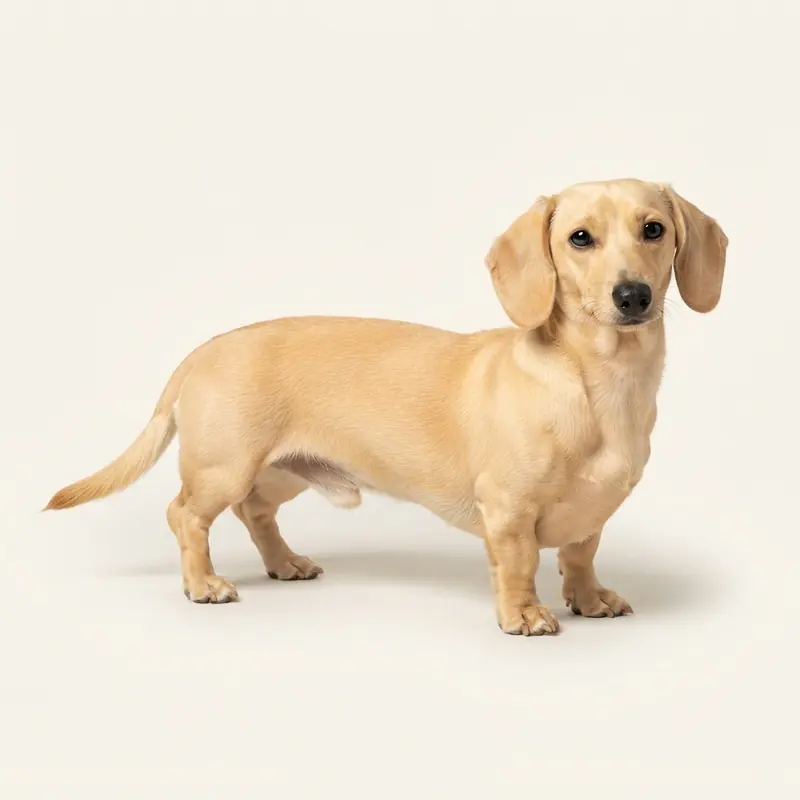
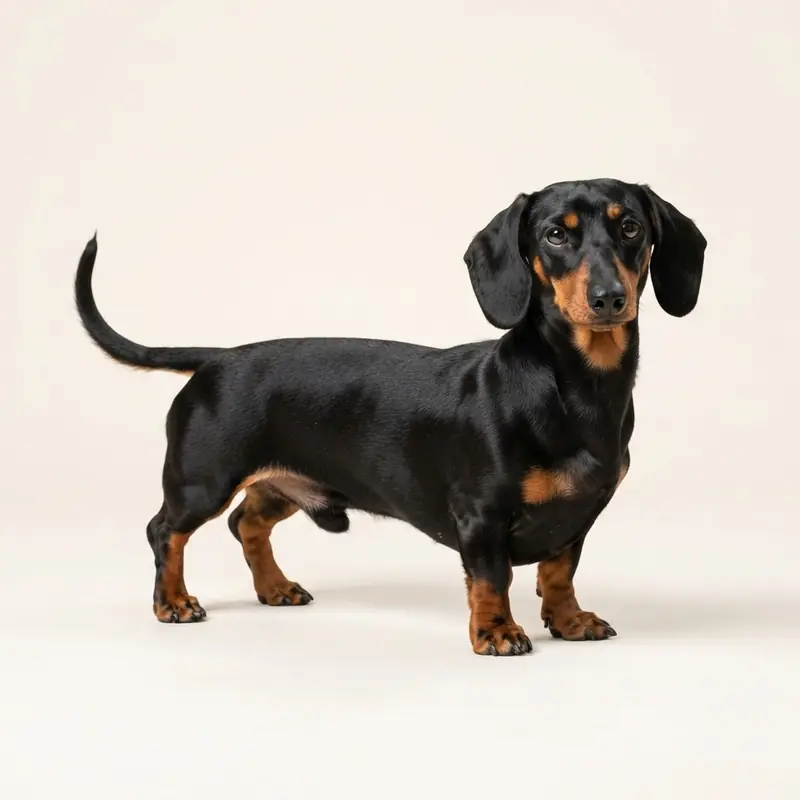
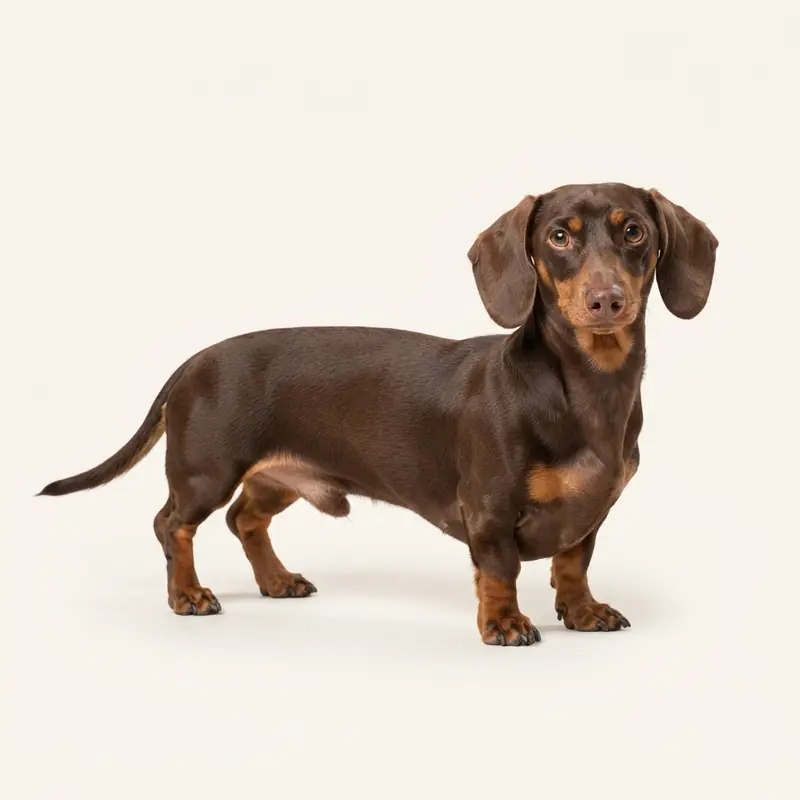
The Miniature Dachshund comes in these colors: Red, Yellow, Black and tan, Brown and tan, Wild boar, Brindle, Merle, Cream, Piebald, Isabella, Blue and tan, White. Colors that fall outside the breed standard are marked as such on the breed page.
Showcase your kennel on HonestDog and reach families searching for a responsibly bred Miniature Dachshund.