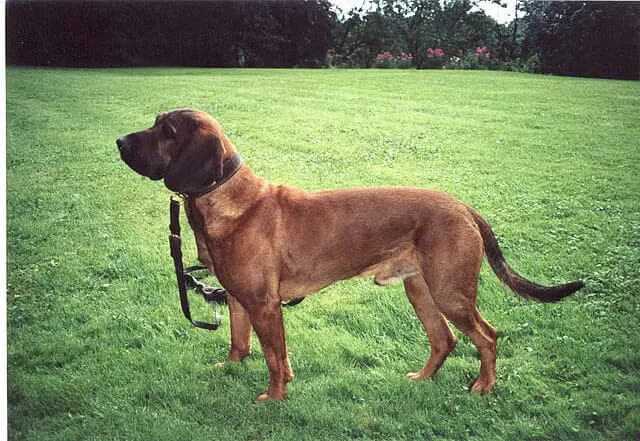
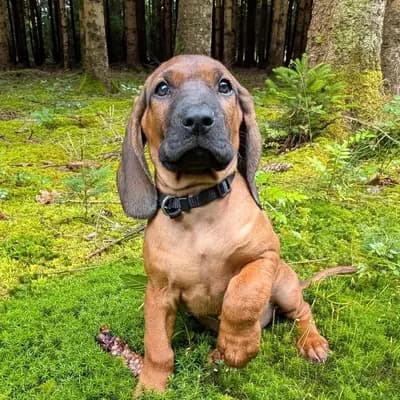
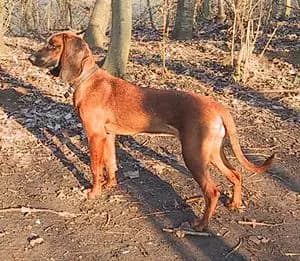
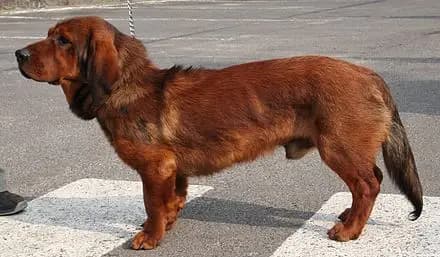
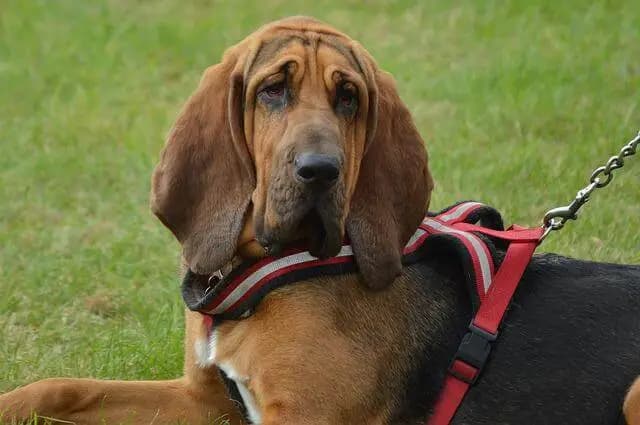
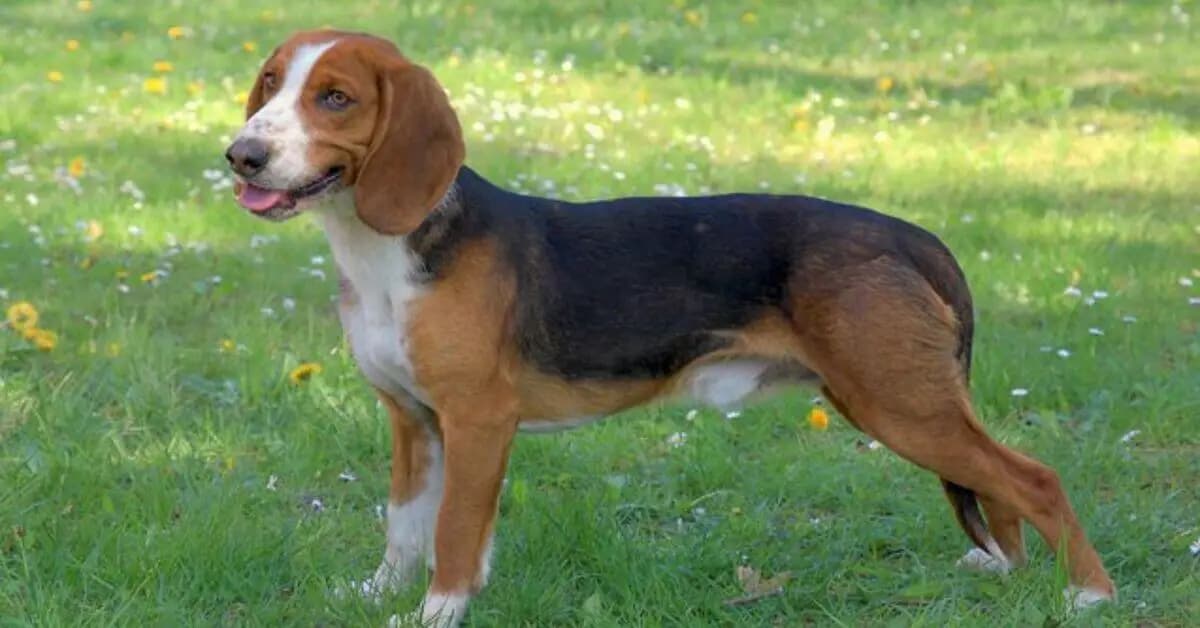
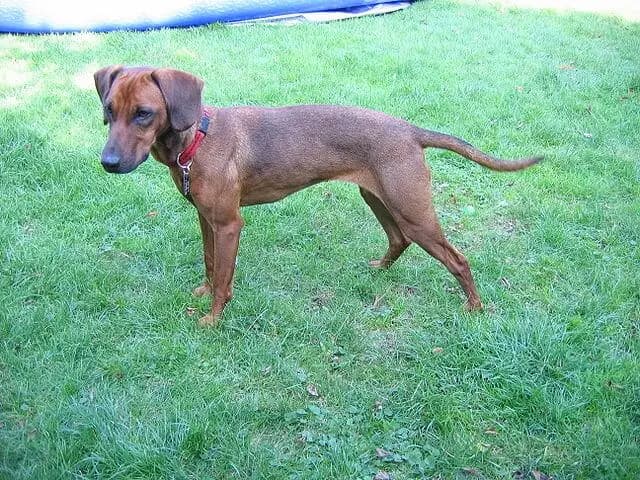
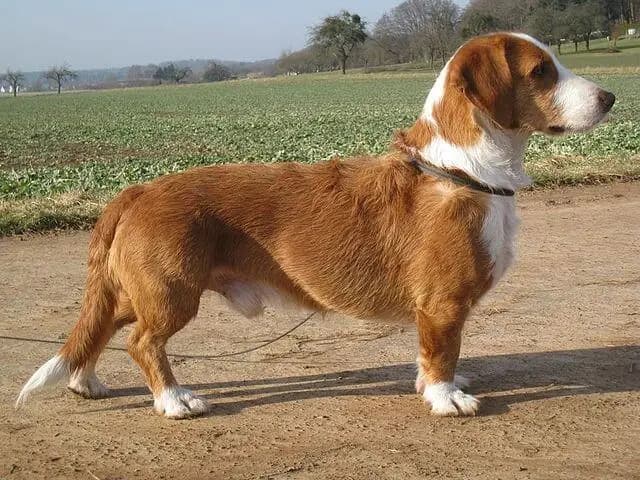
Although it is rated as family- and child-friendly (4/5 for each), this dog is not a classic companion for everyone. It forms an extremely deep bond with its primary person and demands close family contact – keeping it purely in a kennel does not suit its people-oriented nature. At the same time, it has the independence typical of blood-tracking hounds. With average trainability (3/5), you will notice that it makes its own decisions on the track. This mental independence calls for confident, patient leadership without harshness.
Purely urban living or life in an upstairs flat (suitability for city life 3/5) hardly meets its needs, not least because of its powerful build, for which climbing stairs every day is harmful. If you do not work it as a hunting dog, you absolutely must plan for equivalent professional-level scent work – such as intensive mantrailing or track work. A few laps around the block will never be enough to tire out this specialist. By contrast, it is very easy when it comes to grooming: the short, dense, smooth coat barely sheds (1/5) and needs only minimal care (2/5). With unfamiliar dogs it is usually neutral to sociable (3/5), but it needs proper socialisation as a puppy.
Your checklist for the first conversation with the breeder
- Inspect the X-ray results: Ask to see the original official evaluations for both parent dogs for hip dysplasia (HD), elbow dysplasia (ED) and transitional vertebrae.
- Check the clinical examinations: Ask specifically for the current results of the parent dogs’ eye and heart examinations, so that you can better assess the risk of organ-related limitations.
- Ask about eyelids in the line: When you visit, look for clear, well-fitting eyelids in the dam, and ask openly whether any cases of ectropion or entropion are known in the breeding line.
- Observe the parent dogs’ temperament: The bitch should appear calm, sound-tempered and self-assured with you – restlessness or nervousness goes against the breed standard of a blood-tracking hound.
- Expect an honest assessment of your needs: A responsible breeder will question you thoroughly about your options for scent work or hunting-based exercise, and about your living situation (ground-level access), before entrusting a puppy to you.
On HonestDog, a breeder’s profile only goes online once the breeder has completed registration: identity verification by ID and selfie, proof of club membership or a §11 permit where applicable, a knowledge test on breeding and animal welfare, and agreement to the HonestDog breeding standards, which, among other things, rule out breeding with traits associated with extreme breeding. Health test results for the parent dogs that breeders upload are shown directly in the profile; ask to see the original results when you visit. Your next step: compare the profiles of Hanoverian Scenthound breeders on HonestDog, look at the health documents they have uploaded and ask directly about the next litter.