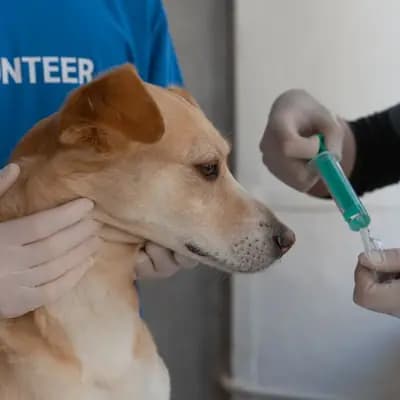
Deciding if is pet insurance worth it largely comes down to protecting yourself against life-altering veterinary bills. While dog liability insurance is indispensable for every owner and legally required in many jurisdictions, choosing between affordable surgery-only cover and comprehensive pet health insurance depends heavily on your financial safety net, your dog's breed, and their age.
| Insurance Type | Key Facts & Recommendation |
|---|---|
| Dog Owner Liability Insurance | Protects against third-party claims (personal injury, property damage, and financial loss). Legally mandatory in many German federal states and an absolute necessity for every dog owner. |
| Surgery Cost Insurance | Covers surgical procedures under anaesthesia, including pre- and post-operative care. Excellent value for money to protect against massive, unexpected one-off hospital bills. |
| Comprehensive Pet Health Insurance | Also covers outpatient care, medications, and ongoing diagnostics. Typically around 3 times more expensive than surgery-only cover and often subject to annual payout caps. |
| Dedicated Savings Account (Self-Insurance) | Monthly deposits into an instant-access savings account. Ideal for disciplined savers with a financial cushion to comfortably absorb outpatient visits or deductibles on their own. |
Surgery-Only or Comprehensive Pet Insurance: What Is the Difference?
When dog owners search for pet insurance, aside from mandatory liability cover, they are almost always looking to shield themselves from steep veterinary bills. Ever since the major overhaul of the German veterinary fee schedule (GOT) in late 2022, clinical treatment costs have climbed noticeably. A complex fracture, a torn cruciate ligament, or life-saving emergency surgery for gastric dilatation-volvulus (GDV) can easily run into several thousand euros.
Broadly speaking, you have two core models to choose from: standalone surgery cover and comprehensive health insurance. Both approaches pursue very different risk-management strategies.
| Criterion | Surgery Insurance (Surgical Cover) | Comprehensive Pet Insurance (Full Cover) |
|---|---|---|
| Covered Benefits | Surgical procedures under general anaesthesia (or sedation), direct pre-surgical diagnostics, inpatient clinic stays, and post-operative care (usually capped at 10 to 30 days). | All benefits of surgery cover plus outpatient treatments, medications, ongoing diagnostics (blood work, MRI, CT), and often modest annual wellness allowances. |
| Cover for Chronic Conditions | Does not apply unless surgery is required (e.g. no reimbursement for lifelong heart or thyroid medications). | Covers long-term medical drug therapies and regular follow-up check-ups within annual policy limits. |
| Cost Structure | Comparatively affordable; specifically targets the risk of extraordinarily high one-off surgical expenses. | Significantly higher monthly premiums because the predictable risk of routine, everyday vet visits is priced in. |
| Risk of Premium Increases | Moderate; depends on general claim trends and the dog's age. | High; policy tiers frequently factor in substantial premium hikes as the dog gets older. |
| Who Is It Best For? | Owners who can easily cover standard vet visits out of cash flow but want bulletproof protection against four-figure clinic bills. | Owners who need predictable monthly budgeting and are willing to pay permanently high premiums for an all-round safety net. |
When Is Surgery-Only Cover Enough?
Pet health insurance isn't a savings vehicle designed to pay back more than you put in. Its true purpose is catastrophic protection—stopping you from ever facing the gut-wrenching dilemma of whether you can afford life-saving emergency care for your dog.
In veterinary medicine, those sudden cost explosions happen primarily in the operating theatre. If your dog lands awkwardly during play and ruptures a cruciate ligament, swallows a foreign body that obstructs the bowel, or arrives at the clinic in the middle of the night with gastric torsion, a solid surgery policy foots the bill. If your everyday budget can easily take an ear infection, a bout of gastroenteritis, or annual vaccinations in stride, combining surgery cover with your own emergency fund offers the most sensible cost-to-benefit ratio.
When Is Comprehensive Cover the Better Choice?
Small animal medicine also involves scenarios where costs escalate without a scalpel ever touching your dog. These primarily include complex internal medicine or neurological workups—such as a dog suddenly suffering epileptic seizures requiring a brain MRI and cerebrospinal fluid tap without any subsequent surgery. Chronic conditions like severe allergies (atopic dermatitis), chronic kidney disease, or Addison's disease also demand costly specialised medications and tight laboratory monitoring for years on end.
Comprehensive pet insurance cushions these relentless outpatient expenses. However, insurers charge a premium for that promise. Over a 10- to 15-year canine lifespan, full-coverage policyholders routinely pay mid-to-high four-figure sums in total premiums. That can still be worth it if your personal need for peace of mind is paramount, or if your monthly household cash flow cannot absorb sudden unplanned spikes of several hundred euros for advanced diagnostic tests.
Key Factors That Define Your Dog's Risk
Whether pet insurance makes sense—and which tier suits you—has no one-size-fits-all answer. Insurance companies assess risk using fixed variables. These criteria determine not only your monthly premium, but also how likely you are to rely heavily on the policy.
1. Age at Policy Inception
Timing your policy inception is the single most critical factor. Insurers only underwrite unknown future risks; you cannot insure a house against fire once it is already burning. The same rule applies to your dog's health history:
- Puppies and young dogs: Take out a contract in your dog's first year of life, and their medical record will usually be spotless. Premiums are at their lowest, with zero individual exclusions for pre-existing conditions.
- Adult dogs (from approx. 3–4 years): If your dog has had documented ear infections, a persistent cough, or transient lameness noted in their clinical file, many insurers will permanently exclude that entire organ system from future cover.
- Seniors (from approx. 6–8 years): Many providers enforce strict maximum entry ages. If an insurer still accepts older dogs, they often require a clean veterinary health certificate, add steep age surcharges, or restrict access entirely to plans with mandatory deductibles.
2. Body Size, Weight, and Breed
A large dog almost always incurs steeper veterinary invoices than a toy breed. The reason is simple pharmacology: anaesthetics, analgesics, antibiotics, and intravenous fluids are dosed per kilogram of body weight. Surgical hardware—such as bone plates and screws for complex fracture repairs—is far costlier for a Great Dane or a Bernese Mountain Dog than for a Havanese. Consequently, insurers place larger breeds into higher risk categories.
Breed-specific predispositions also heavily influence underwriting:
- Brachycephalic (flat-faced) breeds: Dogs like the French Bulldog or Pug frequently suffer from Brachycephalic Obstructive Airway Syndrome (BOAS), corneal ulcers, skin fold pyoderma, and intervertebral disc disease. Many insurers place them in the highest pricing tiers, mandate substantial deductibles, or exclude corrective airway surgeries altogether.
- Chondrodystrophic breeds and joint disorders: A Dachshund faces elevated risks of disc herniations due to their elongated spine, whereas energetic medium-to-large breeds like the Labrador Retriever, Golden Retriever, or German Shepherd Dog statistically require more interventions for elbow dysplasia (ED), hip dysplasia (HD), or cruciate ligament ruptures.
If you are still weighing your options and searching for a companion that matches your lifestyle, our Breed Finder helps you realistically evaluate the temperament, exercise demands, and health profiles of various breeds in advance.
3. Sex, Origin, and Lifestyle
While biological sex rarely alters base premium calculations directly, it does impact clinical risks as dogs age. Intact females run a tangible lifetime risk of developing life-threatening uterine infections (pyometra) or mammary tumours. Both are classic surgical emergencies covered by surgery insurance (an ovariohysterectomy to treat pyometra is medically necessary, unlike purely elective desexing).
If you adopt a dog through international rescue, examine the policy terms carefully: many insurers explicitly ask whether the dog was imported from abroad, requiring verified negative screening for Mediterranean diseases (such as leishmaniasis, babesiosis, or ehrlichiosis) or excluding these infections by default. Lifestyle is equally relevant: a dog competing in high-impact dog sports like agility, working in the field, or accompanying you on demanding alpine hikes carries a noticeably higher risk of traumatic injury than an easygoing family companion.
What Veterinary Bodies and Consumer Advocates Advise
Veterinary professionals and independent consumer watchdogs hold subtly different stances on how comprehensively you should insure your dog—yet both sides firmly agree that reviewing the fine print is non-negotiable.
The Federal Chamber of Veterinarians (Bundestierärztekammer / BTK) generally recommends pet insurance, emphasising that unforeseen accidents or protracted illnesses can confront pet owners with daunting financial barriers. For coverage to hold up when it counts, the Chamber highlights essential quality markers: complete freedom of veterinary choice, clinical treatment autonomy for the attending vet, coverage of surgical interventions including follow-up care, and fee reimbursement up to at least 3 times the rate of the German veterinary fee schedule (GOT) to accommodate emergency surcharges. The Chamber also cautions owners against hidden exclusions for hereditary conditions and chronic diseases.
Consumer advocates take a noticeably more conservative stance, especially regarding costly comprehensive plans. According to an analysis by the German Consumer Advice Centre (Verbraucherzentrale) on pet health insurance, the practical utility of many policies is heavily diluted by exclusions, waiting periods, and deductibles. Experts point out that full-coverage insurance often costs around 3 times as much as standalone surgery cover while still declining various outpatient bills. As a viable alternative or supplement, consumer organisations frequently advise putting a fixed sum into a dedicated savings fund each month.
German testing institute Stiftung Warentest (Finanztest) evaluated 121 canine surgery plans across 25 insurers in their 05/2025 review, yielding sobering results: only about 1 in 4 policies earned an outright recommendation, with just 7 plans achieving the top tier. The primary pitfalls among weaker policies were overly restrictive annual payout caps, poor reimbursement windows for pre- and post-operative diagnostics, and the absence of clauses waiving the insurer's right to cancel coverage following a claim.
Costs, the Fee Schedule (GOT), and Common Policy Traps
To avoid costly surprises down the road, you need to understand how veterinary practices bill their services and where insurers quietly cap their financial liability.
What Does Pet Insurance for Dogs Cost?
Premiums vary significantly according to age, breed, postal code, and chosen deductible. Data collected by Stiftung Warentest and consumer advocacy organisations highlight the following typical price ranges:
- Dog owner liability insurance: High-quality policies offering coverage limits between 10 and 50 million Euro typically cost between 40 and 90 Euro per year.
- Surgery cost insurance: For a young, small dog, premiums begin around 160 Euro and stretch up to roughly 550 Euro annually (approx. 15 to 45 Euro per month). Large breeds and older dogs command correspondingly higher rates.
- Comprehensive health insurance: Expect roughly 3 times the cost of a surgery-only policy. Depending on the breed and coverage breadth, monthly fees range from 50 to over 120 Euro—with predisposed, high-risk breeds like bulldogs climbing significantly higher in their senior years.
Understanding the German Veterinary Fee Schedule (GOT)
Veterinarians in Germany cannot arbitrarily invent fees; they are legally bound by the official Gebührenordnung für Tierärztinnen und Tierärzte (GOT). This statutory framework sets price brackets for every single clinical step, from basic thoracic auscultation to intricate orthopaedic surgery:
- Standard consultations (1x to 3x rate): Based on diagnostic complexity, time investment, location (urban emergency hospital vs rural practice), and specialised equipment, vets bill continuously between the 1-fold and 3-fold baseline rate. Advanced referral centres frequently apply the 2x to 3x rate as their standard tariff.
- Emergency services (up to 4x rate): If you need care during nights, weekends, or public holidays, the GOT legally mandates a flat emergency fee (50 Euro net) plus an elevated billing rate ranging strictly from 2x up to a maximum of 4x.
The trap: Many budget policies cap reimbursement in the small print at the 2-fold GOT rate. If your dog undergoes life-saving surgery at a clinic on a Sunday evening billed at the 3.5x or 4x rate, you will be left paying nearly half of the clinical invoice out of pocket despite being insured. Ensure your policy explicitly covers the 4-fold GOT rate plus the emergency fee during after-hours emergencies.
5 Critical Pitfalls in Pet Insurance Policies
Beyond inadequate GOT rates, watch out for these five frequent contract traps that routinely trigger claim disputes and denied reimbursements:
- Low annual benefit limits (caps): A policy that caps annual reimbursements at 1,500 or 2,500 Euro falls dangerously short during a major surgical event involving intensive inpatient care. For meaningful protection, your annual limit should be at least 5,000 Euro, or preferably unlimited.
- Exclusion of hereditary and breed-specific conditions: Standard terms often exclude "congenital defects and genetic anomalies." Depending on the wording, this clause can easily bar coverage for common orthopaedic issues such as HD (hip dysplasia), ED (elbow dysplasia), or patellar luxation. Confirm that hereditary joint disorders are explicitly covered (these often carry extended waiting periods of 6 to 18 months).
- Restrictive definition of surgery: Some insurers narrowly define an operation as "an invasive surgical procedure involving a skin incision under general anaesthesia." If your dog requires endoscopic foreign body removal under sedation or wound closure using surgical staples under local anaesthetic, certain plans refuse to pay. Opt for policies that explicitly include minimally invasive interventions, diagnostic endoscopy, and procedures under heavy sedation.
- Gaps in diagnostic and post-operative coverage: Major surgery is almost always preceded by advanced imaging like a CT or MRI scan to locate the problem. Afterwards come analgesics, dressing changes, suture removal, and often vital physiotherapy. If your plan covers only the single diagnostic day immediately preceding surgery and caps aftercare at 10 days, you will end up carrying a substantial chunk of the total invoice yourself.
- Cancellation rights following a claim: As with standard property and casualty insurance, both you and the insurer hold an extraordinary right to cancel the contract following any settled claim. If a policyholder logs several costly claims, some providers simply terminate the policy. Securing a replacement policy for a dog with a documented surgical or chronic history is practically impossible. Look for providers that contractually waive their ordinary and extraordinary right of cancellation after a claim (at least after the first 2 or 3 policy years).
How Does Direct Billing Work in Practice?
Many pet parents assume they can simply present a policy card at the clinic reception, much like statutory human health insurance. In veterinary practice, that is an absolute exception.
As veterinarians highlighted in surveys by Stiftung Warentest, the vast majority of clinics and practices decline direct billing arrangements with insurers. The administrative overhead is prohibitive: because almost every policy features unique deductibles, caps, or exclusions (such as specific disposables or routine dressings), clinics would have to chase pet owners individually for unpaid balance differences. In reality, you must pay the bill upfront yourself (typically on-site via debit or credit card) and subsequently submit the itemised invoice through your insurer's portal or app for reimbursement.
Frequently Asked Questions
Which dog insurance is legally required?
Health and surgery insurance for dogs is entirely voluntary across Germany. Conversely, dog owner liability insurance is mandatory by law in several federal states. Universal mandates covering all dogs currently apply in Berlin, Bremen, Hamburg, Lower Saxony, Saxony-Anhalt, Schleswig-Holstein, and Thuringia. In most other states (such as North Rhine-Westphalia, Baden-Württemberg, or Hesse), mandatory liability kicks in above certain size thresholds (e.g. NRW's 20/40 rule for dogs weighing over 20 kg or measuring 40 cm at the withers) or for designated restricted breeds. However, because German civil law (§ 833 BGB) holds dog owners strictly and unlimitedly liable with their personal assets for any damage their dog causes, liability insurance is essential regardless of statutory mandates.
When will pet insurance refuse to pay?
Insurers never cover pre-existing conditions, illnesses, injuries, or anatomical abnormalities documented prior to policy inception or arising during the initial waiting period (commonly 30 days to 3 months, expanding to 6 to 18 months for specific joint conditions). Policies also almost universally exclude elective procedures lacking medical necessity (such as preventative desexing or cosmetic interventions), prescription diets, dietary supplements, behavioural therapy, and routine hygiene care like asymptomatic anal gland expression or nail clipping.
Does pet insurance cover canine dental procedures?
Dental coverage depends entirely on your policy tier. Surgery-only plans often limit dental cover to surgical extractions (removing broken, abscessed, or fractured teeth) while excluding ultrasonic scaling and polishing. Given that professional dental cleanings in dogs require general anaesthesia and routinely total between 500 and over 1,200 Euro with full-mouth dental X-rays, check the policy terms carefully to see whether endodontic treatments, extractions, and preventative periodontal therapy are included.
Is a policy with or without a deductible better?
Choosing a fixed or percentage-based deductible (such as 10 to 20 percent per claim or a 250 Euro annual excess) lowers your ongoing monthly premiums substantially. A deductible offers two additional strategic perks: first, many insurers only accept older dogs into plans that feature a mandatory co-pay. Second, it discourages you from submitting negligible invoices, minimising the risk of the insurer terminating your coverage over minor claims during the first policy year.
Can I insure my dog if they already have an existing illness?
Yes, many providers still accept dogs with documented pre-existing conditions—however, that specific illness and any related secondary complications will be strictly excluded from the contract. For instance, if your dog previously suffered a disc herniation, the insurer will typically exclude the entire spinal column from future claims, yet remain fully liable if your dog later requires emergency surgery for an ingested toy or a splenic mass. Absolute transparency on the health application is paramount: if you conceal a prior condition, the insurer will pull your dog's complete clinical file upon the first major claim and can rescind the contract for breach of pre-contractual disclosure (§ 19 VVG), voiding payout altogether.
Your Checklist for an Informed Decision
Determining the right insurance approach comes down to your individual financial resilience. If you possess a healthy emergency cushion and consistently transfer a dedicated monthly sum into a separate pet savings account, pairing a robust liability policy with high-limit surgery cover (featuring uncapped payouts and reimbursement up to the 4-fold GOT rate) is frequently the most cost-effective path. If you prefer absolute predictability against protracted outpatient medical care, thoroughly inspect the annual limits, age-based premium tiers, and claim-cancellation waivers before signing a comprehensive pet insurance plan.
As an independent platform for responsible dog ownership, HonestDog provides the transparent insights you need to make confident choices throughout your companion's life—from early preparation before bringing a puppy home right through their golden senior years. Explore our extensive breed guides and expert articles to keep your dog healthy, happy, and protected every day.